
Stress and Chronic Pain: Practical Steps to Break the Cycle
Stress doesn’t just weigh on your mind—it can tighten your muscles and fuel chronic pain. When the body stays tense, pain sticks around longer, making it harder to find relief. Understanding this link is key to breaking the cycle and regaining control. In this post, you’ll learn practical steps for stress management and chronic pain relief that work together to restore your wellbeing. Book a consultation with The Bodywright to explore personalised approaches to managing stress and pain. Learn more about the connection between stress and chronic pain.
Understanding Stress and Chronic Pain

To tackle stress and chronic pain effectively, you must first understand their connection. Stress isn’t just an emotional response; it causes physical changes that can lead to persistent pain.
The Stress-Pain Connection
Did you know that stress can actually make your pain worse? When you’re stressed, your body releases hormones that can increase pain sensitivity. For example, cortisol, often called the stress hormone, can lower your pain threshold. This means you might feel pain more intensely than you would when calm.
Many people think of stress as purely mental, but it’s physical too. It affects every part of your body, including your muscles and nerves. As stress levels rise, your body reacts by tensing up, which can trigger or worsen pain. Learn more about this connection from Greater Austin Pain Center.
How Stress Intensifies Pain
You might be wondering why stress makes pain feel so much worse. It’s because stress changes the way your nervous system processes pain. When your body is under stress, it can become more sensitive to pain signals. This is called “central sensitization,” a condition where the nervous system goes into overdrive.
Think of it like a car alarm that goes off at the slightest touch. Your body starts reacting to pain signals that wouldn’t usually cause a problem. The longer you experience stress, the more sensitive your body becomes to these signals. Explore more on how stress affects pain at Apex Interventional Pain.
Practical Steps for Stress Management

To break the pain-stress cycle, it’s crucial to manage stress effectively. Here’s how you can take control and start feeling better.
Mindfulness Techniques
Mindfulness can be a powerful tool against stress and pain. By focusing on the present moment, you can reduce stress levels and, consequently, your pain. Mindfulness exercises include deep breathing, meditation, and guided imagery.
Start with something simple. Take five minutes each day to sit quietly and focus on your breath. Notice how your body feels with each inhale and exhale. This practice can help lower stress hormones and reduce pain.
Most people think they need hours of meditation to see benefits, but even a few minutes can make a significant difference. Try different techniques to see what works best for you. Discover more about mindfulness and pain management in this insightful article.
Lifestyle Modifications
Changing certain aspects of your lifestyle can also help manage stress. Regular exercise, a balanced diet, and good sleep hygiene are all important. Exercise releases endorphins, natural painkillers that improve mood. Aim for at least 30 minutes of moderate activity most days of the week.
Nutrition plays a key role too. Eating a diet rich in fruits, vegetables, lean proteins, and whole grains can help keep your body healthy and reduce stress levels. Lastly, make sure you’re getting enough sleep. Aim for 7-9 hours per night to give your body time to heal and recharge.
Did you know that most people underestimate the impact of lifestyle on stress and pain? Small changes can lead to big improvements in how you feel each day.
Holistic Health Approaches
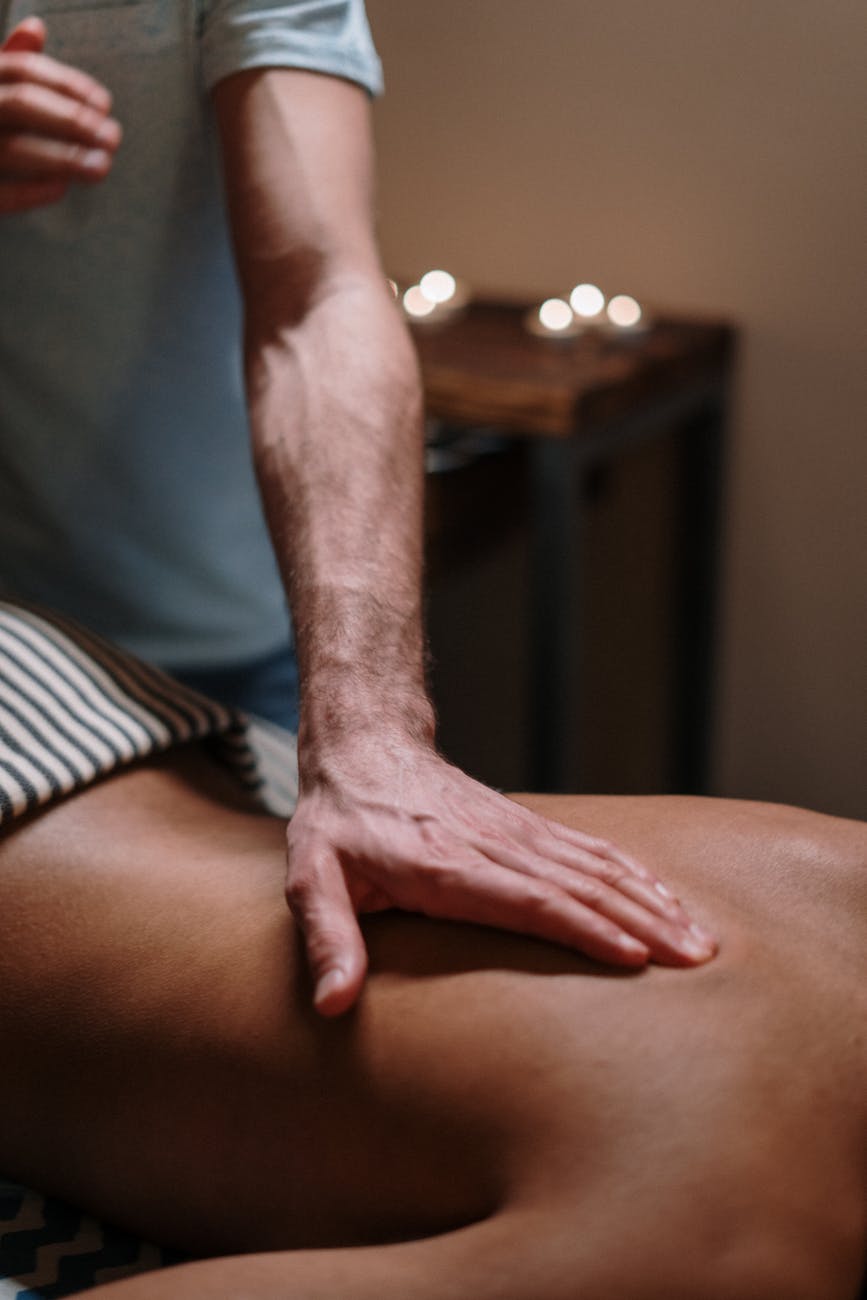
Beyond traditional methods, holistic health approaches can offer relief from stress and pain. Let’s explore two effective options.
Benefits of Sports Massage
Sports massage isn’t just for athletes. It can benefit anyone dealing with chronic pain or stress. By focusing on specific muscle groups, sports massage helps relieve tension and improve circulation. This not only reduces pain but also promotes relaxation.
Consider scheduling regular sessions with a qualified therapist. They can tailor treatments to your specific needs, addressing both stress and pain. Many clients report feeling more relaxed and less tense after just one session.
If you’ve ever thought massage was just a luxury, think again. It’s a practical tool for managing stress and pain. Learn more about the benefits of sports massage from this resource.
Acupuncture for Pain Relief
Acupuncture is another powerful method for managing pain and stress. By stimulating specific points on the body, it can help balance energy flow and reduce pain. Many people find acupuncture to be a calming experience that promotes overall well-being.
Research shows that acupuncture can improve pain outcomes for various conditions. It’s a safe and effective option that complements other treatments, offering a holistic approach to health. Don’t let misconceptions about needles deter you; the benefits are well worth it.
If you’re curious about acupuncture, consider consulting a licensed practitioner to explore how it can help you. Read more about its benefits and how it works in this article.
By understanding and applying these strategies, you can take charge of your health. Start managing stress and reducing pain today for a brighter, more relaxed tomorrow.
Discover more from The Bodywright
Subscribe to get the latest posts sent to your email.
Leave a Reply