Is Your Tightness Actually Protective Tension? How to Spot It and What to Do

Is Your Tightness Actually Protective Tension? How to Spot It and What to Do

Muscle tightness is often a sign your body is protecting itself, not just a simple ache. Protective tension is your nervous system’s way of guarding against pain or injury. Knowing the difference can change how you handle persistent tightness and avoid long-term discomfort. Keep reading to learn simple checks and what steps you can take to ease that tension for good. https://www.daniwinksflexibility.com/bendy-blog/diagnosing-muscle-tightness-vs-nerve-tension

Understanding Protective Tension

Grasping the concept of protective tension can help you manage discomfort more effectively. It’s essential to understand what sets it apart from everyday tightness.

Differentiating Muscle Tightness

Muscle tightness often feels like a dull, persistent ache. You might notice it after a workout or a long day at a desk. Protective tension, however, is different. It acts as a barrier. Instead of a mild strain, it feels like a protective wall your body has built. This tension is a signal from your nervous system, attempting to shield you from further harm.

Many confuse these types of tightness. The key is recognising both the sensation and the context. Protective tension usually arises without clear cause. For instance, you might feel it when you’re at rest. Explore more about this to understand how it manifests.

Role of the Nervous System

Your nervous system plays a crucial role in muscle tension. It’s like the command centre that decides when to activate protective measures. When it perceives a threat, real or imagined, it signals muscles to tighten. This response can be due to stress, fatigue, or past injuries.

Interestingly, this protection can sometimes work against you. If your muscles stay tense for too long, it can lead to discomfort or even pain. Learning how your nervous system influences muscle behaviour is the first step toward managing this tension. For further details on this connection, visit this resource.

Common Signs of Protective Tension

There are several indications that your muscles are under protective tension. You might find it challenging to relax even during rest. This tension often appears without a clear reason. You may also notice that stretching provides little relief.

Most people assume that tight muscles are always due to physical exertion. However, recognising protective tension can change your approach to dealing with discomfort. If you suspect this type of tension, addressing it correctly is crucial for long-term relief.

Self-Checks and Solutions
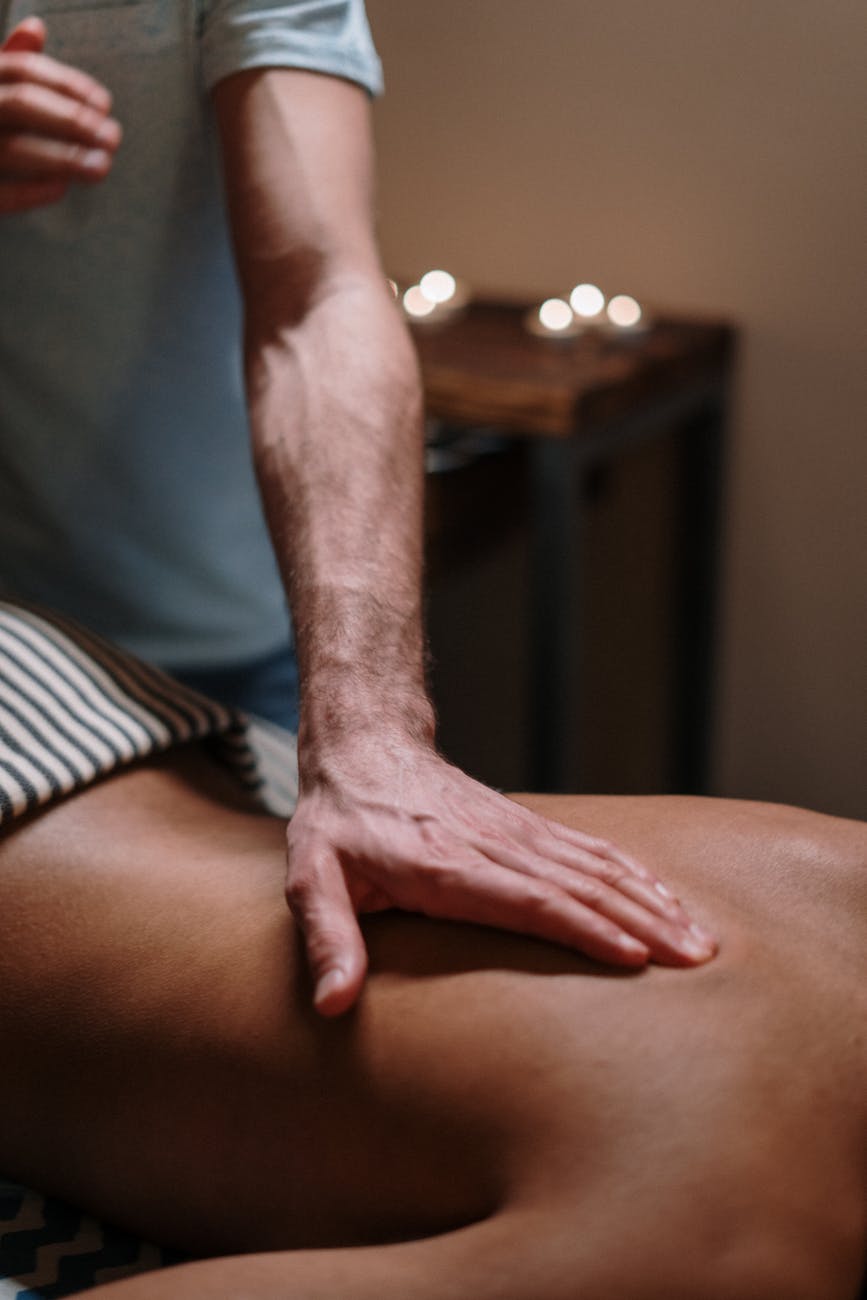
Identifying protective tension is the first step. Next, consider some practical checks and solutions you can try at home.

Simple Tests at Home

You can perform some simple tests to understand your muscle tension better. Start by observing when and where the tightness occurs. Is it after a specific activity, or does it appear randomly? Keep a log of these occurrences.

Next, try gentle movements. These can help determine if the tension eases or intensifies. While performing these tests, listen to your body. Note any patterns that emerge. This information can be invaluable when discussing symptoms with a professional.

Techniques for Nervous System Regulation

Regulating your nervous system can help reduce protective tension. One effective method is deep breathing. This technique calms the nervous system, signalling your muscles to relax. Another method is progressive muscle relaxation. This involves tensing each muscle group and then releasing the tension slowly.

Mindfulness exercises can also prove beneficial. Practices like yoga or tai chi focus on body awareness and relaxation. Incorporating these activities into your routine can help in managing tension effectively.

When to Seek Professional Help

While self-care techniques can be effective, there are times when professional guidance is necessary. If your tension persists despite efforts to manage it, consider consulting a specialist. A professional can offer tailored advice and treatment options.

Persistent tension might indicate underlying issues that need addressing. Early intervention can prevent further complications and provide relief. Don’t hesitate to seek help when needed. It’s crucial for maintaining your health and wellbeing.

Professional Assessment at The Bodywright

When self-care isn’t enough, a professional assessment can offer deeper insights into your muscle tension. At The Bodywright, we provide comprehensive services tailored to your needs.

Benefits of Sports Massage

Sports massage offers targeted relief for muscle tension. It helps improve circulation and reduce stiffness. Our experienced practitioners focus on specific areas that need attention, providing relief from tension and discomfort.

Regular massage sessions can aid in reducing protective tension by improving muscle flexibility and joint mobility. This approach not only addresses symptoms but also promotes long-term wellbeing.

Comprehensive Movement Assessment

A comprehensive movement assessment can identify the root cause of your tension. This process involves evaluating your movement patterns to pinpoint areas of concern. It helps in creating a personalised treatment plan that suits your unique needs.

Understanding your movement patterns allows for targeted interventions. With this knowledge, we can guide you through exercises and treatments designed to alleviate tension and enhance mobility.

Booking Your Appointment in Oxfordshire and the Cotswolds

Ready to take the next step? The Bodywright is here to support you. Booking an appointment is simple. Our skilled therapists are ready to help you find relief and improve your quality of life.

Don’t let protective tension hold you back. Whether you’re in Oxfordshire or the Cotswolds, we’re here to guide you on your journey to recovery. Our holistic approach ensures you get the care you deserve. Embrace a pain-free life with our expert support.

Click to discover more

Unravelling the Stress-Knot: How Stress and Muscle Tightness are Intertwined

Unravelling the Stress-Knot: How Stress and Muscle Tightness are Intertwined

Stress doesn’t just affect your mind—it tightens your muscles too, leaving you stuck in a cycle of discomfort. When muscle tightness takes hold, simple tasks become a struggle and pain drags you down. At The Bodywright, we know how closely stress and muscle tension are linked, and how massage therapy, acupuncture, and holistic health practices can break that knot for good. Read on to learn how to regain control and find lasting relief.

The Stress-Knot Connection

Stress and muscle tension often go hand in hand. When stress takes over, our bodies respond in ways that can leave muscles tight and painful.

How Stress Affects Muscles

Imagine your muscles like a tightly wound spring. Stress can cause your muscles to contract, leading to discomfort. This tension is a natural reaction, but when stress is constant, it can create ongoing issues. According to a study, over 70% of adults experience muscle tightness due to stress. When your body is always on high alert, muscles never fully relax, which can affect your daily life.

The good news? By understanding how stress impacts your muscles, you can take steps to address this tension. For more insights on how stress affects your body, visit the American Psychological Association.

Recognising the Symptoms

Muscle tension doesn’t always appear where you expect. You might feel a persistent ache in your neck or experience headaches more often. These signs can be your body’s way of saying it’s overwhelmed. Notice if your shoulders are hunching or if your jaw feels tight.

Understanding these symptoms is the first step to finding relief. By recognising how stress manifests physically, you can start to address the root of the problem. Most people think tension is just in the neck, but it can affect different areas.

Holistic Health Approaches

Addressing muscle tension involves more than just recognising it. Holistic health practices offer effective solutions to ease stress and its physical effects.

Benefits of Massage Therapy

Massage therapy can feel like a reset for your body. By releasing tension, it helps to improve circulation and reduce pain. A study found that around 50% of people who receive massages report a significant reduction in muscle tightness.

Picture this: after a session of massage therapy, you feel lighter and more at ease. It’s not just about the physical relief; it’s about giving yourself a break. This approach can help break the cycle of stress and muscle tension. Learn more about the benefits of massage therapy from this health article.

Role of Acupuncture

Acupuncture offers another pathway to relief. By stimulating specific points, it encourages the body to heal itself. Many find it helps reduce stress and relaxes muscles. One fascinating fact is that acupuncture can increase endorphins, naturally reducing pain.

Most people think acupuncture is just needles, but it’s a holistic approach to wellness. You might find that what seems like a simple treatment provides profound benefits. For further reading, explore this academic article.

Steps to Stress Relief

Understanding the connection between stress and muscle tension is crucial. Now, let’s explore actionable steps to find relief.

Importance of Pain Management

Pain management is essential for breaking the stress cycle. Addressing pain early can prevent it from becoming chronic. Focus on methods that support your wellbeing, like targeted exercises or meditative practices.

Think of pain management as putting the brakes on stress. The longer you wait, the harder it becomes to manage. For more on this, check out this health article.

Booking Your Oxfordshire Wellness Consultation ✨

Taking the step to book a consultation is about investing in your health. At The Bodywright, we offer personalised programmes to help you find relief. Whether it’s massage, acupuncture, or lifestyle coaching, our services are tailored to your needs.

Imagine walking into our Oxfordshire centre and leaving with a plan designed for you. Our goal is to guide you towards a pain-free, stress-managed life. It’s time to prioritise your wellbeing and discover the benefits of holistic health. Reach out to us to start your journey today.

Unknot the Tension: Spotting Early Signs of Muscle Tightness to Stay Injury-Free

Unknot the Tension: Spotting Early Signs of Muscle Tightness to Stay Injury-Free

Muscle tightness often sneaks in before pain does, quietly setting the stage for injury. Ignoring those first stiff twinges can leave you sidelined longer than you expect. This post will help you spot early signs of muscle tightness and share practical steps to ease tension—supporting your body before problems arise. Stay ahead with simple strategies for injury prevention and lasting pain relief. 

Identifying Muscle Tightness

Spotting the first signs of muscle tightness can save you from future discomfort. By understanding these early indicators, you can take proactive steps to maintain your active lifestyle.

Common Symptoms to Watch For

Muscle tightness often whispers before it screams. You might feel subtle stiffness in the morning or after sitting for too long. This stiffness can be a sign that your muscles need attention. Another sign to watch for is when simple movements, like bending or stretching, start feeling restricted. If you notice these signs, it’s time to act.

Sometimes, tightness can manifest as a dull ache. This can be confused with regular soreness, but it’s essential to differentiate between the two. Check out this guide to distinguish soreness from potential injury warning signs. Taking action now can prevent more severe issues later.

Everyday Activities That Highlight Tightness

Regular activities can reveal hidden tension in your muscles. For instance, if walking up the stairs feels harder than usual, your muscles may be sending a signal. Even reaching for something on a high shelf can highlight tightness in your shoulders or back. Paying attention during these moments helps you catch problems early.

If gardening or lifting groceries leaves you feeling unusually fatigued, it might be a sign to investigate further. The Mayo Clinic provides insights into how everyday activities can pinpoint muscle issues. Being aware of these cues allows you to stay ahead in your journey to wellness.

Effective Strategies for Injury Prevention

Knowing how to spot tightness is only the first step. Let’s explore strategies you can use to prevent injuries and maintain flexibility in your daily life.

Stretching and Strengthening Techniques

Stretching is your first line of defence. Start with dynamic stretches before workouts to prepare your muscles. These movements increase blood flow, reducing the risk of tears. After exercising, focus on static stretches to cool down and improve flexibility. Hold each stretch for at least 30 seconds to see the best results.

Strengthening exercises help as well. Building muscle around your joints provides support and reduces strain. Consider activities like yoga or pilates, which combine both stretching and strengthening. These techniques not only improve flexibility but also enhance overall muscle balance. Incorporating them into your routine could be a game-changer.

Importance of Regular Massage Therapy

Massage therapy offers more than relaxation. It plays a crucial role in keeping your body in top shape. Regular sessions help release tension, increase circulation, and promote healing. They target specific areas where you tend to hold stress, such as the neck or lower back.

A skilled therapist can identify tight spots you might not notice. This helps address potential issues before they escalate. Most people assume massages are purely indulgent, but they are a powerful tool for maintaining health. If you’re curious about how massage therapy can benefit you, explore this resource for more information.

Holistic Health Approaches for Pain Relief

Beyond physical strategies, holistic approaches provide a comprehensive path to pain relief and overall wellness.

Benefits of Lifestyle Coaching

Lifestyle coaching helps you understand the bigger picture of your health. Coaches work with you to develop habits that support long-term wellbeing. From nutrition advice to stress management, they tailor plans to your unique needs. This guidance empowers you to make informed choices, leading to a healthier lifestyle.

Most people think changes need to be drastic, but small adjustments can have a significant impact. A coach helps you implement these changes gradually, making them sustainable. By focusing on holistic health, you create a foundation for lasting pain relief and improved quality of life.

The Role of Acupuncture in Recovery

Acupuncture, an ancient practice, remains a trusted method for promoting recovery. It involves inserting thin needles into precise points on the body to stimulate healing. This technique helps alleviate pain, reduce inflammation, and enhance circulation.

While some might be sceptical, acupuncture’s benefits are supported by research and centuries of practice. It’s a valuable addition to traditional therapies, offering a different approach to pain management. If you’re interested in learning more about acupuncture, check out this article.

Embracing these holistic strategies ensures you’re not just treating symptoms but nurturing your body as a whole. By combining modern techniques with time-tested practices, you pave the way for a healthier, more resilient you. 🌟✨🏃‍♀️