
Top Lifestyle Habits That Support Long‑Term Back and Neck Pain Relief
Back and neck pain can quietly take over your day, making simple tasks a struggle and draining your energy. If you’re in Oxfordshire or the Cotswolds, you don’t have to accept discomfort as part of life. Adopting smart lifestyle habits can ease your pain and keep it from coming back. Let’s explore practical steps that support long‑term back pain relief Oxfordshire trusts and help you move with confidence again. For more information, visit this link.
Key Habits for Long-Term Pain Relief

Your path to a pain-free life begins with daily habits. These habits can have a significant impact on your back and neck health.
Daily Movement and Exercise
Staying active is crucial. Regular movement prevents stiffness and improves your overall mobility. Think of your body like a well-oiled machine: it works best when in motion. Start with simple activities like walking or stretching, which can prevent the muscles from tightening.
Incorporating specific exercises targeting spinal mobility can work wonders. Studies show that 30 minutes of daily activity can greatly reduce back pain. Try incorporating exercises that involve gentle twists and bends to enhance flexibility. Consistency is key, so make this a daily practice.
Posture and Ergonomics Tips
Good posture is more than sitting up straight. It’s about aligning your body to reduce stress on your spine. At your desk, ensure your chair supports your lower back and your feet rest flat on the floor. Position your screen at eye level to avoid straining your neck.
Implementing these adjustments can create a comfortable work environment. For more tips, check out this guide. It’s important to take breaks to stretch and adjust your posture regularly throughout the day.
Nutrition and Hydration Essentials
What you eat and drink plays a role in your body’s ability to heal and stay strong. A diet rich in anti-inflammatory foods like berries, leafy greens, and nuts can be beneficial. Hydration is equally important: aim for at least eight glasses of water a day.
Proper nutrition supports muscle function and repair. By focusing on balanced meals and staying hydrated, you’re giving your body the tools it needs to combat pain and inflammation.
Effective Therapies for Pain Management
While daily habits set the foundation, therapies can provide targeted relief. These approaches can complement your routine and address specific pain points.
Sports and Remedial Massage Techniques
Massage therapy isn’t just about relaxation; it’s about targeting specific areas to reduce tension and improve circulation. A session of sports massage in Oxfordshire can help alleviate chronic pain by focusing on muscle knots.
Regular massages can significantly enhance mobility and reduce discomfort. They’re tailored to your needs, ensuring you receive the most benefit. Discover more about this practice on our website.
Acupuncture for Neck and Back Pain
Acupuncture offers an alternative approach to pain relief. By stimulating specific points, it promotes natural healing processes in the body. Many find this technique effective for neck pain relief in the Cotswolds.
It provides a holistic method to manage pain, offering a sense of relaxation and balance. Research indicates that regular sessions can lead to significant improvements in pain levels.
Tailored Rehab Programmes
Personalisation is key. Rehab programmes designed specifically for you can address your unique pain triggers. These programmes often combine exercises, massage, and lifestyle coaching for comprehensive relief.
With a structured plan, you can target specific areas and build strength where it’s needed. Consider a rehab programme in Oxfordshire to guide you on your path to recovery.
Holistic Lifestyle Strategies

Beyond direct pain management, holistic strategies address overall wellbeing. These approaches can have a profound effect on your health.
Stress Management and Relaxation
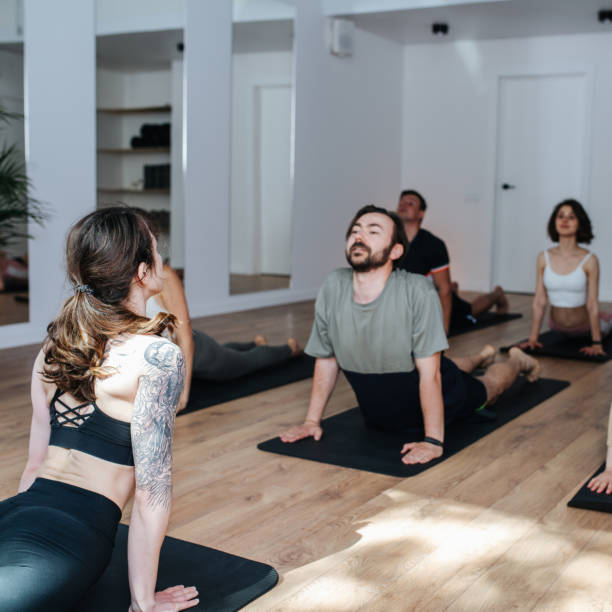
Stress can exacerbate pain. Techniques like meditation, deep breathing, and yoga can help manage stress levels. Incorporating just a few minutes of relaxation into your daily routine can make a difference.
By reducing stress, you may find that your pain lessens. A relaxed mind often leads to a more relaxed body.
Sleep Quality and Pain Reduction
Quality sleep is crucial for healing. Ensure your sleep environment supports relaxation: a comfortable mattress and a quiet, dark room can help. Establishing a bedtime routine can also improve sleep quality.
Lack of sleep can heighten pain sensitivity. Prioritising rest can be a significant step towards long-term pain relief.
Personalised Lifestyle Coaching
Coaching offers guidance tailored to your lifestyle and needs. It provides support in making sustainable changes. With a coach, you can address nutrition, exercise, and stress management holistically.
This personalised approach ensures you have a partner on your journey to wellness. Explore how lifestyle coaching for pain can support your goals.
Incorporating these habits and therapies can pave the way to a healthier, pain-free life. By taking proactive steps, you’re investing in your long-term wellbeing. If you’re ready to start your journey, consider reaching out to The Bodywright for tailored support and guidance.