
Your Guide to Managing Chronic Neck and Back Pain the Holistic Way
Chronic neck pain in Oxfordshire and back pain in the Cotswolds can hold you back from the life you want. You’ve tried quick fixes that only mask the discomfort without lasting change. This guide walks you through holistic back pain management methods that work with your body, not against it, to bring relief and rebuild strength. Ready to take control of your pain?
Holistic Approaches to Pain Management

Chronic pain can feel like a constant roadblock. But understanding its root can lead to real change. This section introduces how a holistic approach can help tackle your neck and back issues.
Understanding Chronic Neck and Back Pain
Chronic neck pain in Oxfordshire and back pain in the Cotswolds are more than just discomfort; they are signals from your body. These pains often stem from lifestyle factors such as prolonged sitting or improper posture. Recognising these triggers is the first step towards relief.
Your body communicates through pain, indicating misalignment or stress. It’s crucial to identify whether your pain is mechanical, such as muscle strain, or inflammatory. Most people assume pain stems from overuse, but sometimes it’s due to muscle weakness or imbalance. Understanding this can shift your approach to treatment.
Incorporate simple lifestyle adjustments to start. Instead of reaching for temporary fixes, consider how daily habits contribute to your discomfort. Could sitting too long or an unsupportive mattress be the culprit? Spotting these patterns helps tailor a plan that truly fits your needs.
The Role of Manual Therapy
Manual therapy offers more than just momentary relief. It’s a hands-on approach to correct musculoskeletal issues. This treatment can improve movement and reduce pain by addressing tension and stiffness directly.
When you visit a professional, they use techniques to manipulate muscles and joints. This isn’t just about easing pain; it’s about restoring function. The idea is to help your body move naturally again, reducing stress on painful areas. Manual therapy is not a one-size-fits-all solution. It’s tailored to address your specific pain points.
For many, manual therapy in Oxfordshire has been a game changer. It provides a safe, natural method to manage pain over the long term. By regularly incorporating manual therapy, you can maintain better alignment and prevent discomfort from returning.
Integrating Lifestyle Changes
Small shifts in daily habits can make a huge difference in managing pain. By integrating these changes, you can support your body’s natural healing process.
Start by assessing your daily routine. Are you sitting for hours on end without breaks? Do you often find yourself hunched over your desk? Addressing these habits is vital. Implementing regular movement breaks and ensuring your workspace supports good posture can alleviate strain.
Nutrition plays a key role too. A balanced diet helps reduce inflammation, which can exacerbate pain. Consider incorporating anti-inflammatory foods like leafy greens and fatty fish. Reducing stress is equally important; practices like mindfulness or yoga can help manage stress levels, which often correlate with pain intensity.
The longer you wait to adopt these changes, the longer you might endure discomfort. Embracing these adjustments can pave the way for a healthier, pain-free lifestyle.
Effective Techniques for Relief

Discovering the right techniques can provide the relief you need. This section explores therapeutic options that target pain and promote healing.
Benefits of Sports and Remedial Massage
Sports and remedial massage is not just for athletes. Its benefits extend to anyone dealing with chronic pain. This type of massage targets deep muscle layers, relieving tension and improving circulation.
Imagine having a massage that not only relaxes you but also aids in recovery. That’s the power of sports massage. By focusing on specific areas, it helps release built-up tension, improving flexibility and reducing pain. This method is particularly effective for those experiencing tightness from repetitive activities or previous injuries.
In Oxfordshire, sports massage has become a popular choice for managing various forms of pain. It doesn’t just provide immediate relief; it also supports long-term healing. Regular sessions can help maintain muscle health and prevent future discomfort.
Acupuncture for Pain Modulation
Acupuncture is an ancient practice that offers modern benefits. It’s particularly effective in modulating pain and promoting overall well-being.
During an acupuncture session, thin needles are inserted into specific points on the body. This stimulates the nervous system, releasing chemicals that can alter the pain experience. For many, acupuncture provides relief where other methods have failed. It’s a natural way to address both acute and chronic pain without relying on medication.
Incorporating acupuncture for neck pain can be especially beneficial. It not only eases existing pain but also boosts the body’s ability to heal itself. Many find that regular acupuncture sessions help reduce the frequency and intensity of their pain, supporting a more comfortable daily life.
Tailored Rehab Programmes
A tailored rehab programme is your personal roadmap to recovery. It addresses your unique needs, focusing on strengthening and restoring function.
Rehab programmes start with a detailed assessment to pinpoint the problem areas. Then, a customised plan is crafted, incorporating exercises and therapies that target your specific issues. This approach ensures that every session is meaningful and geared towards your recovery.
People often think one-size-fits-all exercises are enough. But tailored programmes consider your history, current condition, and goals. This personalised attention can significantly enhance your results, helping you regain strength and mobility faster than generic routines.
Building a Pain-Free Life
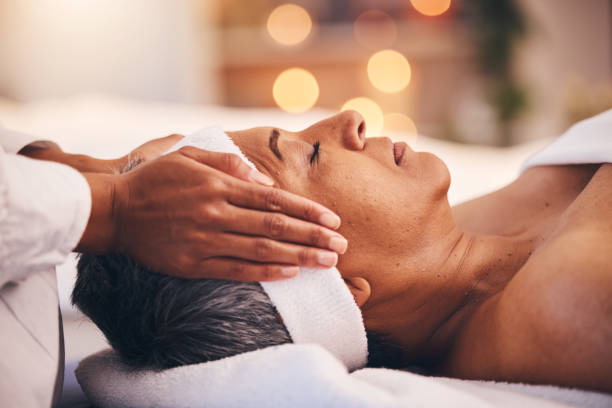
Imagine living without the constant shadow of pain. The next steps focus on creating sustainable habits for long-term freedom from discomfort.
Posture and Ergonomics Coaching
Good posture is more than standing tall. It’s about balance and alignment. Coaching can teach you how to maintain a posture that supports your body’s natural curves.
Many don’t realise that poor posture contributes significantly to pain. By working with a coach, you learn techniques to correct imbalances and reduce strain on your neck and back. This might involve adjusting how you sit, stand, or even sleep.
For desk workers, ergonomics coaching can transform your workspace into a pain-free zone. Simple adjustments, like the height of your chair or angle of your monitor, can make a world of difference in reducing daily strain.
Strength and Conditioning Strategies
Building strength is a key component of pain management. It’s not just about lifting weights; it’s about targeted exercises that support your body.
Strength and conditioning strategies focus on improving core stability and muscle endurance. This helps protect against injuries and supports recovery. The goal is to create a balanced body that can handle daily stresses without pain.
By incorporating these strategies, you’ll not only reduce current pain but also prevent future issues. Strong muscles support joints better, reducing the risk of strain and injury. This proactive approach keeps you moving comfortably and confidently.
Nutrition and Stress Management
What you eat and how you manage stress can greatly impact your pain levels. Nutrition provides the building blocks for healing, while stress management supports mental and physical balance.
A diet rich in nutrients helps reduce inflammation, a common contributor to chronic pain. Focus on whole foods like fruits, vegetables, and lean proteins. These provide essential vitamins and minerals that support recovery.
Stress, when unmanaged, can heighten pain perception. Incorporating relaxation techniques, such as meditation or deep breathing, can help keep stress in check. By addressing both nutrition and stress, you create an environment where healing can thrive.
In conclusion, building a pain-free life requires a holistic approach. By integrating these strategies, you empower yourself to move beyond pain and into a healthier, more active existence.