Release the Grip: Practical Stress Management to Ease Chronic Muscle Tension

Release the Grip: Practical Stress Management to Ease Chronic Muscle Tension

Chronic muscle tension can grip your body day after day, making simple movements feel like a struggle. You’ve tried quick fixes, but the tightness lingers, dragging down your energy and mood. In this post, you’ll find stress management techniques designed to reduce muscle tightness and ease that persistent strain. Let’s explore how The Bodywright’s tailored approach can help you move more freely and feel better every day. Check out these tips for stress management to further support your journey.

Understanding Muscle Tension
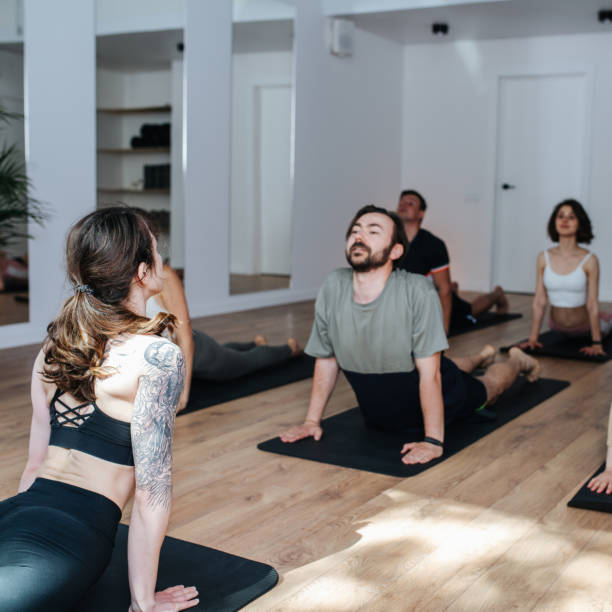
Muscle tension can feel like a grip that never lets go, affecting both your body and mind. Understanding its roots is the first step to finding relief.

Causes of Chronic Muscle Tightness

Chronic tightness often starts where physical and mental stress meet. Imagine sitting for hours at a desk, your shoulders creeping up towards your ears, or clenching your jaw without noticing. It’s like your muscles are at constant attention, ready for action that never comes.

But it’s not just stress. Poor posture, repetitive movements, and even dehydration can add to the mix. It’s like trying to run a machine without oil. Over time, these factors create a cycle of tension and pain.

Many assume it’s just part of life. But knowing what triggers your tension can help break the cycle. A simple change in routine, like getting up every hour to stretch, can start easing the load.

Impact on Daily Life and Performance

Muscle tension doesn’t stop at discomfort. It creeps into your daily life, making everything a bit harder. Imagine trying to focus at work with a throbbing neck or playing a sport with stiff muscles. Your performance drops, and frustration grows.

This tension can also affect your mood. Ever noticed how a headache from tight neck muscles can make you irritable? It’s a chain reaction—pain leads to stress, which leads to more tension. Breaking this cycle is key to restoring balance.

The longer this continues, the more it can affect your overall well-being. But you can take charge. Using stress management techniques, you can reduce muscle tightness and reclaim your energy.

Effective Stress Management Techniques

Reducing muscle tension starts with managing stress. Here are two methods to help you feel more relaxed and in control.

Breathwork for Anxiety and Relaxation

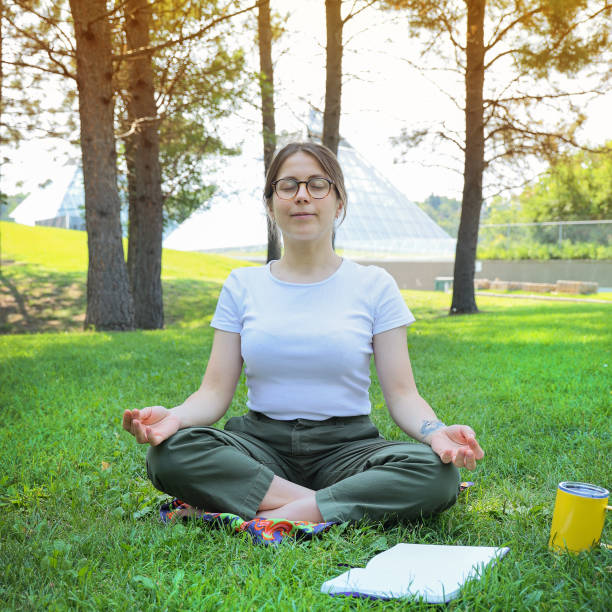
Breathing might seem too simple to matter, but it’s a powerful tool. When anxiety strikes, your breath often becomes shallow and rapid. This only adds to the tension. By focusing on deep, slow breaths, you can calm your nervous system and reduce stress.

Start with this: Inhale deeply through your nose for a count of four, hold for four, and exhale through your mouth for four. Repeat this cycle to find a sense of calm. This technique is not just about breathing; it’s about giving your mind a break. Explore more on breathwork for stress relief.

The beauty of breathwork is its accessibility. You can do it anywhere, anytime. When practiced regularly, it can become your secret weapon against tension.

Progressive Muscle Relaxation Benefits

Progressive muscle relaxation (PMR) is another simple yet effective technique. It involves tensing and then relaxing each muscle group, starting from your toes and working up to your head.

Here’s how to begin: Tense your toes for five seconds, then release. Notice the difference? Move to your calves, thighs, and so on. This technique helps you identify where you’re holding tension and teaches your muscles to relax.

Think of PMR as a personal tension map. Once you know your hotspots, you can work on releasing them. Practicing PMR can lead to better sleep and increased energy, too.

Holistic Approaches to Pain Relief
Beyond stress management, holistic approaches can offer deeper relief. They address not just the symptom but the whole person.

Sports Massage Oxfordshire and Cotswolds

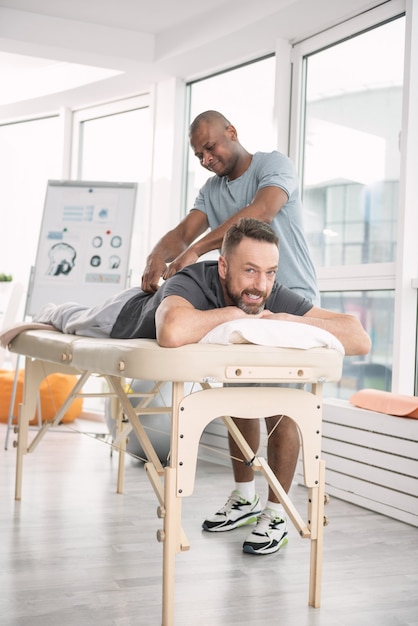
Sports massage isn’t just for athletes. It’s a targeted way to relieve tension and improve mobility for anyone. A skilled therapist can work out knots and improve blood flow, speeding up recovery.

In Oxfordshire and the Cotswolds, The Bodywright offers personalised sports massage sessions. These treatments are designed to ease pain, prevent injuries, and enhance performance. It’s about more than just a massage; it’s about supporting your body’s healing process. Discover the benefits of sports massage.

Regular sessions can transform your tension into relaxation. It’s a proactive step towards living pain-free and active.

Acupuncture for Stress and Tension

Acupuncture is another powerful tool in the fight against tension. This ancient practice involves inserting thin needles into specific points on the body to release blocked energy.

For those dealing with chronic muscle tension, acupuncture can provide relief by improving circulation and reducing stress. It’s like hitting the reset button for your body’s stress response. Learn more about acupuncture benefits.

Many find that combining acupuncture with other treatments enhances the overall effect. It’s a holistic approach to tackling tension from all angles.

In summary, understanding and managing muscle tension involves a blend of techniques. From breathwork to sports massage and acupuncture, each plays a role in easing that persistent strain. Embrace these methods, and take your first steps towards a more relaxed, pain-free life.
Click to discover more

Break the Stress-Pain Cycle: Practical Techniques for Lasting Relief

Break the Stress-Pain Cycle: Practical Techniques for Lasting Relief

Stress doesn’t just wear you down—it can keep your back or neck pain locked in place, day after day. Breaking the chronic pain cycle means more than just masking discomfort; it calls for smart stress management techniques that tackle the root cause. In this post, you’ll find simple, practical steps to ease tension and start feeling better, plus how The Bodywright’s tailored services in Oxfordshire and the Cotswolds can support your journey to lasting relief. For more information, you can explore this article.

Understanding the Stress-Pain Connection

When stress grips your body, it does more than make you feel tense—it can trigger a chain reaction, causing pain to persist. Understanding this link is key to breaking free.

How Stress Triggers Pain

Your body’s response to stress isn’t just in your head. When you’re stressed, your muscles tighten, ready for action—a throwback to our survival days. This tension can become chronic, especially in your neck and back. Imagine your muscles as a rubber band stretched to its limit. Now, add stress to the mix. This prolonged strain leads to discomfort and, eventually, pain. Most people believe stress is just about mental pressure, but it’s also about how your body physically reacts. A study found that 80% of chronic pain sufferers report stress as a major factor. To learn more about managing stress and pain, check out these expert tips.

The Chronic Pain Cycle Explained

The pain cycle starts when stress tightens your muscles, leading to discomfort. This discomfort then increases stress—a vicious loop. You might think resting could help, but inactivity often worsens the situation. Without movement, muscles stay tense, and pain lingers. Breaking this cycle requires a proactive approach. By tackling both stress and the physical symptoms, you can disrupt this loop. Remember, the key insight here is that addressing one without the other won’t bring relief. For more strategies on breaking this cycle, visit these helpful tips.

Practical Techniques for Stress Management

Now that you know how stress fuels pain, let’s dive into techniques that can help. These methods are your first step toward relief.

Breathwork for Pain Relief

Breathwork is a simple yet powerful tool. By focusing on your breath, you can calm your mind and ease muscle tension. Start by sitting comfortably. Close your eyes and inhale deeply through your nose. Count to four as you breathe in, hold for four, then exhale slowly. This practice helps lower cortisol levels, the body’s main stress hormone. Lower cortisol means less tension and pain. A daily five-minute session can make a significant difference. Remember, consistency is key here. Most people think breathwork is too simple to be effective, but science shows it’s a game-changer. Discover more about breathwork’s benefits in pain relief here.

Movement Micro-Breaks and Pacing

Movement is crucial. Instead of long exercise sessions, try micro-breaks. Every hour, take a two-minute break to stand, stretch, or walk. This interrupts the cycle of tension build-up. Pacing is also important. Balance activity with rest to avoid overloading your body. Imagine your body as a car engine; frequent, short drives keep it running smoothly rather than one long journey. This approach prevents flare-ups and reduces stress on your body. By incorporating these small changes, you can manage stress more effectively.

Holistic Services for Long-Term Relief

While techniques at home are a great start, professional help can offer deeper relief. Let’s explore how expert services can support your healing journey.

Sports Massage in Oxfordshire and the Cotswolds

Sports massage isn’t just for athletes. It targets deep-seated tension and promotes relaxation. At The Bodywright, our expert massage therapists in Oxfordshire and the Cotswolds provide tailored treatments to suit your needs. These sessions aim to release tight muscles and improve circulation, speeding up the healing process. Many clients report reduced pain after just a few sessions. Think of massage as a reset button for your muscles. It’s more than just easing pain—it’s about restoring balance. For those who’ve tried everything else, this could be the missing piece. Discover how sports massage can help you at The Bodywright.

Acupuncture for Pain Relief and Vagus Nerve Stimulation

Acupuncture is an ancient practice making waves in modern pain management. It involves inserting thin needles into specific points on the body, promoting energy flow and reducing discomfort. At The Bodywright, acupuncture is combined with vagus nerve stimulation to enhance results. The vagus nerve plays a critical role in calming the body’s stress response. Stimulating it can lower stress levels and alleviate pain. With over 20 years of expertise, our practitioners are skilled in delivering effective, personalised treatments. Many assume acupuncture is only for relaxation, but it’s a powerful tool for managing chronic pain. To understand how this treatment could benefit you, read more about it here.

In summary, managing stress is essential to breaking the chronic pain cycle. From breathwork to professional treatments, combining these strategies can set you on the path to lasting relief. Embrace these techniques and discover a life with less pain and more freedom.

Click to discover more