When Stretching Isn’t Enough: What to Do for Stubborn Back or Neck Pain

When Stretching Isn’t Enough: What to Do for Stubborn Back or Neck Pain

Stretching can feel like a quick fix when back or neck pain strikes, but what happens when it just stops working? If your pain lingers despite regular stretching or yoga, it’s a sign you need a deeper approach. Here, you’ll learn why stubborn pain demands more than simple moves and how The Bodywright’s personalised treatment plan can guide you back to comfort and strength. Ready to find lasting relief? Read more here.

When Stretching Doesn’t Help

Imagine this: you’ve tried stretching, yoga, and everything else, but your back or neck pain just won’t quit. It might be time to explore why these efforts aren’t enough.

Assessing the Root Causes

Finding the underlying causes of persistent pain is crucial. Often, pain persists because the root issue remains unaddressed. It could be an overlooked injury or muscular imbalance. Identifying these can transform your approach to pain relief. Most people assume stretching will fix it all. But the truth is, without understanding what’s really wrong, you’re just guessing. Consider this: have you explored every angle of your pain? If not, you might be missing a vital clue.

Importance of Comprehensive Assessment

Here’s the key insight: a thorough examination changes everything. By delving into your body’s unique story, you get a clearer picture of what’s really going on. This isn’t just about a quick fix. It’s about crafting a plan that’s genuinely effective. Many assume they need complex solutions, but often, it’s about understanding the basics deeply. A comprehensive assessment gives you the clarity you need for a path forward.

Booking with The Bodywright

Booking with The Bodywright means taking the first step toward a tailored solution. You get a chance to discuss your pain and goals with experts who truly listen. This isn’t a one-size-fits-all approach. It’s about creating a strategy that fits your unique needs. If you’ve tried other methods without success, this personalised path could be the change you’re looking for.

Effective Pain Relief Strategies

Once you’ve identified the root causes, it’s time to explore effective strategies. These are not your average treatments—they’re designed to provide real relief.

Hands-on Therapy Techniques

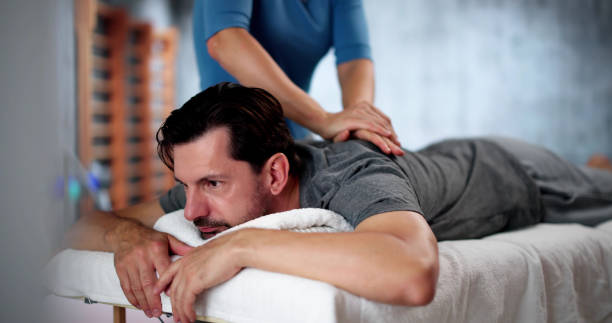
Hands-on therapy can work wonders. Techniques like myofascial release and trigger point therapy specifically target stubborn pain points. These methods don’t just mask the pain; they address it directly. Imagine finally feeling relief after struggling for so long. This is what hands-on therapy offers. Most think pain needs medication or rest, but skilled hands can often achieve more. It’s about using the right touch to unlock your body’s healing potential.

Targeted Strength and Conditioning

Strength and conditioning target the weak spots that often cause pain. By focusing on these areas, you build resilience against further issues. This isn’t just about getting stronger. It’s about rebuilding confidence in your body. You might not realise how much strength you’ve lost until you start gaining it back. When you work on specific areas, you notice changes in how you feel and move daily. This targeted approach makes a world of difference.

Load Management for Relief

Managing the load your body carries is crucial. It’s not just about avoiding heavy lifting; it’s about understanding how everyday activities affect your pain. Adjusting these can prevent further setbacks. Consider this: how often do you overdo it without realising? By managing this, you protect yourself from unnecessary pain. It’s about smart planning and listening to your body’s cues.

Lifestyle Shifts for Long-term Wellness

Long-term wellness isn’t just about addressing current pain. It’s about creating a lifestyle that supports ongoing health.

Posture and Ergonomics Tips

Good posture and ergonomics are your allies. They help prevent the aches that come from poor habits. Simple adjustments can lead to big changes in comfort. Most ignore these tips until pain strikes. But starting early saves you from future discomfort. Consider the hours you spend sitting or moving incorrectly. Improving your posture now means fewer issues later.

Integrative Lifestyle Coaching

Integrative coaching looks at the whole picture. It focuses on nutrition, sleep, and stress—factors often overlooked. These elements play a major role in how your body feels and heals. You might think small lifestyle tweaks don’t matter much, but they add up. Coaching helps you make sense of it all. It’s about aligning every part of your life with your wellness goals.

Encouragement to Book an Assessment

The longer you wait, the more entrenched the issues become. Booking an assessment is your chance to change that. It’s about taking control and saying yes to a healthier future. You’ve read this far, so why not take the next step? You deserve relief and a chance to live without pain. Choose to explore what’s possible with The Bodywright.


Click to discover more

Persistent Pain: When to Seek Help Before It Becomes a Bigger Problem

Persistent Pain: When to Seek Help Before It Becomes a Bigger Problem

Persistent pain doesn’t just go away on its own—it often worsens when ignored. You might think it’s just part of daily life, but those nagging aches could signal something more serious. Knowing when to see a therapist for pain can save you from long-term issues and get you back to feeling your best. Let’s explore the signs that mean it’s time to act before pain takes over your life. For more information, you can check out this resource.

Recognising Persistent Pain

Understanding when pain is more than a minor inconvenience is crucial. Persistent pain can sneak up and become a part of daily life. Learn to spot the signs early and take action before it escalates.

Signs You Shouldn’t Ignore

You might dismiss that constant ache as just a part of life. But when the pain lingers beyond a few weeks, it’s time to pay attention. Ignoring persistent pain can lead to more serious issues, like chronic pain or injury. Watch out for these signs:

  • Pain lasting longer than three months.

  • Discomfort that disrupts sleep or daily activities.

  • Increasing intensity or frequency over time.

These indicators suggest it’s time to consider professional help. Don’t wait until it’s too late. Early attention can prevent further complications. For more insights, explore this blog article.

When to See a Therapist for Pain

Deciding when to see a therapist can be tricky. If your pain doesn’t respond to over-the-counter treatments or rest, it’s a red flag. Professional evaluation can identify the root cause, providing tailored solutions to bring relief.

Therapists use various methods, including physical therapy and targeted exercises, to manage pain effectively. They help restore mobility and improve overall quality of life. By addressing pain early, you reduce the risk of developing chronic conditions.

For a detailed guide on managing pain, check this pain management resource.

Benefits of Early Intervention

Early intervention in pain management offers numerous advantages. By acting swiftly, you can dodge prolonged discomfort and safeguard your well-being. Discover the benefits of tackling pain head-on.

Chronic Pain Relief Options

Getting a handle on chronic pain early can mean the difference between temporary relief and long-term suffering. A variety of treatments are available, from medications to physical therapies. The key is finding what works best for you.

  • Physical Therapy: Helps to improve mobility and strength.

  • Acupuncture: Offers pain relief without drugs.

  • Massage Therapy: Reduces muscle tension and promotes healing.

Exploring these options with a professional can lead to significant improvements. Early action can save you from extended pain and potential complications. Discover more about chronic pain here.

Holistic Health Approaches in Oxfordshire

In Oxfordshire, holistic approaches are gaining traction. These methods focus on treating the whole person, not just symptoms. Combining traditional and alternative therapies can lead to better outcomes.

  • Nutrition and Lifestyle Coaching: Supports overall health improvements.

  • Mindfulness and Stress Reduction: Helps manage pain perception.

  • Exercise Programmes: Tailored to enhance flexibility and strength.

These strategies aim to create a balanced approach to health. By integrating different methods, you can achieve more sustainable results. To learn more about holistic health, consider exploring local offerings in Oxfordshire.

Booking Your Assessment

Taking the first step towards relief is easier than you think. Booking an assessment can pave the way for a personalised pain management plan that suits your lifestyle and needs.

What to Expect from the Pain & Mobility Assessment

A Pain & Mobility Assessment is a comprehensive evaluation tailored to your specific issues. It involves understanding your pain history and current challenges. This process helps pinpoint the root cause of your discomfort.

During your assessment, expect:

  1. Detailed Consultation: Discuss your pain history and lifestyle.

  2. Physical Examination: Identify affected areas and assess mobility.

  3. Personalised Plan: Receive a tailored programme for recovery.

These steps ensure a targeted approach, offering relief and solutions that fit your life. A thorough assessment is the foundation for effective treatment.

How to Book Sports Massage in Oxford and Cotswolds

Ready to take control of your pain? Booking a sports massage in Oxford or the Cotswolds is a straightforward process designed for your convenience. Whether you’re dealing with sports injuries or everyday aches, expert therapists are ready to assist.

  • Visit Local Clinics: Check out services that match your needs.

  • Online Booking: Many centres offer easy online scheduling.

  • Consultation Calls: Speak with professionals to tailor your sessions.

Don’t let pain hold you back any longer. Explore sports massage options and embrace a pain-free lifestyle. To book your session, simply reach out to a local provider in Oxford or the Cotswolds today.

Click to discover more

Balanced Movement: The Key to Preventing Chronic Pain

Balanced Movement: The Key to Preventing Chronic Pain

Back and neck pain can sneak up on you, making simple movements a struggle. Most people don’t realise that balanced movement is the key to stopping chronic pain before it starts. At The Bodywright, we combine expert assessment with personalised treatment to help you move freely and feel stronger every day. Keep reading to learn how small changes in your movement can protect your body for the long haul. Learn more about how movement can retrain the nervous system to combat chronic pain.

Understanding Balanced Movement

Balanced movement is more than just good posture; it’s about moving your body in ways that prevent pain. This section explores why balanced movement is crucial and how it can be your best defence against chronic pain.

Importance of Balanced Movement

Incorporating balanced movement into your daily life helps you maintain good health. It ensures that your muscles, joints, and ligaments work together efficiently. By focusing on balanced movement, you can improve your posture and reduce stress on your body. This approach is especially important for those spending long hours at a desk. Moving your body correctly can help you avoid potential issues down the road. Proper movement is not just beneficial; it’s necessary for a pain-free life. Find out how balanced movement can aid in recovery and prevent injuries.

How It Prevents Chronic Pain

Balanced movement plays a key role in stopping chronic pain before it starts. When your body is in balance, it distributes weight evenly, reducing unnecessary strain. This helps to prevent the wear and tear that leads to pain. For example, by keeping your back and neck aligned, you can avoid the common aches that many face. Simple daily adjustments can make a big difference in how you feel. Implementing these changes early on can save you from years of discomfort. Discover more about the role of movement in managing pain.

Role in Injury Prevention

Keeping your body balanced isn’t just about avoiding pain; it also helps prevent injuries. When your body is aligned, it can absorb shocks more effectively, reducing injury risk. Proper movement supports your joints, making them less susceptible to strains and sprains. Balancing movement can be a game-changer for athletes and active individuals. It enhances performance by ensuring your body is always prepared for physical activity. Learn how balanced movement can safeguard against potential injuries.

Holistic Approaches to Pain Relief

Moving beyond movement, a holistic approach to pain relief combines various strategies. The Bodywright’s holistic methods offer more than just temporary relief. This section explains how massage, acupuncture, and lifestyle changes work together for a healthier you.

Massage and Movement Synergy

Massage combined with movement can help alleviate pain and increase mobility. Sports massage targets specific areas, easing tension and improving circulation. This approach is beneficial for those suffering from back and neck issues. By integrating massage with movement, you can enhance your body’s natural healing process. This synergy not only reduces pain but also promotes better movement habits. It’s a powerful way to maintain your body in peak condition. Explore how massage therapy contributes to a balanced approach to pain relief.

Benefits of Acupuncture

Acupuncture offers a unique method to manage and prevent pain. This ancient practice uses fine needles to stimulate specific points on the body. It can effectively reduce pain by improving energy flow and promoting healing. Acupuncture is particularly useful for chronic pain sufferers. Many find relief where other treatments have failed. By incorporating acupuncture into your routine, you can experience long-lasting benefits. It’s a natural and effective way to enhance wellness and relieve discomfort.

Integrative Lifestyle Strategies

Embracing a comprehensive lifestyle approach can make a significant impact on your health. Strategies like proper nutrition, adequate sleep, and stress management can support pain relief. Adopting these habits strengthens your body’s ability to recover and maintain balance. Simple changes in diet and routine can lead to substantial improvements in your wellbeing. A holistic lifestyle is not just about avoiding pain; it’s about enriching your life.

Tailored Programmes and Assessments

To truly benefit, understanding your specific needs is essential. The Bodywright offers assessments to craft the perfect programme for you. This next section covers how to start your personalised journey to better health.

Booking Your Initial Assessment

Your first step to a pain-free life is booking an assessment. During this session, we evaluate your needs and create a tailored plan. Understanding your body’s unique requirements allows us to offer the best solutions. It’s more than just a consultation; it’s the start of your transformation. By taking this step, you commit to improving your health and wellbeing.

Personalised Rehab and Conditioning

After your assessment, a personalised programme is designed just for you. This plan includes targeted exercises and therapies to address your specific issues. Our goal is to enhance your mobility and reduce any pain you’re experiencing. Consistent support ensures that progress is made, and you stay on track. Your tailored programme is a roadmap to a stronger, healthier you.

Enquire About Treatment Options

If you’re ready to take the next step, exploring treatment options is easy. We offer a range of services, from massage to holistic lifestyle coaching. By choosing the right treatments, you can achieve long-lasting relief and improved mobility. Don’t let pain dictate your life; take control with a tailored approach. Reach out to learn more about how our treatments can benefit you.

In conclusion, balanced movement and holistic approaches can significantly improve your life. Investing in your health through tailored programmes ensures you live pain-free and active. Embrace these strategies to enjoy a future of wellness and vitality.

Click to discover more

Top Lifestyle Habits That Support Long‑Term Back and Neck Pain Relief

Top Lifestyle Habits That Support Long‑Term Back and Neck Pain Relief

Back and neck pain can quietly take over your day, making simple tasks a struggle and draining your energy. If you’re in Oxfordshire or the Cotswolds, you don’t have to accept discomfort as part of life. Adopting smart lifestyle habits can ease your pain and keep it from coming back. Let’s explore practical steps that support long‑term back pain relief Oxfordshire trusts and help you move with confidence again. For more information, visit this link.

Key Habits for Long-Term Pain Relief

Your path to a pain-free life begins with daily habits. These habits can have a significant impact on your back and neck health.

Daily Movement and Exercise

Staying active is crucial. Regular movement prevents stiffness and improves your overall mobility. Think of your body like a well-oiled machine: it works best when in motion. Start with simple activities like walking or stretching, which can prevent the muscles from tightening.

Incorporating specific exercises targeting spinal mobility can work wonders. Studies show that 30 minutes of daily activity can greatly reduce back pain. Try incorporating exercises that involve gentle twists and bends to enhance flexibility. Consistency is key, so make this a daily practice.

Posture and Ergonomics Tips

Good posture is more than sitting up straight. It’s about aligning your body to reduce stress on your spine. At your desk, ensure your chair supports your lower back and your feet rest flat on the floor. Position your screen at eye level to avoid straining your neck.

Implementing these adjustments can create a comfortable work environment. For more tips, check out this guide. It’s important to take breaks to stretch and adjust your posture regularly throughout the day.

Nutrition and Hydration Essentials

What you eat and drink plays a role in your body’s ability to heal and stay strong. A diet rich in anti-inflammatory foods like berries, leafy greens, and nuts can be beneficial. Hydration is equally important: aim for at least eight glasses of water a day.

Proper nutrition supports muscle function and repair. By focusing on balanced meals and staying hydrated, you’re giving your body the tools it needs to combat pain and inflammation.

Effective Therapies for Pain Management

While daily habits set the foundation, therapies can provide targeted relief. These approaches can complement your routine and address specific pain points.

Sports and Remedial Massage Techniques

Massage therapy isn’t just about relaxation; it’s about targeting specific areas to reduce tension and improve circulation. A session of sports massage in Oxfordshire can help alleviate chronic pain by focusing on muscle knots.

Regular massages can significantly enhance mobility and reduce discomfort. They’re tailored to your needs, ensuring you receive the most benefit. Discover more about this practice on our website.

Acupuncture for Neck and Back Pain

Acupuncture offers an alternative approach to pain relief. By stimulating specific points, it promotes natural healing processes in the body. Many find this technique effective for neck pain relief in the Cotswolds.

It provides a holistic method to manage pain, offering a sense of relaxation and balance. Research indicates that regular sessions can lead to significant improvements in pain levels.

Tailored Rehab Programmes

Personalisation is key. Rehab programmes designed specifically for you can address your unique pain triggers. These programmes often combine exercises, massage, and lifestyle coaching for comprehensive relief.

With a structured plan, you can target specific areas and build strength where it’s needed. Consider a rehab programme in Oxfordshire to guide you on your path to recovery.

Holistic Lifestyle Strategies

Beyond direct pain management, holistic strategies address overall wellbeing. These approaches can have a profound effect on your health.

Stress Management and Relaxation

Stress can exacerbate pain. Techniques like meditation, deep breathing, and yoga can help manage stress levels. Incorporating just a few minutes of relaxation into your daily routine can make a difference.

By reducing stress, you may find that your pain lessens. A relaxed mind often leads to a more relaxed body.

Sleep Quality and Pain Reduction

Quality sleep is crucial for healing. Ensure your sleep environment supports relaxation: a comfortable mattress and a quiet, dark room can help. Establishing a bedtime routine can also improve sleep quality.

Lack of sleep can heighten pain sensitivity. Prioritising rest can be a significant step towards long-term pain relief.

Personalised Lifestyle Coaching

Coaching offers guidance tailored to your lifestyle and needs. It provides support in making sustainable changes. With a coach, you can address nutrition, exercise, and stress management holistically.

This personalised approach ensures you have a partner on your journey to wellness. Explore how lifestyle coaching for pain can support your goals.

Incorporating these habits and therapies can pave the way to a healthier, pain-free life. By taking proactive steps, you’re investing in your long-term wellbeing. If you’re ready to start your journey, consider reaching out to The Bodywright for tailored support and guidance.

Click to discover more

9 Daily Habits to Boost Your Body’s Natural Healing Processes

9 Daily Habits to Boost Your Body’s Natural Healing Processes

Most people think healing happens only with rest. The truth is, your daily habits shape how quickly your body recovers from pain or injury. Simple changes in movement, nutrition, and stress management can speed up natural healing and keep you moving freely. In this guide, you’ll find nine practical habits that support recovery and boost your wellbeing—backed by years of experience with sports massage Oxfordshire clients. Read more about daily habits for healing here.

Boosting Natural Healing Daily

Healing can become a seamless part of everyday life. With mindful habits, recovery becomes faster and more effective. Here’s how to integrate these practices into your routine.

Sleep Hygiene for Recovery

The right sleep habits set the stage for healing. Quality sleep enables your body to repair and restore itself. To improve sleep, consider creating a consistent bedtime routine. Lowering lights and limiting screen time an hour before bed can help.

Start each night with a calming activity like reading or gentle stretching. Avoid caffeine in the afternoon and evening. A cool, dark room also encourages restful sleep. These small changes can make a huge difference in how your body repairs itself.

Smart Movement Techniques

How you move daily impacts your healing process. Incorporating intentional movement can aid recovery. Begin with gentle exercises that don’t strain your body. Walking is an excellent choice. It’s low-impact and gets your blood circulating.

Include activities that enhance your range of motion. This might be yoga or tai chi. These practices promote flexibility and strength. Over time, you’ll notice a difference in how your body feels and performs. Learn more about incorporating movement.

Breathwork for Pain Relief

Breathwork is a powerful tool for easing pain. By focusing on your breath, you can calm your nervous system. This can reduce pain signals and promote healing.

Try this simple practice: inhale deeply through your nose, hold for a few seconds, and then exhale slowly through your mouth. Repeat this several times. Regular practice can create lasting pain relief and enhance overall wellness.

Nutrition and Hydration Essentials

Your diet plays a crucial role in your body’s ability to heal. With the right nutrition and hydration, your body gets the support it needs to recover and thrive.

Anti-inflammatory Nutrition Tips

Eating anti-inflammatory foods can reduce pain and swelling. Focus on incorporating fruits, vegetables, and whole grains into your meals. Foods rich in omega-3 fatty acids, like salmon and walnuts, are especially beneficial.

Herbs and spices like turmeric and ginger also have anti-inflammatory properties. Use them in your cooking for added benefits. Avoid processed foods and excessive sugar, as these can trigger inflammation.

Hydration for Healing

Staying hydrated is essential for healing. Water helps transport nutrients and removes waste from the body. Aim to drink at least eight glasses of water daily.

If you find it challenging to drink plain water, try herbal teas or add a splash of lemon or mint. Monitoring your hydration can significantly impact how your body recovers.

Integrative Nutrition for Well-being

Combining various nutritional approaches can enhance your healing. Integrative nutrition focuses on balance and variety. It’s about understanding how food choices affect your body and mind.

Consider speaking to a nutritionist for tailored advice. They can guide you on combining different dietary strategies for optimal health. Explore more about nutrition.

Managing Stress and Posture

Stress and posture significantly affect your health. Learning to manage them can lead to improved mobility and reduced discomfort.

Stress Management Techniques

Stress can slow down recovery. Incorporating stress-relief techniques into your routine can improve wellbeing. Try activities like meditation or journaling. These practices can help clear your mind and refocus your energy.

Physical activities like walking or yoga can also reduce stress. Find what works for you and make it part of your daily routine.

Posture Breaks for Desk Workers

Sitting for long periods can lead to poor posture and pain. Taking regular breaks can help. Stand up, stretch, and move around every hour.

Consider adjusting your workspace to promote better posture. Use a chair that supports your lower back and keep your screen at eye level. These small changes can prevent pain and enhance comfort. Discover more posture tips.

Mobility and Flexibility Exercises

Regular mobility exercises can prevent stiffness and pain. Incorporate stretches into your daily routine. Focus on areas like the neck, shoulders, and hips.

Prioritizing flexibility can make everyday movements easier and more comfortable. Over time, you’ll find that your range of motion improves and pain decreases.

Now that you know these habits, incorporate them into your routine. With patience and consistency, you’ll notice improvements in your recovery and wellbeing. If you’re in need of more personalised strategies, consider reaching out to a local expert. The Bodywright offers tailored programmes combining sports massage Oxfordshire with holistic health practices to support your journey to wellness.

Click to discover more

Stressed and Tight? How Stress Fuels Muscle Tension—and Natural Ways to Ease It

Stressed and Tight? How Stress Fuels Muscle Tension—and Natural Ways to Ease It

Stress tightens your muscles in ways you might not notice until pain sets in. That nagging neck or back tension often starts from stress and muscle tension building up over time. This post reveals natural stress relief methods that work, from breathwork to myofascial release, helping you break free from discomfort. Ready to feel lighter and move easier? Keep reading. For more information, you can check this helpful guide: https://www.medicalnewstoday.com/articles/how-to-release-chronically-tight-muscles.

How Stress Triggers Muscle Tension

Your body reacts to stress in many ways, often without you realising it’s happening. Let’s explore how stress affects your muscles and the discomfort it can bring.

The Stress Response Explained

When stress hits, your body switches to “fight or flight” mode. Hormones like adrenaline surge, causing your heart to race and muscles to tighten. This response is meant to protect you in dangerous situations, but when stress is constant, it takes a toll on your body. Muscle tension becomes chronic, leading to pain in areas like your neck and shoulders.

Your body isn’t designed to stay in this heightened state for long. Yet, daily pressures keep our stress levels high, leading to persistent muscle tension. This tension can become so familiar that you might not even notice it until you’re in pain. Understanding this connection is key to breaking the cycle and finding relief.

Common Areas of Discomfort

Stress doesn’t just affect your mind; it targets specific muscle groups. The neck and shoulders often bear the brunt, resulting in tension headaches and stiffness. Lower back pain is another common issue. When you’re stressed, your posture might suffer, causing your back muscles to work overtime.

Even your jaw can become a casualty of stress. You might clench your teeth without realising it, leading to jaw pain and headaches. Being aware of these common stress zones can help you pinpoint and address your tension more effectively.

The Impact on Daily Life

Muscle tension from stress isn’t just a physical issue; it affects your daily life. Tight muscles can limit your mobility, making simple tasks painful. This can lead to a vicious cycle where pain causes more stress, which in turn tightens your muscles further. Sleep quality might suffer as well, leaving you tired and irritable.

Your overall wellbeing takes a hit, affecting your mood and productivity. Realising how deeply stress and muscle tension are intertwined can motivate you to take action. By managing stress, you not only reduce muscle tension but also improve your quality of life.

Natural Ways to Ease Tension

Knowing how stress affects your body is the first step. Now, let’s explore natural ways to ease that tension and help you live more comfortably.

Try Breathwork and Mindfulness

Breathwork and mindfulness can be powerful tools in your stress-relief arsenal. Breathing deeply signals your body to relax, reducing tension in your muscles.

Start with simple exercises: inhale deeply through your nose, hold for a few seconds, then exhale slowly through your mouth. Repeat this several times to help calm your nervous system. Mindfulness, on the other hand, involves focusing on the present moment. It teaches you to notice tension as it arises and address it before it escalates.

Mindfulness exercises can be as simple as taking a few minutes each day to sit quietly and focus on your breath. As you practice, you’ll become more attuned to your body’s signals, allowing you to intervene before stress takes hold.

Improve Posture and Ergonomics

Good posture and ergonomics are essential in preventing and relieving muscle tension. Slouching or sitting in awkward positions for long periods stresses your muscles, leading to pain.

Ensure your workspace supports good posture. Your chair should support your lower back, and your computer screen should be at eye level to prevent neck strain. Take regular breaks to stretch and move around. Simple adjustments can make a significant difference in reducing tension.

Pay attention to your posture throughout the day. Stand tall with your shoulders back and head held high. Small changes can prevent stress from manifesting as physical pain.

Explore Myofascial Release Techniques

Myofascial release techniques target the fascia, a network of tissues that connect and support your muscles. When stress tightens your muscles, it also affects this tissue, contributing to pain.

Using a foam roller or a massage ball, apply gentle pressure to tight areas. Roll slowly back and forth, pausing on particularly tender spots until the tension releases. This technique improves blood flow, helping your muscles relax.

Regular practice can significantly reduce muscle tightness and improve your range of motion. You’ll find that your body feels more at ease, and you’re better equipped to handle stress. For more information, check out this resource on myofascial release: Myofascial Release Techniques.

Embrace Holistic Health with The Bodywright

Adopting natural tension-relief techniques is a great start. But for comprehensive care, consider the holistic approach offered by The Bodywright.

Tailored Treatments for Pain-Free Living

At The Bodywright, we specialise in creating personalised programmes that address your unique needs. Whether you’re dealing with chronic pain or looking to enhance your wellbeing, we tailor treatments to help you achieve a pain-free life. Our experienced practitioners use a blend of sports massage, acupuncture, and lifestyle coaching to relieve tension and promote healing.

By focusing on the root causes of your pain, we ensure lasting results. You’ll leave each session feeling revitalised and ready to embrace life without limitations.

Book Your Session in Oxfordshire and the Cotswolds

Located in the heart of Oxfordshire and the Cotswolds, The Bodywright offers a serene setting for your wellness journey. Our expert team is ready to guide you towards a healthier, more balanced life.

Booking a session is easy and convenient. Choose from sports massage, remedial massage, or acupuncture, and let us tailor the experience to your needs. Whether you’re local or visiting, our doors are open to help you unwind and recover.

The Benefits of Our Wellbeing Programmes

Our comprehensive wellbeing programmes are designed to support your health goals. By combining massage therapy with lifestyle coaching, we provide a holistic approach to wellness.

You’ll benefit from improved mobility, reduced tension, and a greater sense of overall wellbeing. Our programmes encourage sustainable habits, helping you maintain health long after your sessions end. Experience the confidence that comes with knowing you’re taking proactive steps towards a pain-free life.

Ready to loosen up and feel like yourself again? Our expert team is here to support your journey. Embrace the benefits of a tailored Sports & Remedial Massage, Acupuncture, or Coaching session with The Bodywright today, and enjoy a life free from stress and tension.

Click to discover more

Break the Stress-Pain Cycle: Practical Techniques for Lasting Relief

Break the Stress-Pain Cycle: Practical Techniques for Lasting Relief

Stress doesn’t just wear you down—it can keep your back or neck pain locked in place, day after day. Breaking the chronic pain cycle means more than just masking discomfort; it calls for smart stress management techniques that tackle the root cause. In this post, you’ll find simple, practical steps to ease tension and start feeling better, plus how The Bodywright’s tailored services in Oxfordshire and the Cotswolds can support your journey to lasting relief. For more information, you can explore this article.

Understanding the Stress-Pain Connection

When stress grips your body, it does more than make you feel tense—it can trigger a chain reaction, causing pain to persist. Understanding this link is key to breaking free.

How Stress Triggers Pain

Your body’s response to stress isn’t just in your head. When you’re stressed, your muscles tighten, ready for action—a throwback to our survival days. This tension can become chronic, especially in your neck and back. Imagine your muscles as a rubber band stretched to its limit. Now, add stress to the mix. This prolonged strain leads to discomfort and, eventually, pain. Most people believe stress is just about mental pressure, but it’s also about how your body physically reacts. A study found that 80% of chronic pain sufferers report stress as a major factor. To learn more about managing stress and pain, check out these expert tips.

The Chronic Pain Cycle Explained

The pain cycle starts when stress tightens your muscles, leading to discomfort. This discomfort then increases stress—a vicious loop. You might think resting could help, but inactivity often worsens the situation. Without movement, muscles stay tense, and pain lingers. Breaking this cycle requires a proactive approach. By tackling both stress and the physical symptoms, you can disrupt this loop. Remember, the key insight here is that addressing one without the other won’t bring relief. For more strategies on breaking this cycle, visit these helpful tips.

Practical Techniques for Stress Management

Now that you know how stress fuels pain, let’s dive into techniques that can help. These methods are your first step toward relief.

Breathwork for Pain Relief

Breathwork is a simple yet powerful tool. By focusing on your breath, you can calm your mind and ease muscle tension. Start by sitting comfortably. Close your eyes and inhale deeply through your nose. Count to four as you breathe in, hold for four, then exhale slowly. This practice helps lower cortisol levels, the body’s main stress hormone. Lower cortisol means less tension and pain. A daily five-minute session can make a significant difference. Remember, consistency is key here. Most people think breathwork is too simple to be effective, but science shows it’s a game-changer. Discover more about breathwork’s benefits in pain relief here.

Movement Micro-Breaks and Pacing

Movement is crucial. Instead of long exercise sessions, try micro-breaks. Every hour, take a two-minute break to stand, stretch, or walk. This interrupts the cycle of tension build-up. Pacing is also important. Balance activity with rest to avoid overloading your body. Imagine your body as a car engine; frequent, short drives keep it running smoothly rather than one long journey. This approach prevents flare-ups and reduces stress on your body. By incorporating these small changes, you can manage stress more effectively.

Holistic Services for Long-Term Relief

While techniques at home are a great start, professional help can offer deeper relief. Let’s explore how expert services can support your healing journey.

Sports Massage in Oxfordshire and the Cotswolds

Sports massage isn’t just for athletes. It targets deep-seated tension and promotes relaxation. At The Bodywright, our expert massage therapists in Oxfordshire and the Cotswolds provide tailored treatments to suit your needs. These sessions aim to release tight muscles and improve circulation, speeding up the healing process. Many clients report reduced pain after just a few sessions. Think of massage as a reset button for your muscles. It’s more than just easing pain—it’s about restoring balance. For those who’ve tried everything else, this could be the missing piece. Discover how sports massage can help you at The Bodywright.

Acupuncture for Pain Relief and Vagus Nerve Stimulation

Acupuncture is an ancient practice making waves in modern pain management. It involves inserting thin needles into specific points on the body, promoting energy flow and reducing discomfort. At The Bodywright, acupuncture is combined with vagus nerve stimulation to enhance results. The vagus nerve plays a critical role in calming the body’s stress response. Stimulating it can lower stress levels and alleviate pain. With over 20 years of expertise, our practitioners are skilled in delivering effective, personalised treatments. Many assume acupuncture is only for relaxation, but it’s a powerful tool for managing chronic pain. To understand how this treatment could benefit you, read more about it here.

In summary, managing stress is essential to breaking the chronic pain cycle. From breathwork to professional treatments, combining these strategies can set you on the path to lasting relief. Embrace these techniques and discover a life with less pain and more freedom.

Click to discover more

Break the Cycle: Lifestyle Changes to Prevent Recurring Sports Injuries

Break the Cycle: Lifestyle Changes to Prevent Recurring Sports Injuries

Recurring sports injuries don’t have to be your norm. When pain keeps coming back, it’s often your lifestyle that’s holding you back. At The Bodywright, we focus on injury prevention through practical changes that fit your routine—covering everything from load management to nutrition for injury recovery. Keep reading to learn how small shifts can break the cycle and keep you moving pain-free. For more strategies, check out this article on preventing sports injuries.

Lifestyle Tweaks for Injury Prevention

Making small adjustments to your daily habits can significantly reduce injury risk. Let’s explore some practical changes you can incorporate into your routine, starting with what you eat and how you rest.

Nutrition for Injury Recovery

Eating right is crucial for healing. A balanced diet rich in vitamin D and calcium strengthens bones, while protein aids muscle repair. Consider adding leafy greens, dairy, and lean meats to your meals for a well-rounded intake.

  • Protein-rich foods: Promote muscle recovery by including chicken, fish, or beans in your diet.

  • Antioxidant-rich fruits: Berries and oranges can help reduce inflammation.

It’s not just about what you eat, but when you eat. Consuming protein within 30 minutes post-exercise can boost recovery. For more insights, check out this guide on injury recovery nutrition.

Sleep for Recovery

Never underestimate the power of sleep. Quality rest allows your body to repair tissues and restore energy. Aim for 7-9 hours each night to facilitate optimal healing.

  • Create a sleep-friendly environment: Keep your room cool and dark.

  • Establish a bedtime routine: Consistency helps regulate your body clock.

Poor sleep can increase injury risk due to impaired coordination and reaction times. So, make rest a priority. Discover more about the importance of sleep for recovery in this helpful article.

Strength and Mobility Strategies

With proper strength and mobility routines, you can build resilience against injuries. Let’s delve into load management and how you can improve posture effectively.

Load Management and Flexibility

Managing how much strain your body endures is key. Overloading can lead to injuries like runner’s knee or tendonitis. Here’s how to get it right:

  1. Gradual Increases: Increase your workout intensity by no more than 10% per week.

  2. Regular Stretching: Include dynamic stretches to improve flexibility.

By understanding and respecting your limits, you prevent overuse injuries. Ensure your training plan includes rest days to allow your body to recuperate.

Posture and Ergonomics

How you sit and move affects your injury risk. Proper posture supports your body’s alignment, reducing strain on muscles and joints.

  • Desk Setup: Keep screens at eye level and wrists straight.

  • Daily Movement: Every hour, spend a few minutes stretching or walking.

Think posture isn’t crucial? Most people assume it only affects back pain, but poor posture can lead to chronic pain issues over time. Find more tips on improving posture in this article.

Long-term Wellness and Support

Creating a comprehensive plan is vital for lasting health. Consider professional help to tailor your journey to wellness.

Tailored Rehab Programmes Oxford

At The Bodywright, we design personalised rehab programmes to address your specific needs. With our support, you can enhance your strength and prevent injuries effectively.

  • Holistic Approach: We incorporate sports massage, lifestyle coaching, and strength conditioning.

  • Local Expertise: Benefit from our deep understanding of Oxfordshire’s active community.

Online Health Consultation UK

For those who prefer virtual support, our online consultations provide expert advice from anywhere in the UK. This service ensures you receive professional guidance tailored to your lifestyle and goals.

  • Convenient Access: Get expert advice without leaving home.

  • Personalised Plans: Receive a plan crafted specifically for you.

The longer you wait to address recurring injuries, the more challenging they become. Take action now and invest in your health with The Bodywright’s trusted programmes.

Click to discover more

Personalised Fitness Coaching: The Smart Way to Prevent Injury

Personalised Fitness Coaching: The Smart Way to Prevent Injury

Injuries don’t just happen—they build up from small imbalances and overlooked strain. Personalised fitness coaching spots these risks early, guiding your body to move safely and strongly. At The Bodywright, we combine movement assessment, tailored training, and holistic health coaching to help you stay active without pain. Ready to train smarter and stay injury-free? Book your Injury Risk & Movement Assessment today. For more insights, read about the role of personalised training in injury prevention and rehabilitation here.

The Role of Personalised Fitness Coaching

Personalised fitness coaching is more than just a trend—it’s a game-changer in preventing injuries by addressing your unique needs and capabilities. This approach ensures that your training plan is as individual as you are, reducing unnecessary strain and promoting safer movement.

Tailored Programmes for Injury Prevention

Imagine a training programme designed just for you, considering your specific goals and limitations. This personalised approach is key to reducing injury risk. By focusing on your unique biomechanics, these programmes identify potential problem areas before they become injuries.

  1. Customised Exercises: Your coach will select exercises that suit your body, helping you build strength where you need it most. This targeted strategy ensures you’re not just moving—you’re moving better.

  2. Focused Progression: Your plan will evolve with your progress, challenging you without overloading your system. This balance is crucial for maintaining safety and avoiding burnout.

Curious about how tailored training can benefit you? Explore more on how personalised training plans improve sports performance by checking out this article.

The Benefits of Movement Assessment

Movement assessment is like a health check-up for your body, revealing insights you might overlook. This assessment can detect imbalances and weaknesses, setting the foundation for safer, more effective training.

  • Pinpoint Weak Spots: By analysing your movements, we identify areas prone to strain. Knowing these helps tailor your programme to strengthen weaknesses before they cause issues.

  • Preventative Strategy: With a clear picture of your movement patterns, your coach can devise strategies to prevent injuries. It’s about working smarter, not harder.

Many think a movement assessment is only for elite athletes, but that’s not true. Everyone can benefit, enhancing their training and daily life. Interested in how movement assessments can help in preventing injuries? Dive into this resource for more information.

The Bodywright’s Holistic Approach

At The Bodywright, we believe in a comprehensive method to health and fitness, combining various techniques to support your journey. Our holistic approach ensures every aspect of your wellbeing is considered.

Integrating Sports Massage and Acupuncture

Sports massage and acupuncture work together to enhance recovery and performance. These therapies not only relieve pain but also improve your body’s function.

  • Relax and Repair: Sports massage targets muscle tension, promoting relaxation and recovery, crucial for maintaining peak performance.

  • Balance and Heal: Acupuncture complements this by restoring energy balance, aiding in pain relief and injury recovery.

Most people believe these treatments are purely for relaxation, but they also play a significant role in injury prevention. Discover more about how these treatments can benefit you with insights from this blog.

Customised Strength and Mobility Training

Strength and mobility are the foundation of a resilient body. Our programmes are tailored to improve these aspects, ensuring you move with confidence.

  • Build Strength Safely: Tailored strength exercises ensure your muscles are prepared to handle everyday demands, reducing injury risk.

  • Enhance Flexibility: Mobility work increases your range of motion, making movements smoother and safer.

A common myth is that strength training alone is enough, but combining it with mobility work offers the best results. Learn more about personalised fitness by reading this article.

Taking the Next Steps

Understanding the benefits of personalised fitness coaching is the first step. Now, it’s time to act on this knowledge and take your health and performance to the next level.

Booking Your Injury Risk Assessment

An Injury Risk Assessment is your ticket to safer training. By identifying potential issues early, you can prevent them from becoming problems.

  • Identify Risks: The assessment reveals hidden imbalances that might lead to injuries.

  • Plan Your Path: With this information, you can develop a training plan that keeps you safe and improves performance.

Don’t wait until injuries slow you down—book your assessment today and start training smarter. For those in Oxfordshire and the Cotswolds, our local expertise is just what you need.

Special Offers for New Clients in Oxfordshire and the Cotswolds

To welcome new clients, The Bodywright offers special introductory packages. These are designed to help you experience the benefits of our holistic approach firsthand.

  • Exclusive Discounts: New clients can enjoy reduced rates on initial assessments and treatments.

  • Tailored Packages: Choose from a range of services to start your wellness journey with confidence.

The longer you delay, the more you risk missing out on these benefits. Embrace the opportunity to transform your health with The Bodywright’s expert guidance.

Ready to begin your journey to pain-free living? Contact us now and let’s start your path to wellness today.

Click to discover more