Stress, Sleep and Sore Muscles: The Hidden Loop and How to Break It

Stress, Sleep and Sore Muscles: The Hidden Loop and How to Break It

Stress and muscle tension often go hand in hand, but the link with poor sleep is less obvious. When your body struggles to recover overnight, that nagging neck or shoulder pain keeps coming back, trapping you in a cycle of discomfort. In this post, you’ll find clear steps to ease recurring muscle tension and improve your sleep and recovery. Ready to take control of your wellbeing? Learn more about the connection between stress and sleep here.

Understanding Stress and Muscle Tension
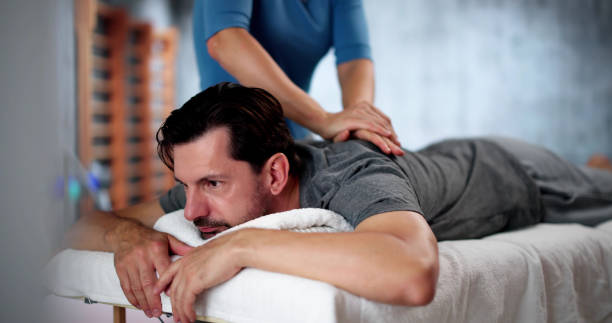
Stress impacts your body in ways you might not expect. Let’s explore how it ties to muscle tension, sleep, and pain.

Stress and Muscle Tension Explained

When you feel stressed, your body reacts by tensing muscles. This is your body’s way of protecting itself from injury. But if you’re constantly stressed, your muscles may stay tight, leading to pain. It’s like a rubber band that’s been stretched too long: over time, it loses elasticity. Stress affects your body in a similar way, causing persistent discomfort.

Research shows that chronic stress can lead to ongoing muscle tension. This study explains that regular stress can cause inflammation and pain in your muscles, leaving you feeling sore and tight. Understanding this connection is the first step to relief.

How Stress Affects Sleep

Stress doesn’t just mess with your muscles. It can also keep you up at night. When your mind is racing, it’s hard to fall asleep. You might find yourself tossing and turning, unable to relax. Sleep is your body’s time to recover, so when it’s interrupted, your muscles don’t get the chance to heal.

A lack of sleep can leave you feeling tired and irritable, and it can also make muscle pain worse. According to this article, stress is a major cause of sleep problems, linking poor sleep to increased tension.

The Vicious Cycle of Poor Sleep and Muscle Pain

If you’re stuck in this cycle, you’re not alone. Stress leads to muscle tension, which causes pain, and pain makes it hard to get good sleep. Without sleep, your body can’t recover, leading to more tension and pain. It’s a loop that can feel impossible to break.

This cycle can be frustrating, but recognising it is the first step towards a solution. Most people think they just need more sleep, but it’s about breaking the cycle at its source. Now, let’s look at how you can take steps to change this pattern.

Breaking the Cycle
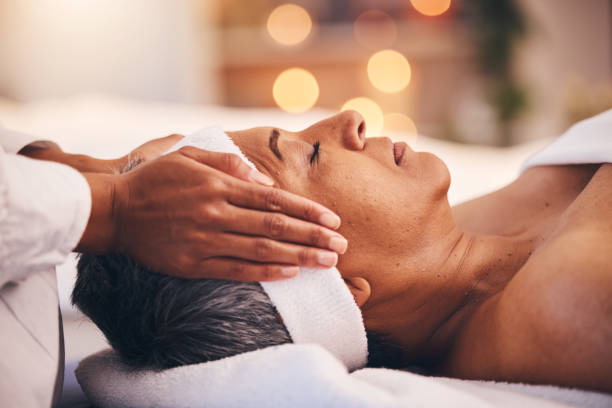
To break free from stress, tension, and poor sleep, you’ll need practical strategies. Let’s dive into some methods to help you sleep better and manage stress.

Effective Sleep Hygiene Tips UK

Good sleep hygiene is crucial for breaking the cycle. Start by setting a regular sleep schedule. Go to bed and wake up at the same time every day, even on weekends. This helps regulate your body’s internal clock. Create a bedtime routine that helps you relax. This could include reading a book or taking a warm bath. Make sure your bedroom is dark, quiet, and cool.

Avoid screens before bed, as the blue light can interfere with your sleep. Instead, try gentle stretching or deep breathing exercises to calm your mind and body. These habits can improve your sleep quality, helping your muscles to recover overnight. Consistency is key: make these practices part of your daily routine for the best results.

Techniques for Nervous System Regulation

Regulating your nervous system can reduce stress and tension. Try deep breathing exercises: breathe in slowly through your nose, hold for a few seconds, and exhale through your mouth. Repeat for a few minutes. This helps calm your mind and relax your muscles.

Yoga and tai chi are also excellent for stress relief. These practices combine movement with deep breathing, promoting relaxation. Regular practice can help you feel more grounded and less reactive to stress.

Don’t forget the power of nature. Spend time outside, whether it’s a walk in the park or gardening. Nature has a calming effect on the mind and body, helping to ease tension and improve your mood.

Benefits of Sports Massage Oxfordshire and Cotswolds

Sports massage is an effective way to release muscle tension. It targets specific areas of pain and helps increase blood flow, accelerating recovery. In Oxfordshire and the Cotswolds, sports massage can provide relief from stress-related tension.

A massage therapist can identify problem areas and use techniques to reduce pain and improve mobility. Many clients report feeling more relaxed and less tense after a session. It’s not just about relaxation; it’s about improving your overall well-being.

Massage can also enhance your performance in activities, making it a valuable tool for athletes and active individuals. By investing in regular massage therapy, you can keep tension at bay and support your body’s recovery process.

Holistic Health Solutions in Oxfordshire

Exploring holistic options can offer more comprehensive relief. Here’s how acupuncture, myofascial release, and lifestyle coaching can help.

Acupuncture for Stress Relief

Acupuncture is an ancient practice that can help reduce stress and tension. By inserting thin needles into specific points on the body, acupuncture helps balance your energy. This can lead to a reduction in stress and a feeling of relaxation.

Many people find acupuncture to be a powerful way to manage stress and improve sleep. The process can help your body release natural painkillers, providing relief from muscle pain. If you’re seeking a holistic approach to stress relief, acupuncture might be worth exploring.

Myofascial Release Oxfordshire Explained

Myofascial release is a technique used to treat muscle pain. It involves applying gentle, sustained pressure to the connective tissues (fascia) that surround muscles. This helps to release tension and improve mobility.

In Oxfordshire, myofascial release is becoming increasingly popular for those with chronic pain. It’s a gentle yet effective way to ease tension and promote healing. If you’re struggling with tight muscles, this technique might offer the relief you need.

Lifestyle Coaching for Stress Management

Lifestyle coaching provides personalised strategies to manage stress. A coach can help you identify stressors and develop a plan to address them. This could include changes to your diet, exercise routine, and sleep habits.

In Oxfordshire, lifestyle coaching is part of a holistic approach to wellness. It’s about creating sustainable changes that lead to a healthier, happier life. By working with a coach, you can gain the tools you need to manage stress and improve your well-being.

By incorporating these strategies, you can break the cycle of stress, poor sleep, and muscle tension. Remember, the journey to wellness is a personal one: find what works best for you.
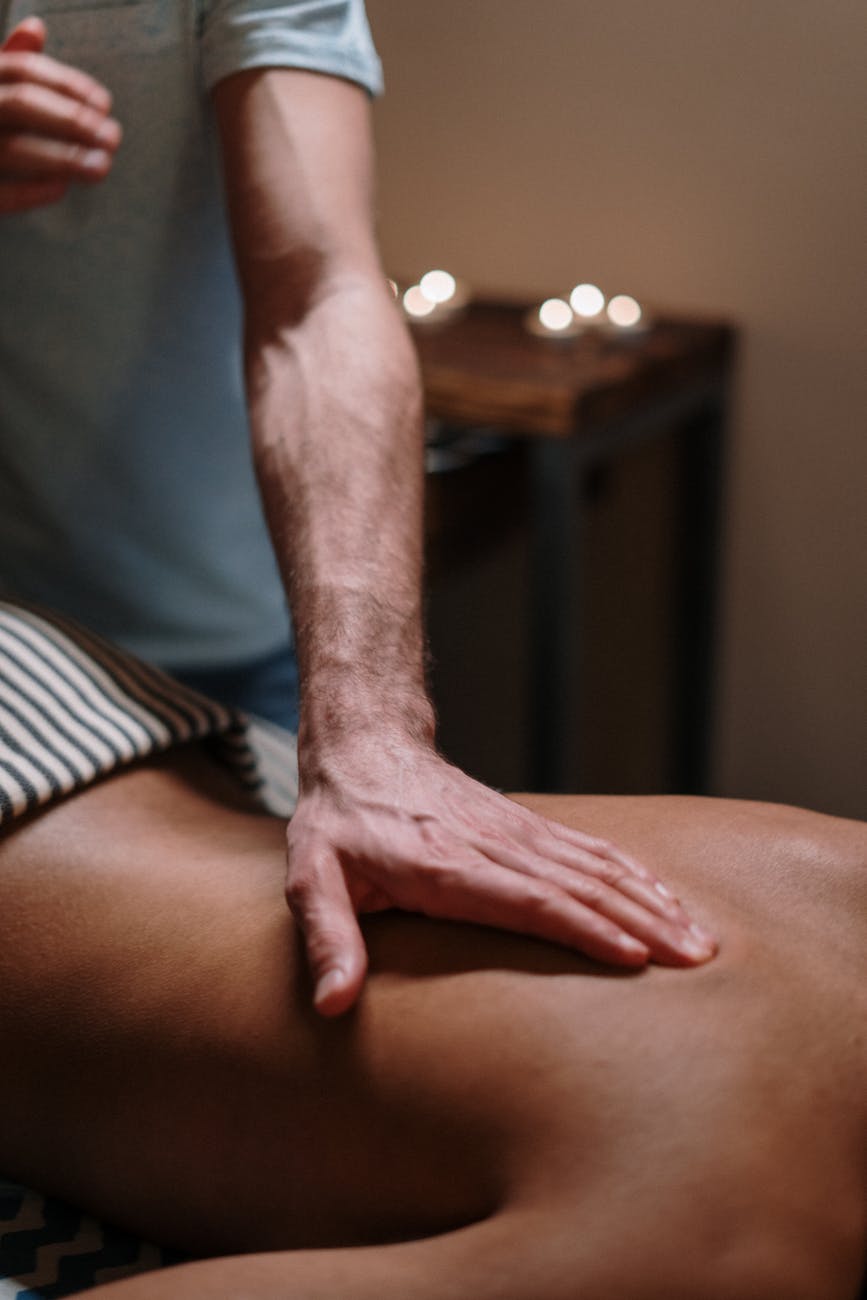
Click to discover more

How sports massage supports injury recovery and helps prevent future niggles

How sports massage supports injury recovery and helps prevent future niggles

Injuries can slow you down and keep you from the activities you love. Sports massage in Oxfordshire offers more than just relief—it speeds up injury recovery and helps stop those niggles from coming back. At The Bodywright, we tailor every treatment to your needs, blending hands-on care with practical advice to restore your movement and build lasting strength. Ready to feel stronger and pain-free? Keep reading to see how sports massage can support your recovery and prevent future setbacks.

The Role of Sports Massage in Recovery

Sports massage plays a vital role in helping your body recover from injuries. It doesn’t just provide relief; it facilitates faster recovery and helps prevent future issues. Let’s delve into how it achieves this.

Speeding Up Injury Recovery

The key to speedy recovery lies in improving circulation. Enhanced blood flow delivers more oxygen and nutrients to affected areas. This accelerates healing and reduces recovery time. By focusing on specific muscle groups, sports massage targets the exact points where your body needs the most help.

Imagine having a sprinter’s hamstring strain. The massage focuses on the hamstring, ensuring fresh blood reaches the damaged tissues. This not only helps repair the muscles but also aids in reducing inflammation and swelling. You’ll be back on your feet quicker than you thought possible.

Restoring Mobility and Flexibility

Injury often leads to stiffness. Sports massage addresses this by loosening tight muscles and breaking down scar tissue. This is crucial for restoring your movement. A flexible body is less prone to injuries, allowing you to return to your favourite activities with confidence.

Think of it as oiling a rusty door hinge. The massage makes your body more pliable, improving your range of motion. You’ll notice a significant difference the next time you stretch or bend. A great example is how it helps with shoulder pain, making overhead movements smoother and pain-free.

Reducing the Risk of Reinjury

Preventing future injuries is just as important as healing the current one. Regular sports massage contributes to this by improving muscle tone and balance. It helps identify potential problem areas before they become serious.

Consider this: if you often experience knee pain while running, sports massage can help assess and adjust imbalances. This proactive approach reduces the likelihood of reinjury, keeping you on track with your fitness goals. You won’t just feel better; you’ll move better too.

Techniques for Effective Massage

Various techniques make sports massage effective. Each method serves a unique purpose, ensuring comprehensive care for your body. Here are some popular ones.

Myofascial Release and Trigger Point Therapy

These techniques target the connective tissue and knots in your muscles. They are vital for releasing tension and restoring normal function. Myofascial release focuses on loosening the fascia, while trigger point therapy zeroes in on specific tight spots.

Consider a common issue like tennis elbow. Trigger point therapy can significantly reduce pain by releasing the knots in your forearm muscles. Myofascial release complements this by improving the overall flexibility of your arm.

Soft Tissue Therapy for Pain Relief

Soft tissue therapy is all about gentle manipulation. It alleviates pain and reduces muscle tension. This method is particularly effective for conditions like back pain relief, providing a soothing and therapeutic experience.

If you’re suffering from sciatica support, soft tissue therapy can ease the discomfort by relaxing the muscles around the lower back and hips. The relief is often immediate, allowing for a more comfortable lifestyle.

Targeted Approaches for Common Injuries

Every injury is unique, requiring a tailored approach. Targeted massage techniques address specific problems, ensuring focused and effective treatment. Whether it’s a hamstring strain or IT band syndrome, a personalised plan is crucial.

For those dealing with plantar fasciitis, for instance, targeted techniques can alleviate pain in the foot and heel. This specialised care not only treats the current issue but also strengthens the area to prevent future occurrences.

Beyond Massage: A Holistic Approach

Sports massage is just one part of a broader strategy for health and wellness. A holistic approach incorporates additional therapies and lifestyle changes for better outcomes.

Integrating Acupuncture and Rehab Programmes

Acupuncture complements sports massage by enhancing the body’s natural healing processes. When combined with structured rehab programmes, it provides a comprehensive path to recovery.

Imagine pairing massage with acupuncture Oxfordshire services. This dual approach can accelerate healing and improve overall wellbeing. It allows you to address both the symptoms and the underlying causes of your discomfort.

Lifestyle Coaching for Long-term Wellness

Lifestyle coaching focuses on sustainable health improvements. By guiding you on nutrition, stress management, and sleep habits, it equips you with tools for long-term wellness.

Picture having access to holistic health coaching. You’ll receive personalised advice that integrates seamlessly into your daily life. This support helps ensure that you don’t just recover but thrive in your overall health journey.

Strength and Conditioning in Oxfordshire

Strength and conditioning are essential for building resilience. These programmes enhance your physical capabilities, reducing the risk of future injuries.

Consider joining strength and conditioning Oxfordshire sessions. They offer tailored exercises that align with your recovery goals. This proactive approach strengthens your body, making it more resistant to stress and strain.

In conclusion, sports massage offers comprehensive benefits for injury recovery and prevention. By incorporating techniques and holistic strategies, you can achieve lasting wellness. Remember, the longer you wait, the more challenging your recovery might become. Take action today and pave the way for a healthier, pain-free life.

Click to discover more

What to Expect from Your Personalised Pain Relief and Mobility Programme

What to Expect from Your Personalised Pain Relief and Mobility Programme

Pain doesn’t have to control your life. At The Bodywright, our personalised pain relief programme is designed to target your unique needs, helping you move with less discomfort and more confidence. From thorough assessments to tailored treatments and lifestyle coaching, you’ll see how every step works together to ease pain and improve mobility. Keep reading to find out exactly what to expect from your programme and how it can support your journey to feeling better.

Comprehensive Assessment Process

Understanding your pain is the first step to relief. Our detailed assessments form the foundation of your personalised plan.

Uncovering Pain Triggers and History

Your pain has a story, and we’re here to listen. We start by exploring your pain’s history and triggers. This means asking about past injuries, lifestyle habits, and any treatments you’ve tried before. It’s a thorough discussion, so feel free to share every detail. This helps us understand the root cause of your discomfort. Our aim is to get a clear picture of what your body has been through. Once we identify these factors, we can target them effectively. Most people think pain is just part of getting older, but often, it’s about understanding and addressing these triggers.

Movement Screening and Posture Analysis

Next, we focus on how your body moves. We conduct a movement screening to spot any imbalances or weaknesses. Watching you move helps us see where your body might be compensating for pain. We also check your posture since it can greatly impact how you feel day-to-day. Why bother with all this? Because your body’s movements often hold the key to understanding your pain. A slight adjustment in how you stand or sit could make a big difference. With this knowledge, we can start crafting a plan that addresses your unique needs.

Goal Setting for Your Lifestyle

Goals keep you motivated. Together, we’ll set realistic ones to guide your journey. Whether you want to return to a sport or simply enjoy daily activities without pain, your goals matter. We’ll consider your lifestyle and what you want to achieve. This part is all about you: your aspirations, your timeline, and your commitment. Your goals help us create a plan that fits seamlessly into your life. Think of this as your roadmap to wellness, tailored just for you.

Personalised Treatment and Support

Now that we understand your needs, it’s time to take action. Our treatment plans are as unique as you are.

Hands-on Therapies for Relief

Our hands-on therapies are designed to bring immediate relief. We use techniques like sports massage, which targets specific areas of tension and discomfort. This isn’t just about feeling good; it’s about promoting healing and improving your mobility. If you’ve ever had a massage, you’ll know how soothing it can be. But our sessions go beyond relaxation. They’re strategic, focusing on areas that need it most. With regular sessions, you’ll notice a reduction in pain and an increase in movement freedom.

Targeted Exercise Plans

Exercise tailored to your needs helps restore strength and function. Your plan will include exercises that support your unique body mechanics. Forget generic routines; these exercises are designed for you. They’ll help you build resilience and prevent future injuries. We’ll guide you through each step so you feel confident and supported. Regular movement is crucial for your recovery, and with the right plan, you’ll see progress. Think stronger muscles, better balance, and a boost in overall well-being.

Lifestyle Coaching Essentials

Pain relief isn’t just physical. Lifestyle changes can play a huge role in how you feel. Our coaching covers aspects like nutrition, sleep, and stress management. Small tweaks in these areas can lead to significant improvements. For instance, better sleep can enhance recovery, while the right nutrition supports healing. We provide you with the tools and knowledge to make these positive changes. By looking at the bigger picture, we ensure every part of your life contributes to your wellness.

Monitoring and Progression

Your journey doesn’t end once the plan is in place. Monitoring your progress is key to long-term success.

Regular Reviews and Reassessments

We keep track of your progress with regular reviews. These sessions allow us to see what’s working and where we might need to adjust your plan. Your feedback is invaluable here. It’s a collaborative process, ensuring your plan evolves with you. Many think once a programme is set, it’s fixed. But that’s not the case. Your needs can change, and we’re here to adapt as you do. Regular check-ins help keep us on track towards your goals.

Home Plan for Daily Routines

Alongside in-clinic sessions, you’ll have a home plan. This plan is simple, focusing on daily routines that support your recovery. Think of it as your homework: small tasks that make big differences over time. Consistency is key, so we make sure these routines fit easily into your life. Engaging in these activities regularly bolsters the work we do together and enhances the effectiveness of your treatment.

Ongoing Support and Coordination

You’re never alone on this journey. Our team provides continuous support, always ready to answer questions or offer advice. We coordinate with other health professionals if required, ensuring a cohesive approach. This network of support helps you stay motivated and informed. The longer you wait to take these steps, the longer pain can hold you back. With our guidance, you’ll have a partner every step of the way, focused on your well-being.

Embarking on a personalised pain relief and mobility programme can transform your life. By addressing your unique needs, The Bodywright ensures you experience meaningful improvements, empowering you to live with renewed freedom and confidence.

Click to discover more

Sleep, Stress and Recovery: The Missing Links in Ongoing Muscle Pain

Sleep, Stress and Recovery: The Missing Links in Ongoing Muscle Pain

Poor sleep and unrelenting stress don’t just sap your energy—they make muscle pain worse. When your body can’t recover properly, aches in your back, neck, or shoulders stick around longer than they should. At The Bodywright, we focus on how sleep quality for recovery and stress and pain sensitivity connect, offering clear strategies that help you heal and move freely again. Ready to find out what really makes a difference? Learn more here.

The Impact of Sleep on Muscle Pain

Understanding how sleep influences muscle pain is essential for recovery. When your body rests well, it repairs itself more effectively. This section explores how sleep quality impacts recovery and why it’s crucial for managing muscle pain.

Sleep Quality for Recovery

Quality sleep is vital for repairing muscles. When you sleep well, your muscles get the rest they need to heal. During deep sleep, your body releases growth hormones that aid in tissue repair. If you’re tossing and turning, your body misses this critical healing time. This leads to prolonged pain and discomfort.

Most people think they can catch up on sleep later, but consistent rest is key. Aiming for 7-9 hours of sleep nightly can make a significant difference. Try setting a regular bedtime to help your body get into a restful routine. Sleep hygiene, like a comfortable mattress and a dark room, also plays a role in improving sleep quality.

Sleep and Muscle Pain Connection

Poor sleep can increase muscle pain sensitivity. When you’re tired, your pain threshold lowers, making aches feel worse. This is due to your body’s stress response kicking in when it’s sleep-deprived. Research shows that even one night of poor sleep can amplify pain, affecting your ability to perform daily tasks comfortably.

Consider this: you might notice your neck and shoulders ache more after a restless night. This isn’t just coincidence. Your body’s inability to rest properly worsens the tension, prolonging the discomfort. Here’s a study on the topic.

Sleep Hygiene UK Tips

Improving your sleep hygiene can be simple with a few adjustments. Start by creating a bedtime routine. Wind down with a book or relaxing music to signal to your body that it’s time to sleep. Keep your bedroom cool and dark to create an ideal sleeping environment.

Avoid screens an hour before bed as the blue light can disrupt your sleep cycle. Caffeine and heavy meals close to bedtime can also interfere with your sleep. Try these tips and notice how better sleep can lead to less muscle pain.

Stress and Its Effect on Pain

Stress can significantly impact your perception of pain. The body’s stress response is tightly linked to how we experience discomfort. This section will help you understand the connection and find ways to reduce stress for pain relief.

Understanding Stress and Pain Sensitivity

Stress increases your sensitivity to pain. When stressed, your body releases hormones that heighten your pain perception. This means that even minor aches can feel more intense. For someone dealing with chronic pain, stress can make everyday tasks feel overwhelming.

The cycle of stress and pain is tough to break. Most people think stress only affects their mood, but it plays a big role in physical discomfort too. Recognising this connection is the first step to managing both stress and pain effectively.

Cortisol and Muscle Tension

Cortisol, a hormone released during stress, causes muscle tension. This tension can lead to stiffness and soreness, especially in the neck and shoulders. Over time, chronic stress keeps cortisol levels high, preventing muscles from relaxing fully.

Imagine having tight shoulders after a long day at work. It’s not just the tasks you did; it’s also the stress from those tasks causing your muscles to tighten. Reducing cortisol through relaxation techniques can ease this tension and help you feel more comfortable.

Simple Stress Reduction Strategies

Reducing stress doesn’t have to be complicated. Start with deep breathing exercises. Taking slow, deep breaths can help lower your heart rate and relax muscles. Incorporating short walks into your day can also help. Movement reduces stress and improves mood.

Another simple tactic is mindfulness. Taking a few minutes each day to focus on your breathing can decrease stress significantly. These small changes can lead to a big difference in how you perceive pain.

Effective Recovery Strategies

Effective recovery involves more than just rest. It’s about using the right strategies to support muscle healing and prevent further injury. Here, we cover practical tips you can use to enhance your recovery process.

Active Recovery Tips

Active recovery means engaging in low-intensity activities to aid muscle healing. Activities like walking, yoga, or gentle stretching can improve circulation and reduce muscle soreness. This keeps your body moving without the strain of intense exercise.

Most people think rest means doing nothing, but active recovery can be more beneficial. It helps in flushing out toxins and delivering nutrients to muscles. Try incorporating these gentle activities on your rest days for better recovery.

Overtraining and Recovery

Overtraining can hinder recovery and lead to injuries. It’s crucial to balance intense workouts with proper rest to allow muscles to repair. Signs of overtraining include persistent soreness and fatigue.

If you’re feeling constantly tired and in pain, it might be time to reassess your workout routine. Listen to your body and allow enough time for recovery. This balance will help you avoid setbacks and improve your overall performance.

Recovery Strategies for Athletes

Athletes require tailored recovery strategies to perform at their best. Aside from physical rest, athletes benefit from therapies like sports massage and acupuncture. These techniques can reduce muscle tension and improve flexibility.

Consider adding these sessions to your routine if you’re training hard. They can significantly enhance your recovery and prevent injuries. At The Bodywright, we offer tailored programmes that combine these methods for optimal results.

By understanding the roles of sleep, stress, and recovery in muscle pain, you can take control of your healing journey. Try these strategies and see the difference they make in your comfort and performance. Remember, a well-rested body is a pain-free body.

Click to discover more

Why pain keeps returning after massage: the missing piece most people overlook

Why pain keeps returning after massage: the missing piece most people overlook

Recurring pain after massage frustrates many who expect lasting relief. You might feel better for a short time, only for that ache to creep back again. The missing piece often lies beyond the massage table—how your body moves, carries load, and copes with daily habits. At The Bodywright, we combine assessment, movement retraining, and lifestyle coaching to tackle the root cause, not just the symptom. Ready to break this cycle? Read on to find out how lasting relief is possible. For more insights, check out this source.

Understanding Recurring Pain

When you leave a massage feeling relaxed, it’s disheartening when pain returns soon after. This is a common experience, but understanding the reasons behind it can help you find lasting relief.

Why Pain Returns After Massage

Massages provide temporary relief by loosening tight muscles and improving circulation. However, they don’t always address the root causes of pain, meaning the discomfort can resurface. Often, persistent pain is linked to how your body moves and maintains posture. For instance, if you have poor posture while sitting at a desk all day, muscle tension can quickly return, undoing the benefits of the massage.

It’s also important to consider other factors like stress levels and overall physical health. Stress can cause muscle tension, and if your body isn’t supported by good nutrition and exercise, pain can become a recurring issue. To delve deeper into this topic, this article provides some useful insights.

Hidden Causes of Persistent Pain

There are often underlying issues that contribute to ongoing pain. These can include old injuries that haven’t healed properly, or muscular imbalances caused by repetitive movements or poor ergonomics. For example, if one side of your body is stronger than the other, this imbalance can lead to strain and discomfort.

Muscles and joints can also suffer from wear and tear over time, especially if not properly managed with regular exercise and stretching. Additionally, emotional stress can manifest physically, leading to chronic pain. Many people are unaware of these hidden causes, which is why addressing them can make a significant difference. Want to learn more? Check out this source for further details.

The Role of Lifestyle Factors

Lifestyle factors such as diet, sleep, and stress management play a significant role in how your body feels post-massage. Poor nutrition can lead to inflammation, while lack of sleep can increase pain sensitivity. Stress can exacerbate tension and discomfort. Without addressing these factors, even the best massages can offer only temporary relief.

It’s essential to incorporate healthy habits into your routine to support your body’s recovery and maintain balance. This includes regular physical activity, balanced nutrition, and effective stress reduction techniques. Understanding the role of these factors can empower you to take control of your health and achieve long-term relief. For more on this, visit this link.

Holistic Approach to Pain Relief

To truly move past recurring pain, consider a holistic approach. This involves not just treating symptoms but also addressing the underlying causes through various strategies.

Movement Assessment and Retraining

A movement assessment identifies dysfunctional movement patterns that contribute to pain. By retraining these patterns, you can reduce strain on muscles and joints, enhancing your body’s efficiency. This process involves exercises tailored to your specific needs, helping you move better and experience less pain.

Imagine having a tailored plan that targets your unique movement challenges. This proactive approach can prevent future discomfort and improve overall function. Curious to see how this works? Our movement assessment offers a deeper dive into this method.

Load Management Strategies

Managing the load your body carries is crucial for preventing pain. This involves understanding how much physical activity your body can handle and adjusting accordingly. Overloading your body can lead to injury and pain, while underloading can cause weakness and stiffness.

Implementing load management strategies can include altering your exercise routines or adjusting daily activities to ensure your body operates within its limits. By finding the right balance, you can build strength without overexerting yourself, helping to prevent pain from returning.

Lifestyle Coaching for Long-Term Relief

Lifestyle coaching offers guidance on integrating healthy habits into your daily life. This includes advice on nutrition, stress management, and sleep hygiene. By addressing these areas, you can support your body’s healing processes and maintain the benefits of massage therapy.

Through personalised coaching, you are equipped with tools and strategies to sustain a pain-free lifestyle. This comprehensive approach ensures you not only find relief but also enjoy improved health and wellbeing.

Comprehensive Treatment Solutions

By adopting a comprehensive approach, you can address the root causes of pain and enjoy long-lasting relief.

Tailored Rehab Programmes

A rehab programme designed specifically for you considers your unique needs and health goals. These programmes focus on rehabilitation exercises that enhance flexibility, strength, and endurance. They are particularly beneficial for those recovering from sports injuries or dealing with chronic pain.

Programs like these ensure you receive targeted care, which can speed up recovery and prevent future problems. This tailored attention helps you achieve your health goals efficiently.

Integrative Lifestyle Coaching

Integrative coaching combines various health strategies, offering a balanced approach to wellness. This includes nutrition advice, stress management techniques, and exercise recommendations. By integrating these elements, you can support your body’s natural healing processes.

With the right guidance, you can create a sustainable lifestyle that promotes health and prevents pain. This holistic approach ensures you’re not just treating symptoms but also building a foundation for lasting wellness.

Booking Your Assessment: What to Expect

When you book an assessment with The Bodywright, you begin a journey towards understanding and addressing the true causes of your pain. The assessment includes a comprehensive evaluation of your movement patterns, lifestyle, and health history. This thorough analysis helps create a personalised plan designed to meet your specific needs.

During this assessment, you’ll receive expert advice and practical solutions, empowering you to take control of your health. Ready to start your journey to pain-free living? Contact us to book your assessment today. The sooner you start, the sooner you can enjoy lasting relief.

Click to discover more

Muscle Tightness vs Protective Tension: What Your Body Is Telling You (and When to Get Help)

Muscle Tightness vs Protective Tension: What Your Body Is Telling You (and When to Get Help)

Muscle tightness feels familiar, but protective tension is your body’s urgent signal. Knowing the difference can stop pain from taking over your day or derailing your recovery. In this post, you’ll learn simple ways to spot whether your muscles need a break or professional care. Understanding muscle tightness vs protective tension could change how you manage back or neck pain in Oxfordshire and the Cotswolds for good. For more insights into this topic, you might find this article helpful.

Understanding Muscle Tightness

Getting to grips with muscle tightness is crucial for managing discomfort effectively. Let’s start by distinguishing between everyday tightness and protective tension.

Everyday Muscle Tightness Explained

Muscle tightness is something most people experience at some point. It’s that familiar stiff feeling you get after sitting too long or maybe after a workout. This type of tightness usually comes from overuse or lack of movement. Your muscle fibres contract and shorten, causing that tense sensation.

Think about the last time you felt sore after a long day. This discomfort is common when you push your muscles a bit harder than usual. What can you do? Stretching can help, as well as gentle movement. Daily activities like walking or a bit of stretching can keep tightness at bay. But, if tightness persists, it might need more attention.

Protective Muscle Tension Defined

Protective tension, on the other hand, is your body’s way of saying something isn’t right. It’s the kind of tension that happens when your body feels threatened by potential injury. Your muscles contract to protect an area that might be vulnerable.

Unlike regular tightness, protective tension can signal a deeper issue. Perhaps it’s related to an old injury or something more serious. It’s essential to listen to your body. If this tension is persistent or accompanied by pain, it might be time to consider professional care.

For a deeper understanding of how protective tension works, check out this detailed explanation.

When Tightness Becomes a Concern

It’s normal to feel tightness now and then, but when should you be worried? If muscle tightness leads to pain or limits your daily activities, it becomes a concern. Sometimes, it can indicate a different problem, like nerve tension or joint issues.

When tightness doesn’t go away with rest or basic stretches, it might be time to look deeper. Don’t ignore your body’s signals. Getting help early can prevent more serious issues.

To learn more about differentiating muscle tightness from nerve tension, visit this bendy blog.

Self-Checks and Solutions

Now that you know more about muscle tension, let’s explore what you can do about it. Simple self-checks and safe strategies can make a big difference.

Simple Self-Checks for Tension

Checking your own tension levels can guide your next steps. Start by feeling your muscles. Is there a specific area that feels more tight than others? Gentle pressure can help reveal if an area needs attention.

Try moving around. Are there any movements that feel restricted or painful? This can indicate protective tension. Assess all areas, not just the ones that hurt. Full body checks can reveal patterns you might not notice otherwise.

Safe Steps to Alleviate Tightness

If you’re dealing with everyday tightness, simple remedies can bring relief. Gentle stretches are a great start. Focus on smooth, slow movements that ease tension without causing pain. Stretching regularly can prevent tightness from recurring.

Hydration is another key factor. Drinking enough water helps keep your muscles supple. Don’t forget the importance of rest. Giving your body time to recover is crucial. And remember, if tightness persists, it might be time to seek more help.

When to Seek Professional Help

Sometimes, self-care isn’t enough. If tightness is persistent or worsening, professional help is crucial. Pain that doesn’t improve with rest or home remedies is a clear sign to consult an expert.

A professional can assess your situation and recommend a tailored approach. This might include a sports massage, acupuncture, or lifestyle adjustments. Don’t wait for things to get worse; early intervention can prevent long-term issues.

For more insights on chronic tension management, this article offers valuable information.

Professional Help and Recovery

Exploring professional solutions can pave the way for effective recovery and long-term wellbeing.

Tailored Recovery Programmes

At The Bodywright, we understand that each individual’s needs are unique. Our tailored recovery programmes are designed to address specific issues, whether it be back pain relief in Oxfordshire or neck pain treatment in the Cotswolds. We combine various techniques like sports massage and acupuncture to craft a plan that suits you.

Our programmes focus on improving your mobility and providing lasting pain relief. They’re not just about treatment; they also aim at preventing future problems by enhancing your overall health and well-being.

Booking an Assessment with The Bodywright

If you’re ready to address your muscle tension, booking an assessment is the first step. Our experienced practitioners will evaluate your condition thoroughly. This allows us to create a personalised strategy that aligns with your goals.

Whether it’s injury rehabilitation or lifestyle and nutrition coaching, we offer comprehensive support. Our aim is to help you achieve a pain-free life and optimal health.

Benefits of Holistic Health Guidance

Choosing a holistic approach means looking at the bigger picture. It’s not just about treating symptoms but understanding the root causes. Our guidance covers aspects like posture, biomechanics, and stress management for pain.

By focusing on these areas, we empower you to make informed choices about your health. You’ll gain insights into maintaining wellness beyond our sessions. This holistic view ensures you don’t just recover but thrive.

In conclusion, understanding the difference between muscle tightness and protective tension is key to managing your health. By taking proactive steps and seeking professional help when needed, you can enjoy a life free from unnecessary pain. The Bodywright is here to guide you on your path to recovery and wellness.

Click to discover more

What to Expect from a Personalised Massage and Wellness Plan at The Bodywright

What to Expect from a Personalised Massage and Wellness Plan at The Bodywright

Pain can take over your life without warning. When back or neck discomfort limits your day, or a sports injury stalls your progress, a one-size-fits-all approach won’t cut it. At The Bodywright, our personalised massage Oxfordshire clients trust begins with a detailed assessment that shapes a plan just for you. Ready to see how targeted care can ease your pain and restore your movement? Learn more here.

Understanding Personalised Massage Plans

When it comes to addressing pain or injury, a personalised approach can make all the difference. At The Bodywright, we start with a thorough assessment to create a plan that fits your unique needs. Let’s dive into what you can expect.

Initial Assessment and Consultation

Before any treatment begins, it’s important to understand what your body specifically needs. During your initial consultation, we take the time to listen to your concerns. This isn’t a rushed process. We conduct a detailed Musculoskeletal (MSK) screening to pinpoint the root causes of your pain. You might wonder, “Why is this step so crucial?” A proper assessment ensures that the treatment targets the real problem, not just the symptoms. Most people think a quick massage is enough, but knowing your body’s specific needs is the key to long-term relief.

Designing a Tailored Programme

Once we understand your needs, we craft a bespoke programme just for you. This isn’t a generic plan. We focus on the areas that need attention, whether it’s your back, neck, or any sports-related issue. We often hear “Why can’t I just follow a standard routine?” Because your body deserves a solution that adapts to your life, not the other way around. Our tailored approach ensures that every session directly contributes to your recovery and well-being.

Tracking Progress and Adjustments

Your body changes as it heals, and your plan should too. We track your progress closely, making necessary adjustments along the way. This step is vital to ensure your treatment remains effective. Imagine the relief of knowing your plan evolves with your healing process. You’ll notice improvements in mobility and less discomfort as we tweak your programme. The longer you wait to address these changes, the more you risk stalling your recovery.

Techniques and Therapies Explained

The Bodywright offers a range of techniques designed to support your recovery and overall wellness. Each method has unique benefits that contribute to your personalised plan. Let’s explore them.

Sports and Remedial Massage

Sports massage isn’t just for athletes. It’s for anyone looking to relieve tension and enhance performance. This massage targets deep tissue layers to alleviate chronic pain and prevent future injuries. Wondering if it’s right for you? Consider this: even if you’re not a sports enthusiast, this treatment can help with everyday aches. It’s about more than relaxation; it’s about getting you back to your best self.

Benefits of Acupuncture

Acupuncture is a holistic therapy that complements massage perfectly. By stimulating specific points on the body, it can reduce pain and promote healing. Some people are sceptical about needles, but they are a time-tested tool for pain relief. The benefits include improved energy flow and reduced tension. For those dealing with chronic pain, this method can offer a new lease on life.

Targeted Rehabilitation and Strength Work

Rehabilitation isn’t just about recovery; it’s about building a stronger you. Our targeted exercises focus on enhancing your strength and preventing future injuries. Whether you’re recovering from surgery or just looking to strengthen your body, this approach is key. It’s not just about the here and now but setting you up for future success.

Achieving Pain-Free Living

Living without pain is possible with the right strategies. At The Bodywright, we equip you with tools to maintain your wellness beyond our sessions.

Lifestyle and Nutrition Coaching

What you eat and how you live play big roles in your recovery. Our coaching helps you understand the link between nutrition and pain relief. It’s not just about diet changes; it’s about creating a lifestyle that supports your health goals. Most people overlook this aspect, but nutritious choices can enhance your body’s healing capabilities.

Mobility Improvement Strategies

Improving your mobility is essential for a pain-free life. We provide strategies that help you move better and feel more flexible. Whether it’s through specific exercises or daily adjustments, these methods are designed to fit seamlessly into your life. You might think you’re too busy, but small adjustments can lead to significant improvements.

Building Lasting Resilience

Finally, building resilience ensures that the benefits of your programme last. We teach techniques that fortify your body against future challenges. You’ll learn how to maintain your gains and continue improving. Many believe that once pain is gone, the journey ends, but true resilience is about ongoing strength and well-being.

Ready to start your personalised programme and move toward a pain-free life? Explore the possibilities with The Bodywright and see how tailored care can change your health journey.

Click to discover more

How Sports Massage Supports Recovery Without Slowing You Down

How Sports Massage Supports Recovery Without Slowing You Down

Sports massage in Oxfordshire isn’t just a luxury—it’s a smart step to keep your training on track. When niggles or aches creep in, slowing down feels like the only option. But targeted sports massage supports recovery without forcing you off your feet. In this post, you’ll learn how The Bodywright’s tailored approach helps you bounce back faster, stay active, and protect your progress. Ready to find out how to keep moving without the setbacks? Learn more about the benefits of sports massage for recovery here.

Benefits of Sports Massage

Feeling sore after a workout or training session is common. But did you know that sports massage can be a game-changer in helping you recover faster without taking a break from your routine? Let’s explore how it can be your secret weapon.

Speeding Recovery Without Delay

When you push your body to its limits, muscle soreness can follow. But what if you could reduce that soreness without missing out on your favourite activities? Sports massage promotes quicker recovery by increasing blood flow. This heightened circulation helps flush out toxins and deliver nutrients to muscles more effectively. Imagine leaving a session feeling revitalised and ready to take on your next challenge.

Instead of limping around for days, you can experience reduced muscle tension and a faster return to action. You might think that rest is the only solution after intense activity. However, incorporating regular sports massage into your routine can help maintain your momentum and keep you on the move.

Protecting Training Momentum

Every athlete knows the frustration of a disrupted training schedule. Missing sessions can feel defeating. But with sports massage, you can safeguard your progress. By addressing minor aches before they become major issues, you get to stick to your plan. The targeted techniques used in sports massage release muscle tightness, preventing small problems from escalating.

This proactive approach helps you maintain the consistency essential for improvement. Think of it as the maintenance your body needs to perform at its best. By keeping injuries at bay, sports massage ensures that you’re always ready for your next big event or personal best attempt.

Seamless Fit into Busy Lives

Balancing work, life, and fitness can be a juggling act. How do you fit in something extra like a sports massage? The answer lies in its efficiency. Each session is designed to maximise benefits in a short amount of time, making it easy to integrate into your routine.

Whether you’re an early riser or prefer evening sessions, there’s flexibility to suit every schedule. Most people assume they don’t have time for extras, but sports massage can be the quick and effective solution you didn’t know you needed. Prioritise a session, and you’ll likely find yourself more energised and less prone to injury, which ultimately saves time in the long run.

Techniques for Effective Recovery

Now that you know the benefits, it’s time to delve into the techniques that make sports massage so effective. These methods are tailored to meet your specific needs, ensuring optimal recovery and performance.

Myofascial Release and Trigger Point Therapy

Muscle stiffness and knots can be persistent issues for many athletes. Myofascial release targets these areas by applying gentle pressure to the fascia, the connective tissue surrounding muscles. This technique helps release restrictions, improving flexibility and reducing pain.

Trigger point therapy focuses on specific tight spots within muscles, known as trigger points. By applying focused pressure, it alleviates tension and restores muscle function. This combination of techniques offers a comprehensive approach to addressing muscle tightness and improving overall movement quality.

Joint Mobilisation and DOMS Relief

After intense training, the last thing you want is to be sidelined by delayed onset muscle soreness (DOMS). Joint mobilisation helps keep joints flexible by gently moving them through their natural range of motion. This technique reduces stiffness and pain, making it easier to stay active.

DOMS relief is another focus of sports massage. By improving blood flow to muscles, it reduces the severity of soreness. This means less downtime and a quicker return to peak performance. Instead of thinking soreness is inevitable, consider how sports massage can ease it and keep you going strong.

Acupuncture and Holistic Health Coaching

Sometimes, recovery requires more than just physical therapy. Acupuncture can complement sports massage by targeting pain relief and promoting relaxation. This ancient practice helps balance the body’s energy, supporting overall recovery.

Holistic health coaching further enhances recovery by addressing lifestyle factors like nutrition, sleep, and stress management. By considering the whole picture, you can optimise your recovery process and achieve better results. It’s a common belief that physical therapy alone is enough, but integrating holistic approaches can elevate your recovery experience.

Tailored Recovery at The Bodywright

At The Bodywright, recovery isn’t a one-size-fits-all process. We believe in creating tailored programmes that address your unique needs and goals.

Personalised Recovery Programme

Every individual has different recovery needs. That’s why a personalised recovery programme is crucial. At The Bodywright, we assess your specific situation and create a plan that includes a mix of sports massage, corrective exercises, and holistic coaching.

This tailored approach ensures that you receive the right care for your body, helping you bounce back faster and stronger. Whether you’re recovering from an injury or just looking to enhance your performance, a personalised programme can make all the difference.

Sports Injury Prevention and Treatment

Injuries can set you back, but they don’t have to be part of your story. With focused injury prevention strategies, you can protect yourself from setbacks. Our programme includes techniques that strengthen weak points and improve body mechanics.

When injuries do occur, timely and effective treatment is essential. Our experienced practitioners provide targeted care to address the root cause of your pain, ensuring quick and safe recovery. Most people think injuries are inevitable, but with the right prevention and treatment, they can be significantly reduced.

Performance Optimisation for Active Lifestyles

Want to reach new heights in your performance? Our approach at The Bodywright includes strategies that optimise your body for peak performance. From improving flexibility to enhancing strength, we focus on areas that will give you the edge.

We understand that every athlete is different, and our performance optimisation plans are designed with your specific goals in mind. Reaching peak performance doesn’t have to remain a dream; with the right support, it’s within your grasp.

Whether you’re dealing with aches and pains or looking to boost your performance, The Bodywright is here to help you on your path to recovery and success. Ready to take the next step in your active journey? Let’s get started today!

Click to discover more

Stressed, Sleepless and Sore: How Stress and Poor Sleep Fuel Ongoing Muscle Pain — and How to Break the Cycle

Stressed, Sleepless and Sore: How Stress and Poor Sleep Fuel Ongoing Muscle Pain — and How to Break the Cycle

Stress and sleepless nights do more than wear you down — they tighten your muscles and keep pain locked in place. If your back aches or neck and shoulder tension won’t ease, the hidden link between stress, sleep and muscle pain could be the key. This blog reveals how these factors feed into each other and what you can do to break free with expert care from The Bodywright. For more insight, you can read about the connection between stress and pain here.

The Science of Stress and Sleep

Understanding the connection between stress, sleep, and muscle pain is crucial. These three elements often interact, making pain management more challenging. Let’s explore the science behind this.

Understanding Cortisol and Pain

Cortisol is a hormone your body releases in response to stress. While it’s essential for many bodily functions, high levels can increase your pain perception. When you’re stressed, cortisol floods your system. This process can make your muscles tense and increase pain. The cycle can be exhausting and affect your daily life.

Chronic stress keeps cortisol levels high, leading to persistent pain in areas such as your neck and back. You might notice this especially after a stressful day or week. It’s important to understand how stress affects your body, so you can take action. For more on cortisol and its effects, check out this research.

Impact of Poor Sleep on Recovery

Sleep is your body’s time to repair and recover. Without enough rest, your muscles don’t get the chance to heal. This can lead to increased pain and prolonged recovery times.

Poor sleep can also lower your pain threshold, making discomfort feel more intense. If you wake up feeling sore and tired, it might be due to a lack of quality sleep. Addressing sleep issues can help your body recover more effectively. Learn more about sleep and its impact on recovery here.

Stress, Sleep, and Muscle Tension

Stress and sleep are closely linked with muscle tension. When stressed, your muscles tighten, leading to pain and stiffness. Lack of sleep can make this even worse, as your body struggles to relax and recuperate.

This cycle of stress, poor sleep, and muscle tension can feel never-ending. Breaking this cycle is possible, though. With the right strategies, you can reduce tension and improve your quality of life. Dive deeper into how stress affects muscle tension here.

Practical Steps for Relief

Understanding the science is just the first step. Now, let’s look at practical ways to find relief. These steps can help you manage stress and improve sleep, easing muscle tension.

Sleep Hygiene Tips UK

Improving your sleep hygiene can significantly boost your recovery and reduce pain. Here are some practical tips:

  1. Set a Regular Sleep Schedule: Go to bed and wake up at the same time every day, even on weekends. This helps regulate your body’s clock.

  2. Create a Relaxing Bedtime Routine: Engage in calming activities, like reading or taking a warm bath, to signal your body it’s time to wind down.

  3. Limit Screen Time Before Bed: Blue light from screens can interfere with your sleep. Try to switch off devices an hour before bed.

By following these tips, you can improve your sleep quality, which is essential for effective recovery and pain management.

Effective Stress Management Techniques

Managing stress is vital for reducing pain and tension. Here are some techniques to try:

  • Mindfulness and Meditation: Spend a few minutes each day focusing on your breath and letting go of stress. This practice can lower cortisol levels and ease tension.

  • Exercise Regularly: Physical activity releases endorphins, which are natural painkillers. It helps reduce stress and improve mood.

  • Stay Connected: Socialising with friends and family can provide support and reduce feelings of stress.

These techniques can help you manage stress effectively, leading to less pain and better overall health.

Benefits of Sports Massage Oxfordshire

Sports massage is a powerful tool in managing pain and muscle tension. Here’s how it helps:

  • Reduces Muscle Tension: Targeted massage can relieve tension and knots, providing immediate pain relief.

  • Promotes Relaxation: The calming effect of massage therapy lowers cortisol levels, aiding in stress relief.

  • Enhances Recovery: Regular sessions can improve blood flow and speed up recovery times after physical activity.

For those in Oxfordshire, sports massage offers an effective way to manage ongoing muscle pain and improve overall wellbeing.

Holistic Solutions for Lasting Relief

Beyond practical steps, exploring holistic solutions can offer long-term relief from pain and tension. These methods focus on treating the whole person, not just the symptoms.

Acupuncture for Pain Oxford

Acupuncture is an ancient practice with modern benefits. Here’s why it can be effective:

  • Pain Management: By targeting specific points, acupuncture can release endorphins, which naturally reduce pain.

  • Stress Reduction: This practice promotes relaxation and reduces stress, helping to lower cortisol levels.

  • Improved Circulation: Acupuncture enhances blood flow, aiding in the healing process.

In Oxford, acupuncture is a valuable option for those seeking to manage pain holistically.

Tailored Rehab Programmes

Personalised rehab programmes can address your specific needs. Here’s how they work:

  • Individual Assessment: Programmes start with an assessment to identify the root cause of your pain.

  • Structured Plan: A plan is tailored to address your unique needs, focusing on recovery and prevention.

  • Progress Tracking: Regular check-ins ensure you’re on track and making progress towards your goals.

Tailored rehab programmes offer a structured approach to achieving pain-free living and improved mobility.

Lifestyle Coaching UK for Pain-Free Living

Lifestyle coaching provides guidance on achieving and maintaining a healthy lifestyle. Here’s the benefit:

  • Comprehensive Support: Coaching covers nutrition, exercise, and stress management, offering a well-rounded approach to health.

  • Personalised Advice: Coaches provide tailored advice based on your lifestyle and health goals.

  • Long-Term Health: This support helps you build sustainable habits for lasting wellness.

Embracing lifestyle coaching can empower you to make informed choices and achieve a pain-free life.

By understanding the links between stress, sleep, and muscle pain, you can take steps to break the cycle. Whether through practical tips or holistic solutions, relief is within reach. Prioritising your health and wellbeing is the first step to living the life you want.

Click to discover more

Eat to Heal: How Tailored Nutrition Fast-Tracks Muscle Repair and Eases Chronic Pain

Eat to Heal: How Tailored Nutrition Fast-Tracks Muscle Repair and Eases Chronic Pain

Tailored nutrition isn’t just about eating well—it’s a powerful tool to speed up muscle recovery and ease chronic pain. If you’re managing injury or persistent aches, what you put on your plate can make a real difference. At The Bodywright, we combine personalised nutrition advice with expert sports massage and acupuncture to help your body heal faster and move more freely. Let’s explore how targeted food choices support your recovery and bring lasting relief. For more information, visit this resource.

Tailored Nutrition for Muscle Recovery

To heal faster, you need the right nutrients working in your favour. Let’s dive into the essentials that can help your muscles bounce back.

Protein Timing for Recovery

Protein is essential for muscle repair, but timing matters too. Consuming protein shortly after exercise can enhance muscle repair and growth. A study found that spreading protein intake throughout the day significantly aids recovery. So, instead of one big protein meal, aim for smaller, frequent portions to maintain muscle-building processes. Consider foods like lean meats, eggs, and plant-based proteins. They offer amino acids essential for recovery. Remember, it’s about consistency and balance. Your muscles will thank you for it.

Collagen and Vitamin C Benefits

Collagen, often found in bone broth and supplements, supports tendon and ligament repair. Vitamin C pairs with collagen, boosting its effectiveness. Together, they help tissues rebuild stronger. Think of citrus fruits, bell peppers, and greens as your go-to sources. They’re not just tasty; they pack a nutritional punch. Including them in your diet is a step towards resilient joints. This combination isn’t just theory; it’s a practical step you can take today.

Magnesium for Muscles

Magnesium plays a crucial role in muscle function. It aids relaxation and reduces cramps. Foods like nuts, seeds, and leafy greens are magnesium-rich. Incorporating them into your meals can ease muscle tension. It’s a small change with a big impact. Don’t overlook this mineral; your muscles rely on it to perform and recover efficiently. Making these foods a regular part of your diet helps maintain muscle health.

Chronic Pain Relief Strategies

Shifting focus to pain relief, the right foods can offer significant benefits. Let’s explore the options that can ease your discomfort.

Anti-Inflammatory Foods and Benefits

Certain foods naturally fight inflammation, a common cause of chronic pain. Incorporating spices like turmeric and ginger in your meals can be a game-changer. These spices contain compounds that reduce inflammation and pain. Whole grains and berries are also great choices, providing antioxidants that support overall health. A diet rich in these foods can reduce the frequency and intensity of pain episodes. Small changes like these can lead to a noticeable difference.

Omega-3 Fatty Acids for Pain

Omega-3s, found in fish like salmon and mackerel, are known for their anti-inflammatory properties. They can significantly reduce joint pain and stiffness. For those who aren’t fans of fish, walnuts and chia seeds are excellent plant-based options. Including omega-3s in your diet is a proactive step towards managing pain. They provide relief and support heart health; it’s a win-win. Regular consumption can be your ally in pain management.

Acupuncture for Pain Oxfordshire

In Oxfordshire, acupuncture has emerged as a trusted method for pain relief. It complements dietary changes well. Acupuncture targets pain points, promoting natural healing. Many find it effective for conditions where other treatments fall short. It’s a pathway to relief that aligns with holistic health values. Consider consulting a professional to explore how it can aid your recovery journey.

Holistic Health Coaching and Support

Beyond nutrition, other factors play a crucial role in recovery and pain management. Let’s break down these essentials.

Hydration and Electrolytes

Staying hydrated is vital. Water supports every body function, including recovery. Electrolytes, like those found in bananas and coconut water, maintain fluid balance. They prevent cramps and support muscle function. Keeping hydrated helps your body to heal and perform optimally. It’s a simple habit with vast benefits, ensuring your cells function at their best.

Gut Health and Inflammation Control

Your gut health impacts inflammation levels and overall wellness. Foods rich in fibre, like oats and beans, nourish good gut bacteria. Probiotics found in yogurt and fermented foods contribute to a healthy gut environment. A balanced gut reduces inflammation and supports immune function. It’s crucial for those managing chronic pain. A healthy gut is foundational for overall wellbeing.

Sleep and Healing Essentials

Rest is when your body repairs and rebuilds. Aim for consistent, quality sleep to aid recovery. Create a sleep-friendly environment: dim lights, a cool room, and comfortable bedding. Avoid screens before bed to ensure restful sleep. Quality rest accelerates healing and boosts mood. It’s as vital as nutrition and hydration in your recovery toolkit. Don’t underestimate the power of a good night’s sleep.

🌿✨

The journey to recovery involves several steps and these nutrition and lifestyle changes are actionable ways to support healing. At The Bodywright, we’re here to guide you through each step, ensuring you find relief and regain your strength. Remember, small changes can lead to big improvements in your health journey.

Click to discover more