Stress, Sleep and Sore Muscles: The Hidden Loop and How to Break It
Stress and muscle tension often go hand in hand, but the link with poor sleep is less obvious. When your body struggles to recover overnight, that nagging neck or shoulder pain keeps coming back, trapping you in a cycle of discomfort. In this post, you’ll find clear steps to ease recurring muscle tension and improve your sleep and recovery. Ready to take control of your wellbeing? Learn more about the connection between stress and sleep here.
Understanding Stress and Muscle Tension

Stress impacts your body in ways you might not expect. Let’s explore how it ties to muscle tension, sleep, and pain.
Stress and Muscle Tension Explained
When you feel stressed, your body reacts by tensing muscles. This is your body’s way of protecting itself from injury. But if you’re constantly stressed, your muscles may stay tight, leading to pain. It’s like a rubber band that’s been stretched too long: over time, it loses elasticity. Stress affects your body in a similar way, causing persistent discomfort.
Research shows that chronic stress can lead to ongoing muscle tension. This study explains that regular stress can cause inflammation and pain in your muscles, leaving you feeling sore and tight. Understanding this connection is the first step to relief.
How Stress Affects Sleep
Stress doesn’t just mess with your muscles. It can also keep you up at night. When your mind is racing, it’s hard to fall asleep. You might find yourself tossing and turning, unable to relax. Sleep is your body’s time to recover, so when it’s interrupted, your muscles don’t get the chance to heal.
A lack of sleep can leave you feeling tired and irritable, and it can also make muscle pain worse. According to this article, stress is a major cause of sleep problems, linking poor sleep to increased tension.
The Vicious Cycle of Poor Sleep and Muscle Pain
If you’re stuck in this cycle, you’re not alone. Stress leads to muscle tension, which causes pain, and pain makes it hard to get good sleep. Without sleep, your body can’t recover, leading to more tension and pain. It’s a loop that can feel impossible to break.
This cycle can be frustrating, but recognising it is the first step towards a solution. Most people think they just need more sleep, but it’s about breaking the cycle at its source. Now, let’s look at how you can take steps to change this pattern.
Breaking the Cycle
To break free from stress, tension, and poor sleep, you’ll need practical strategies. Let’s dive into some methods to help you sleep better and manage stress.
Effective Sleep Hygiene Tips UK
Good sleep hygiene is crucial for breaking the cycle. Start by setting a regular sleep schedule. Go to bed and wake up at the same time every day, even on weekends. This helps regulate your body’s internal clock. Create a bedtime routine that helps you relax. This could include reading a book or taking a warm bath. Make sure your bedroom is dark, quiet, and cool.
Avoid screens before bed, as the blue light can interfere with your sleep. Instead, try gentle stretching or deep breathing exercises to calm your mind and body. These habits can improve your sleep quality, helping your muscles to recover overnight. Consistency is key: make these practices part of your daily routine for the best results.
Techniques for Nervous System Regulation
Regulating your nervous system can reduce stress and tension. Try deep breathing exercises: breathe in slowly through your nose, hold for a few seconds, and exhale through your mouth. Repeat for a few minutes. This helps calm your mind and relax your muscles.
Yoga and tai chi are also excellent for stress relief. These practices combine movement with deep breathing, promoting relaxation. Regular practice can help you feel more grounded and less reactive to stress.
Don’t forget the power of nature. Spend time outside, whether it’s a walk in the park or gardening. Nature has a calming effect on the mind and body, helping to ease tension and improve your mood.
Benefits of Sports Massage Oxfordshire and Cotswolds
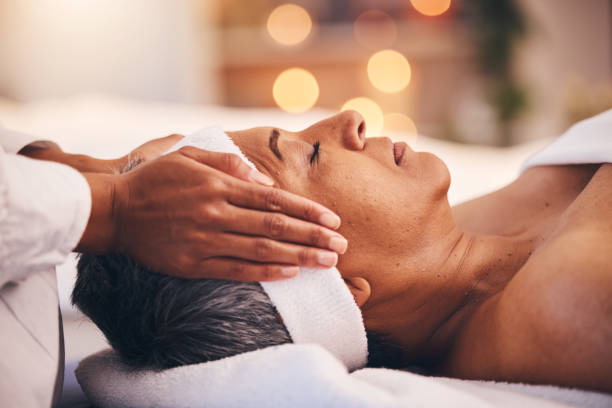
Sports massage is an effective way to release muscle tension. It targets specific areas of pain and helps increase blood flow, accelerating recovery. In Oxfordshire and the Cotswolds, sports massage can provide relief from stress-related tension.
A massage therapist can identify problem areas and use techniques to reduce pain and improve mobility. Many clients report feeling more relaxed and less tense after a session. It’s not just about relaxation; it’s about improving your overall well-being.
Massage can also enhance your performance in activities, making it a valuable tool for athletes and active individuals. By investing in regular massage therapy, you can keep tension at bay and support your body’s recovery process.
Holistic Health Solutions in Oxfordshire

Exploring holistic options can offer more comprehensive relief. Here’s how acupuncture, myofascial release, and lifestyle coaching can help.
Acupuncture for Stress Relief
Acupuncture is an ancient practice that can help reduce stress and tension. By inserting thin needles into specific points on the body, acupuncture helps balance your energy. This can lead to a reduction in stress and a feeling of relaxation.
Many people find acupuncture to be a powerful way to manage stress and improve sleep. The process can help your body release natural painkillers, providing relief from muscle pain. If you’re seeking a holistic approach to stress relief, acupuncture might be worth exploring.
Myofascial Release Oxfordshire Explained
Myofascial release is a technique used to treat muscle pain. It involves applying gentle, sustained pressure to the connective tissues (fascia) that surround muscles. This helps to release tension and improve mobility.
In Oxfordshire, myofascial release is becoming increasingly popular for those with chronic pain. It’s a gentle yet effective way to ease tension and promote healing. If you’re struggling with tight muscles, this technique might offer the relief you need.
Lifestyle Coaching for Stress Management
Lifestyle coaching provides personalised strategies to manage stress. A coach can help you identify stressors and develop a plan to address them. This could include changes to your diet, exercise routine, and sleep habits.
In Oxfordshire, lifestyle coaching is part of a holistic approach to wellness. It’s about creating sustainable changes that lead to a healthier, happier life. By working with a coach, you can gain the tools you need to manage stress and improve your well-being.
By incorporating these strategies, you can break the cycle of stress, poor sleep, and muscle tension. Remember, the journey to wellness is a personal one: find what works best for you.