
Muscle Tightness vs Protective Tension: What Your Body Is Telling You (and When to Get Help)
Muscle tightness feels familiar, but protective tension is your body’s urgent signal. Knowing the difference can stop pain from taking over your day or derailing your recovery. In this post, you’ll learn simple ways to spot whether your muscles need a break or professional care. Understanding muscle tightness vs protective tension could change how you manage back or neck pain in Oxfordshire and the Cotswolds for good. For more insights into this topic, you might find this article helpful.
Understanding Muscle Tightness

Getting to grips with muscle tightness is crucial for managing discomfort effectively. Let’s start by distinguishing between everyday tightness and protective tension.
Everyday Muscle Tightness Explained
Muscle tightness is something most people experience at some point. It’s that familiar stiff feeling you get after sitting too long or maybe after a workout. This type of tightness usually comes from overuse or lack of movement. Your muscle fibres contract and shorten, causing that tense sensation.
Think about the last time you felt sore after a long day. This discomfort is common when you push your muscles a bit harder than usual. What can you do? Stretching can help, as well as gentle movement. Daily activities like walking or a bit of stretching can keep tightness at bay. But, if tightness persists, it might need more attention.
Protective Muscle Tension Defined
Protective tension, on the other hand, is your body’s way of saying something isn’t right. It’s the kind of tension that happens when your body feels threatened by potential injury. Your muscles contract to protect an area that might be vulnerable.
Unlike regular tightness, protective tension can signal a deeper issue. Perhaps it’s related to an old injury or something more serious. It’s essential to listen to your body. If this tension is persistent or accompanied by pain, it might be time to consider professional care.
For a deeper understanding of how protective tension works, check out this detailed explanation.
When Tightness Becomes a Concern
It’s normal to feel tightness now and then, but when should you be worried? If muscle tightness leads to pain or limits your daily activities, it becomes a concern. Sometimes, it can indicate a different problem, like nerve tension or joint issues.
When tightness doesn’t go away with rest or basic stretches, it might be time to look deeper. Don’t ignore your body’s signals. Getting help early can prevent more serious issues.
To learn more about differentiating muscle tightness from nerve tension, visit this bendy blog.
Self-Checks and Solutions
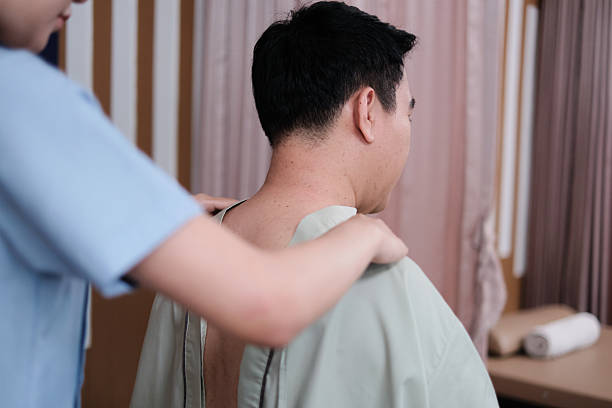
Now that you know more about muscle tension, let’s explore what you can do about it. Simple self-checks and safe strategies can make a big difference.
Simple Self-Checks for Tension
Checking your own tension levels can guide your next steps. Start by feeling your muscles. Is there a specific area that feels more tight than others? Gentle pressure can help reveal if an area needs attention.
Try moving around. Are there any movements that feel restricted or painful? This can indicate protective tension. Assess all areas, not just the ones that hurt. Full body checks can reveal patterns you might not notice otherwise.
Safe Steps to Alleviate Tightness
If you’re dealing with everyday tightness, simple remedies can bring relief. Gentle stretches are a great start. Focus on smooth, slow movements that ease tension without causing pain. Stretching regularly can prevent tightness from recurring.
Hydration is another key factor. Drinking enough water helps keep your muscles supple. Don’t forget the importance of rest. Giving your body time to recover is crucial. And remember, if tightness persists, it might be time to seek more help.
When to Seek Professional Help
Sometimes, self-care isn’t enough. If tightness is persistent or worsening, professional help is crucial. Pain that doesn’t improve with rest or home remedies is a clear sign to consult an expert.
A professional can assess your situation and recommend a tailored approach. This might include a sports massage, acupuncture, or lifestyle adjustments. Don’t wait for things to get worse; early intervention can prevent long-term issues.
For more insights on chronic tension management, this article offers valuable information.
Professional Help and Recovery
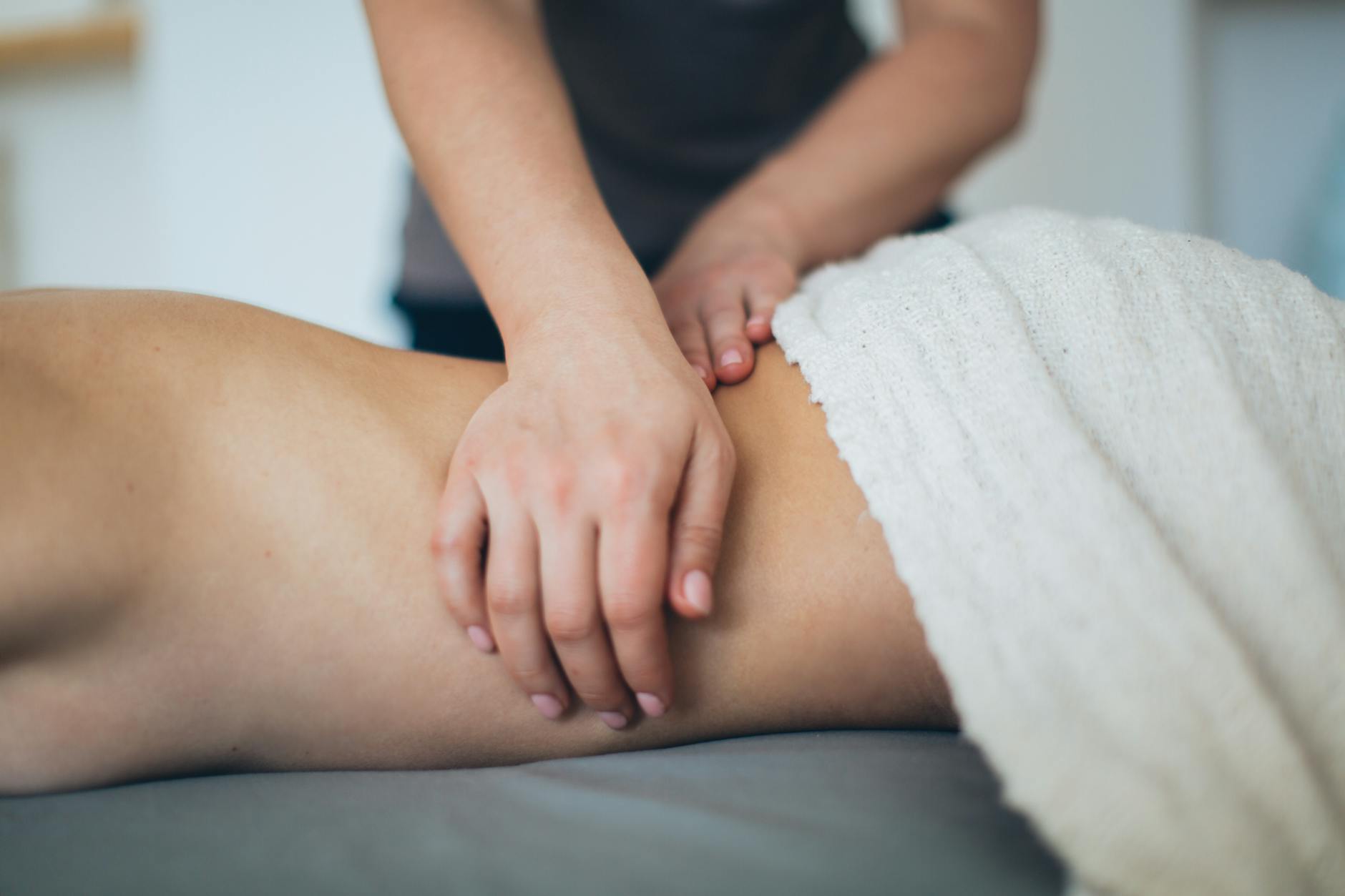
Exploring professional solutions can pave the way for effective recovery and long-term wellbeing.
Tailored Recovery Programmes
At The Bodywright, we understand that each individual’s needs are unique. Our tailored recovery programmes are designed to address specific issues, whether it be back pain relief in Oxfordshire or neck pain treatment in the Cotswolds. We combine various techniques like sports massage and acupuncture to craft a plan that suits you.
Our programmes focus on improving your mobility and providing lasting pain relief. They’re not just about treatment; they also aim at preventing future problems by enhancing your overall health and well-being.
Booking an Assessment with The Bodywright
If you’re ready to address your muscle tension, booking an assessment is the first step. Our experienced practitioners will evaluate your condition thoroughly. This allows us to create a personalised strategy that aligns with your goals.
Whether it’s injury rehabilitation or lifestyle and nutrition coaching, we offer comprehensive support. Our aim is to help you achieve a pain-free life and optimal health.
Benefits of Holistic Health Guidance
Choosing a holistic approach means looking at the bigger picture. It’s not just about treating symptoms but understanding the root causes. Our guidance covers aspects like posture, biomechanics, and stress management for pain.
By focusing on these areas, we empower you to make informed choices about your health. You’ll gain insights into maintaining wellness beyond our sessions. This holistic view ensures you don’t just recover but thrive.
In conclusion, understanding the difference between muscle tightness and protective tension is key to managing your health. By taking proactive steps and seeking professional help when needed, you can enjoy a life free from unnecessary pain. The Bodywright is here to guide you on your path to recovery and wellness.