How sports massage supports injury recovery and helps prevent future niggles

How sports massage supports injury recovery and helps prevent future niggles

Injuries can slow you down and keep you from the activities you love. Sports massage in Oxfordshire offers more than just relief—it speeds up injury recovery and helps stop those niggles from coming back. At The Bodywright, we tailor every treatment to your needs, blending hands-on care with practical advice to restore your movement and build lasting strength. Ready to feel stronger and pain-free? Keep reading to see how sports massage can support your recovery and prevent future setbacks.

The Role of Sports Massage in Recovery
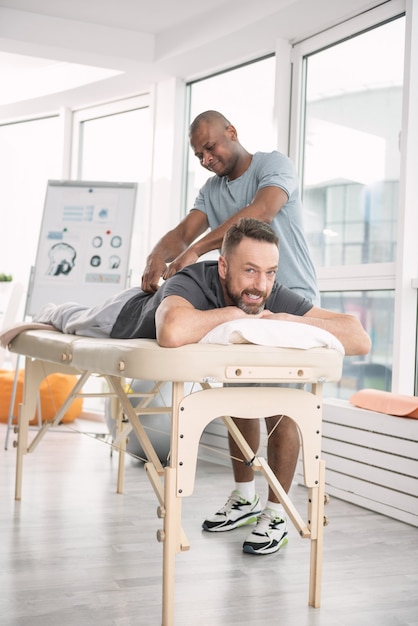
Sports massage plays a vital role in helping your body recover from injuries. It doesn’t just provide relief; it facilitates faster recovery and helps prevent future issues. Let’s delve into how it achieves this.

Speeding Up Injury Recovery

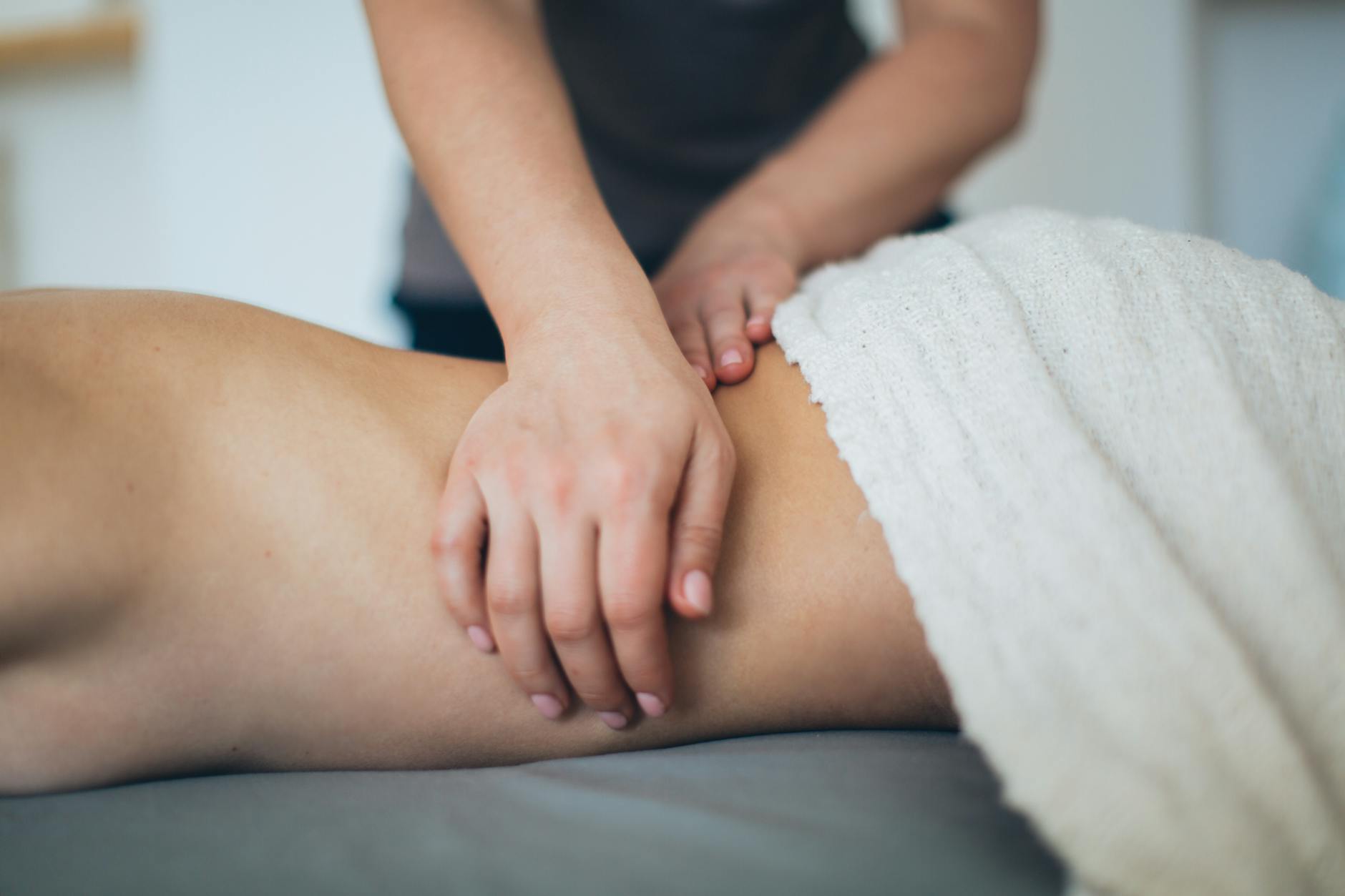
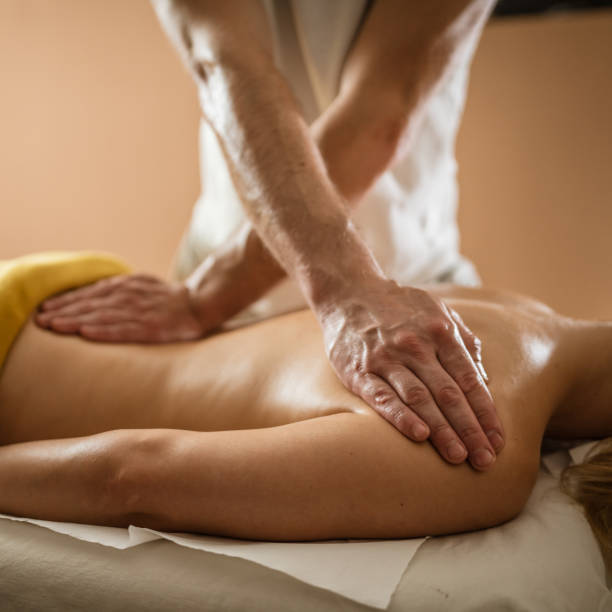
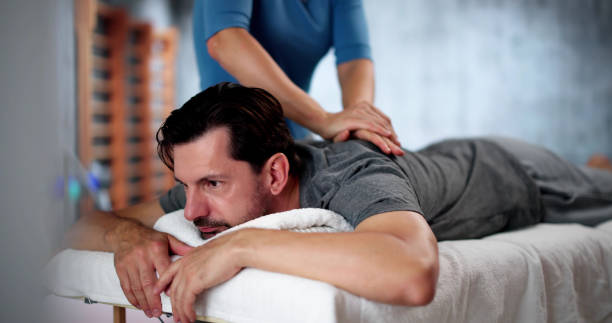
The key to speedy recovery lies in improving circulation. Enhanced blood flow delivers more oxygen and nutrients to affected areas. This accelerates healing and reduces recovery time. By focusing on specific muscle groups, sports massage targets the exact points where your body needs the most help.

Imagine having a sprinter’s hamstring strain. The massage focuses on the hamstring, ensuring fresh blood reaches the damaged tissues. This not only helps repair the muscles but also aids in reducing inflammation and swelling. You’ll be back on your feet quicker than you thought possible.

Restoring Mobility and Flexibility

Injury often leads to stiffness. Sports massage addresses this by loosening tight muscles and breaking down scar tissue. This is crucial for restoring your movement. A flexible body is less prone to injuries, allowing you to return to your favourite activities with confidence.

Think of it as oiling a rusty door hinge. The massage makes your body more pliable, improving your range of motion. You’ll notice a significant difference the next time you stretch or bend. A great example is how it helps with shoulder pain, making overhead movements smoother and pain-free.

Reducing the Risk of Reinjury

Preventing future injuries is just as important as healing the current one. Regular sports massage contributes to this by improving muscle tone and balance. It helps identify potential problem areas before they become serious.

Consider this: if you often experience knee pain while running, sports massage can help assess and adjust imbalances. This proactive approach reduces the likelihood of reinjury, keeping you on track with your fitness goals. You won’t just feel better; you’ll move better too.

Techniques for Effective Massage
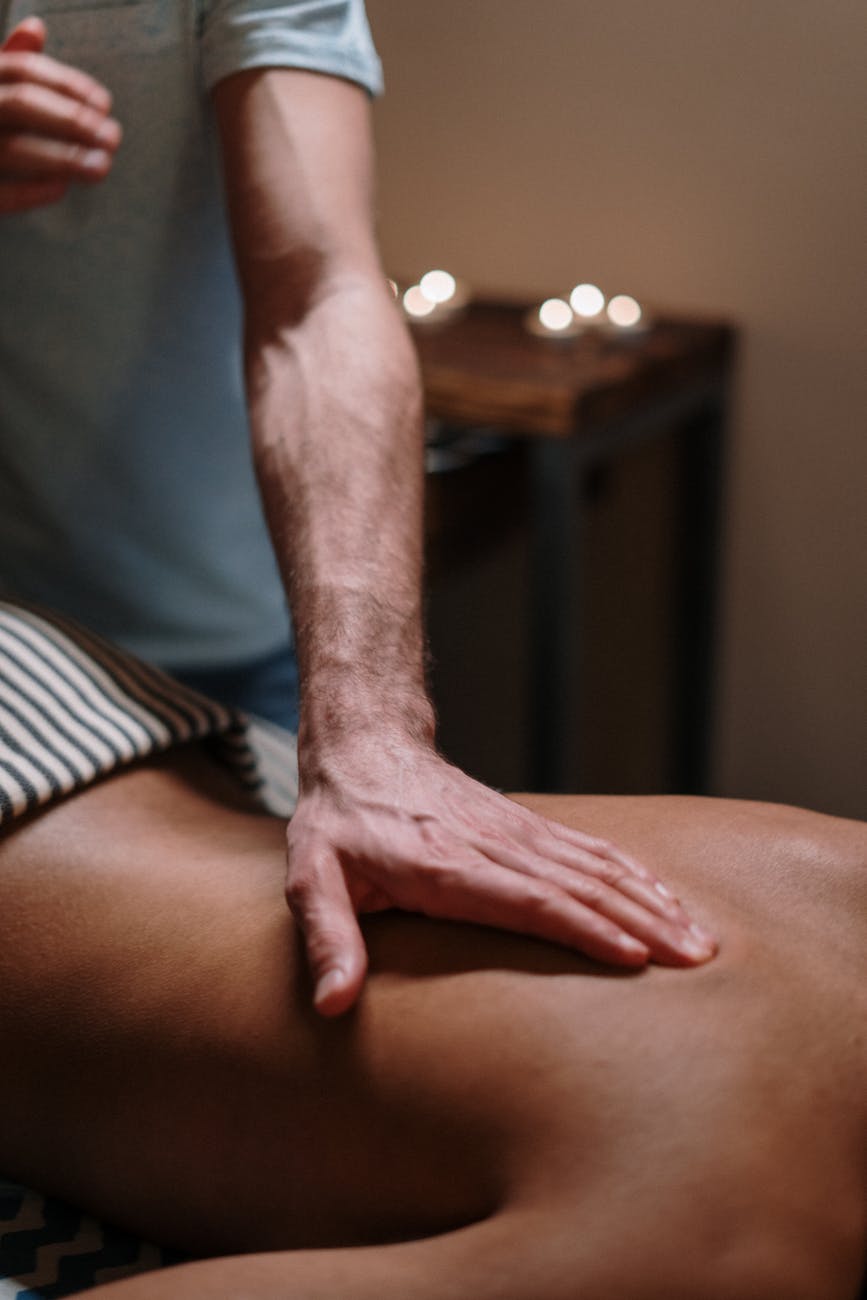
Various techniques make sports massage effective. Each method serves a unique purpose, ensuring comprehensive care for your body. Here are some popular ones.

Myofascial Release and Trigger Point Therapy

These techniques target the connective tissue and knots in your muscles. They are vital for releasing tension and restoring normal function. Myofascial release focuses on loosening the fascia, while trigger point therapy zeroes in on specific tight spots.

Consider a common issue like tennis elbow. Trigger point therapy can significantly reduce pain by releasing the knots in your forearm muscles. Myofascial release complements this by improving the overall flexibility of your arm.

Soft Tissue Therapy for Pain Relief

Soft tissue therapy is all about gentle manipulation. It alleviates pain and reduces muscle tension. This method is particularly effective for conditions like back pain relief, providing a soothing and therapeutic experience.

If you’re suffering from sciatica support, soft tissue therapy can ease the discomfort by relaxing the muscles around the lower back and hips. The relief is often immediate, allowing for a more comfortable lifestyle.

Targeted Approaches for Common Injuries

Every injury is unique, requiring a tailored approach. Targeted massage techniques address specific problems, ensuring focused and effective treatment. Whether it’s a hamstring strain or IT band syndrome, a personalised plan is crucial.

For those dealing with plantar fasciitis, for instance, targeted techniques can alleviate pain in the foot and heel. This specialised care not only treats the current issue but also strengthens the area to prevent future occurrences.

Beyond Massage: A Holistic Approach
Sports massage is just one part of a broader strategy for health and wellness. A holistic approach incorporates additional therapies and lifestyle changes for better outcomes.

Integrating Acupuncture and Rehab Programmes

Acupuncture complements sports massage by enhancing the body’s natural healing processes. When combined with structured rehab programmes, it provides a comprehensive path to recovery.

Imagine pairing massage with acupuncture Oxfordshire services. This dual approach can accelerate healing and improve overall wellbeing. It allows you to address both the symptoms and the underlying causes of your discomfort.

Lifestyle Coaching for Long-term Wellness

Lifestyle coaching focuses on sustainable health improvements. By guiding you on nutrition, stress management, and sleep habits, it equips you with tools for long-term wellness.

Picture having access to holistic health coaching. You’ll receive personalised advice that integrates seamlessly into your daily life. This support helps ensure that you don’t just recover but thrive in your overall health journey.

Strength and Conditioning in Oxfordshire

Strength and conditioning are essential for building resilience. These programmes enhance your physical capabilities, reducing the risk of future injuries.

Consider joining strength and conditioning Oxfordshire sessions. They offer tailored exercises that align with your recovery goals. This proactive approach strengthens your body, making it more resistant to stress and strain.

In conclusion, sports massage offers comprehensive benefits for injury recovery and prevention. By incorporating techniques and holistic strategies, you can achieve lasting wellness. Remember, the longer you wait, the more challenging your recovery might become. Take action today and pave the way for a healthier, pain-free life.

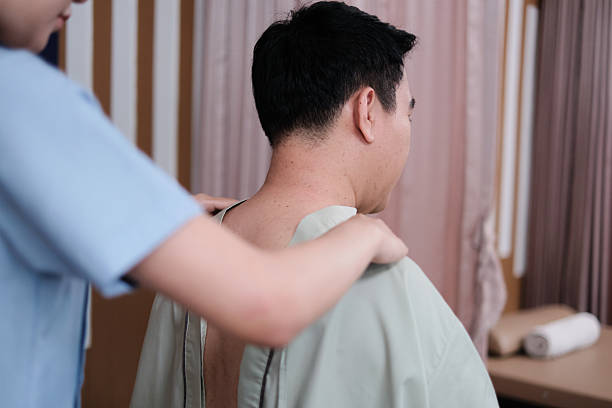
Click to discover more

Muscle Tightness vs Protective Tension: What Your Body Is Telling You (and When to Get Help)

Muscle Tightness vs Protective Tension: What Your Body Is Telling You (and When to Get Help)

Muscle tightness feels familiar, but protective tension is your body’s urgent signal. Knowing the difference can stop pain from taking over your day or derailing your recovery. In this post, you’ll learn simple ways to spot whether your muscles need a break or professional care. Understanding muscle tightness vs protective tension could change how you manage back or neck pain in Oxfordshire and the Cotswolds for good. For more insights into this topic, you might find this article helpful.

Understanding Muscle Tightness

Getting to grips with muscle tightness is crucial for managing discomfort effectively. Let’s start by distinguishing between everyday tightness and protective tension.

Everyday Muscle Tightness Explained

Muscle tightness is something most people experience at some point. It’s that familiar stiff feeling you get after sitting too long or maybe after a workout. This type of tightness usually comes from overuse or lack of movement. Your muscle fibres contract and shorten, causing that tense sensation.

Think about the last time you felt sore after a long day. This discomfort is common when you push your muscles a bit harder than usual. What can you do? Stretching can help, as well as gentle movement. Daily activities like walking or a bit of stretching can keep tightness at bay. But, if tightness persists, it might need more attention.

Protective Muscle Tension Defined

Protective tension, on the other hand, is your body’s way of saying something isn’t right. It’s the kind of tension that happens when your body feels threatened by potential injury. Your muscles contract to protect an area that might be vulnerable.

Unlike regular tightness, protective tension can signal a deeper issue. Perhaps it’s related to an old injury or something more serious. It’s essential to listen to your body. If this tension is persistent or accompanied by pain, it might be time to consider professional care.

For a deeper understanding of how protective tension works, check out this detailed explanation.

When Tightness Becomes a Concern

It’s normal to feel tightness now and then, but when should you be worried? If muscle tightness leads to pain or limits your daily activities, it becomes a concern. Sometimes, it can indicate a different problem, like nerve tension or joint issues.

When tightness doesn’t go away with rest or basic stretches, it might be time to look deeper. Don’t ignore your body’s signals. Getting help early can prevent more serious issues.

To learn more about differentiating muscle tightness from nerve tension, visit this bendy blog.

Self-Checks and Solutions

Now that you know more about muscle tension, let’s explore what you can do about it. Simple self-checks and safe strategies can make a big difference.

Simple Self-Checks for Tension

Checking your own tension levels can guide your next steps. Start by feeling your muscles. Is there a specific area that feels more tight than others? Gentle pressure can help reveal if an area needs attention.

Try moving around. Are there any movements that feel restricted or painful? This can indicate protective tension. Assess all areas, not just the ones that hurt. Full body checks can reveal patterns you might not notice otherwise.

Safe Steps to Alleviate Tightness

If you’re dealing with everyday tightness, simple remedies can bring relief. Gentle stretches are a great start. Focus on smooth, slow movements that ease tension without causing pain. Stretching regularly can prevent tightness from recurring.

Hydration is another key factor. Drinking enough water helps keep your muscles supple. Don’t forget the importance of rest. Giving your body time to recover is crucial. And remember, if tightness persists, it might be time to seek more help.

When to Seek Professional Help

Sometimes, self-care isn’t enough. If tightness is persistent or worsening, professional help is crucial. Pain that doesn’t improve with rest or home remedies is a clear sign to consult an expert.

A professional can assess your situation and recommend a tailored approach. This might include a sports massage, acupuncture, or lifestyle adjustments. Don’t wait for things to get worse; early intervention can prevent long-term issues.

For more insights on chronic tension management, this article offers valuable information.

Professional Help and Recovery

Exploring professional solutions can pave the way for effective recovery and long-term wellbeing.

Tailored Recovery Programmes

At The Bodywright, we understand that each individual’s needs are unique. Our tailored recovery programmes are designed to address specific issues, whether it be back pain relief in Oxfordshire or neck pain treatment in the Cotswolds. We combine various techniques like sports massage and acupuncture to craft a plan that suits you.

Our programmes focus on improving your mobility and providing lasting pain relief. They’re not just about treatment; they also aim at preventing future problems by enhancing your overall health and well-being.

Booking an Assessment with The Bodywright

If you’re ready to address your muscle tension, booking an assessment is the first step. Our experienced practitioners will evaluate your condition thoroughly. This allows us to create a personalised strategy that aligns with your goals.

Whether it’s injury rehabilitation or lifestyle and nutrition coaching, we offer comprehensive support. Our aim is to help you achieve a pain-free life and optimal health.

Benefits of Holistic Health Guidance

Choosing a holistic approach means looking at the bigger picture. It’s not just about treating symptoms but understanding the root causes. Our guidance covers aspects like posture, biomechanics, and stress management for pain.

By focusing on these areas, we empower you to make informed choices about your health. You’ll gain insights into maintaining wellness beyond our sessions. This holistic view ensures you don’t just recover but thrive.

In conclusion, understanding the difference between muscle tightness and protective tension is key to managing your health. By taking proactive steps and seeking professional help when needed, you can enjoy a life free from unnecessary pain. The Bodywright is here to guide you on your path to recovery and wellness.

Click to discover more

What to Expect from a Personalised Massage and Wellness Plan at The Bodywright

What to Expect from a Personalised Massage and Wellness Plan at The Bodywright

Pain can take over your life without warning. When back or neck discomfort limits your day, or a sports injury stalls your progress, a one-size-fits-all approach won’t cut it. At The Bodywright, our personalised massage Oxfordshire clients trust begins with a detailed assessment that shapes a plan just for you. Ready to see how targeted care can ease your pain and restore your movement? Learn more here.

Understanding Personalised Massage Plans

When it comes to addressing pain or injury, a personalised approach can make all the difference. At The Bodywright, we start with a thorough assessment to create a plan that fits your unique needs. Let’s dive into what you can expect.

Initial Assessment and Consultation

Before any treatment begins, it’s important to understand what your body specifically needs. During your initial consultation, we take the time to listen to your concerns. This isn’t a rushed process. We conduct a detailed Musculoskeletal (MSK) screening to pinpoint the root causes of your pain. You might wonder, “Why is this step so crucial?” A proper assessment ensures that the treatment targets the real problem, not just the symptoms. Most people think a quick massage is enough, but knowing your body’s specific needs is the key to long-term relief.

Designing a Tailored Programme

Once we understand your needs, we craft a bespoke programme just for you. This isn’t a generic plan. We focus on the areas that need attention, whether it’s your back, neck, or any sports-related issue. We often hear “Why can’t I just follow a standard routine?” Because your body deserves a solution that adapts to your life, not the other way around. Our tailored approach ensures that every session directly contributes to your recovery and well-being.

Tracking Progress and Adjustments

Your body changes as it heals, and your plan should too. We track your progress closely, making necessary adjustments along the way. This step is vital to ensure your treatment remains effective. Imagine the relief of knowing your plan evolves with your healing process. You’ll notice improvements in mobility and less discomfort as we tweak your programme. The longer you wait to address these changes, the more you risk stalling your recovery.

Techniques and Therapies Explained

The Bodywright offers a range of techniques designed to support your recovery and overall wellness. Each method has unique benefits that contribute to your personalised plan. Let’s explore them.

Sports and Remedial Massage

Sports massage isn’t just for athletes. It’s for anyone looking to relieve tension and enhance performance. This massage targets deep tissue layers to alleviate chronic pain and prevent future injuries. Wondering if it’s right for you? Consider this: even if you’re not a sports enthusiast, this treatment can help with everyday aches. It’s about more than relaxation; it’s about getting you back to your best self.

Benefits of Acupuncture

Acupuncture is a holistic therapy that complements massage perfectly. By stimulating specific points on the body, it can reduce pain and promote healing. Some people are sceptical about needles, but they are a time-tested tool for pain relief. The benefits include improved energy flow and reduced tension. For those dealing with chronic pain, this method can offer a new lease on life.

Targeted Rehabilitation and Strength Work

Rehabilitation isn’t just about recovery; it’s about building a stronger you. Our targeted exercises focus on enhancing your strength and preventing future injuries. Whether you’re recovering from surgery or just looking to strengthen your body, this approach is key. It’s not just about the here and now but setting you up for future success.

Achieving Pain-Free Living

Living without pain is possible with the right strategies. At The Bodywright, we equip you with tools to maintain your wellness beyond our sessions.

Lifestyle and Nutrition Coaching

What you eat and how you live play big roles in your recovery. Our coaching helps you understand the link between nutrition and pain relief. It’s not just about diet changes; it’s about creating a lifestyle that supports your health goals. Most people overlook this aspect, but nutritious choices can enhance your body’s healing capabilities.

Mobility Improvement Strategies

Improving your mobility is essential for a pain-free life. We provide strategies that help you move better and feel more flexible. Whether it’s through specific exercises or daily adjustments, these methods are designed to fit seamlessly into your life. You might think you’re too busy, but small adjustments can lead to significant improvements.

Building Lasting Resilience

Finally, building resilience ensures that the benefits of your programme last. We teach techniques that fortify your body against future challenges. You’ll learn how to maintain your gains and continue improving. Many believe that once pain is gone, the journey ends, but true resilience is about ongoing strength and well-being.

Ready to start your personalised programme and move toward a pain-free life? Explore the possibilities with The Bodywright and see how tailored care can change your health journey.

Click to discover more

How Sports Massage Supports Recovery Without Slowing You Down

How Sports Massage Supports Recovery Without Slowing You Down

Sports massage in Oxfordshire isn’t just a luxury—it’s a smart step to keep your training on track. When niggles or aches creep in, slowing down feels like the only option. But targeted sports massage supports recovery without forcing you off your feet. In this post, you’ll learn how The Bodywright’s tailored approach helps you bounce back faster, stay active, and protect your progress. Ready to find out how to keep moving without the setbacks? Learn more about the benefits of sports massage for recovery here.

Benefits of Sports Massage

Feeling sore after a workout or training session is common. But did you know that sports massage can be a game-changer in helping you recover faster without taking a break from your routine? Let’s explore how it can be your secret weapon.

Speeding Recovery Without Delay

When you push your body to its limits, muscle soreness can follow. But what if you could reduce that soreness without missing out on your favourite activities? Sports massage promotes quicker recovery by increasing blood flow. This heightened circulation helps flush out toxins and deliver nutrients to muscles more effectively. Imagine leaving a session feeling revitalised and ready to take on your next challenge.

Instead of limping around for days, you can experience reduced muscle tension and a faster return to action. You might think that rest is the only solution after intense activity. However, incorporating regular sports massage into your routine can help maintain your momentum and keep you on the move.

Protecting Training Momentum

Every athlete knows the frustration of a disrupted training schedule. Missing sessions can feel defeating. But with sports massage, you can safeguard your progress. By addressing minor aches before they become major issues, you get to stick to your plan. The targeted techniques used in sports massage release muscle tightness, preventing small problems from escalating.

This proactive approach helps you maintain the consistency essential for improvement. Think of it as the maintenance your body needs to perform at its best. By keeping injuries at bay, sports massage ensures that you’re always ready for your next big event or personal best attempt.

Seamless Fit into Busy Lives

Balancing work, life, and fitness can be a juggling act. How do you fit in something extra like a sports massage? The answer lies in its efficiency. Each session is designed to maximise benefits in a short amount of time, making it easy to integrate into your routine.

Whether you’re an early riser or prefer evening sessions, there’s flexibility to suit every schedule. Most people assume they don’t have time for extras, but sports massage can be the quick and effective solution you didn’t know you needed. Prioritise a session, and you’ll likely find yourself more energised and less prone to injury, which ultimately saves time in the long run.

Techniques for Effective Recovery

Now that you know the benefits, it’s time to delve into the techniques that make sports massage so effective. These methods are tailored to meet your specific needs, ensuring optimal recovery and performance.

Myofascial Release and Trigger Point Therapy

Muscle stiffness and knots can be persistent issues for many athletes. Myofascial release targets these areas by applying gentle pressure to the fascia, the connective tissue surrounding muscles. This technique helps release restrictions, improving flexibility and reducing pain.

Trigger point therapy focuses on specific tight spots within muscles, known as trigger points. By applying focused pressure, it alleviates tension and restores muscle function. This combination of techniques offers a comprehensive approach to addressing muscle tightness and improving overall movement quality.

Joint Mobilisation and DOMS Relief

After intense training, the last thing you want is to be sidelined by delayed onset muscle soreness (DOMS). Joint mobilisation helps keep joints flexible by gently moving them through their natural range of motion. This technique reduces stiffness and pain, making it easier to stay active.

DOMS relief is another focus of sports massage. By improving blood flow to muscles, it reduces the severity of soreness. This means less downtime and a quicker return to peak performance. Instead of thinking soreness is inevitable, consider how sports massage can ease it and keep you going strong.

Acupuncture and Holistic Health Coaching

Sometimes, recovery requires more than just physical therapy. Acupuncture can complement sports massage by targeting pain relief and promoting relaxation. This ancient practice helps balance the body’s energy, supporting overall recovery.

Holistic health coaching further enhances recovery by addressing lifestyle factors like nutrition, sleep, and stress management. By considering the whole picture, you can optimise your recovery process and achieve better results. It’s a common belief that physical therapy alone is enough, but integrating holistic approaches can elevate your recovery experience.

Tailored Recovery at The Bodywright

At The Bodywright, recovery isn’t a one-size-fits-all process. We believe in creating tailored programmes that address your unique needs and goals.

Personalised Recovery Programme

Every individual has different recovery needs. That’s why a personalised recovery programme is crucial. At The Bodywright, we assess your specific situation and create a plan that includes a mix of sports massage, corrective exercises, and holistic coaching.

This tailored approach ensures that you receive the right care for your body, helping you bounce back faster and stronger. Whether you’re recovering from an injury or just looking to enhance your performance, a personalised programme can make all the difference.

Sports Injury Prevention and Treatment

Injuries can set you back, but they don’t have to be part of your story. With focused injury prevention strategies, you can protect yourself from setbacks. Our programme includes techniques that strengthen weak points and improve body mechanics.

When injuries do occur, timely and effective treatment is essential. Our experienced practitioners provide targeted care to address the root cause of your pain, ensuring quick and safe recovery. Most people think injuries are inevitable, but with the right prevention and treatment, they can be significantly reduced.

Performance Optimisation for Active Lifestyles

Want to reach new heights in your performance? Our approach at The Bodywright includes strategies that optimise your body for peak performance. From improving flexibility to enhancing strength, we focus on areas that will give you the edge.

We understand that every athlete is different, and our performance optimisation plans are designed with your specific goals in mind. Reaching peak performance doesn’t have to remain a dream; with the right support, it’s within your grasp.

Whether you’re dealing with aches and pains or looking to boost your performance, The Bodywright is here to help you on your path to recovery and success. Ready to take the next step in your active journey? Let’s get started today!

Click to discover more

Stressed, Sleepless and Sore: How Stress and Poor Sleep Fuel Ongoing Muscle Pain — and How to Break the Cycle

Stressed, Sleepless and Sore: How Stress and Poor Sleep Fuel Ongoing Muscle Pain — and How to Break the Cycle

Stress and sleepless nights do more than wear you down — they tighten your muscles and keep pain locked in place. If your back aches or neck and shoulder tension won’t ease, the hidden link between stress, sleep and muscle pain could be the key. This blog reveals how these factors feed into each other and what you can do to break free with expert care from The Bodywright. For more insight, you can read about the connection between stress and pain here.

The Science of Stress and Sleep

Understanding the connection between stress, sleep, and muscle pain is crucial. These three elements often interact, making pain management more challenging. Let’s explore the science behind this.

Understanding Cortisol and Pain

Cortisol is a hormone your body releases in response to stress. While it’s essential for many bodily functions, high levels can increase your pain perception. When you’re stressed, cortisol floods your system. This process can make your muscles tense and increase pain. The cycle can be exhausting and affect your daily life.

Chronic stress keeps cortisol levels high, leading to persistent pain in areas such as your neck and back. You might notice this especially after a stressful day or week. It’s important to understand how stress affects your body, so you can take action. For more on cortisol and its effects, check out this research.

Impact of Poor Sleep on Recovery

Sleep is your body’s time to repair and recover. Without enough rest, your muscles don’t get the chance to heal. This can lead to increased pain and prolonged recovery times.

Poor sleep can also lower your pain threshold, making discomfort feel more intense. If you wake up feeling sore and tired, it might be due to a lack of quality sleep. Addressing sleep issues can help your body recover more effectively. Learn more about sleep and its impact on recovery here.

Stress, Sleep, and Muscle Tension

Stress and sleep are closely linked with muscle tension. When stressed, your muscles tighten, leading to pain and stiffness. Lack of sleep can make this even worse, as your body struggles to relax and recuperate.

This cycle of stress, poor sleep, and muscle tension can feel never-ending. Breaking this cycle is possible, though. With the right strategies, you can reduce tension and improve your quality of life. Dive deeper into how stress affects muscle tension here.

Practical Steps for Relief

Understanding the science is just the first step. Now, let’s look at practical ways to find relief. These steps can help you manage stress and improve sleep, easing muscle tension.

Sleep Hygiene Tips UK

Improving your sleep hygiene can significantly boost your recovery and reduce pain. Here are some practical tips:

  1. Set a Regular Sleep Schedule: Go to bed and wake up at the same time every day, even on weekends. This helps regulate your body’s clock.

  2. Create a Relaxing Bedtime Routine: Engage in calming activities, like reading or taking a warm bath, to signal your body it’s time to wind down.

  3. Limit Screen Time Before Bed: Blue light from screens can interfere with your sleep. Try to switch off devices an hour before bed.

By following these tips, you can improve your sleep quality, which is essential for effective recovery and pain management.

Effective Stress Management Techniques

Managing stress is vital for reducing pain and tension. Here are some techniques to try:

  • Mindfulness and Meditation: Spend a few minutes each day focusing on your breath and letting go of stress. This practice can lower cortisol levels and ease tension.

  • Exercise Regularly: Physical activity releases endorphins, which are natural painkillers. It helps reduce stress and improve mood.

  • Stay Connected: Socialising with friends and family can provide support and reduce feelings of stress.

These techniques can help you manage stress effectively, leading to less pain and better overall health.

Benefits of Sports Massage Oxfordshire

Sports massage is a powerful tool in managing pain and muscle tension. Here’s how it helps:

  • Reduces Muscle Tension: Targeted massage can relieve tension and knots, providing immediate pain relief.

  • Promotes Relaxation: The calming effect of massage therapy lowers cortisol levels, aiding in stress relief.

  • Enhances Recovery: Regular sessions can improve blood flow and speed up recovery times after physical activity.

For those in Oxfordshire, sports massage offers an effective way to manage ongoing muscle pain and improve overall wellbeing.

Holistic Solutions for Lasting Relief

Beyond practical steps, exploring holistic solutions can offer long-term relief from pain and tension. These methods focus on treating the whole person, not just the symptoms.

Acupuncture for Pain Oxford

Acupuncture is an ancient practice with modern benefits. Here’s why it can be effective:

  • Pain Management: By targeting specific points, acupuncture can release endorphins, which naturally reduce pain.

  • Stress Reduction: This practice promotes relaxation and reduces stress, helping to lower cortisol levels.

  • Improved Circulation: Acupuncture enhances blood flow, aiding in the healing process.

In Oxford, acupuncture is a valuable option for those seeking to manage pain holistically.

Tailored Rehab Programmes

Personalised rehab programmes can address your specific needs. Here’s how they work:

  • Individual Assessment: Programmes start with an assessment to identify the root cause of your pain.

  • Structured Plan: A plan is tailored to address your unique needs, focusing on recovery and prevention.

  • Progress Tracking: Regular check-ins ensure you’re on track and making progress towards your goals.

Tailored rehab programmes offer a structured approach to achieving pain-free living and improved mobility.

Lifestyle Coaching UK for Pain-Free Living

Lifestyle coaching provides guidance on achieving and maintaining a healthy lifestyle. Here’s the benefit:

  • Comprehensive Support: Coaching covers nutrition, exercise, and stress management, offering a well-rounded approach to health.

  • Personalised Advice: Coaches provide tailored advice based on your lifestyle and health goals.

  • Long-Term Health: This support helps you build sustainable habits for lasting wellness.

Embracing lifestyle coaching can empower you to make informed choices and achieve a pain-free life.

By understanding the links between stress, sleep, and muscle pain, you can take steps to break the cycle. Whether through practical tips or holistic solutions, relief is within reach. Prioritising your health and wellbeing is the first step to living the life you want.

Click to discover more

Move Better Every Day: Simple Habits for Mobility and Holistic Health

Move Better Every Day: Simple Habits for Mobility and Holistic Health

Most people think mobility means complicated workouts. It doesn’t. Simple daily habits can ease your back or neck pain, boost your movement, and support your whole body’s health. At The Bodywright, we guide you through easy steps like mobility exercises and breathwork for recovery, tailored to your needs in Oxfordshire and the Cotswolds. Ready to start moving better every day? Learn more about everyday habits that can improve mobility and prevent injury here.

Daily Mobility Routine

Start your day with movements that awaken your body. These routines can get you moving better and feeling more flexible. Let’s dive into some simple techniques to incorporate into your daily life.

Simple Morning Stretches

Begin with a gentle wake-up stretch. Start by reaching your arms overhead and extending your body as long as possible. This simple move can enhance blood flow and wake up your muscles.

Try a minute of neck rolls after you get out of bed. Slowly rotate your head in a circular motion to release tension. This helps relieve neck pain, a common issue in the Cotswolds.

Follow with a few shoulder shrugs. Lift your shoulders to your ears and release them back down. Repeat several times. These help reduce tension and improve your posture, making your morning more energised.

Movement Snacks Throughout the Day

Don’t sit still for too long. Short bursts of activity can keep your body limber. Stand up every hour for a quick stretch or walk around your space.

Consider a mini lunge session. A couple of lunges can engage your leg muscles and increase circulation. Whether you’re in Oxfordshire or beyond, these movement snacks are invaluable throughout your workday.

If you find your back becoming stiff, try seated twists. Rotate your torso side-to-side to maintain spinal flexibility. This simple twist can enhance your mobility and comfort.

Foam Rolling Techniques

Foam rolling is a fantastic tool for muscle recovery. It helps release tension and improve circulation. Start with your calves. Roll the foam from ankle to knee and feel the muscles relax.

Next, focus on the thighs. Gently roll from the hip to the knee. This technique can alleviate tightness from sitting all day, offering you relief and enhancing flexibility.

Finally, roll your upper back. A few minutes can ease back pain and improve posture. The Bodywright champions foam rolling as an accessible solution for those in Oxford and beyond seeking back pain relief.

Holistic Health Coaching

Holistic health is more than physical movement. It’s about taking care of your entire being. Let’s explore how nutrition, sleep, and breathwork can support your journey.

Nutrition for Inflammation

What you eat can affect how you feel. A diet rich in anti-inflammatory foods can combat pain and support recovery. Think colourful fruits and vegetables, packed with antioxidants.

Incorporate omega-3 fatty acids found in fish like salmon. They’re known for their inflammation-fighting properties. By choosing these foods, you are taking a step towards reducing pain naturally.

Stay hydrated. Water helps flush out toxins and keeps your joints lubricated. In Oxfordshire, staying hydrated can significantly contribute to your wellbeing.

Sleep for Recovery

Sleep is essential for healing. It allows your body to recover and recharge. Aim for 7-9 hours each night. A consistent bedtime routine can improve sleep quality.

Create a calm environment. Dimming lights and reducing screen time before bed can signal your body to wind down. You’ll wake up feeling more refreshed and ready to tackle the day.

Use supportive pillows. Correct pillow height can prevent neck pain, a common concern for those in the Cotswolds. Proper support can make all the difference in your recovery.

Breathwork for Recovery

Breathwork is a powerful tool. It can help reduce stress and promote relaxation. Try deep breathing exercises daily. Inhale deeply through your nose, hold, and exhale slowly through your mouth.

Practice diaphragmatic breathing. Place one hand on your chest and the other on your belly. Focus on moving your abdomen as you breathe. This method can enhance lung capacity and reduce stress.

Breathing exercises can be done anywhere, making them an excellent option for stress relief in Oxfordshire. Incorporating breathwork into your routine can support overall health and recovery.

Explore more about these daily habits and their impact on your health here.

Click to discover more

Lifestyle Changes for Long-term Neck and Back Pain Relief

Lifestyle Changes for Long-term Neck and Back Pain Relief

Neck and back pain can sneak up on you, turning simple tasks into daily struggles. If you’re searching for neck pain relief UK or back pain relief Oxfordshire, small lifestyle shifts could make a big difference. This post shares practical changes that ease discomfort, build strength, and help keep pain at bay. Stick with us to learn how to take control and start moving with ease again. Learn more here.

Simple Lifestyle Adjustments

Let’s dive into some straightforward changes you can make today. These tips could turn your everyday habits into powerful pain-relief allies.

Ergonomic Tips for Desk Workers

If you spend long hours at a desk, your setup could be the culprit behind your discomfort. A few tweaks might do wonders. Start with your chair: it should support your lower back. Your feet should rest flat on the floor. Adjust your screen to eye level to avoid straining your neck.

Don’t forget to take breaks. Stand up, stretch, and walk around every 30 minutes to keep your blood flowing. These small actions can keep neck pain at bay and improve your overall comfort at work. For more insights, check out these ergonomic tips.

Mobility Exercises for Pain Relief

Movement is medicine. Gentle exercises can ease tension and build resilience. Start with simple neck stretches: tilt your head side to side, holding each stretch for 10 seconds. For your back, try cat-cow stretches: arch your back up and then dip it down in a fluid motion.

Incorporate these stretches daily. They help maintain flexibility and reduce stiffness. Remember, the goal is to move without pain, so listen to your body and go at your own pace. Here’s a guide to back-friendly exercises.

Nutrition for Spinal Health

What you eat affects your spine. Foods rich in calcium and vitamin D support bone health. Think leafy greens and dairy. Omega-3 fatty acids, found in fish, can reduce inflammation, potentially easing pain.

Stay hydrated too. Water keeps your spinal discs healthy. A balanced diet nourishes your whole body, setting the stage for pain-free living. By making mindful food choices, you’re investing in a healthier spine. Discover more about spinal health nutrition.

Holistic Approaches to Pain Management

Beyond lifestyle tweaks, there are holistic methods that can further soothe your neck and back. Curious about new ways to find relief? Keep reading.

Acupuncture for Back Pain

Acupuncture might seem unusual, but many swear by its benefits. This ancient practice involves tiny needles stimulating specific points on your body. It’s believed to release blocked energy, alleviating pain.

Research suggests acupuncture can reduce chronic back pain. It’s non-invasive and has minimal side effects. If you’re exploring options, acupuncture might be worth considering. Learn more about acupuncture benefits.

Myofascial Release Techniques

Imagine gently pressing on your muscles to release tension. That’s what myofascial release does. Targeting knots and tight spots helps your body relax, reducing pain.

Using a foam roller or your hands, apply steady pressure on sore areas. This technique can improve circulation and ease discomfort. It’s like a self-massage that leaves you feeling refreshed.

Benefits of Sports Massage in the Cotswolds

Sports massage offers more than relaxation. It targets deeper layers of muscle, breaking up adhesions and improving mobility. If you’re in the Cotswolds, local therapists provide skilled hands to help you recover.

This massage type can aid injury recovery and prevent future issues. Treat yourself to a session and feel the difference. It’s not just a luxury; it’s a step toward a healthier you. Discover the value of sports massage.

Building Resilience and Preventing Flare-Ups

Ready to fortify your body against pain? Here’s how you can build resilience and keep those pesky flare-ups at bay.

Strength and Conditioning Programmes

Strength training isn’t just for athletes. It’s about building muscle to support your spine. Focus on your core, as it stabilises your whole body.

Incorporate exercises like planks and bridges. These moves strengthen without straining. Over time, you’ll notice improved posture and less pain. A well-rounded fitness routine is your ticket to long-term relief. See how a strength programme can help.

Posture Coaching for Long-Term Relief

Good posture isn’t just about standing tall. It’s maintaining alignment in every activity. Posture coaching helps you develop these habits.

Coaches provide personalised feedback, teaching you how to sit, stand, and move correctly. The result? Less strain on your neck and back. You’ll move with ease, free from pain.

Injury Prevention Strategies

Preventing injuries is easier than treating them. Simple strategies can safeguard your spine. Warm up before exercise and avoid sudden movements. Listen to your body’s signals and rest when needed.

These habits protect your body from harm. By staying proactive, you minimise injury risk and enjoy a pain-free life.

Feeling inspired to make changes? Each step you take brings you closer to a pain-free existence. Embrace these strategies. Your body will thank you.

Click to discover more

Prevent Sports Injuries and Boost Performance: A Practical Guide from The Bodywright

Prevent Sports Injuries and Boost Performance: A Practical Guide from The Bodywright

Most people accept aches and niggles as part of staying active. But those little pains often signal something bigger waiting to happen. With the right sports injury prevention, you can protect your body and boost your performance without setbacks. At The Bodywright, we share proven tips to keep you moving strong and pain-free—whether you’re running in the Cotswolds or cycling through Oxfordshire. Ready to learn how to stay ahead of injury? For more information, check out this article.

Preventing Common Sports Injuries

Staying active is vital, but avoiding injuries is just as important. Let’s explore how you can safeguard your body from common sports injuries.

Understanding Injury Risks

Every athlete knows that injuries can happen. But understanding the risks can help you avoid them.

Many injuries stem from overuse. Repeating the same movement can strain your muscles and joints. An example is runners who often face stress fractures or shin splints. It’s crucial to listen to your body: if you feel pain, take a break. Tired muscles can’t protect you as well, making you more prone to accidents.

Poor technique also plays a role. Whether you’re lifting weights or cycling, using incorrect form can lead to injury. Ensuring you’re trained in the right techniques can save you from future pain. If you’re unsure, consider coaching sessions to correct your form.

Effective Warm-Up Techniques

A good warm-up is your first line of defense against injury. It prepares your body for the demands of exercise.

Start with five to ten minutes of light cardio to increase your heart rate. This could be a brisk walk or easy jogging. Follow this with dynamic stretches like leg swings or arm circles. These help improve your range of motion, which is crucial for sports like tennis or football.

Don’t skip the warm-up, even if you’re short on time. It gets your blood flowing and muscles ready, reducing the risk of injury. For more tips, check out these warm-up strategies.

Protective Gear and Equipment

Wearing the right gear can make a huge difference in injury prevention. Let’s see how.

Helmets, pads, and braces are more than just accessories. They’re essential in sports like cycling or rugby. In fact, helmets can reduce the risk of serious head injury by up to 60%. Make sure your gear fits well and is in good condition.

Choosing the right footwear is also important. Proper shoes support your feet and prevent issues like blisters or sprains. If you’re uncertain about the best gear for your sport, seek advice from a professional.

Boosting Athletic Performance

Improving your game isn’t just about training harder: it’s about training smarter. Let’s delve into techniques that can enhance your performance.

Importance of Strength Training

Building strength is key to performing better and staying injury-free. Here’s why.

Strength training not only boosts your power but also stabilizes your joints. This is especially important in high-impact sports. Lifting weights or using resistance bands helps your muscles support your movements.

Aim for two to three sessions a week. Focus on major muscle groups like the legs, core, and arms. Remember, it’s not about lifting the heaviest weights. Proper form and gradual progression are what count.

Enhancing Flexibility and Mobility

Flexibility and mobility can elevate your performance. Let’s see how they work together.

Flexibility allows your muscles to stretch without tearing. This is crucial for sports like gymnastics or yoga. Incorporate stretching exercises into your routine. Try yoga or pilates to improve both flexibility and balance.

Mobility, on the other hand, is about joint movement. It lets you perform actions like squats or lunges more efficiently. Regular mobility exercises can prevent stiffness and enhance your athletic abilities.

Nutrition for Optimal Performance

Fueling your body right is as important as training it. Here’s how nutrition plays a role.

A balanced diet provides the energy you need for workouts. Carbs are your main fuel source, especially for endurance sports. Include whole grains, fruits, and vegetables in your meals. Proteins aid in muscle repair, so ensure you get enough from lean meats or plant-based sources.

Hydration is also key. Drink water throughout the day, not just during exercise. Staying hydrated keeps your body functioning optimally and prevents fatigue.

Personalised Support from The Bodywright

With The Bodywright’s tailored programs, you can achieve your health and fitness goals. Let’s explore what we offer.

Tailored Assessment and Treatments

At The Bodywright, we believe in personalisation. Your body is unique, and so should be your treatment.

We begin with a thorough assessment to understand your needs. Whether you’re dealing with back pain in Oxfordshire or preparing for a marathon, our approach is tailored to you. Our treatments include sports massage, acupuncture, and more to address your specific issues. This personalised care ensures you get the relief and support you need.

Benefits of Holistic Health Coaching

Holistic health coaching goes beyond just treating injuries. It’s about improving your overall wellbeing.

Our coaching focuses on all aspects of health: physical, mental, and emotional. We guide you through lifestyle changes that benefit your body and mind. This can include diet adjustments, stress management, and sleep improvement. By addressing the root causes of your issues, we help you achieve lasting wellness.

Booking Your Wellness Programme

Ready to take the next step in your wellness journey? Let The Bodywright be your partner.

Our wellness programmes are designed with you in mind. Whether it’s injury rehabilitation in Oxfordshire or enhancing your athletic performance, we have the right plan. Don’t wait for pain to halt your progress. Start your tailored programme today and move towards a healthier, more active life.

By focusing on prevention and performance, The Bodywright helps you stay active and pain-free. Connect with us and discover the difference personalised care can make in your life.

Click to discover more

5 simple daily routines to boost mobility and whole-body wellbeing

5 simple daily routines to boost mobility and whole-body wellbeing

Stiffness and aches don’t have to be part of your daily routine. Simple, targeted habits can ease pain and improve your movement without taking up much time. We’ll share five easy steps to build a mobility routine that supports your whole-body wellbeing. At The Bodywright, we combine expert sports massage Oxfordshire clients trust with tailored coaching to help you move freely and feel your best every day. Learn more about effective daily mobility routines here.

Start Your Day with Mobility

Starting your morning with a focus on movement sets a positive tone for the day. It prepares your body to handle the demands of work and play, reducing the risk of aches and discomfort.

Morning Stretches for Flexibility

Begin your day with gentle stretches to awaken your body. These stretches improve flexibility and boost circulation. Try reaching for your toes while seated to stretch your hamstrings, or perform shoulder rolls to relieve tension built up during sleep. Consistency is key: just a few minutes each morning can lead to noticeable improvements in your range of motion. Incorporating these simple movements into your routine can make a significant difference over time.

Breathing Exercises for Calmness

Breathing exercises are an excellent way to centre yourself. Start with deep belly breathing: inhale through your nose, let your belly expand, and exhale slowly. This technique not only promotes calmness but also enhances lung capacity. When you make time for these exercises, you reduce stress and prepare yourself mentally for the day ahead. A calm mind translates to a more productive you.

Simple Yoga Poses for Beginners

Yoga offers a gentle approach to improving mobility. Start with poses like the cat-cow stretch and downward dog. These positions help lengthen your spine and stretch your back and legs. Even if you’re new to yoga, these poses are accessible and provide immediate benefits. As you get comfortable, increase the duration to deepen your practice and enhance your flexibility.

Desk Workouts for Busy Professionals

Sitting for long periods can cause stiffness and discomfort. Thankfully, there are simple exercises you can do at your desk to keep your body moving throughout the day.

Essential Desk Stretches UK

While at your desk, incorporate stretches that target common areas of tension. Neck tilts and wrist stretches are effective and easy to perform. Spend 5 minutes every hour stretching your neck by tilting it slowly from side to side. This simple action can relieve tension and prevent pain from developing. Keep your wrists flexible with gentle rotations to counteract the strain from typing.

Posture and Movement Health Tips

Good posture is crucial for your overall health. Sit with your back straight, shoulders relaxed, and feet flat on the ground. This position minimizes strain on your back and neck. Remember to stand up and move every hour. A short stroll around the office or light stretching can refresh your muscles and improve circulation, keeping you alert and focused.

Injury Prevention Oxford Techniques

Preventing injuries at work involves more than just stretching. Engage in exercises that strengthen key muscle groups. Wall sits and seated leg raises can be done easily and help build endurance. Aim for a set of ten repetitions, two times a day. These exercises fortify your muscles, reducing the risk of strains and injuries, especially in a sedentary work environment.

Evening Routines for Relaxation

Winding down in the evening with the right activities can help you relax and prepare for a restful night.

Daily Stretches for Back Pain Relief

Evening stretches can ease back pain and promote relaxation. Try lying on your back, bringing your knees to your chest, and holding that position. This stretch relieves tension in your lower back. Performing these stretches before bed can help you unwind and minimise pain, so you can enjoy a better night’s sleep.

Strength and Conditioning Support

Incorporate light strength exercises into your evening routine. Bodyweight squats and push-ups are effective and don’t require any equipment. Aim for three sets of ten repetitions. These exercises help build muscle strength and improve overall fitness, supporting your body’s ability to handle physical activities with ease.

Nutrition, Sleep, Stress Management Tips

A holistic approach includes attention to nutrition, sleep, and stress management. Eat a balanced meal rich in vegetables and protein in the evening, and establish a consistent bedtime routine. Keeping electronics out of the bedroom can improve sleep quality. Manage stress by dedicating time to activities you enjoy, whether it’s reading, meditating, or spending time with loved ones.

Implementing these routines can transform your daily life, leading to reduced pain and better mobility. At The Bodywright, we integrate tailored programmes to suit your unique needs, guiding you on your wellness journey.

Click to discover more

Sports Massage + Acupuncture: A Smarter Path to Pain‑Free Living in Oxfordshire & the Cotswolds

Sports Massage + Acupuncture: A Smarter Path to Pain‑Free Living in Oxfordshire & the Cotswolds

You’ve tried managing pain on your own, but the relief never lasts. Back pain, sports injuries, or neck stiffness can hold you back day after day. Combining sports massage Oxfordshire with acupuncture Cotswolds offers a smarter way to reduce pain, speed recovery, and improve how you move. Keep reading to see how this integrated pain management approach could change your path to lasting relief.

The Benefits of Integrated Pain Management

Combining therapies can offer a powerful solution for those seeking relief. Let’s explore how sports massage and acupuncture work together to improve your well-being.

Sports Massage for Pain Relief

Sports massage targets muscles and tissues to alleviate pain. It involves deep pressure to release tension and improve blood flow. This approach not only reduces pain but also increases flexibility. Many people find that regular sessions help maintain muscle health. By focusing on problem areas, sports massage can prevent injuries from recurring. Whether it’s back pain or a sports injury, it offers a tailored solution for relief.

Acupuncture’s Role in Recovery

Acupuncture involves inserting thin needles into specific points on your body. It helps reduce pain by triggering your body’s healing response. This ancient practice has been shown to help with various conditions. Studies suggest that acupuncture can effectively treat musculoskeletal pain. It’s particularly useful for back pain, neck stiffness, and sports injuries. Not only does it alleviate pain, but it also promotes faster recovery.

Combining Therapies for Holistic Care

Using both sports massage and acupuncture can provide a holistic approach to pain management. While each therapy is effective on its own, together they offer comprehensive care. This integrated approach addresses both the symptoms and underlying causes of pain. By combining these therapies, you can achieve lasting relief and improve your quality of life. Discover more about how acupuncture enhances sports injury treatment.

Targeted Therapies for Common Ailments

Focusing on specific issues helps create effective treatment plans. Let’s look at how these therapies address common problems.

Addressing Back and Neck Pain

Back and neck pain are common issues many face. Sports massage can release tension and improve posture. Acupuncture, on the other hand, reduces inflammation and pain. Together, they offer a powerful solution for these chronic problems. Regular sessions can lead to significant improvements in mobility and pain levels. Don’t let pain hold you back—explore these therapies for effective back pain relief in Oxfordshire.

Solutions for Sports Injuries

Sports injuries can be frustrating and slow to heal. Both massage and acupuncture target injury sites to reduce pain and encourage healing. Massage improves circulation, while acupuncture supports the body’s natural recovery process. This combination can significantly shorten recovery time. If you’re struggling with an injury, these therapies can help you get back in the game faster.

Managing Tendinopathy and Plantar Fasciitis

Tendinopathy and plantar fasciitis are painful conditions affecting movement. Sports massage reduces muscle tension that can contribute to these issues. Acupuncture helps by decreasing pain and promoting healing. Together, these therapies offer hope for those suffering from persistent pain. Learn more about acupuncture for sports injuries.

Personalised Treatment Plans

Tailored plans ensure you get the most from your treatment. Let’s explore how personalisation enhances your path to wellness.

Tailored Assessments and Treatments

Understanding your unique needs is key to effective treatment. Personalised assessments allow practitioners to tailor therapies specifically for you. This means targeting the exact areas causing pain and discomfort. By focusing on your individual needs, you receive the most effective care possible. This approach ensures lasting results and a better quality of life.

Building Resilience and Mobility

Sports massage and acupuncture not only relieve pain but also build resilience. Regular treatment improves flexibility and strengthens muscles. This helps prevent future injuries and supports overall mobility. By investing in your health, you can maintain an active lifestyle with confidence. Building resilience is key to long-term wellness and enjoyment of life.

Booking Your Path to Wellness

Ready to take control of your health? Booking an integrated assessment and treatment can be your first step towards relief. Enjoy the benefits of a personalised approach to pain management with The Bodywright in Oxfordshire and the Cotswolds. Don’t wait—start your journey to a pain-free life today.

Click to discover more