When Stretching Isn’t Enough: What to Do for Stubborn Back or Neck Pain

When Stretching Isn’t Enough: What to Do for Stubborn Back or Neck Pain

Stretching can feel like a quick fix when back or neck pain strikes, but what happens when it just stops working? If your pain lingers despite regular stretching or yoga, it’s a sign you need a deeper approach. Here, you’ll learn why stubborn pain demands more than simple moves and how The Bodywright’s personalised treatment plan can guide you back to comfort and strength. Ready to find lasting relief? Read more here.

When Stretching Doesn’t Help

Imagine this: you’ve tried stretching, yoga, and everything else, but your back or neck pain just won’t quit. It might be time to explore why these efforts aren’t enough.

Assessing the Root Causes

Finding the underlying causes of persistent pain is crucial. Often, pain persists because the root issue remains unaddressed. It could be an overlooked injury or muscular imbalance. Identifying these can transform your approach to pain relief. Most people assume stretching will fix it all. But the truth is, without understanding what’s really wrong, you’re just guessing. Consider this: have you explored every angle of your pain? If not, you might be missing a vital clue.

Importance of Comprehensive Assessment

Here’s the key insight: a thorough examination changes everything. By delving into your body’s unique story, you get a clearer picture of what’s really going on. This isn’t just about a quick fix. It’s about crafting a plan that’s genuinely effective. Many assume they need complex solutions, but often, it’s about understanding the basics deeply. A comprehensive assessment gives you the clarity you need for a path forward.

Booking with The Bodywright

Booking with The Bodywright means taking the first step toward a tailored solution. You get a chance to discuss your pain and goals with experts who truly listen. This isn’t a one-size-fits-all approach. It’s about creating a strategy that fits your unique needs. If you’ve tried other methods without success, this personalised path could be the change you’re looking for.

Effective Pain Relief Strategies
Once you’ve identified the root causes, it’s time to explore effective strategies. These are not your average treatments—they’re designed to provide real relief.

Hands-on Therapy Techniques

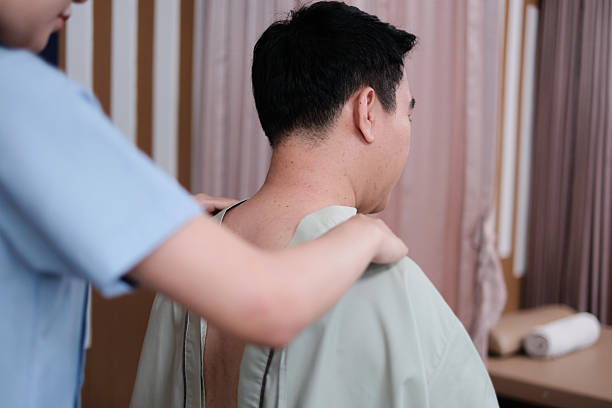
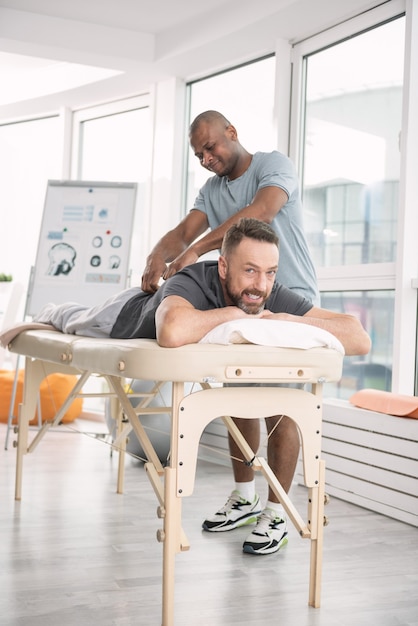
Hands-on therapy can work wonders. Techniques like myofascial release and trigger point therapy specifically target stubborn pain points. These methods don’t just mask the pain; they address it directly. Imagine finally feeling relief after struggling for so long. This is what hands-on therapy offers. Most think pain needs medication or rest, but skilled hands can often achieve more. It’s about using the right touch to unlock your body’s healing potential.

Targeted Strength and Conditioning

Strength and conditioning target the weak spots that often cause pain. By focusing on these areas, you build resilience against further issues. This isn’t just about getting stronger. It’s about rebuilding confidence in your body. You might not realise how much strength you’ve lost until you start gaining it back. When you work on specific areas, you notice changes in how you feel and move daily. This targeted approach makes a world of difference.

Load Management for Relief

Managing the load your body carries is crucial. It’s not just about avoiding heavy lifting; it’s about understanding how everyday activities affect your pain. Adjusting these can prevent further setbacks. Consider this: how often do you overdo it without realising? By managing this, you protect yourself from unnecessary pain. It’s about smart planning and listening to your body’s cues.

Lifestyle Shifts for Long-term Wellness

Long-term wellness isn’t just about addressing current pain. It’s about creating a lifestyle that supports ongoing health.

Posture and Ergonomics Tips

Good posture and ergonomics are your allies. They help prevent the aches that come from poor habits. Simple adjustments can lead to big changes in comfort. Most ignore these tips until pain strikes. But starting early saves you from future discomfort. Consider the hours you spend sitting or moving incorrectly. Improving your posture now means fewer issues later.

Integrative Lifestyle Coaching

Integrative coaching looks at the whole picture. It focuses on nutrition, sleep, and stress—factors often overlooked. These elements play a major role in how your body feels and heals. You might think small lifestyle tweaks don’t matter much, but they add up. Coaching helps you make sense of it all. It’s about aligning every part of your life with your wellness goals.

Encouragement to Book an Assessment

The longer you wait, the more entrenched the issues become. Booking an assessment is your chance to change that. It’s about taking control and saying yes to a healthier future. You’ve read this far, so why not take the next step? You deserve relief and a chance to live without pain. Choose to explore what’s possible with The Bodywright.
Click to discover more

Why pain keeps returning after massage: the missing piece most people overlook

Why pain keeps returning after massage: the missing piece most people overlook

Recurring pain after massage frustrates many who expect lasting relief. You might feel better for a short time, only for that ache to creep back again. The missing piece often lies beyond the massage table—how your body moves, carries load, and copes with daily habits. At The Bodywright, we combine assessment, movement retraining, and lifestyle coaching to tackle the root cause, not just the symptom. Ready to break this cycle? Read on to find out how lasting relief is possible. For more insights, check out this source.

Understanding Recurring Pain

When you leave a massage feeling relaxed, it’s disheartening when pain returns soon after. This is a common experience, but understanding the reasons behind it can help you find lasting relief.

Why Pain Returns After Massage

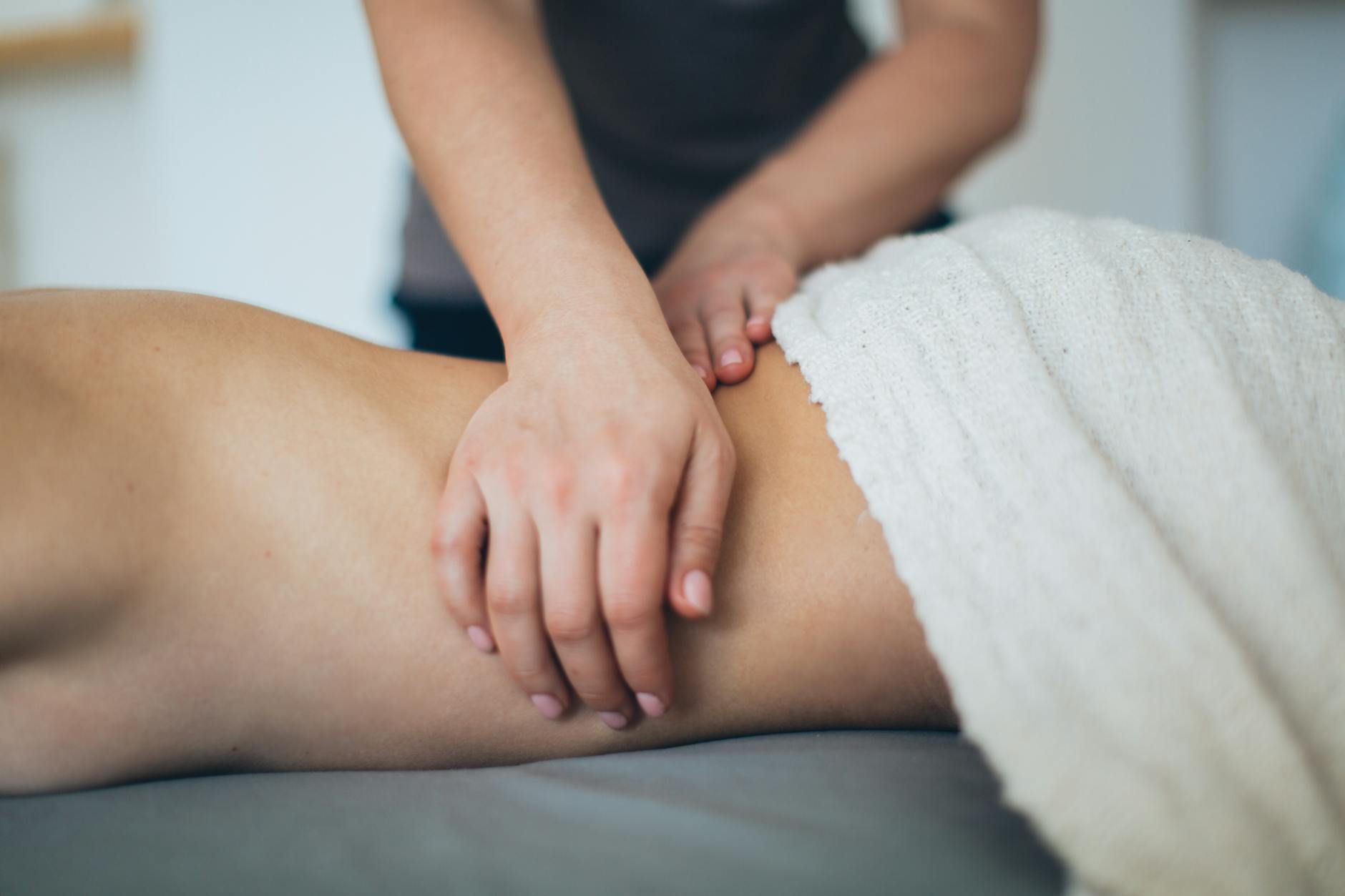
Massages provide temporary relief by loosening tight muscles and improving circulation. However, they don’t always address the root causes of pain, meaning the discomfort can resurface. Often, persistent pain is linked to how your body moves and maintains posture. For instance, if you have poor posture while sitting at a desk all day, muscle tension can quickly return, undoing the benefits of the massage.

It’s also important to consider other factors like stress levels and overall physical health. Stress can cause muscle tension, and if your body isn’t supported by good nutrition and exercise, pain can become a recurring issue. To delve deeper into this topic, this article provides some useful insights.

Hidden Causes of Persistent Pain

There are often underlying issues that contribute to ongoing pain. These can include old injuries that haven’t healed properly, or muscular imbalances caused by repetitive movements or poor ergonomics. For example, if one side of your body is stronger than the other, this imbalance can lead to strain and discomfort.

Muscles and joints can also suffer from wear and tear over time, especially if not properly managed with regular exercise and stretching. Additionally, emotional stress can manifest physically, leading to chronic pain. Many people are unaware of these hidden causes, which is why addressing them can make a significant difference. Want to learn more? Check out this source for further details.

The Role of Lifestyle Factors

Lifestyle factors such as diet, sleep, and stress management play a significant role in how your body feels post-massage. Poor nutrition can lead to inflammation, while lack of sleep can increase pain sensitivity. Stress can exacerbate tension and discomfort. Without addressing these factors, even the best massages can offer only temporary relief.

It’s essential to incorporate healthy habits into your routine to support your body’s recovery and maintain balance. This includes regular physical activity, balanced nutrition, and effective stress reduction techniques. Understanding the role of these factors can empower you to take control of your health and achieve long-term relief. For more on this, visit this link.

Holistic Approach to Pain Relief

To truly move past recurring pain, consider a holistic approach. This involves not just treating symptoms but also addressing the underlying causes through various strategies.

Movement Assessment and Retraining

A movement assessment identifies dysfunctional movement patterns that contribute to pain. By retraining these patterns, you can reduce strain on muscles and joints, enhancing your body’s efficiency. This process involves exercises tailored to your specific needs, helping you move better and experience less pain.

Imagine having a tailored plan that targets your unique movement challenges. This proactive approach can prevent future discomfort and improve overall function. Curious to see how this works? Our movement assessment offers a deeper dive into this method.

Load Management Strategies

Managing the load your body carries is crucial for preventing pain. This involves understanding how much physical activity your body can handle and adjusting accordingly. Overloading your body can lead to injury and pain, while underloading can cause weakness and stiffness.

Implementing load management strategies can include altering your exercise routines or adjusting daily activities to ensure your body operates within its limits. By finding the right balance, you can build strength without overexerting yourself, helping to prevent pain from returning.

Lifestyle Coaching for Long-Term Relief

Lifestyle coaching offers guidance on integrating healthy habits into your daily life. This includes advice on nutrition, stress management, and sleep hygiene. By addressing these areas, you can support your body’s healing processes and maintain the benefits of massage therapy.

Through personalised coaching, you are equipped with tools and strategies to sustain a pain-free lifestyle. This comprehensive approach ensures you not only find relief but also enjoy improved health and wellbeing.

Comprehensive Treatment Solutions

By adopting a comprehensive approach, you can address the root causes of pain and enjoy long-lasting relief.

Tailored Rehab Programmes

A rehab programme designed specifically for you considers your unique needs and health goals. These programmes focus on rehabilitation exercises that enhance flexibility, strength, and endurance. They are particularly beneficial for those recovering from sports injuries or dealing with chronic pain.

Programs like these ensure you receive targeted care, which can speed up recovery and prevent future problems. This tailored attention helps you achieve your health goals efficiently.

Integrative Lifestyle Coaching

Integrative coaching combines various health strategies, offering a balanced approach to wellness. This includes nutrition advice, stress management techniques, and exercise recommendations. By integrating these elements, you can support your body’s natural healing processes.

With the right guidance, you can create a sustainable lifestyle that promotes health and prevents pain. This holistic approach ensures you’re not just treating symptoms but also building a foundation for lasting wellness.

Booking Your Assessment: What to Expect

When you book an assessment with The Bodywright, you begin a journey towards understanding and addressing the true causes of your pain. The assessment includes a comprehensive evaluation of your movement patterns, lifestyle, and health history. This thorough analysis helps create a personalised plan designed to meet your specific needs.

During this assessment, you’ll receive expert advice and practical solutions, empowering you to take control of your health. Ready to start your journey to pain-free living? Contact us to book your assessment today. The sooner you start, the sooner you can enjoy lasting relief.

Click to discover more

Muscle Tightness vs Protective Tension: What Your Body Is Telling You (and When to Get Help)

Muscle Tightness vs Protective Tension: What Your Body Is Telling You (and When to Get Help)

Muscle tightness feels familiar, but protective tension is your body’s urgent signal. Knowing the difference can stop pain from taking over your day or derailing your recovery. In this post, you’ll learn simple ways to spot whether your muscles need a break or professional care. Understanding muscle tightness vs protective tension could change how you manage back or neck pain in Oxfordshire and the Cotswolds for good. For more insights into this topic, you might find this article helpful.

Understanding Muscle Tightness

Getting to grips with muscle tightness is crucial for managing discomfort effectively. Let’s start by distinguishing between everyday tightness and protective tension.

Everyday Muscle Tightness Explained

Muscle tightness is something most people experience at some point. It’s that familiar stiff feeling you get after sitting too long or maybe after a workout. This type of tightness usually comes from overuse or lack of movement. Your muscle fibres contract and shorten, causing that tense sensation.

Think about the last time you felt sore after a long day. This discomfort is common when you push your muscles a bit harder than usual. What can you do? Stretching can help, as well as gentle movement. Daily activities like walking or a bit of stretching can keep tightness at bay. But, if tightness persists, it might need more attention.

Protective Muscle Tension Defined

Protective tension, on the other hand, is your body’s way of saying something isn’t right. It’s the kind of tension that happens when your body feels threatened by potential injury. Your muscles contract to protect an area that might be vulnerable.

Unlike regular tightness, protective tension can signal a deeper issue. Perhaps it’s related to an old injury or something more serious. It’s essential to listen to your body. If this tension is persistent or accompanied by pain, it might be time to consider professional care.

For a deeper understanding of how protective tension works, check out this detailed explanation.

When Tightness Becomes a Concern

It’s normal to feel tightness now and then, but when should you be worried? If muscle tightness leads to pain or limits your daily activities, it becomes a concern. Sometimes, it can indicate a different problem, like nerve tension or joint issues.

When tightness doesn’t go away with rest or basic stretches, it might be time to look deeper. Don’t ignore your body’s signals. Getting help early can prevent more serious issues.

To learn more about differentiating muscle tightness from nerve tension, visit this bendy blog.

Self-Checks and Solutions

Now that you know more about muscle tension, let’s explore what you can do about it. Simple self-checks and safe strategies can make a big difference.

Simple Self-Checks for Tension

Checking your own tension levels can guide your next steps. Start by feeling your muscles. Is there a specific area that feels more tight than others? Gentle pressure can help reveal if an area needs attention.

Try moving around. Are there any movements that feel restricted or painful? This can indicate protective tension. Assess all areas, not just the ones that hurt. Full body checks can reveal patterns you might not notice otherwise.

Safe Steps to Alleviate Tightness

If you’re dealing with everyday tightness, simple remedies can bring relief. Gentle stretches are a great start. Focus on smooth, slow movements that ease tension without causing pain. Stretching regularly can prevent tightness from recurring.

Hydration is another key factor. Drinking enough water helps keep your muscles supple. Don’t forget the importance of rest. Giving your body time to recover is crucial. And remember, if tightness persists, it might be time to seek more help.

When to Seek Professional Help

Sometimes, self-care isn’t enough. If tightness is persistent or worsening, professional help is crucial. Pain that doesn’t improve with rest or home remedies is a clear sign to consult an expert.

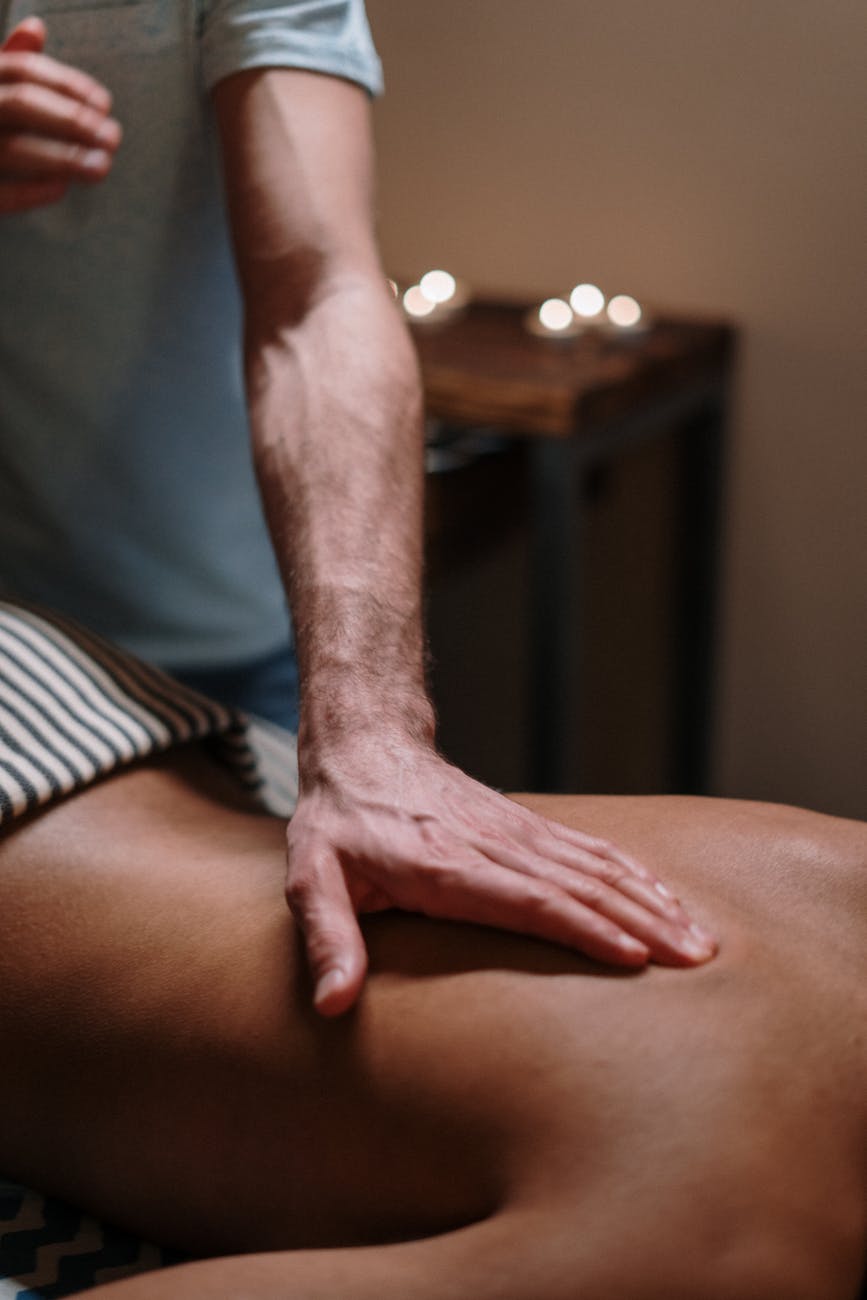
A professional can assess your situation and recommend a tailored approach. This might include a sports massage, acupuncture, or lifestyle adjustments. Don’t wait for things to get worse; early intervention can prevent long-term issues.

For more insights on chronic tension management, this article offers valuable information.

Professional Help and Recovery

Exploring professional solutions can pave the way for effective recovery and long-term wellbeing.

Tailored Recovery Programmes

At The Bodywright, we understand that each individual’s needs are unique. Our tailored recovery programmes are designed to address specific issues, whether it be back pain relief in Oxfordshire or neck pain treatment in the Cotswolds. We combine various techniques like sports massage and acupuncture to craft a plan that suits you.

Our programmes focus on improving your mobility and providing lasting pain relief. They’re not just about treatment; they also aim at preventing future problems by enhancing your overall health and well-being.

Booking an Assessment with The Bodywright

If you’re ready to address your muscle tension, booking an assessment is the first step. Our experienced practitioners will evaluate your condition thoroughly. This allows us to create a personalised strategy that aligns with your goals.

Whether it’s injury rehabilitation or lifestyle and nutrition coaching, we offer comprehensive support. Our aim is to help you achieve a pain-free life and optimal health.

Benefits of Holistic Health Guidance

Choosing a holistic approach means looking at the bigger picture. It’s not just about treating symptoms but understanding the root causes. Our guidance covers aspects like posture, biomechanics, and stress management for pain.

By focusing on these areas, we empower you to make informed choices about your health. You’ll gain insights into maintaining wellness beyond our sessions. This holistic view ensures you don’t just recover but thrive.

In conclusion, understanding the difference between muscle tightness and protective tension is key to managing your health. By taking proactive steps and seeking professional help when needed, you can enjoy a life free from unnecessary pain. The Bodywright is here to guide you on your path to recovery and wellness.

Click to discover more

Move in Balance: Your Everyday Strategy to Prevent Chronic Pain

Move in Balance: Your Everyday Strategy to Prevent Chronic Pain

Most people ignore how daily habits shape their bodies until pain shows up uninvited. That nagging stiffness at your desk or the ache after a run isn’t just bad luck—it’s often the result of imbalanced movement patterns. Learning how balanced movement supports chronic pain prevention can change the way you move through life. At The Bodywright, we’ll guide you through simple steps to improve your posture and mobility, so you can enjoy lasting relief and stay active longer. Learn more about the benefits of balanced movement here.

Why Balanced Movement Matters

Balanced movement is not just about exercise; it’s about living without pain. By assessing how you move, you can tackle the root causes of discomfort. This simple shift can improve your daily life.

Preventing Chronic Pain

Chronic pain is more common than you might think. Many people suffer due to repetitive stress or poor posture. Imagine waking up without that nagging ache in your back. By focusing on balanced movement, you can reduce strain on your muscles and joints. Regular movement helps maintain healthy tissue and reduces inflammation. A study from Harvard Health highlights that physical activity is key in managing pain source.

But here’s a twist: less is sometimes more. Over-exercising can worsen pain if not done correctly. You need to find the right balance to support your body. That’s where understanding your unique movement patterns comes into play.

Benefits of Gait and Posture Analysis

Gait and posture analysis might sound technical, but it’s simply about observing how you stand and move. This analysis can uncover hidden issues causing pain. It’s like having a mirror that shows you why your back hurts after sitting.

A detailed assessment can highlight small changes that make a big difference. For example, shifting weight evenly on both feet can prevent knee pain. According to research, consistent analysis and adjustment can lead to significant improvements in mobility and pain reduction source.

Here’s the key insight: most people overlook minor habits, assuming pain is inevitable. But small tweaks can lead to big relief, allowing you to enjoy a pain-free life.

Essential Habits for Pain-Free Living

Now that you understand the importance of balanced movement, let’s focus on habits that promote a pain-free life. Simple changes in your daily routine can make a huge impact.

Desk Posture Tips for Office Workers

Spending hours at a desk can take a toll on your body. Poor posture leads to tension and discomfort. But there’s hope. By adjusting your workspace, you can alleviate these issues.

  1. Align Your Screen: Position your monitor at eye level to avoid neck strain.

  2. Support Your Back: Use a chair with good lumbar support to maintain a natural curve in your spine.

  3. Take Breaks: Stand up and stretch every 30 minutes to keep blood flowing, reducing stiffness.

These tips are more than just quick fixes. They help you build a better relationship with your body. Remember, your workspace habits directly affect your long-term health.

Flexibility and Stability Exercises

Flexibility and stability go hand in hand. Flexibility allows for a full range of motion, while stability keeps you grounded. Together, they form a solid foundation for pain-free living.

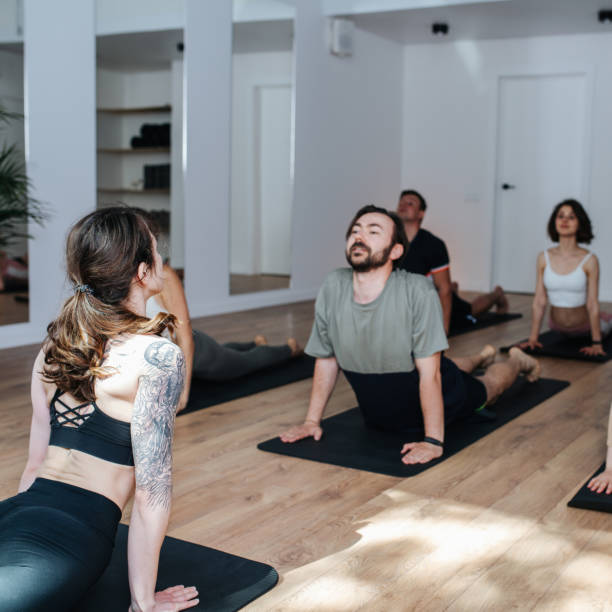
Incorporate simple exercises into your daily routine. Start with gentle stretches like toe touches or arm circles. These increase blood flow and enhance flexibility. Next, focus on stability with exercises like balance walks or single-leg stands. These exercises strengthen your core, providing better support for your spine.

Most people think exercise is about intensity, but it’s about consistency. Regular movement, even if gentle, is more beneficial than sporadic, intense workouts. This approach fosters a balanced body, reducing the likelihood of chronic pain.

The Bodywright: Your Local Partner

At The Bodywright, we know that each body is unique. We offer tailored support to help you move comfortably and confidently. Let’s explore how we can be your partner in wellness.

Tailored Programmes for Injury Prevention

Our programmes are designed with you in mind. We assess your individual needs to create a path towards pain-free living. Whether you’re recovering from an injury or preventing one, we tailor our approach to suit your goals.

Our team provides a mix of sports massage, acupuncture, and corrective exercises. This combination targets pain, enhances mobility, and boosts overall well-being. Our goal is simple: to keep you active and healthy, enjoying life to the fullest.

Movement Assessment and Sports Massage Oxfordshire

Located in Oxfordshire and The Cotswolds, we offer comprehensive movement assessments. Our experts identify areas of improvement, helping you address issues before they become chronic.

Our sports massage services complement our assessments. By releasing tension and improving circulation, massage alleviates pain and restores function. Plus, our holistic approach includes lifestyle and nutrition coaching, ensuring you have all the tools needed for pain-free living.

In summary, balanced movement is crucial for preventing chronic pain. By adopting simple habits and seeking professional guidance, you can transform your health. The Bodywright is here to support your journey to wellness, offering expertise, empathy, and tailored care. Let’s work together to achieve a life without pain.

Click to discover more

Lifestyle Changes for Long-term Neck and Back Pain Relief

Lifestyle Changes for Long-term Neck and Back Pain Relief

Neck and back pain can sneak up on you, turning simple tasks into daily struggles. If you’re searching for neck pain relief UK or back pain relief Oxfordshire, small lifestyle shifts could make a big difference. This post shares practical changes that ease discomfort, build strength, and help keep pain at bay. Stick with us to learn how to take control and start moving with ease again. Learn more here.

Simple Lifestyle Adjustments

Let’s dive into some straightforward changes you can make today. These tips could turn your everyday habits into powerful pain-relief allies.

Ergonomic Tips for Desk Workers

If you spend long hours at a desk, your setup could be the culprit behind your discomfort. A few tweaks might do wonders. Start with your chair: it should support your lower back. Your feet should rest flat on the floor. Adjust your screen to eye level to avoid straining your neck.

Don’t forget to take breaks. Stand up, stretch, and walk around every 30 minutes to keep your blood flowing. These small actions can keep neck pain at bay and improve your overall comfort at work. For more insights, check out these ergonomic tips.

Mobility Exercises for Pain Relief

Movement is medicine. Gentle exercises can ease tension and build resilience. Start with simple neck stretches: tilt your head side to side, holding each stretch for 10 seconds. For your back, try cat-cow stretches: arch your back up and then dip it down in a fluid motion.

Incorporate these stretches daily. They help maintain flexibility and reduce stiffness. Remember, the goal is to move without pain, so listen to your body and go at your own pace. Here’s a guide to back-friendly exercises.

Nutrition for Spinal Health

What you eat affects your spine. Foods rich in calcium and vitamin D support bone health. Think leafy greens and dairy. Omega-3 fatty acids, found in fish, can reduce inflammation, potentially easing pain.

Stay hydrated too. Water keeps your spinal discs healthy. A balanced diet nourishes your whole body, setting the stage for pain-free living. By making mindful food choices, you’re investing in a healthier spine. Discover more about spinal health nutrition.

Holistic Approaches to Pain Management

Beyond lifestyle tweaks, there are holistic methods that can further soothe your neck and back. Curious about new ways to find relief? Keep reading.

Acupuncture for Back Pain

Acupuncture might seem unusual, but many swear by its benefits. This ancient practice involves tiny needles stimulating specific points on your body. It’s believed to release blocked energy, alleviating pain.

Research suggests acupuncture can reduce chronic back pain. It’s non-invasive and has minimal side effects. If you’re exploring options, acupuncture might be worth considering. Learn more about acupuncture benefits.

Myofascial Release Techniques

Imagine gently pressing on your muscles to release tension. That’s what myofascial release does. Targeting knots and tight spots helps your body relax, reducing pain.

Using a foam roller or your hands, apply steady pressure on sore areas. This technique can improve circulation and ease discomfort. It’s like a self-massage that leaves you feeling refreshed.

Benefits of Sports Massage in the Cotswolds

Sports massage offers more than relaxation. It targets deeper layers of muscle, breaking up adhesions and improving mobility. If you’re in the Cotswolds, local therapists provide skilled hands to help you recover.

This massage type can aid injury recovery and prevent future issues. Treat yourself to a session and feel the difference. It’s not just a luxury; it’s a step toward a healthier you. Discover the value of sports massage.

Building Resilience and Preventing Flare-Ups

Ready to fortify your body against pain? Here’s how you can build resilience and keep those pesky flare-ups at bay.

Strength and Conditioning Programmes

Strength training isn’t just for athletes. It’s about building muscle to support your spine. Focus on your core, as it stabilises your whole body.

Incorporate exercises like planks and bridges. These moves strengthen without straining. Over time, you’ll notice improved posture and less pain. A well-rounded fitness routine is your ticket to long-term relief. See how a strength programme can help.

Posture Coaching for Long-Term Relief

Good posture isn’t just about standing tall. It’s maintaining alignment in every activity. Posture coaching helps you develop these habits.

Coaches provide personalised feedback, teaching you how to sit, stand, and move correctly. The result? Less strain on your neck and back. You’ll move with ease, free from pain.

Injury Prevention Strategies

Preventing injuries is easier than treating them. Simple strategies can safeguard your spine. Warm up before exercise and avoid sudden movements. Listen to your body’s signals and rest when needed.

These habits protect your body from harm. By staying proactive, you minimise injury risk and enjoy a pain-free life.

Feeling inspired to make changes? Each step you take brings you closer to a pain-free existence. Embrace these strategies. Your body will thank you.

Click to discover more