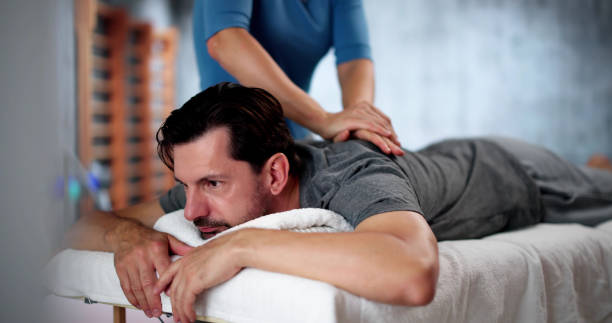
How Sports Massage Supports Recovery Without Slowing You Down

How Sports Massage Supports Recovery Without Slowing You Down

Sports massage in Oxfordshire isn’t just a luxury—it’s a smart step to keep your training on track. When niggles or aches creep in, slowing down feels like the only option. But targeted sports massage supports recovery without forcing you off your feet. In this post, you’ll learn how The Bodywright’s tailored approach helps you bounce back faster, stay active, and protect your progress. Ready to find out how to keep moving without the setbacks? Learn more about the benefits of sports massage for recovery here.

Benefits of Sports Massage
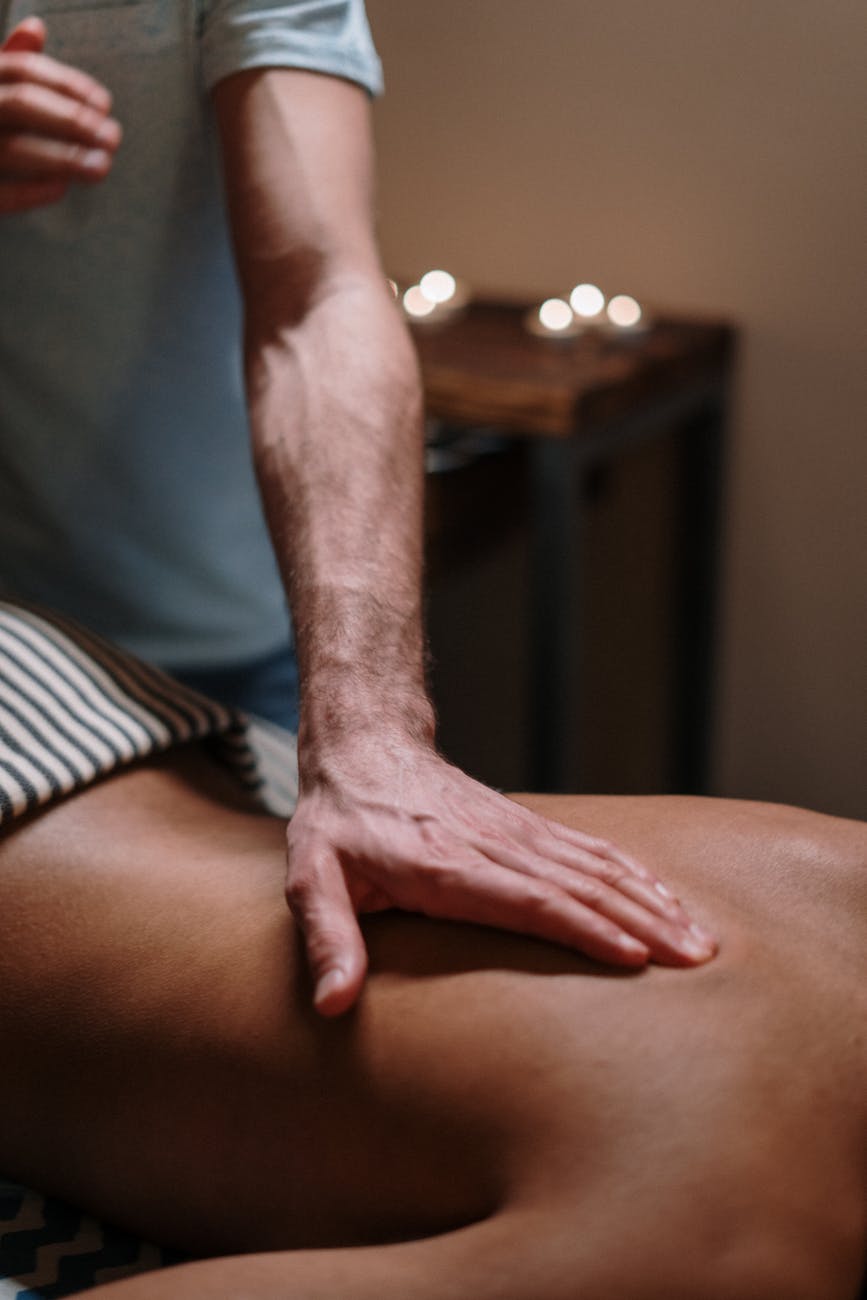
Feeling sore after a workout or training session is common. But did you know that sports massage can be a game-changer in helping you recover faster without taking a break from your routine? Let’s explore how it can be your secret weapon.

Speeding Recovery Without Delay

When you push your body to its limits, muscle soreness can follow. But what if you could reduce that soreness without missing out on your favourite activities? Sports massage promotes quicker recovery by increasing blood flow. This heightened circulation helps flush out toxins and deliver nutrients to muscles more effectively. Imagine leaving a session feeling revitalised and ready to take on your next challenge.

Instead of limping around for days, you can experience reduced muscle tension and a faster return to action. You might think that rest is the only solution after intense activity. However, incorporating regular sports massage into your routine can help maintain your momentum and keep you on the move.

Protecting Training Momentum

Every athlete knows the frustration of a disrupted training schedule. Missing sessions can feel defeating. But with sports massage, you can safeguard your progress. By addressing minor aches before they become major issues, you get to stick to your plan. The targeted techniques used in sports massage release muscle tightness, preventing small problems from escalating.

This proactive approach helps you maintain the consistency essential for improvement. Think of it as the maintenance your body needs to perform at its best. By keeping injuries at bay, sports massage ensures that you’re always ready for your next big event or personal best attempt.

Seamless Fit into Busy Lives

Balancing work, life, and fitness can be a juggling act. How do you fit in something extra like a sports massage? The answer lies in its efficiency. Each session is designed to maximise benefits in a short amount of time, making it easy to integrate into your routine.

Whether you’re an early riser or prefer evening sessions, there’s flexibility to suit every schedule. Most people assume they don’t have time for extras, but sports massage can be the quick and effective solution you didn’t know you needed. Prioritise a session, and you’ll likely find yourself more energised and less prone to injury, which ultimately saves time in the long run.

Techniques for Effective Recovery

Now that you know the benefits, it’s time to delve into the techniques that make sports massage so effective. These methods are tailored to meet your specific needs, ensuring optimal recovery and performance.

Myofascial Release and Trigger Point Therapy

Muscle stiffness and knots can be persistent issues for many athletes. Myofascial release targets these areas by applying gentle pressure to the fascia, the connective tissue surrounding muscles. This technique helps release restrictions, improving flexibility and reducing pain.

Trigger point therapy focuses on specific tight spots within muscles, known as trigger points. By applying focused pressure, it alleviates tension and restores muscle function. This combination of techniques offers a comprehensive approach to addressing muscle tightness and improving overall movement quality.

Joint Mobilisation and DOMS Relief

After intense training, the last thing you want is to be sidelined by delayed onset muscle soreness (DOMS). Joint mobilisation helps keep joints flexible by gently moving them through their natural range of motion. This technique reduces stiffness and pain, making it easier to stay active.

DOMS relief is another focus of sports massage. By improving blood flow to muscles, it reduces the severity of soreness. This means less downtime and a quicker return to peak performance. Instead of thinking soreness is inevitable, consider how sports massage can ease it and keep you going strong.

Acupuncture and Holistic Health Coaching

Sometimes, recovery requires more than just physical therapy. Acupuncture can complement sports massage by targeting pain relief and promoting relaxation. This ancient practice helps balance the body’s energy, supporting overall recovery.

Holistic health coaching further enhances recovery by addressing lifestyle factors like nutrition, sleep, and stress management. By considering the whole picture, you can optimise your recovery process and achieve better results. It’s a common belief that physical therapy alone is enough, but integrating holistic approaches can elevate your recovery experience.

Tailored Recovery at The Bodywright
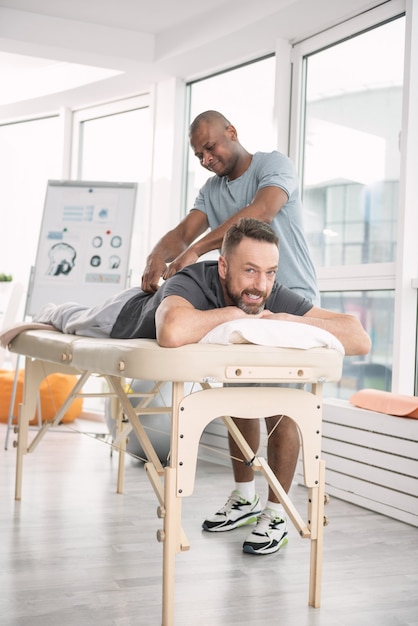
At The Bodywright, recovery isn’t a one-size-fits-all process. We believe in creating tailored programmes that address your unique needs and goals.

Personalised Recovery Programme

Every individual has different recovery needs. That’s why a personalised recovery programme is crucial. At The Bodywright, we assess your specific situation and create a plan that includes a mix of sports massage, corrective exercises, and holistic coaching.

This tailored approach ensures that you receive the right care for your body, helping you bounce back faster and stronger. Whether you’re recovering from an injury or just looking to enhance your performance, a personalised programme can make all the difference.

Sports Injury Prevention and Treatment

Injuries can set you back, but they don’t have to be part of your story. With focused injury prevention strategies, you can protect yourself from setbacks. Our programme includes techniques that strengthen weak points and improve body mechanics.

When injuries do occur, timely and effective treatment is essential. Our experienced practitioners provide targeted care to address the root cause of your pain, ensuring quick and safe recovery. Most people think injuries are inevitable, but with the right prevention and treatment, they can be significantly reduced.

Performance Optimisation for Active Lifestyles

Want to reach new heights in your performance? Our approach at The Bodywright includes strategies that optimise your body for peak performance. From improving flexibility to enhancing strength, we focus on areas that will give you the edge.

We understand that every athlete is different, and our performance optimisation plans are designed with your specific goals in mind. Reaching peak performance doesn’t have to remain a dream; with the right support, it’s within your grasp.

Whether you’re dealing with aches and pains or looking to boost your performance, The Bodywright is here to help you on your path to recovery and success. Ready to take the next step in your active journey? Let’s get started today!


Click to discover more

Faster Muscle Recovery: Nutrition and Lifestyle Coaching Tips

Faster Muscle Recovery: Nutrition and Lifestyle Coaching Tips

Muscle recovery isn’t just about resting your body. Poor nutrition and lifestyle choices can drag out soreness and hold back your performance. At The Bodywright, we’ve helped hundreds in Oxfordshire and the Cotswolds speed up recovery using proven strategies like protein timing for recovery and hydration tailored to your needs. Read on to learn simple steps that make a real difference in reducing DOMS and returning you to full strength faster. For more information, you can explore nutrition for recovery.

Nutrition Strategies for Recovery

You’ve probably heard that what you eat affects how you feel. When it comes to muscle recovery, it’s crucial. The right nutrition can help you bounce back faster. Let’s dive into some key strategies.

Protein Timing for Recovery

Protein is essential for muscle repair. But timing matters. Consuming protein shortly after exercise can help your muscles recover and grow. Aim for around 20 grams within 30 minutes post-workout. This is when your muscles are most receptive to nutrients.

You might wonder: how can you incorporate this into your routine? Simple ideas include a protein shake or a meal with lean chicken or fish. Remember, the goal is to nourish your muscles when they need it most.

Anti-inflammatory Foods

Inflammation can slow down recovery, but certain foods can help. Incorporating anti-inflammatory foods into your diet is a natural way to combat soreness. Think colourful fruits and veggies. Blueberries, spinach, and sweet potatoes are great choices.

Adding these to your meals not only reduces inflammation but also supports overall health. Next time you prepare a meal, consider these options for a tasty way to speed up recovery.

Hydration Strategies for Athletes

Staying hydrated is often overlooked, yet it’s vital for recovery. Water aids in flushing out toxins and transporting nutrients to muscles. Aim to drink at least 3 litres of water daily, especially after intense sessions.

An easy way to ensure you’re getting enough? Carry a water bottle wherever you go. Sip throughout the day, and you’ll notice a difference in how you feel post-exercise. For more detailed tips, check out hydration strategies.

Lifestyle Tips for Faster Healing

Beyond nutrition, lifestyle plays a big role in how quickly you recover. By focusing on rest and stress management, you can further enhance your recovery process.

Sleep and Recovery

Sleep is a powerful recovery tool. It’s when your body repairs itself. Strive for 7-9 hours of quality sleep each night. This ensures your body has ample time to heal and recharge.

To improve sleep quality, establish a calming bedtime routine. Dimming lights and avoiding screens can make it easier to fall asleep. Prioritising rest can lead to noticeable improvements in your recovery.

Stress Management Techniques

Stress can hinder your body’s ability to heal. Finding ways to manage stress is crucial. Simple practices like meditation or deep breathing can work wonders. Just 5 minutes a day can make a difference.

Try incorporating these techniques into your daily routine. As you reduce stress, you’ll likely find your recovery times improve and your overall wellbeing benefits too. For additional insights, explore recovery techniques.

Benefits of Acupuncture for Muscle Pain

Acupuncture can offer relief from muscle pain. This ancient practice helps release tension and promote healing. It’s a great option if you’re seeking alternative recovery methods.

Many find that acupuncture sessions lead to reduced pain and improved mobility. If you’re open to trying new approaches, this could be a valuable addition to your recovery toolkit.

Professional Support and Services

Sometimes, professional help can make all the difference. Accessing expert support ensures your recovery is well-managed and personalised.

Sports Massage in Oxfordshire and Cotswolds

A sports massage can target specific muscle issues, enhancing recovery. It’s an effective way to relieve tension and prevent future injuries. At The Bodywright, we specialise in sports massage across Oxfordshire and the Cotswolds.

Regular sessions can lead to lasting pain relief. If you’re looking to improve your recovery, consider booking a session with us. Learn more about our services here.

Tailored Rehab Programmes

Every body is unique, and recovery needs vary. A tailored rehab programme focuses on your specific needs. It offers a structured approach to recovery, ensuring each session moves you closer to your goals.

Our programmes include a mix of exercises and therapies designed just for you. Experience the benefits of a plan that adapts to your progress and needs.

Nutrition and Lifestyle Coaching

For those serious about recovery, nutrition and lifestyle coaching can provide the guidance you need. Our coaching focuses on personalised strategies to enhance your health and speed up recovery.

By working with our experienced coaches, you gain insights into effective habits and behaviours. Together, we’ll create a plan that fits your lifestyle and supports your recovery journey.

Embracing these strategies can transform your recovery. At The Bodywright, we’re committed to helping you achieve your best through tailored support and expert guidance. Whether it’s a sports massage, a rehab programme, or lifestyle coaching, we’re here to help you on your path to wellness.

Click to discover more

Hydration: The Unsung Hero of Muscle Recovery and Pain Relief

Hydration: The Unsung Hero of Muscle Recovery and Pain Relief

Most people overlook hydration when thinking about muscle recovery and pain relief. Yet, staying properly hydrated plays a key role in reducing stiffness, speeding up repair, and easing discomfort. In this post, you’ll learn how hydration for muscle recovery supports your body—from fascia glide to joint lubrication—and how The Bodywright’s holistic services can help you move with less pain and greater ease. For more information, you can find out how hydration affects your muscle recovery here.

The Role of Hydration in Muscle Recovery

Hydration is a key player in muscle recovery, often underestimated in its ability to alleviate pain and stiffness. Let’s explore how staying hydrated benefits your muscles and enhances overall recovery.

Importance of Hydration for Muscles

When it comes to keeping your muscles healthy and ready for action, water is crucial. It helps transport nutrients to your muscle cells, ensuring they function optimally. Without enough water, muscles can become fatigued more quickly, leading to cramps and discomfort. Imagine a sponge that’s dried out—it becomes stiff and inflexible. Similarly, dehydrated muscles lose their suppleness and ability to perform.

Adequate water intake ensures that your muscles are well-lubricated and flexible. This flexibility reduces the risk of injuries during exercise or daily activities. A study found that athletes who maintained hydration performed better and experienced fewer injuries. So, if you’re looking to improve your performance and protect your muscles, proper hydration is essential.

Pain Relief Through Proper Hydration

Pain can often be a signal that something is amiss in your body, and dehydration might be to blame. Water helps flush out toxins from your system, reducing inflammation and pain. Think of it as oil for your joints, keeping everything moving smoothly. Without enough water, toxins build up and can lead to pain and stiffness.

Staying hydrated can also aid in managing pain more effectively. Research shows that maintaining hydration can alleviate conditions like back pain and headaches. By ensuring you’re drinking enough water, you pave the way for less pain and more comfort. This simple step can make a significant difference in how your body feels each day. Read more on hydration and pain management here.

Practical Hydration Tips for Recovery

To make hydration work for you, consider these easy tips. First, start your day with a glass of water. It wakes up your system and gets things moving. Also, carry a water bottle with you to sip throughout the day. It’s a simple way to ensure you’re consistently hydrated.

Listening to your body is key. If you feel thirsty, it’s a sign you’re already dehydrated. Make it a habit to drink before you feel parched. Incorporate hydrating foods into your diet, like cucumbers and oranges, for an extra boost. Taking small steps like these can greatly enhance your recovery process.

Enhancing Recovery with Holistic Approaches

While hydration is fundamental, combining it with holistic approaches can significantly boost your recovery. Discover how sports massage, acupuncture, and lifestyle coaching can complement your hydration efforts and support your wellbeing journey.

Sports Massage in Oxfordshire and Cotswolds

Sports massage offers targeted relief for muscle tension and pain. By focusing on specific areas, it enhances blood circulation and aids in faster recovery. In Oxfordshire and the Cotswolds, The Bodywright provides tailored massages that address your unique needs. This approach not only alleviates current discomfort but also prevents future injuries.

Regular sports massage sessions can improve muscle flexibility and joint mobility. Most people think massages are merely for relaxation, but they play a crucial role in athletic performance and recovery. If you’re looking to recover efficiently and maintain muscle health, sports massage is a valuable addition.

Acupuncture for Pain Management

Acupuncture is another effective tool for managing pain. It works by stimulating specific points on the body to promote healing and relieve discomfort. Many have found relief from chronic pain conditions through this ancient practice. In Oxfordshire, The Bodywright integrates acupuncture into their holistic health approach.

This method is particularly useful for those suffering from persistent pain. Acupuncture can reduce inflammation and improve circulation, leading to less pain and more mobility. It’s a natural, drug-free option that complements other recovery strategies perfectly.

Lifestyle Coaching for Improved Wellbeing

Adopting a holistic lifestyle approach ensures long-term wellbeing. Lifestyle coaching focuses on creating sustainable habits that support your health goals. At The Bodywright, we emphasise personalised coaching to address areas like nutrition, sleep, and stress management.

Many overlook the impact of lifestyle on recovery. By making small, manageable changes, you can enhance your overall health and reduce the likelihood of injury. Lifestyle coaching provides the guidance needed to make these changes effective and lasting.

Addressing Common Recovery Challenges

Recovery isn’t always straightforward. Recognising and tackling common challenges such as dehydration, DOMS, and timing can make a significant difference in your recovery process.

Recognising Signs of Dehydration

Understanding when your body needs water is crucial. Common signs of dehydration include dry mouth, fatigue, and dark urine. Being aware of these can help you stay ahead of dehydration. If you notice these signs, increase your water intake promptly.

Dehydration can sneak up on you, especially during intense physical activity. Keeping an eye on these indicators ensures your body remains hydrated and functioning well. Regular check-ins with your hydration status can prevent setbacks in your recovery journey.

Managing DOMS and Muscle Cramps

Delayed Onset Muscle Soreness (DOMS) and cramps are common after intense workouts. Hydration plays a vital role in managing these issues. By maintaining adequate fluid levels, you help your muscles recover more efficiently.

Preventing cramps and reducing DOMS is all about preparation. Ensure you’re drinking enough water before, during, and after exercise. Incorporating stretches and a proper cool-down routine also aids in managing muscle soreness. These small adjustments can prevent discomfort and keep you on track with your fitness goals.

Timing and Electrolytes for Optimal Recovery

Timing your water intake can enhance recovery. Drinking water at strategic times ensures your body is well-prepared for physical stress. Incorporating electrolytes, especially during prolonged activities, can help maintain balance in your body.

Electrolytes support muscle function and prevent cramps. Including sports drinks or electrolyte-rich foods like bananas and avocados in your diet can be beneficial. By managing your hydration timing and electrolyte intake, you optimise your body’s ability to recover and perform at its best.

By understanding and addressing these elements, you set the stage for improved recovery and overall health. Stay proactive in your hydration and explore holistic treatments with The Bodywright to enhance your wellbeing journey.

Click to discover more