
Hydration: The Unsung Hero of Muscle Recovery and Pain Relief
Most people overlook hydration when thinking about muscle recovery and pain relief. Yet, staying properly hydrated plays a key role in reducing stiffness, speeding up repair, and easing discomfort. In this post, you’ll learn how hydration for muscle recovery supports your body—from fascia glide to joint lubrication—and how The Bodywright’s holistic services can help you move with less pain and greater ease. For more information, you can find out how hydration affects your muscle recovery here.
The Role of Hydration in Muscle Recovery
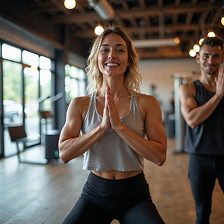
Hydration is a key player in muscle recovery, often underestimated in its ability to alleviate pain and stiffness. Let’s explore how staying hydrated benefits your muscles and enhances overall recovery.
Importance of Hydration for Muscles
When it comes to keeping your muscles healthy and ready for action, water is crucial. It helps transport nutrients to your muscle cells, ensuring they function optimally. Without enough water, muscles can become fatigued more quickly, leading to cramps and discomfort. Imagine a sponge that’s dried out—it becomes stiff and inflexible. Similarly, dehydrated muscles lose their suppleness and ability to perform.
Adequate water intake ensures that your muscles are well-lubricated and flexible. This flexibility reduces the risk of injuries during exercise or daily activities. A study found that athletes who maintained hydration performed better and experienced fewer injuries. So, if you’re looking to improve your performance and protect your muscles, proper hydration is essential.
Pain Relief Through Proper Hydration
Pain can often be a signal that something is amiss in your body, and dehydration might be to blame. Water helps flush out toxins from your system, reducing inflammation and pain. Think of it as oil for your joints, keeping everything moving smoothly. Without enough water, toxins build up and can lead to pain and stiffness.
Staying hydrated can also aid in managing pain more effectively. Research shows that maintaining hydration can alleviate conditions like back pain and headaches. By ensuring you’re drinking enough water, you pave the way for less pain and more comfort. This simple step can make a significant difference in how your body feels each day. Read more on hydration and pain management here.
Practical Hydration Tips for Recovery
To make hydration work for you, consider these easy tips. First, start your day with a glass of water. It wakes up your system and gets things moving. Also, carry a water bottle with you to sip throughout the day. It’s a simple way to ensure you’re consistently hydrated.
Listening to your body is key. If you feel thirsty, it’s a sign you’re already dehydrated. Make it a habit to drink before you feel parched. Incorporate hydrating foods into your diet, like cucumbers and oranges, for an extra boost. Taking small steps like these can greatly enhance your recovery process.
Enhancing Recovery with Holistic Approaches

While hydration is fundamental, combining it with holistic approaches can significantly boost your recovery. Discover how sports massage, acupuncture, and lifestyle coaching can complement your hydration efforts and support your wellbeing journey.
Sports Massage in Oxfordshire and Cotswolds
Sports massage offers targeted relief for muscle tension and pain. By focusing on specific areas, it enhances blood circulation and aids in faster recovery. In Oxfordshire and the Cotswolds, The Bodywright provides tailored massages that address your unique needs. This approach not only alleviates current discomfort but also prevents future injuries.
Regular sports massage sessions can improve muscle flexibility and joint mobility. Most people think massages are merely for relaxation, but they play a crucial role in athletic performance and recovery. If you’re looking to recover efficiently and maintain muscle health, sports massage is a valuable addition.
Acupuncture for Pain Management
Acupuncture is another effective tool for managing pain. It works by stimulating specific points on the body to promote healing and relieve discomfort. Many have found relief from chronic pain conditions through this ancient practice. In Oxfordshire, The Bodywright integrates acupuncture into their holistic health approach.
This method is particularly useful for those suffering from persistent pain. Acupuncture can reduce inflammation and improve circulation, leading to less pain and more mobility. It’s a natural, drug-free option that complements other recovery strategies perfectly.
Lifestyle Coaching for Improved Wellbeing
Adopting a holistic lifestyle approach ensures long-term wellbeing. Lifestyle coaching focuses on creating sustainable habits that support your health goals. At The Bodywright, we emphasise personalised coaching to address areas like nutrition, sleep, and stress management.
Many overlook the impact of lifestyle on recovery. By making small, manageable changes, you can enhance your overall health and reduce the likelihood of injury. Lifestyle coaching provides the guidance needed to make these changes effective and lasting.
Addressing Common Recovery Challenges

Recovery isn’t always straightforward. Recognising and tackling common challenges such as dehydration, DOMS, and timing can make a significant difference in your recovery process.
Recognising Signs of Dehydration
Understanding when your body needs water is crucial. Common signs of dehydration include dry mouth, fatigue, and dark urine. Being aware of these can help you stay ahead of dehydration. If you notice these signs, increase your water intake promptly.
Dehydration can sneak up on you, especially during intense physical activity. Keeping an eye on these indicators ensures your body remains hydrated and functioning well. Regular check-ins with your hydration status can prevent setbacks in your recovery journey.
Managing DOMS and Muscle Cramps
Delayed Onset Muscle Soreness (DOMS) and cramps are common after intense workouts. Hydration plays a vital role in managing these issues. By maintaining adequate fluid levels, you help your muscles recover more efficiently.
Preventing cramps and reducing DOMS is all about preparation. Ensure you’re drinking enough water before, during, and after exercise. Incorporating stretches and a proper cool-down routine also aids in managing muscle soreness. These small adjustments can prevent discomfort and keep you on track with your fitness goals.
Timing and Electrolytes for Optimal Recovery
Timing your water intake can enhance recovery. Drinking water at strategic times ensures your body is well-prepared for physical stress. Incorporating electrolytes, especially during prolonged activities, can help maintain balance in your body.
Electrolytes support muscle function and prevent cramps. Including sports drinks or electrolyte-rich foods like bananas and avocados in your diet can be beneficial. By managing your hydration timing and electrolyte intake, you optimise your body’s ability to recover and perform at its best.
By understanding and addressing these elements, you set the stage for improved recovery and overall health. Stay proactive in your hydration and explore holistic treatments with The Bodywright to enhance your wellbeing journey.