
Stressed to Supple: How Stress Triggers Muscle Pain — and Practical Ways to Reduce It
Stress and muscle pain often go hand in hand, leaving you with tight necks, shoulders, and backs that refuse to relax. When your body holds onto stress, muscles stiffen and aches grow louder, making daily life harder. This guide will show you simple, proven ways to ease that tension and regain your freedom of movement. Ready to feel looser and calmer? Book your Initial Assessment at The Bodywright and start your personalised plan today.
Understanding Stress and Muscle Pain

Stress can wrap around your muscles, leaving them tense and aching. When stress hits, your body’s natural response is to tighten up, leading to painful knots. But why does this happen, and what can you do about it?
How Stress Affects Muscles
Your muscles react to stress as if bracing for impact. When you feel stressed, your body shifts into protective mode, causing muscles to contract. This is often seen in the neck, shoulders, and back. They remain tense, leading to discomfort and restricted movement.
Think about the last time you were stressed: Did your shoulders creep up towards your ears? It’s a natural response, but over time, this tension can become painful. The key to relief is learning to interrupt this cycle, allowing your muscles to relax instead.
The Role of Cortisol in Pain
Cortisol is a hormone that spikes during stress. While it helps you cope with short-term stress, prolonged exposure can increase pain sensitivity. When cortisol levels stay high, they can make your muscles feel more painful than they are.
Consider cortisol as an alarm bell. It’s useful in short bursts, but when it keeps ringing, it becomes a problem. Lowering stress levels can help reduce cortisol, easing the tension in your muscles. Learn more about the effects of cortisol and stress.
Common Stress-Related Pain Areas
Stress loves to settle in certain areas. The neck, shoulders, and back are common spots, but your jaw and head can also be affected. This tension can lead to headaches and jaw pain, often linked to clenching or grinding your teeth at night.
It’s vital to recognise these patterns. Knowing where stress hits can help you address it. For instance, if your jaw often feels tight, it might be time to explore exercises or treatments to ease that tension.
Practical Strategies to Reduce Muscle Tension
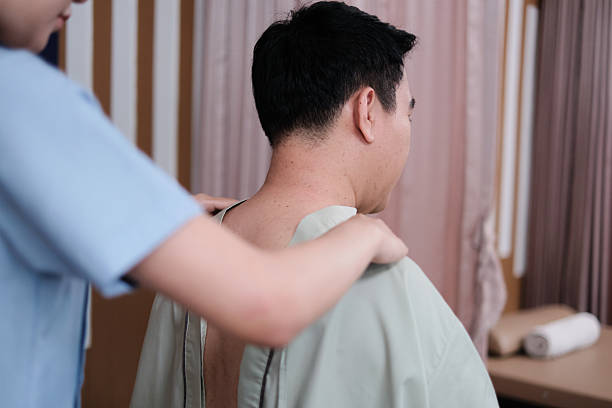
Now that you understand how stress affects your body, let’s explore ways to release this tension. Simple strategies can go a long way in helping muscles relax and improving your overall well-being.
Effective Breathing Exercises for Stress
Breathing is more powerful than you might think. Deep breathing exercises can calm your mind and body, reducing muscle tension. Try this: Inhale deeply for four counts, hold for four, and exhale slowly for six. Repeat this cycle several times.
This technique helps lower cortisol, promoting relaxation. Make it a daily habit, especially when you sense stress building up. Discover more breathing techniques to reduce stress.
Developing a Mobility and Stretching Routine
A consistent routine can keep your muscles flexible. Stretching gently helps release tightness, allowing for better movement. Focus on areas where you feel the most tension, like your neck or back.
Include simple stretches: Neck tilts, shoulder rolls, and gentle back twists. Perform these stretches regularly, especially if you sit for long periods. Your muscles will thank you for it, and you’ll notice a difference in how you feel.
Importance of Posture and Desk Set-Up
Your posture plays a significant role in muscle tension. Poor desk set-up can lead to hunched shoulders and a sore back. Adjust your chair and screen height to maintain an upright posture, with feet flat on the floor.
Consider using a standing desk if possible. Alternating between sitting and standing can reduce stress on your muscles. Remember, small changes in your environment can have a significant impact on how your body feels.
Tailored Treatments at The Bodywright

At The Bodywright, we offer a range of treatments designed to target stress-related muscle pain. From sports massage to holistic health coaching, there’s a solution tailored to your needs.
Benefits of Sports Massage in Oxfordshire
Sports massage works wonders on tight muscles. It targets specific areas, releasing knots and improving flexibility. Whether you’re an athlete or dealing with daily stress, this treatment can provide relief.
Regular sessions can prevent injuries and enhance performance. Plus, it feels incredibly relaxing. Consider it an investment in your well-being, giving you the freedom to move comfortably.
Acupuncture for Stress Relief
Acupuncture is an ancient technique that can help reduce stress and pain. By inserting fine needles into specific points, it promotes the body’s natural healing processes. This can lead to reduced muscle tension and a calmer mind.
Many find acupuncture soothing, and it’s an effective way to manage stress. If you’re curious, it’s worth exploring how it might benefit you. Learn more about acupuncture for stress relief.
Holistic Health Coaching and Lifestyle Guidance
Holistic health coaching offers a comprehensive approach to wellness. It focuses on diet, exercise, and stress management, providing you with tools to maintain good health. This guidance can lead to lasting changes that reduce muscle tension and enhance your life.
By understanding your unique needs, we tailor our approach to support you. With the right guidance, you can achieve a healthier, more balanced lifestyle, free from the constraints of stress and pain.
Conclusion
Understanding the link between stress and muscle pain is the first step to relief. By incorporating simple strategies and seeking tailored treatments at The Bodywright, you can reduce tension and enjoy a more comfortable life. Remember, your path to stress-free living begins with informed choices and consistent action.