What a Personalised Massage and Wellness Programme Includes at The Bodywright

What a Personalised Massage and Wellness Programme Includes at The Bodywright

Forget everything you know about massage programmes that treat symptoms but leave you stuck in the same cycle. At The Bodywright, your personalised massage programme begins with a detailed posture and movement assessment to understand what your body truly needs. You’ll get a tailored plan combining sports and remedial massage Oxfordshire trusts, acupuncture for pain relief, and integrative lifestyle coaching designed to help you move better and live pain-free. Ready to move freely again? Book your Initial Assessment in Oxfordshire or the Cotswolds, or schedule a complimentary 15-minute discovery call to see if our programme is right for you.

Personalised Massage Programme Essentials
Let’s begin your journey to wellness with a programme designed just for you. At the core of a successful plan is understanding your unique needs.

Comprehensive Assessment Process

The first step is a detailed assessment. We examine your posture and movement to pinpoint the real causes of discomfort. This isn’t a quick once-over. It’s a thorough look at how you move every day. Why? Because true healing starts with understanding your body’s story.

By focusing on what matters, we can tailor a plan that addresses the root of the problem, not just the symptoms. This step ensures that every treatment you receive is laser-focused on getting you back to feeling your best. Your journey doesn’t just end here. It lays the foundation for effective treatments.

Customised Treatment Techniques

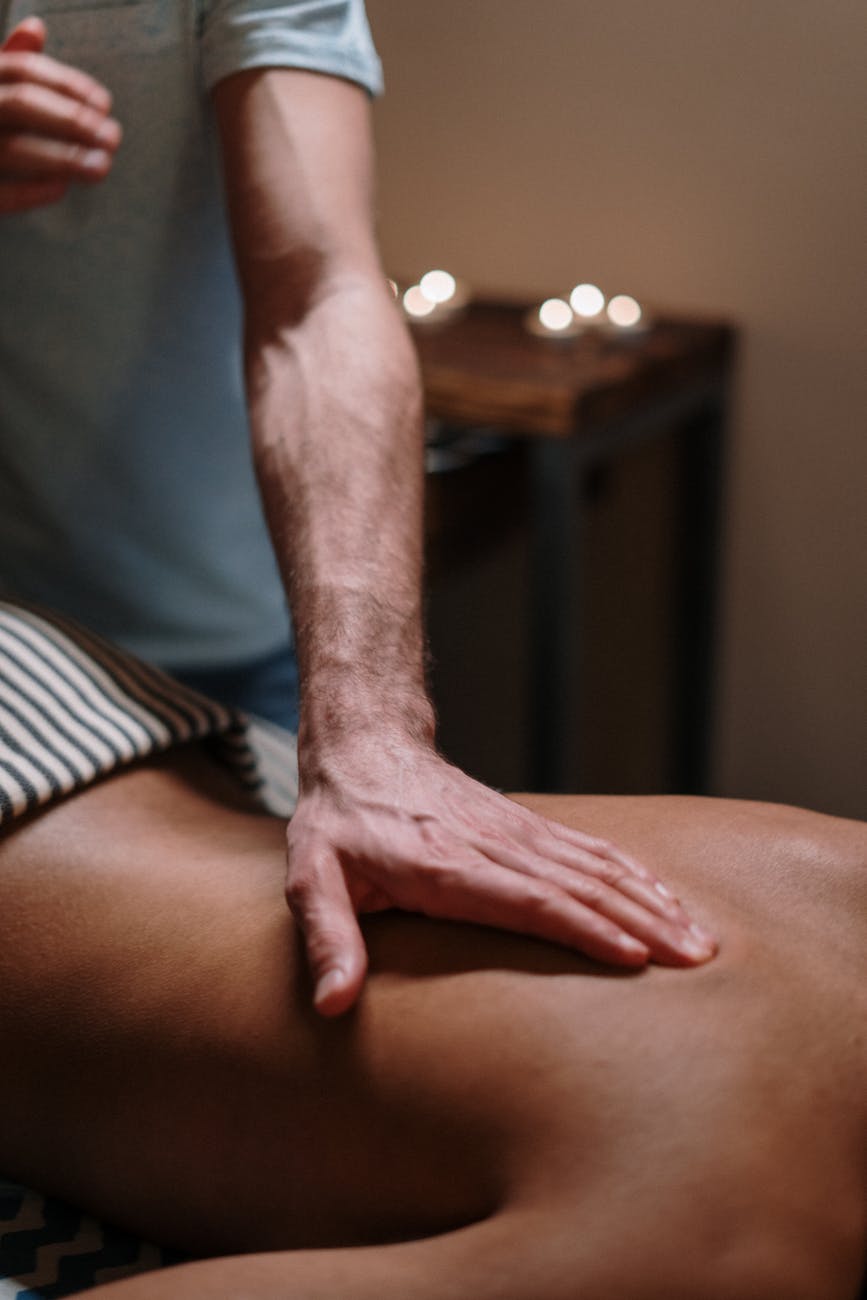
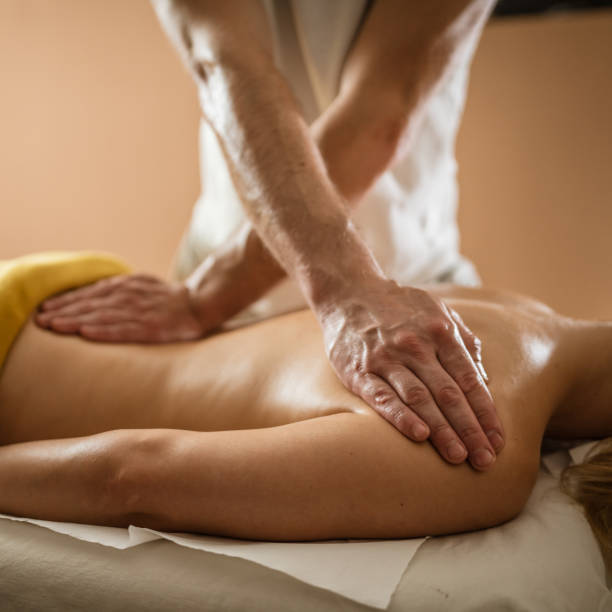
Once we’ve understood your needs, we create a treatment plan that’s as unique as you are. We don’t believe in one-size-fits-all solutions. Our treatments range from trigger point therapy to myofascial release, each chosen to suit your specific situation.

Every session aims to bring relief and improve your body’s function. Imagine feeling the tension melt away as our skilled therapists work on the areas that need attention. This is how we help you move without pain. The relief from each session builds up, leading you to a healthier future.

Integrative Lifestyle Coaching

Your wellness journey includes more than just physical treatments. We offer integrative lifestyle coaching to enhance how you live every day. This means looking at your nutrition, stress levels, and sleep patterns.

We guide you in making small changes that yield big results. Think of it as a step-by-step approach to transforming your lifestyle. By focusing on these elements, you support the work done in your sessions. Your path to wellness becomes sustainable, and your everyday life improves significantly.

Targeted Pain Relief and Recovery

Now that we’ve set the foundation, the next focus is on targeted pain relief. This is where you start feeling the significant changes.

Sports and Remedial Massage Oxfordshire

Our sports and remedial massage in Oxfordshire is designed for those who want to address pain and prevent future injuries. Whether you’re an athlete or someone dealing with persistent discomfort, this massage is tailored to you.

Each session targets specific issues, helping release tension and improve mobility. Imagine finally being able to move without that nagging pain. This isn’t just about temporary relief. It’s about building a foundation for a pain-free life. Regular sessions enhance your recovery and prevent problems from recurring.

Acupuncture for Pain Relief

Acupuncture is a powerful tool in pain relief. By focusing on specific points, it reduces discomfort and promotes healing. This technique complements your massage treatments perfectly.

The benefits of acupuncture are well-documented. Many find it eases pain and boosts overall wellbeing. It’s a gentle yet effective way to support your journey to wellness. By incorporating acupuncture, you add a layer of healing that enhances the other treatments, leading to better outcomes.

Tailored Rehab Plan Benefits

Each rehab plan is customised to meet your needs, ensuring the best results. This isn’t about generic exercises. It’s about a tailored rehab plan that focuses entirely on you.

You’ll follow a programme designed to strengthen and support your body. This method reduces future risks and keeps you on track. Imagine the confidence you’ll gain knowing your body is getting stronger and more resilient. A tailored plan means every exercise you do is there for a purpose, bringing you closer to your goals.

Holistic Health and Performance Boost

Looking to enhance your overall performance? This section covers how our programme can improve your health and physical abilities.

Strength and Conditioning Support

Building strength is crucial for maintaining health. Our sessions focus on exercises that improve strength and conditioning, tailored to your level.

These exercises are designed to boost your performance in daily activities. Imagine feeling stronger and more capable every day. By focusing on strength, you build a body that can handle life’s demands more easily. This support is vital for long-term health and helps you stay active and vibrant.

Mobility and Flexibility Improvement

Flexibility is key to preventing injuries and enhancing performance. Our programme focuses on mobility and flexibility improvement, helping you move with ease.

Imagine the benefits of increased flexibility: better posture, reduced pain, and enhanced performance. This aspect of your plan is all about giving your body the freedom to move as it should. Regular sessions ensure you maintain this flexibility, supporting your overall wellness journey.

Long-term Wellness Packages Options

For those committed to long-term health, we offer various wellness package options. These packages ensure consistent care and support, helping you achieve lasting results.

In these packages, you’ll find everything you need to maintain your progress. Whether it’s a 3-month package or a longer plan, each option keeps you on the path to wellness. Imagine the peace of mind knowing you have ongoing support to keep you healthy and strong.

Incorporating these components into your routine at The Bodywright helps you achieve a healthier, more balanced life. Ready to start your journey? Take the first step towards pain-free living.

Click to discover more

When Stretching Isn’t Enough: What to Do for Stubborn Back or Neck Pain

When Stretching Isn’t Enough: What to Do for Stubborn Back or Neck Pain

Stretching can feel like a quick fix when back or neck pain strikes, but what happens when it just stops working? If your pain lingers despite regular stretching or yoga, it’s a sign you need a deeper approach. Here, you’ll learn why stubborn pain demands more than simple moves and how The Bodywright’s personalised treatment plan can guide you back to comfort and strength. Ready to find lasting relief? Read more here.

When Stretching Doesn’t Help

Imagine this: you’ve tried stretching, yoga, and everything else, but your back or neck pain just won’t quit. It might be time to explore why these efforts aren’t enough.

Assessing the Root Causes

Finding the underlying causes of persistent pain is crucial. Often, pain persists because the root issue remains unaddressed. It could be an overlooked injury or muscular imbalance. Identifying these can transform your approach to pain relief. Most people assume stretching will fix it all. But the truth is, without understanding what’s really wrong, you’re just guessing. Consider this: have you explored every angle of your pain? If not, you might be missing a vital clue.

Importance of Comprehensive Assessment

Here’s the key insight: a thorough examination changes everything. By delving into your body’s unique story, you get a clearer picture of what’s really going on. This isn’t just about a quick fix. It’s about crafting a plan that’s genuinely effective. Many assume they need complex solutions, but often, it’s about understanding the basics deeply. A comprehensive assessment gives you the clarity you need for a path forward.

Booking with The Bodywright

Booking with The Bodywright means taking the first step toward a tailored solution. You get a chance to discuss your pain and goals with experts who truly listen. This isn’t a one-size-fits-all approach. It’s about creating a strategy that fits your unique needs. If you’ve tried other methods without success, this personalised path could be the change you’re looking for.

Effective Pain Relief Strategies

Once you’ve identified the root causes, it’s time to explore effective strategies. These are not your average treatments—they’re designed to provide real relief.

Hands-on Therapy Techniques

Hands-on therapy can work wonders. Techniques like myofascial release and trigger point therapy specifically target stubborn pain points. These methods don’t just mask the pain; they address it directly. Imagine finally feeling relief after struggling for so long. This is what hands-on therapy offers. Most think pain needs medication or rest, but skilled hands can often achieve more. It’s about using the right touch to unlock your body’s healing potential.

Targeted Strength and Conditioning

Strength and conditioning target the weak spots that often cause pain. By focusing on these areas, you build resilience against further issues. This isn’t just about getting stronger. It’s about rebuilding confidence in your body. You might not realise how much strength you’ve lost until you start gaining it back. When you work on specific areas, you notice changes in how you feel and move daily. This targeted approach makes a world of difference.

Load Management for Relief

Managing the load your body carries is crucial. It’s not just about avoiding heavy lifting; it’s about understanding how everyday activities affect your pain. Adjusting these can prevent further setbacks. Consider this: how often do you overdo it without realising? By managing this, you protect yourself from unnecessary pain. It’s about smart planning and listening to your body’s cues.

Lifestyle Shifts for Long-term Wellness

Long-term wellness isn’t just about addressing current pain. It’s about creating a lifestyle that supports ongoing health.

Posture and Ergonomics Tips

Good posture and ergonomics are your allies. They help prevent the aches that come from poor habits. Simple adjustments can lead to big changes in comfort. Most ignore these tips until pain strikes. But starting early saves you from future discomfort. Consider the hours you spend sitting or moving incorrectly. Improving your posture now means fewer issues later.

Integrative Lifestyle Coaching

Integrative coaching looks at the whole picture. It focuses on nutrition, sleep, and stress—factors often overlooked. These elements play a major role in how your body feels and heals. You might think small lifestyle tweaks don’t matter much, but they add up. Coaching helps you make sense of it all. It’s about aligning every part of your life with your wellness goals.

Encouragement to Book an Assessment

The longer you wait, the more entrenched the issues become. Booking an assessment is your chance to change that. It’s about taking control and saying yes to a healthier future. You’ve read this far, so why not take the next step? You deserve relief and a chance to live without pain. Choose to explore what’s possible with The Bodywright.

Click to discover more

Keep Training, Keep Healing: How Sports Massage Supports Injury Recovery Without Disrupting Your Programme

Keep Training, Keep Healing: How Sports Massage Supports Injury Recovery Without Disrupting Your Programme

Injury doesn’t have to mean hitting pause on your training. Sports massage in Oxfordshire offers targeted support that eases pain, speeds healing, and helps you keep moving—without forcing a full stop. At The Bodywright, we blend expert soft tissue therapy with tailored rehab plans to help you train smart while recovering strong. Keep reading to find out how you can stay active and bounce back faster with injury recovery massage designed around your goals. For further insights, you can read about the benefits of sports massage.

Benefits of Sports Massage

Staying active while navigating an injury can feel like a tightrope walk. Here’s how sports massage keeps you steady and strong on this journey.

Pain Relief and Recovery

Imagine soothing sore muscles and bouncing back quicker from strain. That’s the magic of sports massage. By focusing on areas that need attention, massage helps reduce discomfort and speeds up recovery. A study found that massage therapy can lower muscle soreness by 30%, allowing you to return to your routine faster.

Massage therapy also improves blood circulation. Improved blood flow means nutrients reach your muscles more efficiently, aiding healing. It’s not just about feeling good; it’s about getting better, too. For more on how massage supports recovery, check this article.

Enhancing Mobility and Flexibility

Think about the freedom of moving without restriction. Sports massage helps enhance mobility and flexibility, key components of athletic performance. By focusing on soft tissues, massage can loosen tight areas and restore range of motion.

Regular sessions can also prevent injuries by preparing your muscles for activity. Consider it your secret weapon for maintaining flexibility and strength. This proactive approach helps you stay in the game, enhancing your overall performance.

Supporting Training Around Injury

Training doesn’t have to stop when you’re injured. Sports massage supports your efforts by allowing you to continue modified training. It targets trouble spots while ensuring your body remains strong and capable.

Massage therapy also aids in developing a tailored plan for your specific needs. This means you can train smart without risking further injury. With the right support, you can keep pushing forward and achieve your goals.

The Bodywright Approach

At The Bodywright, we take a comprehensive look at your health, ensuring you receive the best care possible. Let’s explore how our approach makes all the difference.

Tailored Rehab Programmes

Every individual is unique, and so is your recovery plan. At The Bodywright, we craft tailored rehab programmes that address your specific needs. This personalised approach ensures you receive the most effective treatment possible.

By focusing on your goals and challenges, we create a path that promotes healing and strength. Whether it’s returning to sport or enhancing mobility, our programmes are designed to support you every step of the way.

Communication and Collaboration

Effective communication is the cornerstone of our approach. We believe in working closely with you to understand your concerns and aspirations. This collaboration ensures you feel heard and supported throughout your recovery journey.

Our team also collaborates with other health professionals, ensuring you receive comprehensive care. This integrated approach means you’re not alone on this path; you have a team dedicated to your success.

Holistic Health and Coaching

Health goes beyond physical recovery. At The Bodywright, we offer holistic health and coaching to support your overall well-being. This includes lifestyle and nutrition coaching, helping you make sustainable changes.

By addressing all aspects of your health, we empower you to achieve lasting results. It’s about building a foundation for wellness that supports your life, not just your recovery.

Booking Your Path to Recovery

Ready to take the next step? Let’s explore how booking a session with The Bodywright can set you on the path to recovery and wellness.

Consultation and Assessment

Every journey begins with understanding where you are now. Our consultations are designed to assess your current condition and set a clear path forward. We listen to your concerns and goals, ensuring your needs are at the forefront.

This assessment helps us create a plan that’s as unique as you are, ensuring you’re on the right track from the start. It’s the first step towards a healthier, more active life.

Integrated Treatments and Support

Our treatments don’t stand alone. They are part of an integrated support system designed to enhance your recovery. From massage to holistic health coaching, each element works together to promote your well-being.

This integrated approach ensures you’re not just treating symptoms but addressing root causes. It’s about finding lasting solutions that support your health for the long term.

Special Offers and Programmes

Looking for a way to start your recovery journey? We offer special programmes designed to meet various needs and budgets. Whether you’re looking for short-term relief or long-term wellness support, there’s an option for you.

These programmes make it easier to commit to your health and see results. Don’t wait; the longer you delay, the longer you stay in discomfort. Choose your path to recovery with The Bodywright today.

Click to discover more

Is Your Tightness Actually Protective Tension? How to Spot It and What to Do

Is Your Tightness Actually Protective Tension? How to Spot It and What to Do

Muscle tightness is often a sign your body is protecting itself, not just a simple ache. Protective tension is your nervous system’s way of guarding against pain or injury. Knowing the difference can change how you handle persistent tightness and avoid long-term discomfort. Keep reading to learn simple checks and what steps you can take to ease that tension for good. https://www.daniwinksflexibility.com/bendy-blog/diagnosing-muscle-tightness-vs-nerve-tension

Understanding Protective Tension

Grasping the concept of protective tension can help you manage discomfort more effectively. It’s essential to understand what sets it apart from everyday tightness.

Differentiating Muscle Tightness

Muscle tightness often feels like a dull, persistent ache. You might notice it after a workout or a long day at a desk. Protective tension, however, is different. It acts as a barrier. Instead of a mild strain, it feels like a protective wall your body has built. This tension is a signal from your nervous system, attempting to shield you from further harm.

Many confuse these types of tightness. The key is recognising both the sensation and the context. Protective tension usually arises without clear cause. For instance, you might feel it when you’re at rest. Explore more about this to understand how it manifests.

Role of the Nervous System

Your nervous system plays a crucial role in muscle tension. It’s like the command centre that decides when to activate protective measures. When it perceives a threat, real or imagined, it signals muscles to tighten. This response can be due to stress, fatigue, or past injuries.

Interestingly, this protection can sometimes work against you. If your muscles stay tense for too long, it can lead to discomfort or even pain. Learning how your nervous system influences muscle behaviour is the first step toward managing this tension. For further details on this connection, visit this resource.

Common Signs of Protective Tension

There are several indications that your muscles are under protective tension. You might find it challenging to relax even during rest. This tension often appears without a clear reason. You may also notice that stretching provides little relief.

Most people assume that tight muscles are always due to physical exertion. However, recognising protective tension can change your approach to dealing with discomfort. If you suspect this type of tension, addressing it correctly is crucial for long-term relief.

Self-Checks and Solutions

Identifying protective tension is the first step. Next, consider some practical checks and solutions you can try at home.

Simple Tests at Home

You can perform some simple tests to understand your muscle tension better. Start by observing when and where the tightness occurs. Is it after a specific activity, or does it appear randomly? Keep a log of these occurrences.

Next, try gentle movements. These can help determine if the tension eases or intensifies. While performing these tests, listen to your body. Note any patterns that emerge. This information can be invaluable when discussing symptoms with a professional.

Techniques for Nervous System Regulation

Regulating your nervous system can help reduce protective tension. One effective method is deep breathing. This technique calms the nervous system, signalling your muscles to relax. Another method is progressive muscle relaxation. This involves tensing each muscle group and then releasing the tension slowly.

Mindfulness exercises can also prove beneficial. Practices like yoga or tai chi focus on body awareness and relaxation. Incorporating these activities into your routine can help in managing tension effectively.

When to Seek Professional Help

While self-care techniques can be effective, there are times when professional guidance is necessary. If your tension persists despite efforts to manage it, consider consulting a specialist. A professional can offer tailored advice and treatment options.

Persistent tension might indicate underlying issues that need addressing. Early intervention can prevent further complications and provide relief. Don’t hesitate to seek help when needed. It’s crucial for maintaining your health and wellbeing.

Professional Assessment at The Bodywright

When self-care isn’t enough, a professional assessment can offer deeper insights into your muscle tension. At The Bodywright, we provide comprehensive services tailored to your needs.

Benefits of Sports Massage

Sports massage offers targeted relief for muscle tension. It helps improve circulation and reduce stiffness. Our experienced practitioners focus on specific areas that need attention, providing relief from tension and discomfort.

Regular massage sessions can aid in reducing protective tension by improving muscle flexibility and joint mobility. This approach not only addresses symptoms but also promotes long-term wellbeing.

Comprehensive Movement Assessment

A comprehensive movement assessment can identify the root cause of your tension. This process involves evaluating your movement patterns to pinpoint areas of concern. It helps in creating a personalised treatment plan that suits your unique needs.

Understanding your movement patterns allows for targeted interventions. With this knowledge, we can guide you through exercises and treatments designed to alleviate tension and enhance mobility.

Booking Your Appointment in Oxfordshire and the Cotswolds

Ready to take the next step? The Bodywright is here to support you. Booking an appointment is simple. Our skilled therapists are ready to help you find relief and improve your quality of life.

Don’t let protective tension hold you back. Whether you’re in Oxfordshire or the Cotswolds, we’re here to guide you on your journey to recovery. Our holistic approach ensures you get the care you deserve. Embrace a pain-free life with our expert support.

Click to discover more

Persistent Pain: When to Seek Help Before It Becomes a Bigger Problem

Persistent Pain: When to Seek Help Before It Becomes a Bigger Problem

Persistent pain doesn’t just go away on its own—it often worsens when ignored. You might think it’s just part of daily life, but those nagging aches could signal something more serious. Knowing when to see a therapist for pain can save you from long-term issues and get you back to feeling your best. Let’s explore the signs that mean it’s time to act before pain takes over your life. For more information, you can check out this resource.

Recognising Persistent Pain

Understanding when pain is more than a minor inconvenience is crucial. Persistent pain can sneak up and become a part of daily life. Learn to spot the signs early and take action before it escalates.

Signs You Shouldn’t Ignore

You might dismiss that constant ache as just a part of life. But when the pain lingers beyond a few weeks, it’s time to pay attention. Ignoring persistent pain can lead to more serious issues, like chronic pain or injury. Watch out for these signs:

  • Pain lasting longer than three months.

  • Discomfort that disrupts sleep or daily activities.

  • Increasing intensity or frequency over time.

These indicators suggest it’s time to consider professional help. Don’t wait until it’s too late. Early attention can prevent further complications. For more insights, explore this blog article.

When to See a Therapist for Pain

Deciding when to see a therapist can be tricky. If your pain doesn’t respond to over-the-counter treatments or rest, it’s a red flag. Professional evaluation can identify the root cause, providing tailored solutions to bring relief.

Therapists use various methods, including physical therapy and targeted exercises, to manage pain effectively. They help restore mobility and improve overall quality of life. By addressing pain early, you reduce the risk of developing chronic conditions.

For a detailed guide on managing pain, check this pain management resource.

Benefits of Early Intervention

Early intervention in pain management offers numerous advantages. By acting swiftly, you can dodge prolonged discomfort and safeguard your well-being. Discover the benefits of tackling pain head-on.

Chronic Pain Relief Options

Getting a handle on chronic pain early can mean the difference between temporary relief and long-term suffering. A variety of treatments are available, from medications to physical therapies. The key is finding what works best for you.

  • Physical Therapy: Helps to improve mobility and strength.

  • Acupuncture: Offers pain relief without drugs.

  • Massage Therapy: Reduces muscle tension and promotes healing.

Exploring these options with a professional can lead to significant improvements. Early action can save you from extended pain and potential complications. Discover more about chronic pain here.

Holistic Health Approaches in Oxfordshire

In Oxfordshire, holistic approaches are gaining traction. These methods focus on treating the whole person, not just symptoms. Combining traditional and alternative therapies can lead to better outcomes.

  • Nutrition and Lifestyle Coaching: Supports overall health improvements.

  • Mindfulness and Stress Reduction: Helps manage pain perception.

  • Exercise Programmes: Tailored to enhance flexibility and strength.

These strategies aim to create a balanced approach to health. By integrating different methods, you can achieve more sustainable results. To learn more about holistic health, consider exploring local offerings in Oxfordshire.

Booking Your Assessment

Taking the first step towards relief is easier than you think. Booking an assessment can pave the way for a personalised pain management plan that suits your lifestyle and needs.

What to Expect from the Pain & Mobility Assessment

A Pain & Mobility Assessment is a comprehensive evaluation tailored to your specific issues. It involves understanding your pain history and current challenges. This process helps pinpoint the root cause of your discomfort.

During your assessment, expect:

  1. Detailed Consultation: Discuss your pain history and lifestyle.

  2. Physical Examination: Identify affected areas and assess mobility.

  3. Personalised Plan: Receive a tailored programme for recovery.

These steps ensure a targeted approach, offering relief and solutions that fit your life. A thorough assessment is the foundation for effective treatment.

How to Book Sports Massage in Oxford and Cotswolds

Ready to take control of your pain? Booking a sports massage in Oxford or the Cotswolds is a straightforward process designed for your convenience. Whether you’re dealing with sports injuries or everyday aches, expert therapists are ready to assist.

  • Visit Local Clinics: Check out services that match your needs.

  • Online Booking: Many centres offer easy online scheduling.

  • Consultation Calls: Speak with professionals to tailor your sessions.

Don’t let pain hold you back any longer. Explore sports massage options and embrace a pain-free lifestyle. To book your session, simply reach out to a local provider in Oxford or the Cotswolds today.

Click to discover more

Why Your Pain Keeps Returning: The Missing Piece in Your Recovery Plan

Why Your Pain Keeps Returning: The Missing Piece in Your Recovery Plan

Most recovery plans miss one crucial detail. That’s why your pain keeps coming back, no matter how many treatments you try. At The Bodywright, we look beyond quick fixes to address load management, movement patterns, sleep, stress, and nutrition. Keep reading to learn what’s really behind recurring pain and how a personalised rehab programme can make lasting change. For more insights, check out this resource.

Understanding Recurring Pain

Pain shouldn’t be a constant in your life, yet many find it returning after treatment. Let’s explore why this happens.

Common Causes of Pain Flare-ups

Persistent pain often roots from overlooked factors. One major cause is the imbalance in your body’s mechanics. When muscles and joints don’t work in harmony, tension builds up. This tension can lead to repeated discomfort, especially if the underlying issues aren’t addressed. Stress also plays a role, impacting your body’s ability to recover fully. Many people think they just need rest, but without fixing these core problems, relief is temporary.

Additionally, lifestyle choices can aggravate pain. Poor posture, repetitive movements, or even stress can trigger flare-ups. Imagine sitting for hours at a desk; over time, it strains certain muscles, leading to recurring back pain. Adjustments in daily habits can ease this. For more on this topic, see this blog.

The Role of Movement Patterns

How you move affects how you feel. Faulty movement patterns can strain your body, leading to pain. Consider how you walk or lift objects. If done incorrectly, it stresses your muscles and joints. This stress, over time, causes wear and tear, resulting in pain flare-ups. It’s not just about moving more but moving right.

Correcting these patterns is key. Simple changes can make a big difference. Learning to use your body efficiently reduces strain, preventing injuries. This concept is further explored in this article.

Importance of Load Management

Your body can only handle so much before it breaks down. Proper load management ensures you don’t overburden it. This might mean adjusting how much you exercise or changing your daily routine. It’s about finding a balance that works for you.

Ignoring this balance leads to overuse injuries. Think of it like overfilling a cup; eventually, it spills. Your body is similar; too much strain without recovery causes pain. By managing load effectively, you can reduce the risk of flare-ups.

Holistic Approaches to Pain Relief

Addressing pain requires more than just treating symptoms. A holistic approach considers all aspects of your well-being.

Benefits of Integrative Nutrition & Lifestyle Coaching

Nutrition and lifestyle choices affect pain levels. Eating right fuels your body, aiding recovery. A balanced diet can reduce inflammation, a common pain trigger. Working with a coach helps tailor this to your needs.

Lifestyle coaching goes beyond diet. It addresses stress management, sleep quality, and physical activity. Each element plays a role in how your body functions and recovers. For a deeper dive into this, refer to this resource.

Sleep and Stress for Recovery

Sleep is your body’s natural healer. Without enough rest, recovery is incomplete, leaving you vulnerable to pain. Stress complicates this, impacting sleep quality and muscle tension. Managing stress through techniques like meditation or yoga can improve rest.

When stress is high, your body remains tense, prolonging recovery. Finding ways to relax and sleep well is crucial. This combination supports your body’s ability to heal, reducing the likelihood of pain returning.

The Power of Soft Tissue Therapy

Soft tissue therapy provides relief by targeting muscles and connective tissues. It helps release tension, improve circulation, and promote healing. Techniques vary from massage to specific stretching exercises, each tailored to your needs.

Regular therapy sessions can prevent small issues from becoming major problems. By keeping muscles pliable and relaxed, you reduce the chance of injuries. This proactive approach maintains your body’s balance, essential for pain management.

Personalised Recovery Plans

A one-size-fits-all approach doesn’t work in recovery. Personalisation is key to lasting change.

Movement Assessment in Oxfordshire

Understanding your body’s unique needs starts with a movement assessment. At The Bodywright, we offer evaluations to identify issues affecting your biomechanics. These assessments provide insights into your movement patterns, guiding tailored interventions.

An assessment pinpoints areas requiring attention, ensuring your recovery plan is effective. This personalised approach sets a strong foundation, leading to better outcomes in pain management and performance enhancement.

Tailored Strength and Conditioning Support

Once issues are identified, targeted strength and conditioning programs follow. These programs are designed to address specific weaknesses, improving overall stability and strength.

Strengthening the body reduces the risk of future injuries. By focusing on areas that need support, you enhance resilience. This tailored approach not only addresses pain but also boosts your performance in daily activities and sports.

Long-term Resilience with Holistic Pain Management

True recovery is about building resilience. Holistic pain management looks at the big picture, ensuring all factors contributing to pain are addressed. This comprehensive strategy leads to sustainable health improvements.

With a focus on lifestyle changes, strength building, and stress reduction, you create an environment where your body can thrive. This proactive approach ensures that pain doesn’t just disappear temporarily but stays away for good, allowing you to live life on your terms.

Click to discover more

Stressed to Supple: How Stress Triggers Muscle Pain — and Practical Ways to Reduce It

Stressed to Supple: How Stress Triggers Muscle Pain — and Practical Ways to Reduce It

Stress and muscle pain often go hand in hand, leaving you with tight necks, shoulders, and backs that refuse to relax. When your body holds onto stress, muscles stiffen and aches grow louder, making daily life harder. This guide will show you simple, proven ways to ease that tension and regain your freedom of movement. Ready to feel looser and calmer? Book your Initial Assessment at The Bodywright and start your personalised plan today.

Understanding Stress and Muscle Pain

Stress can wrap around your muscles, leaving them tense and aching. When stress hits, your body’s natural response is to tighten up, leading to painful knots. But why does this happen, and what can you do about it?

How Stress Affects Muscles

Your muscles react to stress as if bracing for impact. When you feel stressed, your body shifts into protective mode, causing muscles to contract. This is often seen in the neck, shoulders, and back. They remain tense, leading to discomfort and restricted movement.

Think about the last time you were stressed: Did your shoulders creep up towards your ears? It’s a natural response, but over time, this tension can become painful. The key to relief is learning to interrupt this cycle, allowing your muscles to relax instead.

The Role of Cortisol in Pain

Cortisol is a hormone that spikes during stress. While it helps you cope with short-term stress, prolonged exposure can increase pain sensitivity. When cortisol levels stay high, they can make your muscles feel more painful than they are.

Consider cortisol as an alarm bell. It’s useful in short bursts, but when it keeps ringing, it becomes a problem. Lowering stress levels can help reduce cortisol, easing the tension in your muscles. Learn more about the effects of cortisol and stress.

Common Stress-Related Pain Areas

Stress loves to settle in certain areas. The neck, shoulders, and back are common spots, but your jaw and head can also be affected. This tension can lead to headaches and jaw pain, often linked to clenching or grinding your teeth at night.

It’s vital to recognise these patterns. Knowing where stress hits can help you address it. For instance, if your jaw often feels tight, it might be time to explore exercises or treatments to ease that tension.

Practical Strategies to Reduce Muscle Tension

Now that you understand how stress affects your body, let’s explore ways to release this tension. Simple strategies can go a long way in helping muscles relax and improving your overall well-being.

Effective Breathing Exercises for Stress

Breathing is more powerful than you might think. Deep breathing exercises can calm your mind and body, reducing muscle tension. Try this: Inhale deeply for four counts, hold for four, and exhale slowly for six. Repeat this cycle several times.

This technique helps lower cortisol, promoting relaxation. Make it a daily habit, especially when you sense stress building up. Discover more breathing techniques to reduce stress.

Developing a Mobility and Stretching Routine

A consistent routine can keep your muscles flexible. Stretching gently helps release tightness, allowing for better movement. Focus on areas where you feel the most tension, like your neck or back.

Include simple stretches: Neck tilts, shoulder rolls, and gentle back twists. Perform these stretches regularly, especially if you sit for long periods. Your muscles will thank you for it, and you’ll notice a difference in how you feel.

Importance of Posture and Desk Set-Up

Your posture plays a significant role in muscle tension. Poor desk set-up can lead to hunched shoulders and a sore back. Adjust your chair and screen height to maintain an upright posture, with feet flat on the floor.

Consider using a standing desk if possible. Alternating between sitting and standing can reduce stress on your muscles. Remember, small changes in your environment can have a significant impact on how your body feels.

Tailored Treatments at The Bodywright

At The Bodywright, we offer a range of treatments designed to target stress-related muscle pain. From sports massage to holistic health coaching, there’s a solution tailored to your needs.

Benefits of Sports Massage in Oxfordshire

Sports massage works wonders on tight muscles. It targets specific areas, releasing knots and improving flexibility. Whether you’re an athlete or dealing with daily stress, this treatment can provide relief.

Regular sessions can prevent injuries and enhance performance. Plus, it feels incredibly relaxing. Consider it an investment in your well-being, giving you the freedom to move comfortably.

Acupuncture for Stress Relief

Acupuncture is an ancient technique that can help reduce stress and pain. By inserting fine needles into specific points, it promotes the body’s natural healing processes. This can lead to reduced muscle tension and a calmer mind.

Many find acupuncture soothing, and it’s an effective way to manage stress. If you’re curious, it’s worth exploring how it might benefit you. Learn more about acupuncture for stress relief.

Holistic Health Coaching and Lifestyle Guidance

Holistic health coaching offers a comprehensive approach to wellness. It focuses on diet, exercise, and stress management, providing you with tools to maintain good health. This guidance can lead to lasting changes that reduce muscle tension and enhance your life.

By understanding your unique needs, we tailor our approach to support you. With the right guidance, you can achieve a healthier, more balanced lifestyle, free from the constraints of stress and pain.

Conclusion

Understanding the link between stress and muscle pain is the first step to relief. By incorporating simple strategies and seeking tailored treatments at The Bodywright, you can reduce tension and enjoy a more comfortable life. Remember, your path to stress-free living begins with informed choices and consistent action.

Click to discover more

Don’t Wait: The Hidden Dangers of Delaying Treatment for Sports Injuries

Don’t Wait: The Hidden Dangers of Delaying Treatment for Sports Injuries

Ignoring that nagging pain might seem harmless at first, but delaying treatment for sports injuries can cause lasting problems. When you wait, small issues can turn into chronic pain, limiting your movement and performance. At The Bodywright, we specialise in sports injury treatment Oxfordshire trusts, with tailored programmes that stop injuries from worsening. Ready to learn why acting early makes all the difference? Read more here.

Early Intervention Benefits

Taking action on injuries right away can save you from future troubles. Let’s explore how early treatment helps prevent chronic issues and boosts your performance.

Preventing Chronic Pain

Address pain quickly to avoid long-term discomfort. When you deal with injuries early, you stop them from turning into something worse. Small aches can become bigger problems if ignored. No one wants that! You can stay active and enjoy your hobbies without constant pain by seeking help sooner. Remember, acting fast can lead to better results.

Avoiding Compensatory Injuries

Ignoring pain? Your body might adapt in unhealthy ways. Compensating for an injury can stress other areas, leading to new issues. For example, a sore knee might make you walk differently, causing hip pain. By treating the original problem, you prevent a domino effect of injuries. It’s about keeping your whole body in balance and avoiding extra pain down the line.

Enhancing Athletic Performance

Feel like something’s holding you back? Early treatment can unlock your potential. Pain can limit your performance, but addressing it promptly helps you stay at the top of your game. Whether you’re a runner, cyclist, or just love the gym, quick intervention ensures you’re performing at your best. Don’t let a minor injury slow you down. Take action and see the difference!

Risks of Delayed Treatment

Waiting to treat injuries can have serious effects on your body and mind. Here, we delve into what happens when you delay getting help.

Impact on Recovery Time

Delaying treatment increases recovery time significantly. An injury that could heal in weeks might take months if you wait. This delay can keep you from doing what you love. It’s frustrating to be sidelined longer than necessary. Quick action means quicker recovery and a faster return to your activities. Don’t let waiting hold you back from regaining your strength and vitality.

Long-Term Health Consequences

Ignoring injuries can lead to long-term health problems. Chronic pain and decreased mobility might become part of your life. These issues affect not just your physical health but your overall quality of life. According to Capstone Physical Therapy, longer delays can worsen conditions, making treatments less effective. Prioritise your health now to avoid these future challenges.

Psychological Effects of Pain

Pain isn’t just physical; it affects your mind too. Ongoing discomfort can lead to stress, anxiety, and even depression. The longer you endure pain, the more it impacts your mental well-being. It’s essential to address injuries promptly to maintain a healthy mind. Don’t let pain consume your thoughts and feelings. Seek help early to keep your spirits high.

Comprehensive Care at The Bodywright

At The Bodywright, we provide complete care to help you heal and thrive. Discover how our services support your journey to recovery.

Personalised Rehab Programmes

Our programmes are tailored just for you. We assess your needs and design a plan that targets your specific concerns. This approach ensures effective treatment, helping you get back on track faster. Whether you’re dealing with a sprain or something more severe, our personalised care makes a big difference. Experience the benefits of a treatment plan that understands you.

Holistic Health Coaching

Our coaching goes beyond just addressing pain. We focus on your overall well-being. From nutrition to lifestyle changes, we help you create a healthier, happier life. By considering the whole person, not just the injury, we ensure lasting improvements. It’s about empowering you to live well and stay active.

Booking Your Assessment Today

Why wait any longer? The sooner you start, the quicker you’ll feel better. Book your assessment with us today and take the first step towards recovery. Delay no more; let us help you regain your health and vitality. The longer you wait, the more you risk. Choose action now and see how quickly things can turn around.

By acting early, you’re taking control of your health and future. At The Bodywright, we’re ready to guide you every step of the way. Reach out to us and discover how we can help you live pain-free and active again.

Click to discover more

How to Spot Early Pain Signals — and What to Do About Them

How to Spot Early Pain Signals — and What to Do About Them

Early pain signals often whisper before they shout. Ignoring niggles and stiffness might seem harmless, but they can quickly turn into stubborn issues that hold you back. You’ll learn how to spot these early signs, simple steps to ease discomfort, and when to get professional help. Let’s help you stay active and pain‑free with smart strategies tailored for Oxfordshire and the Cotswolds. Ready to take control? For further reading, you might find this article insightful.

Recognising Early Pain Signals

Understanding pain signals is your first step to staying active and pain-free. By recognising these early whispers, you can prevent bigger issues. Let’s explore the common signals your body might be sending.

Common Niggles and Stiffness

When you feel tightness or stiffness, it might be your body’s way of asking for attention. These small pains often appear after physical activity or long hours in the same position. It’s easy to dismiss them, but doing so can lead to chronic pain. Take note when you feel stiff upon waking or after sitting. These are often signs of minor strains or posture issues. Addressing them early can prevent further discomfort.

Some people assume stiffness is just part of getting older. But it’s not always inevitable. Simple changes in your routine or posture can make a big difference. If ignored, these niggles can become persistent, impacting your daily life and activities. Keeping a journal of when and where you feel stiff can help you identify patterns.

Identifying Trigger Points

Trigger points are tight areas in a muscle that can cause pain in other parts of the body. They often feel like small knots under the skin. You might notice them when you press on a sore spot and feel pain elsewhere. Recognising these can be key to reducing pain.

Trigger points can develop from stress, muscle overuse, or injury. You might notice them after intense activity or prolonged stress. Gently massaging these areas can often bring relief. But if they persist, it might be time to seek professional help. Understanding these points helps in targeting the root of your pain rather than just the symptoms.

Understanding Overuse Injuries

Overuse injuries happen when you repeatedly use the same muscle groups without giving them time to recover. These injuries often start with mild discomfort, but can escalate if left untreated. Common examples include tennis elbow or runner’s knee.

Many assume that pushing through discomfort builds strength, but this can lead to injury. Listening to your body and allowing rest is crucial. Switching up your routine can give fatigued muscles time to heal. If pain persists, consulting a professional can help you prevent long-term damage and maintain your active lifestyle.

Effective Self-Care Techniques

Once you’ve identified early pain signals, taking steps at home can help ease discomfort. Here are some easy self-care techniques to keep you moving smoothly.

Simple At-Home Checks

Regular self-checks are a great way to monitor your body’s condition. Start by noting any areas of discomfort during daily activities. Pay attention to how your body feels when stretching or moving. This helps in identifying any unusual tightness or pain.

Consider setting aside a few minutes each day for a quick body scan. Lie down, close your eyes, and mentally check in with each part of your body. This practice can highlight areas needing more attention. Keeping track of these findings enables you to adjust your activities and prevent injury.

Safe Relief Strategies

When discomfort arises, knowing safe ways to relieve it can prevent further issues. Applying ice or heat to sore areas can provide immediate relief. Ice reduces swelling, while heat helps relax tense muscles.

Gentle stretching can also alleviate tightness. Focus on the muscles around the sore area, gently elongating them. Avoid bouncing or forcing positions. If the pain persists, over-the-counter anti-inflammatories can help, but consult a healthcare provider if needed. These strategies can keep you active and reduce recovery time.

Stress and Sleep for Recovery

Stress and lack of sleep can exacerbate pain, making recovery slower. Ensuring adequate rest and managing stress are crucial for healing. Poor sleep affects your body’s ability to repair itself, leading to prolonged discomfort.

Incorporating relaxation techniques such as deep breathing or meditation can reduce stress levels. Establishing a consistent sleep schedule can also aid recovery. Aim for 7-9 hours of quality sleep per night. Taking these steps not only helps in reducing pain but also improves overall health and well-being.

Seeking Professional Support

Sometimes, self-care isn’t enough, and professional support becomes necessary. Understanding the available options can guide you to the right help.

Benefits of Sports Massage in Oxfordshire

Sports massage can be a powerful tool in managing pain and enhancing performance. It targets soft tissues, helping to relieve tension and promote healing. Many in Oxfordshire have found relief from persistent pain through regular sessions.

Sports massage isn’t just for athletes; anyone can benefit from its techniques. It helps in increasing flexibility and reducing the risk of injury. By focusing on specific areas, it can aid recovery and enhance overall mobility. If you’re in Oxfordshire and struggling with pain, consider incorporating sports massage into your routine for effective relief.

Role of Acupuncture for Pain Relief

Acupuncture offers a natural way to relieve pain by stimulating specific points on the body. This ancient technique can help in managing chronic pain and promoting well-being. Many have turned to acupuncture for its holistic approach.

Acupuncture works by balancing the body’s energy flow. It’s especially effective for those suffering from persistent pain that hasn’t responded to other treatments. People often report reduced pain and increased relaxation after sessions. If you’re curious about acupuncture for pain relief, it might be worth exploring as part of your pain management plan.

Personalised Rehab Programmes and Coaching

Personalised rehab programmes are designed to meet your unique needs. They focus on addressing specific pain points and improving movement. With professional guidance, these programmes can accelerate recovery and prevent future injuries.

A tailored approach considers your lifestyle, fitness level, and specific goals. It might include exercises, stretches, and lifestyle adjustments. By working closely with a professional, you can ensure your programme is effective and safe. For those serious about recovery and performance, personalised coaching offers a supportive path to achieving your health goals.

For more insights on pain management techniques, here’s a comprehensive resource that can help you explore various options.

Click to discover more

Listen to the Twinge: Practical Ways to Spot and Soothe Early Pain Signals

Listen to the Twinge: Practical Ways to Spot and Soothe Early Pain Signals

Ignoring the pain you feel today risks turning a small niggle into a lasting problem. Those early pain signals are your body’s way of asking for help before injury takes hold. At The Bodywright, we guide you to spot these warnings early, so you can take action that keeps you moving freely. Let’s explore how recognising and soothing these signs today can save your tomorrow. Read more about the science behind pain here.

Recognising Early Pain Signals

Pain doesn’t always start as a scream; sometimes, it’s just a whisper. Spotting these early warning signs can save you from bigger issues later.

Common Early Warning Signs

Do you notice little aches that come and go? Maybe tightness in your neck or a twinge in your knee. These are signs your body needs attention. Ignoring them may lead to more serious problems.

  • Neck Tightness: Often from posture issues, especially if you sit at a desk. It could signal that your posture and mobility need checking.

  • Knee Twinges: Common in active folks, especially runners. It’s often a precursor to conditions like runner’s knee.

Most people think these minor pains will resolve on their own, but they often worsen without intervention. The earlier you address these signals, the better for long-term health.

How to Listen to Your Body

Listening to your body is about awareness. Pay attention to how you feel when you move. Do certain activities increase discomfort? Use your body as a guide.

  • Track Discomfort: Keep a journal of when pain occurs. Does it happen after sitting for long periods or after exercise?

  • Evaluate Range of Motion: Do simple tests at home. Can you move freely, or do you feel restricted?

By tuning into these signals, you can identify patterns and take steps to prevent escalation. For a deeper understanding, learn about central sensitization.

Effective Soothing Techniques

Once you recognise these signs, the next step is to act. Immediate relief and long-term strategies can help keep pain at bay.

Immediate Relief Strategies

Quick relief can prevent early pain from becoming chronic. Try simple methods to soothe discomfort as soon as it arises.

  • Ice and Heat Therapy: Ice helps reduce inflammation, while heat relaxes tight muscles. Alternate between the two for best results.

  • Gentle Stretches: Focus on the affected area. Stretching can improve blood circulation and reduce stiffness.

These strategies offer short-term relief, but addressing the underlying cause is crucial. For more tips, the American Psychological Association provides valuable insights on pain management.

Long-term Pain Prevention

Preventing pain requires lifestyle changes. It’s about building habits that support your body.

  1. Regular Exercise: Choose activities that strengthen and condition your body. This builds resilience and prevents injuries.

  2. Mindful Movement: Practice yoga or tai chi. These exercises enhance posture and mobility, keeping your body aligned and strong.

By integrating these habits, you ensure lasting relief and a healthier future.

The Bodywright Approach

The Bodywright believes in a tailored approach to health. Our methods combine science with empathy to deliver holistic care.

Personalised Assessment and Treatment

Every body is unique, and so is our treatment. We start with a detailed assessment to understand your needs.

  • Movement Assessment: We evaluate your posture and mobility, identifying areas that need attention.

  • Tailored Programmes: Based on our findings, we create a plan just for you. This might include sports massage, acupuncture, or remedial exercises.

Our goal is to provide solutions that address the root cause of your pain. Explore the science behind our methods in recent studies here.

Holistic Health for Lasting Results

Our approach goes beyond treatment. We focus on holistic health that ensures lasting results.

  • Lifestyle Coaching: We offer guidance on nutrition, stress management, and sleep. These are crucial for injury prevention and overall wellness.

  • Community Support: Join our workshops and group sessions for continuous learning and support. Being part of a community enhances motivation and commitment.

At The Bodywright, we are more than practitioners; we are partners in your journey to wellness. Remember, the longer you wait to address pain, the more challenging it becomes to overcome. By taking action today, you’re investing in a pain-free tomorrow.

Click to discover more