Stressed, Sleepless and Sore: How Stress and Poor Sleep Fuel Ongoing Muscle Pain — and How to Break the Cycle

Stressed, Sleepless and Sore: How Stress and Poor Sleep Fuel Ongoing Muscle Pain — and How to Break the Cycle

Stress and sleepless nights do more than wear you down — they tighten your muscles and keep pain locked in place. If your back aches or neck and shoulder tension won’t ease, the hidden link between stress, sleep and muscle pain could be the key. This blog reveals how these factors feed into each other and what you can do to break free with expert care from The Bodywright. For more insight, you can read about the connection between stress and pain here.

The Science of Stress and Sleep
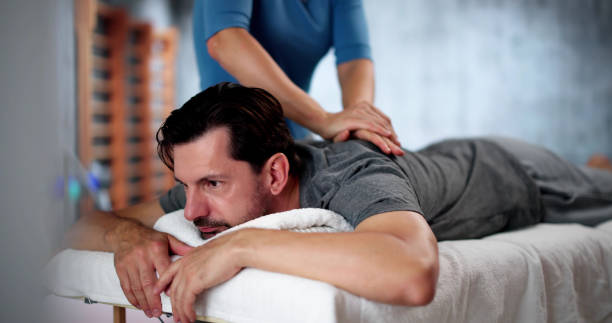
Understanding the connection between stress, sleep, and muscle pain is crucial. These three elements often interact, making pain management more challenging. Let’s explore the science behind this.

Understanding Cortisol and Pain

Cortisol is a hormone your body releases in response to stress. While it’s essential for many bodily functions, high levels can increase your pain perception. When you’re stressed, cortisol floods your system. This process can make your muscles tense and increase pain. The cycle can be exhausting and affect your daily life.

Chronic stress keeps cortisol levels high, leading to persistent pain in areas such as your neck and back. You might notice this especially after a stressful day or week. It’s important to understand how stress affects your body, so you can take action. For more on cortisol and its effects, check out this research.

Impact of Poor Sleep on Recovery

Sleep is your body’s time to repair and recover. Without enough rest, your muscles don’t get the chance to heal. This can lead to increased pain and prolonged recovery times.

Poor sleep can also lower your pain threshold, making discomfort feel more intense. If you wake up feeling sore and tired, it might be due to a lack of quality sleep. Addressing sleep issues can help your body recover more effectively. Learn more about sleep and its impact on recovery here.

Stress, Sleep, and Muscle Tension

Stress and sleep are closely linked with muscle tension. When stressed, your muscles tighten, leading to pain and stiffness. Lack of sleep can make this even worse, as your body struggles to relax and recuperate.

This cycle of stress, poor sleep, and muscle tension can feel never-ending. Breaking this cycle is possible, though. With the right strategies, you can reduce tension and improve your quality of life. Dive deeper into how stress affects muscle tension here.

Practical Steps for Relief

Understanding the science is just the first step. Now, let’s look at practical ways to find relief. These steps can help you manage stress and improve sleep, easing muscle tension.

Sleep Hygiene Tips UK

Improving your sleep hygiene can significantly boost your recovery and reduce pain. Here are some practical tips:

  1. Set a Regular Sleep Schedule: Go to bed and wake up at the same time every day, even on weekends. This helps regulate your body’s clock.

  2. Create a Relaxing Bedtime Routine: Engage in calming activities, like reading or taking a warm bath, to signal your body it’s time to wind down.

  3. Limit Screen Time Before Bed: Blue light from screens can interfere with your sleep. Try to switch off devices an hour before bed.

By following these tips, you can improve your sleep quality, which is essential for effective recovery and pain management.

Effective Stress Management Techniques

Managing stress is vital for reducing pain and tension. Here are some techniques to try:

  • Mindfulness and Meditation: Spend a few minutes each day focusing on your breath and letting go of stress. This practice can lower cortisol levels and ease tension.

  • Exercise Regularly: Physical activity releases endorphins, which are natural painkillers. It helps reduce stress and improve mood.

  • Stay Connected: Socialising with friends and family can provide support and reduce feelings of stress.

These techniques can help you manage stress effectively, leading to less pain and better overall health.

Benefits of Sports Massage Oxfordshire

Sports massage is a powerful tool in managing pain and muscle tension. Here’s how it helps:

  • Reduces Muscle Tension: Targeted massage can relieve tension and knots, providing immediate pain relief.

  • Promotes Relaxation: The calming effect of massage therapy lowers cortisol levels, aiding in stress relief.

  • Enhances Recovery: Regular sessions can improve blood flow and speed up recovery times after physical activity.

For those in Oxfordshire, sports massage offers an effective way to manage ongoing muscle pain and improve overall wellbeing.

Holistic Solutions for Lasting Relief

Beyond practical steps, exploring holistic solutions can offer long-term relief from pain and tension. These methods focus on treating the whole person, not just the symptoms.

Acupuncture for Pain Oxford

Acupuncture is an ancient practice with modern benefits. Here’s why it can be effective:

  • Pain Management: By targeting specific points, acupuncture can release endorphins, which naturally reduce pain.

  • Stress Reduction: This practice promotes relaxation and reduces stress, helping to lower cortisol levels.

  • Improved Circulation: Acupuncture enhances blood flow, aiding in the healing process.

In Oxford, acupuncture is a valuable option for those seeking to manage pain holistically.

Tailored Rehab Programmes

Personalised rehab programmes can address your specific needs. Here’s how they work:

  • Individual Assessment: Programmes start with an assessment to identify the root cause of your pain.

  • Structured Plan: A plan is tailored to address your unique needs, focusing on recovery and prevention.

  • Progress Tracking: Regular check-ins ensure you’re on track and making progress towards your goals.

Tailored rehab programmes offer a structured approach to achieving pain-free living and improved mobility.

Lifestyle Coaching UK for Pain-Free Living

Lifestyle coaching provides guidance on achieving and maintaining a healthy lifestyle. Here’s the benefit:

  • Comprehensive Support: Coaching covers nutrition, exercise, and stress management, offering a well-rounded approach to health.

  • Personalised Advice: Coaches provide tailored advice based on your lifestyle and health goals.

  • Long-Term Health: This support helps you build sustainable habits for lasting wellness.

Embracing lifestyle coaching can empower you to make informed choices and achieve a pain-free life.

By understanding the links between stress, sleep, and muscle pain, you can take steps to break the cycle. Whether through practical tips or holistic solutions, relief is within reach. Prioritising your health and wellbeing is the first step to living the life you want.
Click to discover more

Stressed to Supple: How Stress Triggers Muscle Pain — and Practical Ways to Reduce It

Stressed to Supple: How Stress Triggers Muscle Pain — and Practical Ways to Reduce It

Stress and muscle pain often go hand in hand, leaving you with tight necks, shoulders, and backs that refuse to relax. When your body holds onto stress, muscles stiffen and aches grow louder, making daily life harder. This guide will show you simple, proven ways to ease that tension and regain your freedom of movement. Ready to feel looser and calmer? Book your Initial Assessment at The Bodywright and start your personalised plan today.

Understanding Stress and Muscle Pain

Stress can wrap around your muscles, leaving them tense and aching. When stress hits, your body’s natural response is to tighten up, leading to painful knots. But why does this happen, and what can you do about it?

How Stress Affects Muscles

Your muscles react to stress as if bracing for impact. When you feel stressed, your body shifts into protective mode, causing muscles to contract. This is often seen in the neck, shoulders, and back. They remain tense, leading to discomfort and restricted movement.

Think about the last time you were stressed: Did your shoulders creep up towards your ears? It’s a natural response, but over time, this tension can become painful. The key to relief is learning to interrupt this cycle, allowing your muscles to relax instead.

The Role of Cortisol in Pain

Cortisol is a hormone that spikes during stress. While it helps you cope with short-term stress, prolonged exposure can increase pain sensitivity. When cortisol levels stay high, they can make your muscles feel more painful than they are.

Consider cortisol as an alarm bell. It’s useful in short bursts, but when it keeps ringing, it becomes a problem. Lowering stress levels can help reduce cortisol, easing the tension in your muscles. Learn more about the effects of cortisol and stress.

Common Stress-Related Pain Areas

Stress loves to settle in certain areas. The neck, shoulders, and back are common spots, but your jaw and head can also be affected. This tension can lead to headaches and jaw pain, often linked to clenching or grinding your teeth at night.

It’s vital to recognise these patterns. Knowing where stress hits can help you address it. For instance, if your jaw often feels tight, it might be time to explore exercises or treatments to ease that tension.

Practical Strategies to Reduce Muscle Tension

Now that you understand how stress affects your body, let’s explore ways to release this tension. Simple strategies can go a long way in helping muscles relax and improving your overall well-being.

Effective Breathing Exercises for Stress

Breathing is more powerful than you might think. Deep breathing exercises can calm your mind and body, reducing muscle tension. Try this: Inhale deeply for four counts, hold for four, and exhale slowly for six. Repeat this cycle several times.

This technique helps lower cortisol, promoting relaxation. Make it a daily habit, especially when you sense stress building up. Discover more breathing techniques to reduce stress.

Developing a Mobility and Stretching Routine

A consistent routine can keep your muscles flexible. Stretching gently helps release tightness, allowing for better movement. Focus on areas where you feel the most tension, like your neck or back.

Include simple stretches: Neck tilts, shoulder rolls, and gentle back twists. Perform these stretches regularly, especially if you sit for long periods. Your muscles will thank you for it, and you’ll notice a difference in how you feel.

Importance of Posture and Desk Set-Up

Your posture plays a significant role in muscle tension. Poor desk set-up can lead to hunched shoulders and a sore back. Adjust your chair and screen height to maintain an upright posture, with feet flat on the floor.

Consider using a standing desk if possible. Alternating between sitting and standing can reduce stress on your muscles. Remember, small changes in your environment can have a significant impact on how your body feels.

Tailored Treatments at The Bodywright

At The Bodywright, we offer a range of treatments designed to target stress-related muscle pain. From sports massage to holistic health coaching, there’s a solution tailored to your needs.

Benefits of Sports Massage in Oxfordshire

Sports massage works wonders on tight muscles. It targets specific areas, releasing knots and improving flexibility. Whether you’re an athlete or dealing with daily stress, this treatment can provide relief.

Regular sessions can prevent injuries and enhance performance. Plus, it feels incredibly relaxing. Consider it an investment in your well-being, giving you the freedom to move comfortably.

Acupuncture for Stress Relief

Acupuncture is an ancient technique that can help reduce stress and pain. By inserting fine needles into specific points, it promotes the body’s natural healing processes. This can lead to reduced muscle tension and a calmer mind.

Many find acupuncture soothing, and it’s an effective way to manage stress. If you’re curious, it’s worth exploring how it might benefit you. Learn more about acupuncture for stress relief.

Holistic Health Coaching and Lifestyle Guidance

Holistic health coaching offers a comprehensive approach to wellness. It focuses on diet, exercise, and stress management, providing you with tools to maintain good health. This guidance can lead to lasting changes that reduce muscle tension and enhance your life.

By understanding your unique needs, we tailor our approach to support you. With the right guidance, you can achieve a healthier, more balanced lifestyle, free from the constraints of stress and pain.

Conclusion

Understanding the link between stress and muscle pain is the first step to relief. By incorporating simple strategies and seeking tailored treatments at The Bodywright, you can reduce tension and enjoy a more comfortable life. Remember, your path to stress-free living begins with informed choices and consistent action.

Click to discover more

Build Resilience: Lifestyle Changes to Prevent Recurring Injuries

Build Resilience: Lifestyle Changes to Prevent Recurring Injuries

Recurring injuries drain your energy and steal your freedom to move without pain. Too often, you try quick fixes that only mask the problem, leaving you stuck in the same cycle. By making smart lifestyle changes, you can build resilience and stop those injuries from coming back. In this post, you’ll find practical steps to protect your body and regain control of your health. Ready to take the first step? Learn more here.

Everyday Habits for Injury Prevention

Starting with small daily habits can significantly protect your body from injuries. Let’s explore practical steps that can become a cornerstone of your routine.

Maintain Proper Posture and Mobility

Good posture isn’t just about standing up straight. It’s about maintaining a balance that supports your whole body. When you sit, stand, or move in a balanced way, less strain is placed on your muscles. This reduces the chance of injuries.

Imagine your body as a building. If the foundation is off, everything else is at risk. A strong foundation starts with your posture. Focus on keeping your shoulders relaxed and your spine aligned. Small adjustments can make a big difference. Incorporate stretching and gentle exercises to improve your mobility. These practices help your body move fluidly, which is key in preventing injuries.

Nutrition for Healing and Resilience

What you eat fuels your body and affects how you heal. Consuming a balanced diet rich in vitamins and minerals supports your recovery and builds resilience. Foods like leafy greens, lean proteins, and nuts provide essential nutrients that strengthen your body.

Think of food as a tool for recovery. Omega-3 fatty acids, found in fish, are known to reduce inflammation, which is crucial for healing. Stay hydrated, as water aids in transporting nutrients and flushing toxins. A well-nourished body is a strong body, ready to tackle the day.

Prioritise Sleep for Recovery

Sleep is your body’s natural healer. It’s during deep sleep that your body repairs tissues and muscles. By ensuring you get enough rest, you’re helping your body recover faster and better. Aim for 7-9 hours of quality sleep each night.

Create a calming bedtime routine. Limit screen time, reduce caffeine intake, and keep your sleeping environment comfortable. These tweaks can significantly improve your sleep quality. Remember, a restful night sets the stage for an active, injury-free day.

Holistic Approaches to Pain Relief

Incorporating holistic methods can enhance your journey to pain relief. These approaches work in harmony with your body, promoting healing and relaxation.

Benefits of Sports Massage in Oxfordshire

A sports massage is not just a luxury; it’s a necessity for injury prevention. Regular massage sessions can improve blood circulation and reduce muscle tension. This is particularly beneficial for those living in Oxfordshire, where sports massage services are widely available.

Think of a sports massage as a reset button for your muscles. It helps in breaking down scar tissue and improving range of motion. By including regular massages in your routine, you can prevent injuries and improve your overall performance.

Acupuncture for Pain Relief and Relaxation

Acupuncture offers a natural way to relieve pain. The practice involves inserting thin needles at specific points to stimulate healing. This ancient method can reduce inflammation and promote relaxation.

Many people find acupuncture to be a calming experience. It not only helps with pain relief but also balances your body’s energy flow. This balance can lead to improved mental clarity and reduced stress, which are vital for recovery.

Stress Management Techniques for Recovery

Stress can slow down your recovery process. Learning to manage stress effectively is crucial. Practices like deep breathing, meditation, and yoga can help reduce stress levels.

Consider stress management as a tool in your recovery kit. When you’re calm, your body functions better. This balance aids in faster recovery and reduces the risk of injuries. Make time for activities that relax you and help you unwind.

Personalised Programmes for Lasting Relief

A tailored approach to your health needs can provide lasting relief. Personalised programmes address your unique challenges and goals.

Tailored Rehab and Strength Programmes

A one-size-fits-all approach doesn’t work for injury recovery. Tailored rehab programmes focus on your specific needs. These programs can include strength training and flexibility exercises designed for you.

Think of tailored programmes as a roadmap to recovery. They guide you through exercises that strengthen weak areas and improve coordination. A personalized plan ensures you build resilience and prevent future injuries.

Comprehensive Movement Assessments

Understanding how your body moves is crucial for preventing injuries. A comprehensive movement assessment can identify imbalances or weaknesses. This knowledge allows for targeted interventions.

Imagine having a blueprint of your movement patterns. This insight helps you make informed decisions about exercises and activities. With a clear understanding of your body, you can prevent injuries before they happen.

Long-term Wellness Packages and Consultations

Investing in long-term wellness packages can provide continuous support on your wellness journey. These packages often include regular consultations, tailored exercises, and lifestyle coaching.

Think of long-term wellness as a partnership. With regular check-ins, you can make necessary adjustments and stay on track. Continuous guidance ensures you maintain progress and achieve your health goals.

By incorporating these strategies and embracing a holistic approach, you can prevent recurring injuries and enjoy a pain-free life. Remember, small changes today can lead to significant improvements tomorrow.

Click to discover more