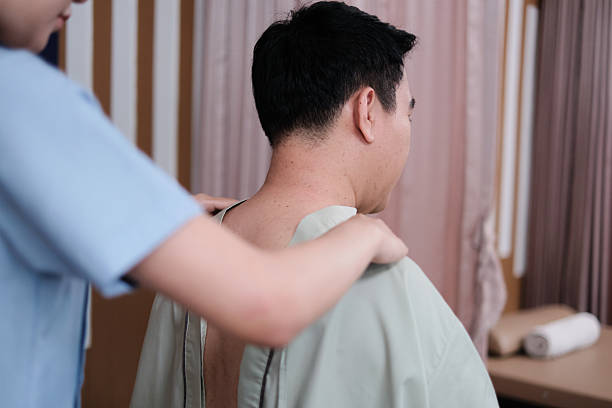
Stressed, Sleepless and Sore: How Stress and Poor Sleep Fuel Ongoing Muscle Pain — and How to Break the Cycle
Stress and sleepless nights do more than wear you down — they tighten your muscles and keep pain locked in place. If your back aches or neck and shoulder tension won’t ease, the hidden link between stress, sleep and muscle pain could be the key. This blog reveals how these factors feed into each other and what you can do to break free with expert care from The Bodywright. For more insight, you can read about the connection between stress and pain here.
The Science of Stress and Sleep

Understanding the connection between stress, sleep, and muscle pain is crucial. These three elements often interact, making pain management more challenging. Let’s explore the science behind this.
Understanding Cortisol and Pain
Cortisol is a hormone your body releases in response to stress. While it’s essential for many bodily functions, high levels can increase your pain perception. When you’re stressed, cortisol floods your system. This process can make your muscles tense and increase pain. The cycle can be exhausting and affect your daily life.
Chronic stress keeps cortisol levels high, leading to persistent pain in areas such as your neck and back. You might notice this especially after a stressful day or week. It’s important to understand how stress affects your body, so you can take action. For more on cortisol and its effects, check out this research.
Impact of Poor Sleep on Recovery
Sleep is your body’s time to repair and recover. Without enough rest, your muscles don’t get the chance to heal. This can lead to increased pain and prolonged recovery times.
Poor sleep can also lower your pain threshold, making discomfort feel more intense. If you wake up feeling sore and tired, it might be due to a lack of quality sleep. Addressing sleep issues can help your body recover more effectively. Learn more about sleep and its impact on recovery here.
Stress, Sleep, and Muscle Tension
Stress and sleep are closely linked with muscle tension. When stressed, your muscles tighten, leading to pain and stiffness. Lack of sleep can make this even worse, as your body struggles to relax and recuperate.
This cycle of stress, poor sleep, and muscle tension can feel never-ending. Breaking this cycle is possible, though. With the right strategies, you can reduce tension and improve your quality of life. Dive deeper into how stress affects muscle tension here.
Practical Steps for Relief

Understanding the science is just the first step. Now, let’s look at practical ways to find relief. These steps can help you manage stress and improve sleep, easing muscle tension.
Sleep Hygiene Tips UK
Improving your sleep hygiene can significantly boost your recovery and reduce pain. Here are some practical tips:
-
Set a Regular Sleep Schedule: Go to bed and wake up at the same time every day, even on weekends. This helps regulate your body’s clock.
-
Create a Relaxing Bedtime Routine: Engage in calming activities, like reading or taking a warm bath, to signal your body it’s time to wind down.
-
Limit Screen Time Before Bed: Blue light from screens can interfere with your sleep. Try to switch off devices an hour before bed.
By following these tips, you can improve your sleep quality, which is essential for effective recovery and pain management.
Effective Stress Management Techniques
Managing stress is vital for reducing pain and tension. Here are some techniques to try:
-
Mindfulness and Meditation: Spend a few minutes each day focusing on your breath and letting go of stress. This practice can lower cortisol levels and ease tension.
-
Exercise Regularly: Physical activity releases endorphins, which are natural painkillers. It helps reduce stress and improve mood.
-
Stay Connected: Socialising with friends and family can provide support and reduce feelings of stress.
These techniques can help you manage stress effectively, leading to less pain and better overall health.
Benefits of Sports Massage Oxfordshire
Sports massage is a powerful tool in managing pain and muscle tension. Here’s how it helps:
-
Reduces Muscle Tension: Targeted massage can relieve tension and knots, providing immediate pain relief.
-
Promotes Relaxation: The calming effect of massage therapy lowers cortisol levels, aiding in stress relief.
-
Enhances Recovery: Regular sessions can improve blood flow and speed up recovery times after physical activity.
For those in Oxfordshire, sports massage offers an effective way to manage ongoing muscle pain and improve overall wellbeing.
Holistic Solutions for Lasting Relief

Beyond practical steps, exploring holistic solutions can offer long-term relief from pain and tension. These methods focus on treating the whole person, not just the symptoms.
Acupuncture for Pain Oxford
Acupuncture is an ancient practice with modern benefits. Here’s why it can be effective:
-
Pain Management: By targeting specific points, acupuncture can release endorphins, which naturally reduce pain.
-
Stress Reduction: This practice promotes relaxation and reduces stress, helping to lower cortisol levels.
-
Improved Circulation: Acupuncture enhances blood flow, aiding in the healing process.
In Oxford, acupuncture is a valuable option for those seeking to manage pain holistically.
Tailored Rehab Programmes
Personalised rehab programmes can address your specific needs. Here’s how they work:
-
Individual Assessment: Programmes start with an assessment to identify the root cause of your pain.
-
Structured Plan: A plan is tailored to address your unique needs, focusing on recovery and prevention.
-
Progress Tracking: Regular check-ins ensure you’re on track and making progress towards your goals.
Tailored rehab programmes offer a structured approach to achieving pain-free living and improved mobility.
Lifestyle Coaching UK for Pain-Free Living
Lifestyle coaching provides guidance on achieving and maintaining a healthy lifestyle. Here’s the benefit:
-
Comprehensive Support: Coaching covers nutrition, exercise, and stress management, offering a well-rounded approach to health.
-
Personalised Advice: Coaches provide tailored advice based on your lifestyle and health goals.
-
Long-Term Health: This support helps you build sustainable habits for lasting wellness.
Embracing lifestyle coaching can empower you to make informed choices and achieve a pain-free life.
By understanding the links between stress, sleep, and muscle pain, you can take steps to break the cycle. Whether through practical tips or holistic solutions, relief is within reach. Prioritising your health and wellbeing is the first step to living the life you want.