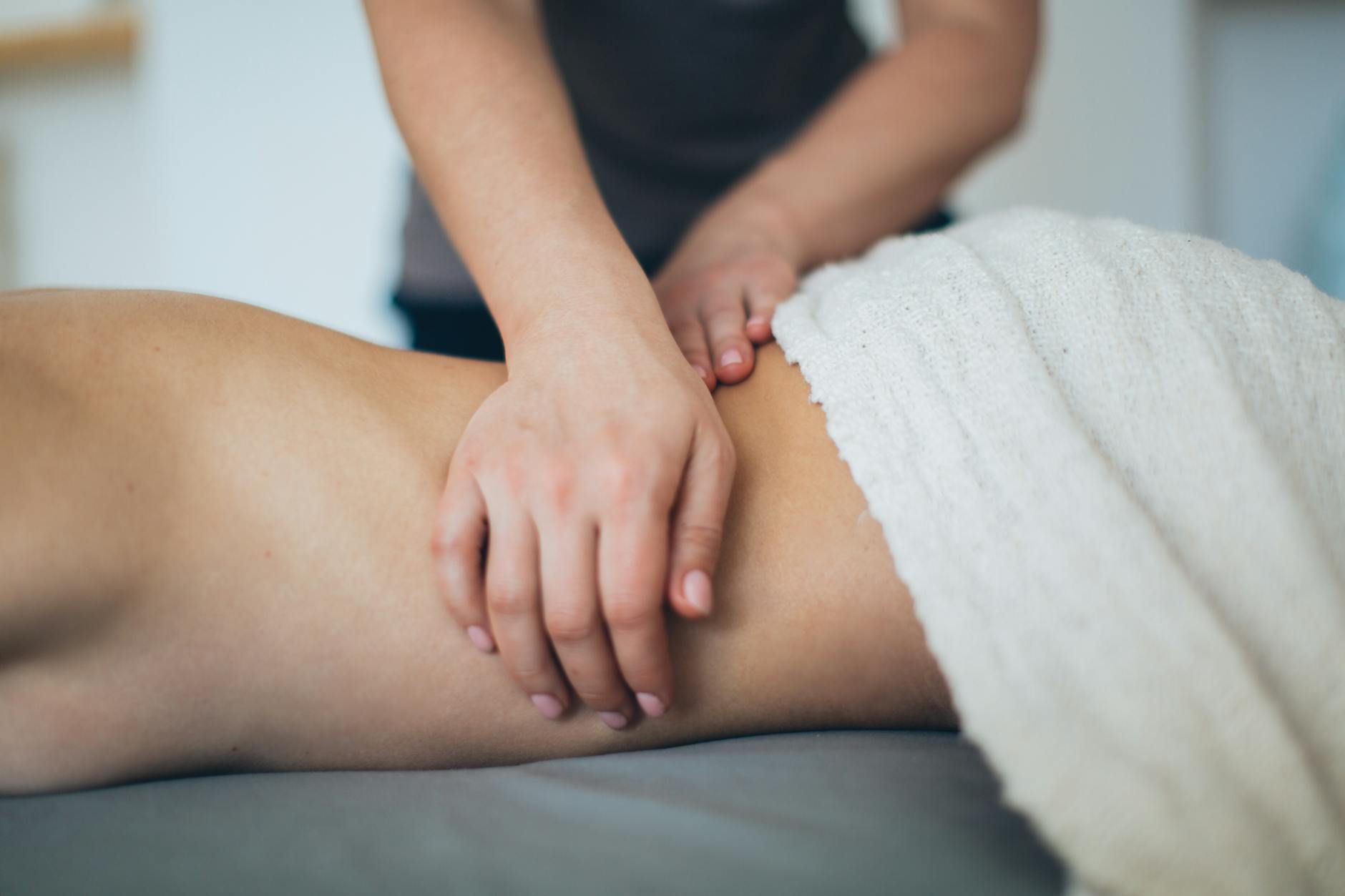
Keep Training, Keep Healing: How Sports Massage Supports Injury Recovery Without Disrupting Your Programme

Keep Training, Keep Healing: How Sports Massage Supports Injury Recovery Without Disrupting Your Programme

Injury doesn’t have to mean hitting pause on your training. Sports massage in Oxfordshire offers targeted support that eases pain, speeds healing, and helps you keep moving—without forcing a full stop. At The Bodywright, we blend expert soft tissue therapy with tailored rehab plans to help you train smart while recovering strong. Keep reading to find out how you can stay active and bounce back faster with injury recovery massage designed around your goals. For further insights, you can read about the benefits of sports massage.

Benefits of Sports Massage

Staying active while navigating an injury can feel like a tightrope walk. Here’s how sports massage keeps you steady and strong on this journey.

Pain Relief and Recovery

Imagine soothing sore muscles and bouncing back quicker from strain. That’s the magic of sports massage. By focusing on areas that need attention, massage helps reduce discomfort and speeds up recovery. A study found that massage therapy can lower muscle soreness by 30%, allowing you to return to your routine faster.

Massage therapy also improves blood circulation. Improved blood flow means nutrients reach your muscles more efficiently, aiding healing. It’s not just about feeling good; it’s about getting better, too. For more on how massage supports recovery, check this article.

Enhancing Mobility and Flexibility

Think about the freedom of moving without restriction. Sports massage helps enhance mobility and flexibility, key components of athletic performance. By focusing on soft tissues, massage can loosen tight areas and restore range of motion.

Regular sessions can also prevent injuries by preparing your muscles for activity. Consider it your secret weapon for maintaining flexibility and strength. This proactive approach helps you stay in the game, enhancing your overall performance.

Supporting Training Around Injury

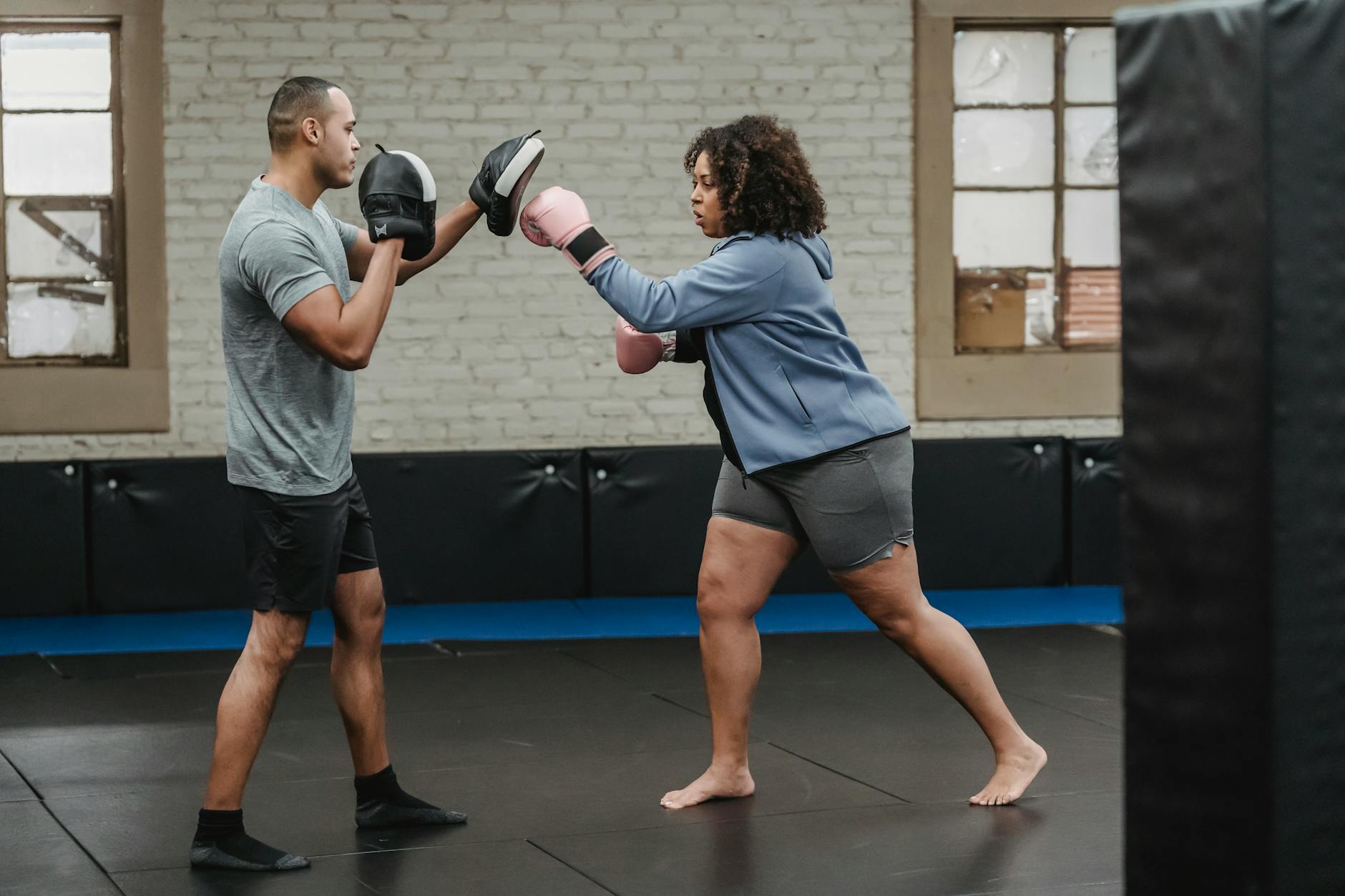
Training doesn’t have to stop when you’re injured. Sports massage supports your efforts by allowing you to continue modified training. It targets trouble spots while ensuring your body remains strong and capable.

Massage therapy also aids in developing a tailored plan for your specific needs. This means you can train smart without risking further injury. With the right support, you can keep pushing forward and achieve your goals.

The Bodywright Approach

At The Bodywright, we take a comprehensive look at your health, ensuring you receive the best care possible. Let’s explore how our approach makes all the difference.

Tailored Rehab Programmes

Every individual is unique, and so is your recovery plan. At The Bodywright, we craft tailored rehab programmes that address your specific needs. This personalised approach ensures you receive the most effective treatment possible.

By focusing on your goals and challenges, we create a path that promotes healing and strength. Whether it’s returning to sport or enhancing mobility, our programmes are designed to support you every step of the way.

Communication and Collaboration

Effective communication is the cornerstone of our approach. We believe in working closely with you to understand your concerns and aspirations. This collaboration ensures you feel heard and supported throughout your recovery journey.

Our team also collaborates with other health professionals, ensuring you receive comprehensive care. This integrated approach means you’re not alone on this path; you have a team dedicated to your success.

Holistic Health and Coaching

Health goes beyond physical recovery. At The Bodywright, we offer holistic health and coaching to support your overall well-being. This includes lifestyle and nutrition coaching, helping you make sustainable changes.

By addressing all aspects of your health, we empower you to achieve lasting results. It’s about building a foundation for wellness that supports your life, not just your recovery.

Booking Your Path to Recovery
Ready to take the next step? Let’s explore how booking a session with The Bodywright can set you on the path to recovery and wellness.

Consultation and Assessment

Every journey begins with understanding where you are now. Our consultations are designed to assess your current condition and set a clear path forward. We listen to your concerns and goals, ensuring your needs are at the forefront.

This assessment helps us create a plan that’s as unique as you are, ensuring you’re on the right track from the start. It’s the first step towards a healthier, more active life.

Integrated Treatments and Support

Our treatments don’t stand alone. They are part of an integrated support system designed to enhance your recovery. From massage to holistic health coaching, each element works together to promote your well-being.

This integrated approach ensures you’re not just treating symptoms but addressing root causes. It’s about finding lasting solutions that support your health for the long term.

Special Offers and Programmes

Looking for a way to start your recovery journey? We offer special programmes designed to meet various needs and budgets. Whether you’re looking for short-term relief or long-term wellness support, there’s an option for you.

These programmes make it easier to commit to your health and see results. Don’t wait; the longer you delay, the longer you stay in discomfort. Choose your path to recovery with The Bodywright today.


Click to discover more

Acupuncture and Sports Massage for Injury Recovery: What the Evidence Supports

Acupuncture uses fine, sterile, single-use needles; massage applies hands-on soft-tissue techniques. Either may be considered for symptom management after an appropriate assessment. Combining them does not automatically produce better results.

What the research can and cannot tell us

Acupuncture has evidence of modest benefit for some persistent pain conditions, with uncertainty depending on the condition and comparator. Massage may help short-term comfort or soreness. Direct evidence that the combination accelerates tissue healing or prevents reinjury is limited.

Recovery still needs a plan

When a sports injury is involved, graded loading, exercise, adequate recovery and a return-to-sport progression often matter more than the choice of passive treatment. A practitioner should explain what treatment is intended to achieve and how progress will be evaluated.

Safety and choice

Needling can cause soreness, bruising or light-headedness, and rare serious complications are possible. Your medical history, medication and preferences matter. Treatment should follow informed consent; it is reasonable to choose massage, needling, both or neither.

Treatment in Oxfordshire

Explore acupuncture and dry needling and sports and remedial massage at The Bodywright.

Eat to Heal: Nutrition Strategies to Support Muscle Repair and Reduce Inflammation

Eat to Heal: Nutrition Strategies to Support Muscle Repair and Reduce Inflammation

Muscle repair doesn’t happen by chance—it demands the right fuel at the right time. If you’re battling soreness or lingering inflammation after workouts, your nutrition could be the missing piece. In this post, you’ll find practical tips on how an anti-inflammatory diet and targeted nutrients like omega-3 fatty acids and collagen support faster recovery. Ready to ease pain and recover smarter? Let’s get started. For further reading, check this article.

Nutrition for Faster Muscle Repair

Understanding how nutrition aids muscle recovery can transform your post-exercise routine. Let’s explore how specific nutrients can support your body in healing and strengthening muscles.

Protein Timing for Recovery

Timing your protein intake is crucial for muscle repair. Consuming 20-30 grams of protein within two hours after exercising can significantly aid in muscle recovery. When you eat protein right after a workout, your body absorbs the nutrients more effectively, helping to rebuild damaged muscle fibers. This doesn’t mean you need a complicated diet plan. Simple options like a protein shake or a chicken sandwich can do the trick.

Imagine you’re a car needing fuel after a long trip. Protein acts as that fuel, refilling your energy and getting you ready for the next journey. Most people think more protein is better, but it’s really about timing. Space your protein intake evenly throughout the day to see the best results.

Collagen and Vitamin C Boost

Collagen and vitamin C work together to support muscle health. Collagen is a key protein that helps maintain the structure of your muscles. Combining collagen with vitamin C can enhance its benefits since vitamin C aids collagen synthesis. Try adding collagen powder to your morning smoothie with a splash of orange juice for that vitamin C boost.

You might not realise how much your muscles rely on these nutrients until you miss them. Collagen isn’t just a beauty supplement—it’s a powerhouse for muscle recovery too. Adding it to your routine can help you bounce back faster from workouts.

Magnesium for Muscle Health

Magnesium plays an essential role in muscle function. It helps regulate muscle contractions and ease tension. Consuming foods rich in magnesium, like almonds or spinach, can prevent muscle cramps and improve recovery.

Think of magnesium as a natural muscle relaxant. When you’re low on it, muscles can cramp or feel sore. Include magnesium in your daily diet to keep your muscles relaxed and ready to perform.

Reducing Inflammation with Diet

Diet plays a pivotal role in managing inflammation, which in turn affects recovery speed. Let’s explore some powerful anti-inflammatory foods that can help soothe your body.

Omega-3 Fatty Acids Benefits

Omega-3 fatty acids are known for their anti-inflammatory properties. Foods like salmon, flaxseeds, and walnuts are rich in omega-3s and can help reduce inflammation in your muscles. Including these foods in your meals can ease soreness and speed up recovery.

Most people overlook the power of omega-3s, thinking they’re just for heart health. In reality, they are crucial for anyone experiencing muscle soreness. By adding more omega-3-rich foods to your diet, you can help your body recover more efficiently.

Antioxidants and Polyphenols Power

Antioxidants and polyphenols are found in colourful fruits and vegetables and work wonders for inflammation. Blueberries, cherries, and spinach are excellent sources. These nutrients fight inflammation by neutralising free radicals, substances that can damage cells and exacerbate inflammation.

Consider these antioxidants as your body’s cleanup crew. They sweep away the bad stuff, allowing your muscles to heal without unnecessary delays. By including a variety of colourful produce in your diet, you’re arming your body against inflammation.

Ginger and Turmeric Effects

Ginger and turmeric are powerful spices with natural anti-inflammatory effects. Adding them to your meals can reduce muscle soreness and improve recovery times. Turmeric contains curcumin, a compound known for its potent anti-inflammatory benefits. Ginger can be easily added to smoothies or teas for a soothing effect.

These spices are more than just flavour enhancers—they’re healing ingredients. Many people think of them only in terms of taste, but their health benefits are profound. Incorporating ginger and turmeric into your diet can be a simple way to aid muscle recovery.

Holistic Approaches to Recovery

Beyond diet, there are holistic strategies to support your muscle recovery journey. These approaches focus on the whole body, promoting overall well-being.

Gut Health and Probiotics

Healthy gut flora is crucial for efficient nutrient absorption, impacting muscle health. Probiotics found in yogurt or fermented foods can boost gut health. A balanced gut means your body can absorb nutrients more effectively, aiding in quicker recovery.

Most people underestimate the role of gut health in recovery. When your gut is healthy, your body is better equipped to heal and repair. Incorporating probiotics into your daily routine is a step toward comprehensive wellness.

Hydrate for Performance

Hydration is key to muscle function and recovery. Water helps transport nutrients to your muscles and removes waste products. Ensure you’re drinking enough throughout the day, especially after workouts.

Hydration might seem basic, but it’s often neglected. Staying well-hydrated can prevent cramps and support your muscles in functioning optimally. Make it a habit to sip water regularly, and your muscles will thank you.

Sleep and Recovery Essentials

Quality sleep is vital for muscle repair. During sleep, your body undergoes essential processes that aid recovery. Aim for 7-9 hours of sleep per night to allow your muscles to heal and grow.

Sleep is often the missing piece in a recovery plan. Many people believe they can skimp on sleep without consequences, but this isn’t true. Prioritising rest is one of the best things you can do to support your body.

Remember, these strategies aren’t just about reducing soreness—they’re about embracing a lifestyle that supports your overall health and performance. By focusing on nutrition and holistic health, you’re paving the way to a stronger, more resilient you.

Click to discover more