
Why Pain Keeps Coming Back After Treatment — And How to Break the Cycle
Pain that keeps coming back after treatment isn’t just frustrating—it’s a sign something deeper is being missed. You might think a quick fix will do, but recurring pain after treatment often points to hidden causes like posture, movement habits, or stress. Understanding these root issues is key to breaking the cycle and finding lasting relief. In this post, you’ll learn how a personalised, holistic approach can help you finally live pain-free. For more insights, explore this resource.
Understanding Recurring Pain

When pain returns after treatment, it often signals unresolved issues. Let’s explore why this happens and how to address it effectively.
Why Does Pain Come Back?
Pain can persist because the underlying problem isn’t fully resolved. Your body might be reacting to ongoing stress or improper movement patterns. These hidden issues can trigger recurring discomfort. For instance, a study showed that 70% of people with herniated discs experienced recurrence due to incomplete healing. This highlights the need to focus on the root cause and not just symptoms (source).
Root Causes of Persistent Pain
Persistent pain often stems from multiple sources. It could be due to poor posture or repetitive movements that strain your body. For example, sitting hunched over can lead to back and neck pain. Addressing these habits is crucial for recovery. Additionally, the way you carry yourself or move daily can contribute. Identifying these patterns helps tailor an effective treatment plan.
The Stress and Pain Connection
Stress plays a significant role in how your body experiences pain. Stress can tighten muscles and alter your body’s response to discomfort. Many people don’t realize that managing stress is a key component of pain relief. Stress reduction techniques, like mindfulness or deep breathing, can aid in breaking the pain cycle. These strategies not only ease tension but also enhance your overall well-being.
Breaking the Pain Cycle
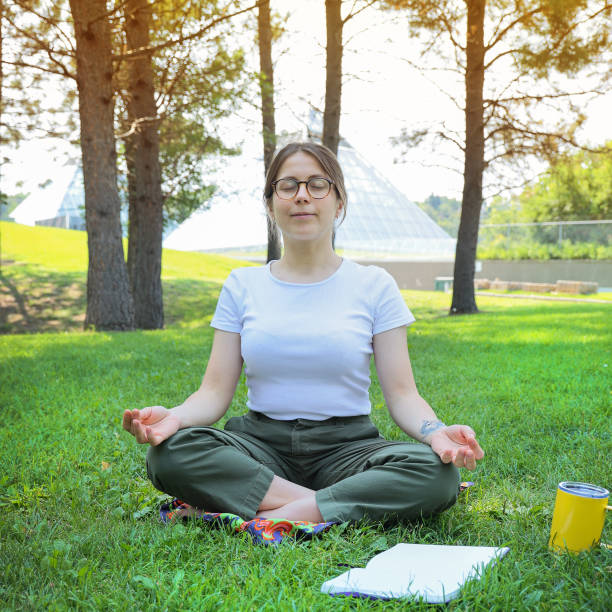
By addressing the core issues behind persistent pain, you can develop strategies for lasting relief. This section outlines holistic approaches to help you move forward.
Holistic Pain Relief Strategies
Adopting a holistic approach means looking at the whole person, not just the symptoms. This method integrates various techniques to address pain. For instance, combining massage with acupuncture can target pain from different angles. A study found that a 54% improvement in pain relief was achieved when multiple therapies were used together (source). The goal is to treat the body as a unified system, promoting healing and balance.
Movement and Posture Assessments
Assessing how you move and maintain posture is pivotal. Poor posture can exacerbate pain and lead to chronic issues. During an assessment, a professional can identify imbalances and recommend corrective exercises. This evaluation is crucial for creating a personalised plan that addresses your specific needs.
Lifestyle Coaching for Pain Management
Lifestyle changes can significantly impact your pain levels. Coaches work with you to develop habits that support healing, such as incorporating regular exercise, improving sleep patterns, and managing stress. This comprehensive approach ensures that each aspect of your life supports your recovery journey.
Achieving Long-Term Results
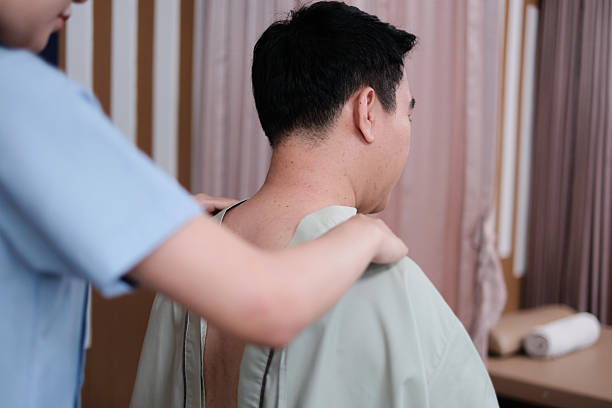
To maintain a pain-free life, it’s essential to focus on sustained results. Here’s how you can achieve lasting relief and enhanced well-being.
Personalised Wellness Plans
Tailored wellness plans are essential for addressing individual needs. These plans consider your unique lifestyle, pain triggers, and health goals. By focusing on personalisation, you can ensure that your plan effectively supports your journey to recovery and wellness.
Rehabilitation Exercises and Nutrition
Specific exercises designed for rehabilitation can strengthen your body and prevent future pain. Coupled with proper nutrition, these exercises enhance recovery. A balanced diet provides the nutrients needed for healing and energy. Together, exercise and nutrition form a powerful duo in achieving long-term health.
Sleep and Recovery for Pain-Free Living
Quality sleep is crucial for recovery and managing pain. Your body repairs itself during rest, making sleep an integral part of a pain management plan. Establishing a consistent sleep routine can help reduce pain and improve overall health. Prioritising rest supports your body’s natural healing processes, leading to a more pain-free life.
By addressing the root causes of recurring pain and adopting a holistic approach, you can break free from the cycle and enjoy a healthier, pain-free life. Prioritise your well-being by making informed choices and embracing strategies that cater to your unique needs.