Why Pain Keeps Coming Back After Treatment — And How to Break the Cycle

Why Pain Keeps Coming Back After Treatment — And How to Break the Cycle

Pain that keeps coming back after treatment isn’t just frustrating—it’s a sign something deeper is being missed. You might think a quick fix will do, but recurring pain after treatment often points to hidden causes like posture, movement habits, or stress. Understanding these root issues is key to breaking the cycle and finding lasting relief. In this post, you’ll learn how a personalised, holistic approach can help you finally live pain-free. For more insights, explore this resource.

Understanding Recurring Pain

When pain returns after treatment, it often signals unresolved issues. Let’s explore why this happens and how to address it effectively.

Why Does Pain Come Back?

Pain can persist because the underlying problem isn’t fully resolved. Your body might be reacting to ongoing stress or improper movement patterns. These hidden issues can trigger recurring discomfort. For instance, a study showed that 70% of people with herniated discs experienced recurrence due to incomplete healing. This highlights the need to focus on the root cause and not just symptoms (source).

Root Causes of Persistent Pain

Persistent pain often stems from multiple sources. It could be due to poor posture or repetitive movements that strain your body. For example, sitting hunched over can lead to back and neck pain. Addressing these habits is crucial for recovery. Additionally, the way you carry yourself or move daily can contribute. Identifying these patterns helps tailor an effective treatment plan.

The Stress and Pain Connection

Stress plays a significant role in how your body experiences pain. Stress can tighten muscles and alter your body’s response to discomfort. Many people don’t realize that managing stress is a key component of pain relief. Stress reduction techniques, like mindfulness or deep breathing, can aid in breaking the pain cycle. These strategies not only ease tension but also enhance your overall well-being.

Breaking the Pain Cycle
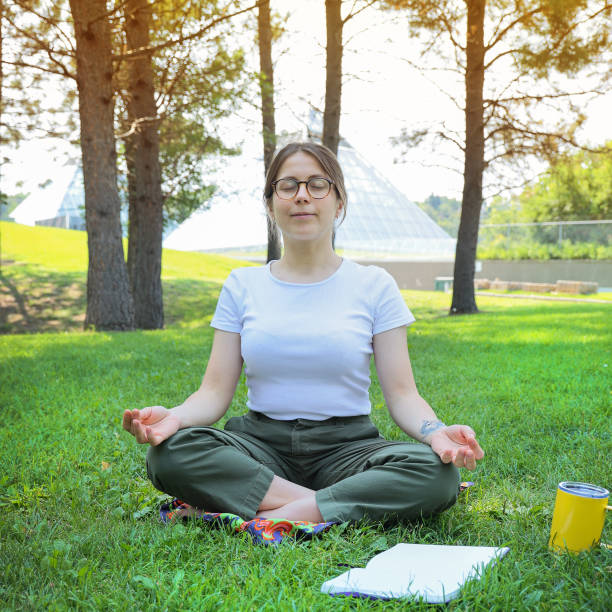
By addressing the core issues behind persistent pain, you can develop strategies for lasting relief. This section outlines holistic approaches to help you move forward.

Holistic Pain Relief Strategies

Adopting a holistic approach means looking at the whole person, not just the symptoms. This method integrates various techniques to address pain. For instance, combining massage with acupuncture can target pain from different angles. A study found that a 54% improvement in pain relief was achieved when multiple therapies were used together (source). The goal is to treat the body as a unified system, promoting healing and balance.

Movement and Posture Assessments

Assessing how you move and maintain posture is pivotal. Poor posture can exacerbate pain and lead to chronic issues. During an assessment, a professional can identify imbalances and recommend corrective exercises. This evaluation is crucial for creating a personalised plan that addresses your specific needs.

Lifestyle Coaching for Pain Management

Lifestyle changes can significantly impact your pain levels. Coaches work with you to develop habits that support healing, such as incorporating regular exercise, improving sleep patterns, and managing stress. This comprehensive approach ensures that each aspect of your life supports your recovery journey.

Achieving Long-Term Results

To maintain a pain-free life, it’s essential to focus on sustained results. Here’s how you can achieve lasting relief and enhanced well-being.

Personalised Wellness Plans

Tailored wellness plans are essential for addressing individual needs. These plans consider your unique lifestyle, pain triggers, and health goals. By focusing on personalisation, you can ensure that your plan effectively supports your journey to recovery and wellness.

Rehabilitation Exercises and Nutrition

Specific exercises designed for rehabilitation can strengthen your body and prevent future pain. Coupled with proper nutrition, these exercises enhance recovery. A balanced diet provides the nutrients needed for healing and energy. Together, exercise and nutrition form a powerful duo in achieving long-term health.

Sleep and Recovery for Pain-Free Living

Quality sleep is crucial for recovery and managing pain. Your body repairs itself during rest, making sleep an integral part of a pain management plan. Establishing a consistent sleep routine can help reduce pain and improve overall health. Prioritising rest supports your body’s natural healing processes, leading to a more pain-free life.

By addressing the root causes of recurring pain and adopting a holistic approach, you can break free from the cycle and enjoy a healthier, pain-free life. Prioritise your well-being by making informed choices and embracing strategies that cater to your unique needs.

Click to discover more

When Stretching Isn’t Enough: Clear Signs Your Back or Neck Needs Targeted Treatment

When Stretching Isn’t Enough: Clear Signs Your Back or Neck Needs Targeted Treatment

Stretching feels like your first go-to for back or neck pain, but what if it’s no longer cutting it? When pain lingers, mobility shrinks, or nerve sensations flare up, it’s a clear sign that your body needs more focused care. At The Bodywright, we combine sports massage, acupuncture, and tailored rehab programmes to tackle these stubborn issues head-on. Keep reading to learn how to spot when stretching alone won’t bring relief and what steps to take next. For further information, you might find this guide useful.

Recognising When Stretching Isn’t Enough

There comes a time when stretching just doesn’t cut it. You might notice lingering pain or feel like something’s not quite right. This is when your body is signalling for more targeted attention.

Persistent Pain and Discomfort

When you experience continuous pain, it’s a strong indication that stretching alone won’t suffice. Pain that doesn’t fade after a few days or worsens over time requires additional care. This could mean the underlying issue is more severe than you first thought.

You might have tried to work it out with regular exercise or self-care, but the discomfort remains. It’s a cue to consider more comprehensive solutions. Sometimes, the problem lies deeper in the muscles or involves issues with tendons or joints. Identifying and addressing these problems is critical.

Limited Mobility and Stiffness

If you’re noticing stiffness that limits your range of motion, it’s another sign that stretching isn’t enough. Limited mobility can impact your daily activities, making simple tasks difficult. This isn’t just a minor inconvenience; it could indicate a deeper problem needing attention.

Stiffness often accompanies underlying tension or misalignments in the body. Ignoring it might lead to more severe issues down the line. When your body feels tight and inflexible, it’s time to explore additional treatments that can offer relief and restore movement, like sports massage or acupuncture.

Red Flags for Targeted Treatment

Recognising the signs that you need more than just stretching can save you from prolonged discomfort. These red flags indicate your body needs targeted treatment to heal effectively.

Nerve Symptoms and Sleep Disruption

Nerve-related symptoms, such as tingling or numbness, are clear signals that stretching isn’t sufficient. These sensations often disrupt sleep, leaving you tired and frustrated. It’s not just a nuisance; it affects your overall well-being.

Addressing nerve symptoms early can prevent further complications. It’s important to seek treatments that go beyond simple stretches. Techniques like myofascial release or trigger point therapy can help alleviate nerve pressure and improve your quality of life.

Recurring Flare-ups and Frustration

Experiencing flare-ups that repeatedly occur is another indicator that stretching isn’t enough. This cycle of pain relief and recurrence can be frustrating and discouraging. The longer you wait, the more entrenched these patterns become.

Breaking this cycle requires a more focused approach. It’s about finding the root cause and addressing it with targeted therapies. Whether through acupuncture or manual therapy, the goal is to stop flare-ups and bring lasting relief.

Holistic Solutions for Long-term Relief

Finding long-term relief involves embracing holistic solutions that cater to your individual needs. At The Bodywright, our focus is on providing comprehensive care that addresses the root of your pain.

Benefits of Sports Massage and Acupuncture

Sports massage and acupuncture are powerful tools in relieving pain and improving mobility. Sports massage helps release tension and enhance circulation, while acupuncture targets specific points to reduce pain and promote healing.

These therapies work together to offer a balanced approach to recovery. They not only address symptoms but also enhance overall well-being. Many find that regular sessions help maintain mobility and prevent future issues.

Tailored Rehab Programmes and Lifestyle Coaching

Personalised rehab programmes are essential for addressing pain at its source. These programmes are designed to cater to your unique situation, focusing on exercises that promote strength and flexibility.

Lifestyle coaching further supports your journey to wellness by addressing factors such as diet, sleep, and stress management. By adopting these holistic strategies, you can achieve sustainable health improvements. It’s about empowering you to live pain-free and active, reclaiming the quality of life you deserve.

In conclusion, when stretching alone isn’t enough, recognising the signs and seeking targeted treatment can make a significant difference. The Bodywright offers a holistic approach to pain relief and wellness, ensuring you achieve long-term results.

Click to discover more

When Stretching Isn’t Enough: What to Do for Stubborn Back or Neck Pain

When Stretching Isn’t Enough: What to Do for Stubborn Back or Neck Pain

Stretching can feel like a quick fix when back or neck pain strikes, but what happens when it just stops working? If your pain lingers despite regular stretching or yoga, it’s a sign you need a deeper approach. Here, you’ll learn why stubborn pain demands more than simple moves and how The Bodywright’s personalised treatment plan can guide you back to comfort and strength. Ready to find lasting relief? Read more here.

When Stretching Doesn’t Help

Imagine this: you’ve tried stretching, yoga, and everything else, but your back or neck pain just won’t quit. It might be time to explore why these efforts aren’t enough.

Assessing the Root Causes

Finding the underlying causes of persistent pain is crucial. Often, pain persists because the root issue remains unaddressed. It could be an overlooked injury or muscular imbalance. Identifying these can transform your approach to pain relief. Most people assume stretching will fix it all. But the truth is, without understanding what’s really wrong, you’re just guessing. Consider this: have you explored every angle of your pain? If not, you might be missing a vital clue.

Importance of Comprehensive Assessment

Here’s the key insight: a thorough examination changes everything. By delving into your body’s unique story, you get a clearer picture of what’s really going on. This isn’t just about a quick fix. It’s about crafting a plan that’s genuinely effective. Many assume they need complex solutions, but often, it’s about understanding the basics deeply. A comprehensive assessment gives you the clarity you need for a path forward.

Booking with The Bodywright

Booking with The Bodywright means taking the first step toward a tailored solution. You get a chance to discuss your pain and goals with experts who truly listen. This isn’t a one-size-fits-all approach. It’s about creating a strategy that fits your unique needs. If you’ve tried other methods without success, this personalised path could be the change you’re looking for.

Effective Pain Relief Strategies

Once you’ve identified the root causes, it’s time to explore effective strategies. These are not your average treatments—they’re designed to provide real relief.

Hands-on Therapy Techniques

Hands-on therapy can work wonders. Techniques like myofascial release and trigger point therapy specifically target stubborn pain points. These methods don’t just mask the pain; they address it directly. Imagine finally feeling relief after struggling for so long. This is what hands-on therapy offers. Most think pain needs medication or rest, but skilled hands can often achieve more. It’s about using the right touch to unlock your body’s healing potential.

Targeted Strength and Conditioning

Strength and conditioning target the weak spots that often cause pain. By focusing on these areas, you build resilience against further issues. This isn’t just about getting stronger. It’s about rebuilding confidence in your body. You might not realise how much strength you’ve lost until you start gaining it back. When you work on specific areas, you notice changes in how you feel and move daily. This targeted approach makes a world of difference.

Load Management for Relief

Managing the load your body carries is crucial. It’s not just about avoiding heavy lifting; it’s about understanding how everyday activities affect your pain. Adjusting these can prevent further setbacks. Consider this: how often do you overdo it without realising? By managing this, you protect yourself from unnecessary pain. It’s about smart planning and listening to your body’s cues.

Lifestyle Shifts for Long-term Wellness

Long-term wellness isn’t just about addressing current pain. It’s about creating a lifestyle that supports ongoing health.

Posture and Ergonomics Tips

Good posture and ergonomics are your allies. They help prevent the aches that come from poor habits. Simple adjustments can lead to big changes in comfort. Most ignore these tips until pain strikes. But starting early saves you from future discomfort. Consider the hours you spend sitting or moving incorrectly. Improving your posture now means fewer issues later.

Integrative Lifestyle Coaching

Integrative coaching looks at the whole picture. It focuses on nutrition, sleep, and stress—factors often overlooked. These elements play a major role in how your body feels and heals. You might think small lifestyle tweaks don’t matter much, but they add up. Coaching helps you make sense of it all. It’s about aligning every part of your life with your wellness goals.

Encouragement to Book an Assessment

The longer you wait, the more entrenched the issues become. Booking an assessment is your chance to change that. It’s about taking control and saying yes to a healthier future. You’ve read this far, so why not take the next step? You deserve relief and a chance to live without pain. Choose to explore what’s possible with The Bodywright.

Click to discover more