Is Your Tightness Actually Protective Tension? How to Spot It and What to Do

Is Your Tightness Actually Protective Tension? How to Spot It and What to Do

Muscle tightness is often a sign your body is protecting itself, not just a simple ache. Protective tension is your nervous system’s way of guarding against pain or injury. Knowing the difference can change how you handle persistent tightness and avoid long-term discomfort. Keep reading to learn simple checks and what steps you can take to ease that tension for good. https://www.daniwinksflexibility.com/bendy-blog/diagnosing-muscle-tightness-vs-nerve-tension

Understanding Protective Tension

Grasping the concept of protective tension can help you manage discomfort more effectively. It’s essential to understand what sets it apart from everyday tightness.

Differentiating Muscle Tightness

Muscle tightness often feels like a dull, persistent ache. You might notice it after a workout or a long day at a desk. Protective tension, however, is different. It acts as a barrier. Instead of a mild strain, it feels like a protective wall your body has built. This tension is a signal from your nervous system, attempting to shield you from further harm.

Many confuse these types of tightness. The key is recognising both the sensation and the context. Protective tension usually arises without clear cause. For instance, you might feel it when you’re at rest. Explore more about this to understand how it manifests.

Role of the Nervous System

Your nervous system plays a crucial role in muscle tension. It’s like the command centre that decides when to activate protective measures. When it perceives a threat, real or imagined, it signals muscles to tighten. This response can be due to stress, fatigue, or past injuries.

Interestingly, this protection can sometimes work against you. If your muscles stay tense for too long, it can lead to discomfort or even pain. Learning how your nervous system influences muscle behaviour is the first step toward managing this tension. For further details on this connection, visit this resource.

Common Signs of Protective Tension

There are several indications that your muscles are under protective tension. You might find it challenging to relax even during rest. This tension often appears without a clear reason. You may also notice that stretching provides little relief.

Most people assume that tight muscles are always due to physical exertion. However, recognising protective tension can change your approach to dealing with discomfort. If you suspect this type of tension, addressing it correctly is crucial for long-term relief.

Self-Checks and Solutions
Identifying protective tension is the first step. Next, consider some practical checks and solutions you can try at home.

Simple Tests at Home

You can perform some simple tests to understand your muscle tension better. Start by observing when and where the tightness occurs. Is it after a specific activity, or does it appear randomly? Keep a log of these occurrences.

Next, try gentle movements. These can help determine if the tension eases or intensifies. While performing these tests, listen to your body. Note any patterns that emerge. This information can be invaluable when discussing symptoms with a professional.

Techniques for Nervous System Regulation

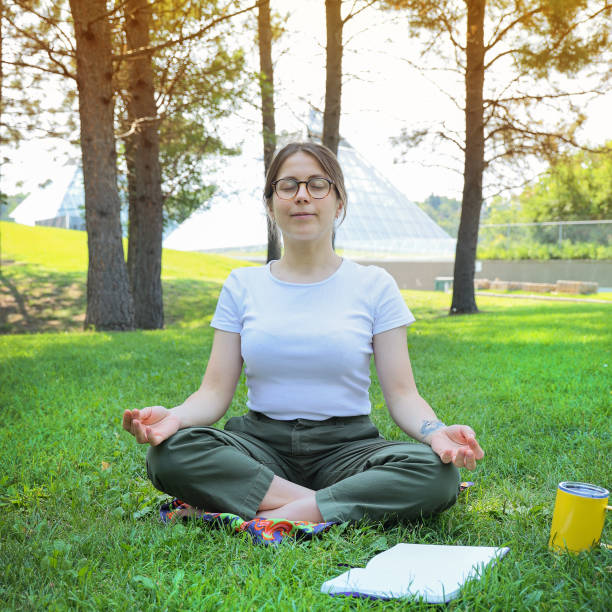
Regulating your nervous system can help reduce protective tension. One effective method is deep breathing. This technique calms the nervous system, signalling your muscles to relax. Another method is progressive muscle relaxation. This involves tensing each muscle group and then releasing the tension slowly.

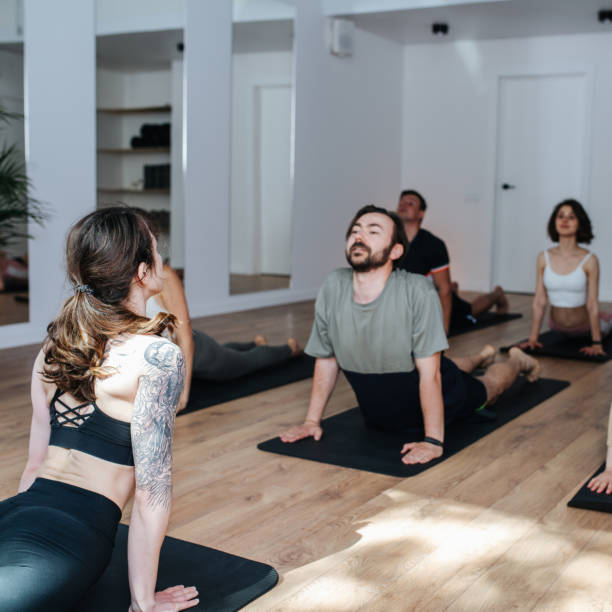
Mindfulness exercises can also prove beneficial. Practices like yoga or tai chi focus on body awareness and relaxation. Incorporating these activities into your routine can help in managing tension effectively.

When to Seek Professional Help

While self-care techniques can be effective, there are times when professional guidance is necessary. If your tension persists despite efforts to manage it, consider consulting a specialist. A professional can offer tailored advice and treatment options.

Persistent tension might indicate underlying issues that need addressing. Early intervention can prevent further complications and provide relief. Don’t hesitate to seek help when needed. It’s crucial for maintaining your health and wellbeing.

Professional Assessment at The Bodywright
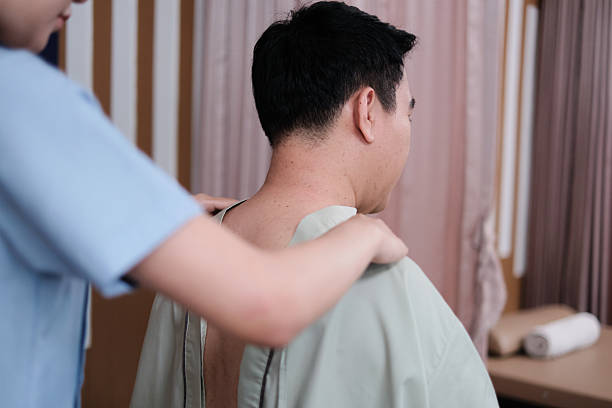
When self-care isn’t enough, a professional assessment can offer deeper insights into your muscle tension. At The Bodywright, we provide comprehensive services tailored to your needs.

Benefits of Sports Massage

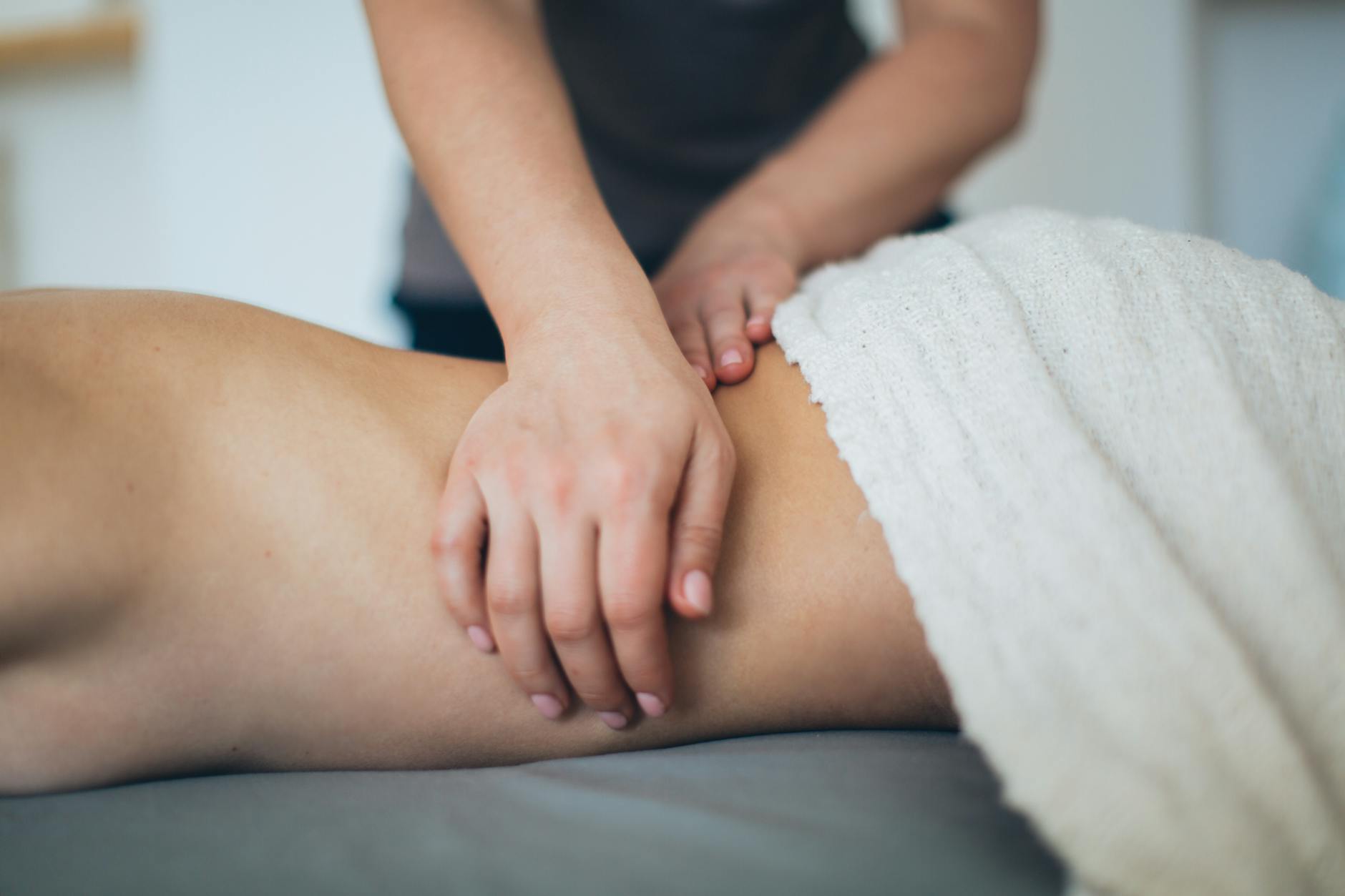
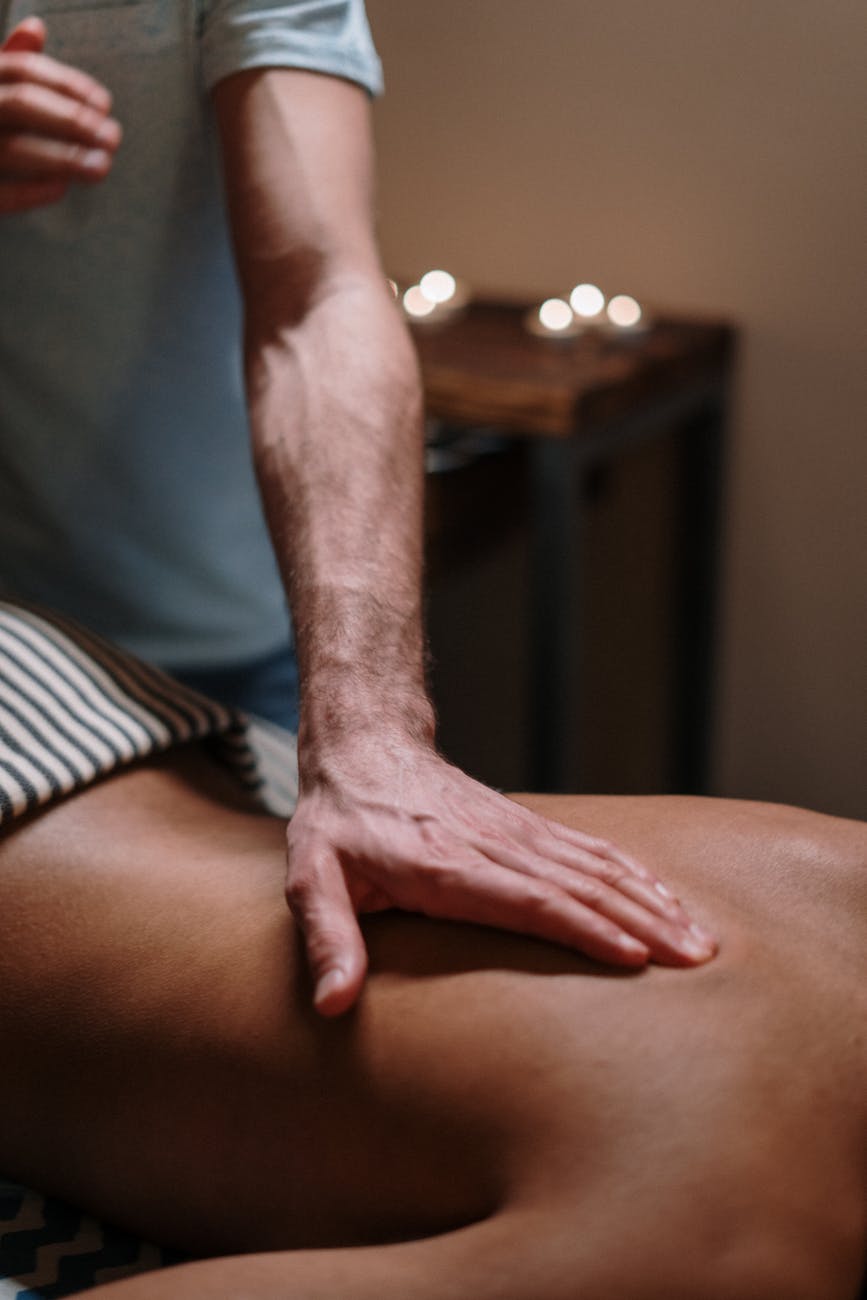
Sports massage offers targeted relief for muscle tension. It helps improve circulation and reduce stiffness. Our experienced practitioners focus on specific areas that need attention, providing relief from tension and discomfort.

Regular massage sessions can aid in reducing protective tension by improving muscle flexibility and joint mobility. This approach not only addresses symptoms but also promotes long-term wellbeing.

Comprehensive Movement Assessment

A comprehensive movement assessment can identify the root cause of your tension. This process involves evaluating your movement patterns to pinpoint areas of concern. It helps in creating a personalised treatment plan that suits your unique needs.

Understanding your movement patterns allows for targeted interventions. With this knowledge, we can guide you through exercises and treatments designed to alleviate tension and enhance mobility.

Booking Your Appointment in Oxfordshire and the Cotswolds

Ready to take the next step? The Bodywright is here to support you. Booking an appointment is simple. Our skilled therapists are ready to help you find relief and improve your quality of life.

Don’t let protective tension hold you back. Whether you’re in Oxfordshire or the Cotswolds, we’re here to guide you on your journey to recovery. Our holistic approach ensures you get the care you deserve. Embrace a pain-free life with our expert support.
Click to discover more

Why pain keeps returning after massage: the missing piece most people overlook

Why pain keeps returning after massage: the missing piece most people overlook

Recurring pain after massage frustrates many who expect lasting relief. You might feel better for a short time, only for that ache to creep back again. The missing piece often lies beyond the massage table—how your body moves, carries load, and copes with daily habits. At The Bodywright, we combine assessment, movement retraining, and lifestyle coaching to tackle the root cause, not just the symptom. Ready to break this cycle? Read on to find out how lasting relief is possible. For more insights, check out this source.

Understanding Recurring Pain

When you leave a massage feeling relaxed, it’s disheartening when pain returns soon after. This is a common experience, but understanding the reasons behind it can help you find lasting relief.

Why Pain Returns After Massage

Massages provide temporary relief by loosening tight muscles and improving circulation. However, they don’t always address the root causes of pain, meaning the discomfort can resurface. Often, persistent pain is linked to how your body moves and maintains posture. For instance, if you have poor posture while sitting at a desk all day, muscle tension can quickly return, undoing the benefits of the massage.

It’s also important to consider other factors like stress levels and overall physical health. Stress can cause muscle tension, and if your body isn’t supported by good nutrition and exercise, pain can become a recurring issue. To delve deeper into this topic, this article provides some useful insights.

Hidden Causes of Persistent Pain

There are often underlying issues that contribute to ongoing pain. These can include old injuries that haven’t healed properly, or muscular imbalances caused by repetitive movements or poor ergonomics. For example, if one side of your body is stronger than the other, this imbalance can lead to strain and discomfort.

Muscles and joints can also suffer from wear and tear over time, especially if not properly managed with regular exercise and stretching. Additionally, emotional stress can manifest physically, leading to chronic pain. Many people are unaware of these hidden causes, which is why addressing them can make a significant difference. Want to learn more? Check out this source for further details.

The Role of Lifestyle Factors

Lifestyle factors such as diet, sleep, and stress management play a significant role in how your body feels post-massage. Poor nutrition can lead to inflammation, while lack of sleep can increase pain sensitivity. Stress can exacerbate tension and discomfort. Without addressing these factors, even the best massages can offer only temporary relief.

It’s essential to incorporate healthy habits into your routine to support your body’s recovery and maintain balance. This includes regular physical activity, balanced nutrition, and effective stress reduction techniques. Understanding the role of these factors can empower you to take control of your health and achieve long-term relief. For more on this, visit this link.

Holistic Approach to Pain Relief

To truly move past recurring pain, consider a holistic approach. This involves not just treating symptoms but also addressing the underlying causes through various strategies.

Movement Assessment and Retraining

A movement assessment identifies dysfunctional movement patterns that contribute to pain. By retraining these patterns, you can reduce strain on muscles and joints, enhancing your body’s efficiency. This process involves exercises tailored to your specific needs, helping you move better and experience less pain.

Imagine having a tailored plan that targets your unique movement challenges. This proactive approach can prevent future discomfort and improve overall function. Curious to see how this works? Our movement assessment offers a deeper dive into this method.

Load Management Strategies

Managing the load your body carries is crucial for preventing pain. This involves understanding how much physical activity your body can handle and adjusting accordingly. Overloading your body can lead to injury and pain, while underloading can cause weakness and stiffness.

Implementing load management strategies can include altering your exercise routines or adjusting daily activities to ensure your body operates within its limits. By finding the right balance, you can build strength without overexerting yourself, helping to prevent pain from returning.

Lifestyle Coaching for Long-Term Relief

Lifestyle coaching offers guidance on integrating healthy habits into your daily life. This includes advice on nutrition, stress management, and sleep hygiene. By addressing these areas, you can support your body’s healing processes and maintain the benefits of massage therapy.

Through personalised coaching, you are equipped with tools and strategies to sustain a pain-free lifestyle. This comprehensive approach ensures you not only find relief but also enjoy improved health and wellbeing.

Comprehensive Treatment Solutions

By adopting a comprehensive approach, you can address the root causes of pain and enjoy long-lasting relief.

Tailored Rehab Programmes

A rehab programme designed specifically for you considers your unique needs and health goals. These programmes focus on rehabilitation exercises that enhance flexibility, strength, and endurance. They are particularly beneficial for those recovering from sports injuries or dealing with chronic pain.

Programs like these ensure you receive targeted care, which can speed up recovery and prevent future problems. This tailored attention helps you achieve your health goals efficiently.

Integrative Lifestyle Coaching

Integrative coaching combines various health strategies, offering a balanced approach to wellness. This includes nutrition advice, stress management techniques, and exercise recommendations. By integrating these elements, you can support your body’s natural healing processes.

With the right guidance, you can create a sustainable lifestyle that promotes health and prevents pain. This holistic approach ensures you’re not just treating symptoms but also building a foundation for lasting wellness.

Booking Your Assessment: What to Expect

When you book an assessment with The Bodywright, you begin a journey towards understanding and addressing the true causes of your pain. The assessment includes a comprehensive evaluation of your movement patterns, lifestyle, and health history. This thorough analysis helps create a personalised plan designed to meet your specific needs.

During this assessment, you’ll receive expert advice and practical solutions, empowering you to take control of your health. Ready to start your journey to pain-free living? Contact us to book your assessment today. The sooner you start, the sooner you can enjoy lasting relief.

Click to discover more

Long‑Term Wellness Packages: Your Game Changer for Sustainable Pain Relief

Long‑Term Wellness Packages: Your Game Changer for Sustainable Pain Relief

Persistent pain can feel like a constant barrier to the life you want. You might have tried one-off treatments that ease discomfort briefly, only for it to return. The Bodywright’s long-term wellness packages offer a different path: carefully structured programmes that combine sports massage Oxfordshire clients trust with tailored rehab and lifestyle coaching to deliver lasting relief and better mobility. Ready to move without pain? Book a free 20-minute discovery call or your Initial Assessment today. For more insights, consider exploring resources on combating chronic pain through holistic approaches.

The Bodywright’s Approach to Pain Relief

Comprehensive Wellness Packages

Imagine waking up pain-free, ready to embrace the day. The Bodywright offers you that possibility with our wellness packages. Designed with you in mind, these programmes provide a holistic approach to pain management.

Tailored Solutions for Every Individual

Your journey to wellness is unique. Our programmes are crafted to meet your specific needs. We listen to your story and create a pathway that works for you. Whether you’re recovering from an injury or seeking to improve your mobility, our solutions are personalised.

Long-Term Benefit of Wellness Packages

Why settle for temporary fixes when you can achieve lasting relief? Our packages focus on long-term results, ensuring you gain the mobility and comfort you deserve. It’s not just about managing pain; it’s about reclaiming your life.

Key Components of Our Packages

Sports and Remedial Massage

Relief in Every Session: Our sports and remedial massage targets your pain points directly. It’s more than a massage; it’s a therapeutic experience aimed at healing.

  • Pain Relief: Say goodbye to persistent aches with effective massages.

  • Injury Recovery: Accelerate your healing process with targeted therapy.

  • Mobility Improvement: Enhance your movement and flexibility.

Book a session and experience the difference here.

Acupuncture for Pain Relief

Ancient Techniques, Modern Relief: Acupuncture offers a tried-and-tested method for alleviating pain. It goes beyond temporary relief, addressing the root causes of discomfort.

  • Natural Pain Management: Harness your body’s healing power.

  • Stress Reduction: Feel calmer and more relaxed post-treatment.

  • Enhanced Recovery: Support your body’s natural healing processes.

Discover more about acupuncture’s benefits here.

Strength and Conditioning Programmes

Build Back Stronger: Our strength and conditioning programmes are designed to rebuild your body. They’re not just about exercise; they’re about restoring balance and strength.

  • Customised Exercises: Tailored routines that cater to your body’s needs.

  • Injury Prevention: Reduce the risk of future injuries with informed training.

  • Performance Boost: Elevate your strength and endurance.

Learn how these programmes can change your life by visiting this link.

Building a Healthier Lifestyle

Lifestyle and Nutrition Coaching

Fuel Your Body Right: Nutrition is a cornerstone of health. Our coaching helps you make informed decisions about what you eat and how it affects your body.

  • Personalised Plans: Find the right diet for your lifestyle and goals.

  • Nutrition Education: Understand how food impacts your health.

  • Sustainable Habits: Build long-lasting healthy eating habits.

Stress and Sleep Management

Rest and Recharge: Good sleep and stress management are vital for recovery. Our guidance helps you achieve better rest and manage stress effectively.

  • Sleep Strategies: Learn how to improve your sleep quality.

  • Stress Reduction Techniques: Manage stress with proven methods.

  • Holistic Approach: Address sleep and stress as part of your overall wellness plan.

Personalised Care and Progress Tracking

Your Health, Your Way: We believe in the power of personalised care. Our progress tracking ensures you’re on the right track to achieving your goals.

  • Regular Assessments: Stay informed about your progress and adjust as needed.

  • Goal Setting: Define clear milestones and celebrate achievements.

  • Continuous Support: We’re with you every step of the way, providing guidance and encouragement.

For a deeper dive into sustainable pain management, explore this resource.

By choosing The Bodywright, you’re not just opting for a service; you’re embracing a journey towards a pain-free life. Take the first step today and see the lasting impact our wellness packages can have.

Click to discover more

Balanced Movement: The Key to Preventing Chronic Pain

Balanced Movement: The Key to Preventing Chronic Pain

Back and neck pain can sneak up on you, making simple movements a struggle. Most people don’t realise that balanced movement is the key to stopping chronic pain before it starts. At The Bodywright, we combine expert assessment with personalised treatment to help you move freely and feel stronger every day. Keep reading to learn how small changes in your movement can protect your body for the long haul. Learn more about how movement can retrain the nervous system to combat chronic pain.

Understanding Balanced Movement

Balanced movement is more than just good posture; it’s about moving your body in ways that prevent pain. This section explores why balanced movement is crucial and how it can be your best defence against chronic pain.

Importance of Balanced Movement

Incorporating balanced movement into your daily life helps you maintain good health. It ensures that your muscles, joints, and ligaments work together efficiently. By focusing on balanced movement, you can improve your posture and reduce stress on your body. This approach is especially important for those spending long hours at a desk. Moving your body correctly can help you avoid potential issues down the road. Proper movement is not just beneficial; it’s necessary for a pain-free life. Find out how balanced movement can aid in recovery and prevent injuries.

How It Prevents Chronic Pain

Balanced movement plays a key role in stopping chronic pain before it starts. When your body is in balance, it distributes weight evenly, reducing unnecessary strain. This helps to prevent the wear and tear that leads to pain. For example, by keeping your back and neck aligned, you can avoid the common aches that many face. Simple daily adjustments can make a big difference in how you feel. Implementing these changes early on can save you from years of discomfort. Discover more about the role of movement in managing pain.

Role in Injury Prevention

Keeping your body balanced isn’t just about avoiding pain; it also helps prevent injuries. When your body is aligned, it can absorb shocks more effectively, reducing injury risk. Proper movement supports your joints, making them less susceptible to strains and sprains. Balancing movement can be a game-changer for athletes and active individuals. It enhances performance by ensuring your body is always prepared for physical activity. Learn how balanced movement can safeguard against potential injuries.

Holistic Approaches to Pain Relief

Moving beyond movement, a holistic approach to pain relief combines various strategies. The Bodywright’s holistic methods offer more than just temporary relief. This section explains how massage, acupuncture, and lifestyle changes work together for a healthier you.

Massage and Movement Synergy

Massage combined with movement can help alleviate pain and increase mobility. Sports massage targets specific areas, easing tension and improving circulation. This approach is beneficial for those suffering from back and neck issues. By integrating massage with movement, you can enhance your body’s natural healing process. This synergy not only reduces pain but also promotes better movement habits. It’s a powerful way to maintain your body in peak condition. Explore how massage therapy contributes to a balanced approach to pain relief.

Benefits of Acupuncture

Acupuncture offers a unique method to manage and prevent pain. This ancient practice uses fine needles to stimulate specific points on the body. It can effectively reduce pain by improving energy flow and promoting healing. Acupuncture is particularly useful for chronic pain sufferers. Many find relief where other treatments have failed. By incorporating acupuncture into your routine, you can experience long-lasting benefits. It’s a natural and effective way to enhance wellness and relieve discomfort.

Integrative Lifestyle Strategies

Embracing a comprehensive lifestyle approach can make a significant impact on your health. Strategies like proper nutrition, adequate sleep, and stress management can support pain relief. Adopting these habits strengthens your body’s ability to recover and maintain balance. Simple changes in diet and routine can lead to substantial improvements in your wellbeing. A holistic lifestyle is not just about avoiding pain; it’s about enriching your life.

Tailored Programmes and Assessments

To truly benefit, understanding your specific needs is essential. The Bodywright offers assessments to craft the perfect programme for you. This next section covers how to start your personalised journey to better health.

Booking Your Initial Assessment

Your first step to a pain-free life is booking an assessment. During this session, we evaluate your needs and create a tailored plan. Understanding your body’s unique requirements allows us to offer the best solutions. It’s more than just a consultation; it’s the start of your transformation. By taking this step, you commit to improving your health and wellbeing.

Personalised Rehab and Conditioning

After your assessment, a personalised programme is designed just for you. This plan includes targeted exercises and therapies to address your specific issues. Our goal is to enhance your mobility and reduce any pain you’re experiencing. Consistent support ensures that progress is made, and you stay on track. Your tailored programme is a roadmap to a stronger, healthier you.

Enquire About Treatment Options

If you’re ready to take the next step, exploring treatment options is easy. We offer a range of services, from massage to holistic lifestyle coaching. By choosing the right treatments, you can achieve long-lasting relief and improved mobility. Don’t let pain dictate your life; take control with a tailored approach. Reach out to learn more about how our treatments can benefit you.

In conclusion, balanced movement and holistic approaches can significantly improve your life. Investing in your health through tailored programmes ensures you live pain-free and active. Embrace these strategies to enjoy a future of wellness and vitality.

Click to discover more

How to Spot Early Pain Signals — and What to Do About Them

How to Spot Early Pain Signals — and What to Do About Them

Early pain signals often whisper before they shout. Ignoring niggles and stiffness might seem harmless, but they can quickly turn into stubborn issues that hold you back. You’ll learn how to spot these early signs, simple steps to ease discomfort, and when to get professional help. Let’s help you stay active and pain‑free with smart strategies tailored for Oxfordshire and the Cotswolds. Ready to take control? For further reading, you might find this article insightful.

Recognising Early Pain Signals

Understanding pain signals is your first step to staying active and pain-free. By recognising these early whispers, you can prevent bigger issues. Let’s explore the common signals your body might be sending.

Common Niggles and Stiffness

When you feel tightness or stiffness, it might be your body’s way of asking for attention. These small pains often appear after physical activity or long hours in the same position. It’s easy to dismiss them, but doing so can lead to chronic pain. Take note when you feel stiff upon waking or after sitting. These are often signs of minor strains or posture issues. Addressing them early can prevent further discomfort.

Some people assume stiffness is just part of getting older. But it’s not always inevitable. Simple changes in your routine or posture can make a big difference. If ignored, these niggles can become persistent, impacting your daily life and activities. Keeping a journal of when and where you feel stiff can help you identify patterns.

Identifying Trigger Points

Trigger points are tight areas in a muscle that can cause pain in other parts of the body. They often feel like small knots under the skin. You might notice them when you press on a sore spot and feel pain elsewhere. Recognising these can be key to reducing pain.

Trigger points can develop from stress, muscle overuse, or injury. You might notice them after intense activity or prolonged stress. Gently massaging these areas can often bring relief. But if they persist, it might be time to seek professional help. Understanding these points helps in targeting the root of your pain rather than just the symptoms.

Understanding Overuse Injuries

Overuse injuries happen when you repeatedly use the same muscle groups without giving them time to recover. These injuries often start with mild discomfort, but can escalate if left untreated. Common examples include tennis elbow or runner’s knee.

Many assume that pushing through discomfort builds strength, but this can lead to injury. Listening to your body and allowing rest is crucial. Switching up your routine can give fatigued muscles time to heal. If pain persists, consulting a professional can help you prevent long-term damage and maintain your active lifestyle.

Effective Self-Care Techniques

Once you’ve identified early pain signals, taking steps at home can help ease discomfort. Here are some easy self-care techniques to keep you moving smoothly.

Simple At-Home Checks

Regular self-checks are a great way to monitor your body’s condition. Start by noting any areas of discomfort during daily activities. Pay attention to how your body feels when stretching or moving. This helps in identifying any unusual tightness or pain.

Consider setting aside a few minutes each day for a quick body scan. Lie down, close your eyes, and mentally check in with each part of your body. This practice can highlight areas needing more attention. Keeping track of these findings enables you to adjust your activities and prevent injury.

Safe Relief Strategies

When discomfort arises, knowing safe ways to relieve it can prevent further issues. Applying ice or heat to sore areas can provide immediate relief. Ice reduces swelling, while heat helps relax tense muscles.

Gentle stretching can also alleviate tightness. Focus on the muscles around the sore area, gently elongating them. Avoid bouncing or forcing positions. If the pain persists, over-the-counter anti-inflammatories can help, but consult a healthcare provider if needed. These strategies can keep you active and reduce recovery time.

Stress and Sleep for Recovery

Stress and lack of sleep can exacerbate pain, making recovery slower. Ensuring adequate rest and managing stress are crucial for healing. Poor sleep affects your body’s ability to repair itself, leading to prolonged discomfort.

Incorporating relaxation techniques such as deep breathing or meditation can reduce stress levels. Establishing a consistent sleep schedule can also aid recovery. Aim for 7-9 hours of quality sleep per night. Taking these steps not only helps in reducing pain but also improves overall health and well-being.

Seeking Professional Support

Sometimes, self-care isn’t enough, and professional support becomes necessary. Understanding the available options can guide you to the right help.

Benefits of Sports Massage in Oxfordshire

Sports massage can be a powerful tool in managing pain and enhancing performance. It targets soft tissues, helping to relieve tension and promote healing. Many in Oxfordshire have found relief from persistent pain through regular sessions.

Sports massage isn’t just for athletes; anyone can benefit from its techniques. It helps in increasing flexibility and reducing the risk of injury. By focusing on specific areas, it can aid recovery and enhance overall mobility. If you’re in Oxfordshire and struggling with pain, consider incorporating sports massage into your routine for effective relief.

Role of Acupuncture for Pain Relief

Acupuncture offers a natural way to relieve pain by stimulating specific points on the body. This ancient technique can help in managing chronic pain and promoting well-being. Many have turned to acupuncture for its holistic approach.

Acupuncture works by balancing the body’s energy flow. It’s especially effective for those suffering from persistent pain that hasn’t responded to other treatments. People often report reduced pain and increased relaxation after sessions. If you’re curious about acupuncture for pain relief, it might be worth exploring as part of your pain management plan.

Personalised Rehab Programmes and Coaching

Personalised rehab programmes are designed to meet your unique needs. They focus on addressing specific pain points and improving movement. With professional guidance, these programmes can accelerate recovery and prevent future injuries.

A tailored approach considers your lifestyle, fitness level, and specific goals. It might include exercises, stretches, and lifestyle adjustments. By working closely with a professional, you can ensure your programme is effective and safe. For those serious about recovery and performance, personalised coaching offers a supportive path to achieving your health goals.

For more insights on pain management techniques, here’s a comprehensive resource that can help you explore various options.

Click to discover more

Listen to the Twinge: Practical Ways to Spot and Soothe Early Pain Signals

Listen to the Twinge: Practical Ways to Spot and Soothe Early Pain Signals

Ignoring the pain you feel today risks turning a small niggle into a lasting problem. Those early pain signals are your body’s way of asking for help before injury takes hold. At The Bodywright, we guide you to spot these warnings early, so you can take action that keeps you moving freely. Let’s explore how recognising and soothing these signs today can save your tomorrow. Read more about the science behind pain here.

Recognising Early Pain Signals

Pain doesn’t always start as a scream; sometimes, it’s just a whisper. Spotting these early warning signs can save you from bigger issues later.

Common Early Warning Signs

Do you notice little aches that come and go? Maybe tightness in your neck or a twinge in your knee. These are signs your body needs attention. Ignoring them may lead to more serious problems.

  • Neck Tightness: Often from posture issues, especially if you sit at a desk. It could signal that your posture and mobility need checking.

  • Knee Twinges: Common in active folks, especially runners. It’s often a precursor to conditions like runner’s knee.

Most people think these minor pains will resolve on their own, but they often worsen without intervention. The earlier you address these signals, the better for long-term health.

How to Listen to Your Body

Listening to your body is about awareness. Pay attention to how you feel when you move. Do certain activities increase discomfort? Use your body as a guide.

  • Track Discomfort: Keep a journal of when pain occurs. Does it happen after sitting for long periods or after exercise?

  • Evaluate Range of Motion: Do simple tests at home. Can you move freely, or do you feel restricted?

By tuning into these signals, you can identify patterns and take steps to prevent escalation. For a deeper understanding, learn about central sensitization.

Effective Soothing Techniques

Once you recognise these signs, the next step is to act. Immediate relief and long-term strategies can help keep pain at bay.

Immediate Relief Strategies

Quick relief can prevent early pain from becoming chronic. Try simple methods to soothe discomfort as soon as it arises.

  • Ice and Heat Therapy: Ice helps reduce inflammation, while heat relaxes tight muscles. Alternate between the two for best results.

  • Gentle Stretches: Focus on the affected area. Stretching can improve blood circulation and reduce stiffness.

These strategies offer short-term relief, but addressing the underlying cause is crucial. For more tips, the American Psychological Association provides valuable insights on pain management.

Long-term Pain Prevention

Preventing pain requires lifestyle changes. It’s about building habits that support your body.

  1. Regular Exercise: Choose activities that strengthen and condition your body. This builds resilience and prevents injuries.

  2. Mindful Movement: Practice yoga or tai chi. These exercises enhance posture and mobility, keeping your body aligned and strong.

By integrating these habits, you ensure lasting relief and a healthier future.

The Bodywright Approach

The Bodywright believes in a tailored approach to health. Our methods combine science with empathy to deliver holistic care.

Personalised Assessment and Treatment

Every body is unique, and so is our treatment. We start with a detailed assessment to understand your needs.

  • Movement Assessment: We evaluate your posture and mobility, identifying areas that need attention.

  • Tailored Programmes: Based on our findings, we create a plan just for you. This might include sports massage, acupuncture, or remedial exercises.

Our goal is to provide solutions that address the root cause of your pain. Explore the science behind our methods in recent studies here.

Holistic Health for Lasting Results

Our approach goes beyond treatment. We focus on holistic health that ensures lasting results.

  • Lifestyle Coaching: We offer guidance on nutrition, stress management, and sleep. These are crucial for injury prevention and overall wellness.

  • Community Support: Join our workshops and group sessions for continuous learning and support. Being part of a community enhances motivation and commitment.

At The Bodywright, we are more than practitioners; we are partners in your journey to wellness. Remember, the longer you wait to address pain, the more challenging it becomes to overcome. By taking action today, you’re investing in a pain-free tomorrow.

Click to discover more

Build Resilience: Lifestyle Changes to Prevent Recurring Injuries

Build Resilience: Lifestyle Changes to Prevent Recurring Injuries

Recurring injuries drain your energy and steal your freedom to move without pain. Too often, you try quick fixes that only mask the problem, leaving you stuck in the same cycle. By making smart lifestyle changes, you can build resilience and stop those injuries from coming back. In this post, you’ll find practical steps to protect your body and regain control of your health. Ready to take the first step? Learn more here.

Everyday Habits for Injury Prevention

Starting with small daily habits can significantly protect your body from injuries. Let’s explore practical steps that can become a cornerstone of your routine.

Maintain Proper Posture and Mobility

Good posture isn’t just about standing up straight. It’s about maintaining a balance that supports your whole body. When you sit, stand, or move in a balanced way, less strain is placed on your muscles. This reduces the chance of injuries.

Imagine your body as a building. If the foundation is off, everything else is at risk. A strong foundation starts with your posture. Focus on keeping your shoulders relaxed and your spine aligned. Small adjustments can make a big difference. Incorporate stretching and gentle exercises to improve your mobility. These practices help your body move fluidly, which is key in preventing injuries.

Nutrition for Healing and Resilience

What you eat fuels your body and affects how you heal. Consuming a balanced diet rich in vitamins and minerals supports your recovery and builds resilience. Foods like leafy greens, lean proteins, and nuts provide essential nutrients that strengthen your body.

Think of food as a tool for recovery. Omega-3 fatty acids, found in fish, are known to reduce inflammation, which is crucial for healing. Stay hydrated, as water aids in transporting nutrients and flushing toxins. A well-nourished body is a strong body, ready to tackle the day.

Prioritise Sleep for Recovery

Sleep is your body’s natural healer. It’s during deep sleep that your body repairs tissues and muscles. By ensuring you get enough rest, you’re helping your body recover faster and better. Aim for 7-9 hours of quality sleep each night.

Create a calming bedtime routine. Limit screen time, reduce caffeine intake, and keep your sleeping environment comfortable. These tweaks can significantly improve your sleep quality. Remember, a restful night sets the stage for an active, injury-free day.

Holistic Approaches to Pain Relief

Incorporating holistic methods can enhance your journey to pain relief. These approaches work in harmony with your body, promoting healing and relaxation.

Benefits of Sports Massage in Oxfordshire

A sports massage is not just a luxury; it’s a necessity for injury prevention. Regular massage sessions can improve blood circulation and reduce muscle tension. This is particularly beneficial for those living in Oxfordshire, where sports massage services are widely available.

Think of a sports massage as a reset button for your muscles. It helps in breaking down scar tissue and improving range of motion. By including regular massages in your routine, you can prevent injuries and improve your overall performance.

Acupuncture for Pain Relief and Relaxation

Acupuncture offers a natural way to relieve pain. The practice involves inserting thin needles at specific points to stimulate healing. This ancient method can reduce inflammation and promote relaxation.

Many people find acupuncture to be a calming experience. It not only helps with pain relief but also balances your body’s energy flow. This balance can lead to improved mental clarity and reduced stress, which are vital for recovery.

Stress Management Techniques for Recovery

Stress can slow down your recovery process. Learning to manage stress effectively is crucial. Practices like deep breathing, meditation, and yoga can help reduce stress levels.

Consider stress management as a tool in your recovery kit. When you’re calm, your body functions better. This balance aids in faster recovery and reduces the risk of injuries. Make time for activities that relax you and help you unwind.

Personalised Programmes for Lasting Relief

A tailored approach to your health needs can provide lasting relief. Personalised programmes address your unique challenges and goals.

Tailored Rehab and Strength Programmes

A one-size-fits-all approach doesn’t work for injury recovery. Tailored rehab programmes focus on your specific needs. These programs can include strength training and flexibility exercises designed for you.

Think of tailored programmes as a roadmap to recovery. They guide you through exercises that strengthen weak areas and improve coordination. A personalized plan ensures you build resilience and prevent future injuries.

Comprehensive Movement Assessments

Understanding how your body moves is crucial for preventing injuries. A comprehensive movement assessment can identify imbalances or weaknesses. This knowledge allows for targeted interventions.

Imagine having a blueprint of your movement patterns. This insight helps you make informed decisions about exercises and activities. With a clear understanding of your body, you can prevent injuries before they happen.

Long-term Wellness Packages and Consultations

Investing in long-term wellness packages can provide continuous support on your wellness journey. These packages often include regular consultations, tailored exercises, and lifestyle coaching.

Think of long-term wellness as a partnership. With regular check-ins, you can make necessary adjustments and stay on track. Continuous guidance ensures you maintain progress and achieve your health goals.

By incorporating these strategies and embracing a holistic approach, you can prevent recurring injuries and enjoy a pain-free life. Remember, small changes today can lead to significant improvements tomorrow.

Click to discover more

Move in Balance: Your Everyday Strategy to Prevent Chronic Pain

Move in Balance: Your Everyday Strategy to Prevent Chronic Pain

Most people ignore how daily habits shape their bodies until pain shows up uninvited. That nagging stiffness at your desk or the ache after a run isn’t just bad luck—it’s often the result of imbalanced movement patterns. Learning how balanced movement supports chronic pain prevention can change the way you move through life. At The Bodywright, we’ll guide you through simple steps to improve your posture and mobility, so you can enjoy lasting relief and stay active longer. Learn more about the benefits of balanced movement here.

Why Balanced Movement Matters

Balanced movement is not just about exercise; it’s about living without pain. By assessing how you move, you can tackle the root causes of discomfort. This simple shift can improve your daily life.

Preventing Chronic Pain

Chronic pain is more common than you might think. Many people suffer due to repetitive stress or poor posture. Imagine waking up without that nagging ache in your back. By focusing on balanced movement, you can reduce strain on your muscles and joints. Regular movement helps maintain healthy tissue and reduces inflammation. A study from Harvard Health highlights that physical activity is key in managing pain source.

But here’s a twist: less is sometimes more. Over-exercising can worsen pain if not done correctly. You need to find the right balance to support your body. That’s where understanding your unique movement patterns comes into play.

Benefits of Gait and Posture Analysis

Gait and posture analysis might sound technical, but it’s simply about observing how you stand and move. This analysis can uncover hidden issues causing pain. It’s like having a mirror that shows you why your back hurts after sitting.

A detailed assessment can highlight small changes that make a big difference. For example, shifting weight evenly on both feet can prevent knee pain. According to research, consistent analysis and adjustment can lead to significant improvements in mobility and pain reduction source.

Here’s the key insight: most people overlook minor habits, assuming pain is inevitable. But small tweaks can lead to big relief, allowing you to enjoy a pain-free life.

Essential Habits for Pain-Free Living

Now that you understand the importance of balanced movement, let’s focus on habits that promote a pain-free life. Simple changes in your daily routine can make a huge impact.

Desk Posture Tips for Office Workers

Spending hours at a desk can take a toll on your body. Poor posture leads to tension and discomfort. But there’s hope. By adjusting your workspace, you can alleviate these issues.

  1. Align Your Screen: Position your monitor at eye level to avoid neck strain.

  2. Support Your Back: Use a chair with good lumbar support to maintain a natural curve in your spine.

  3. Take Breaks: Stand up and stretch every 30 minutes to keep blood flowing, reducing stiffness.

These tips are more than just quick fixes. They help you build a better relationship with your body. Remember, your workspace habits directly affect your long-term health.

Flexibility and Stability Exercises

Flexibility and stability go hand in hand. Flexibility allows for a full range of motion, while stability keeps you grounded. Together, they form a solid foundation for pain-free living.

Incorporate simple exercises into your daily routine. Start with gentle stretches like toe touches or arm circles. These increase blood flow and enhance flexibility. Next, focus on stability with exercises like balance walks or single-leg stands. These exercises strengthen your core, providing better support for your spine.

Most people think exercise is about intensity, but it’s about consistency. Regular movement, even if gentle, is more beneficial than sporadic, intense workouts. This approach fosters a balanced body, reducing the likelihood of chronic pain.

The Bodywright: Your Local Partner

At The Bodywright, we know that each body is unique. We offer tailored support to help you move comfortably and confidently. Let’s explore how we can be your partner in wellness.

Tailored Programmes for Injury Prevention

Our programmes are designed with you in mind. We assess your individual needs to create a path towards pain-free living. Whether you’re recovering from an injury or preventing one, we tailor our approach to suit your goals.

Our team provides a mix of sports massage, acupuncture, and corrective exercises. This combination targets pain, enhances mobility, and boosts overall well-being. Our goal is simple: to keep you active and healthy, enjoying life to the fullest.

Movement Assessment and Sports Massage Oxfordshire

Located in Oxfordshire and The Cotswolds, we offer comprehensive movement assessments. Our experts identify areas of improvement, helping you address issues before they become chronic.

Our sports massage services complement our assessments. By releasing tension and improving circulation, massage alleviates pain and restores function. Plus, our holistic approach includes lifestyle and nutrition coaching, ensuring you have all the tools needed for pain-free living.

In summary, balanced movement is crucial for preventing chronic pain. By adopting simple habits and seeking professional guidance, you can transform your health. The Bodywright is here to support your journey to wellness, offering expertise, empathy, and tailored care. Let’s work together to achieve a life without pain.

Click to discover more

Personalised Fitness & Rehabilitation Programmes for Sustainable Mobility

Personalised Fitness & Rehabilitation Programmes for Sustainable Mobility

You’ve been managing pain and stiffness for months, but nothing feels quite right. Your body needs more than quick fixes—it needs a personalised rehabilitation programme that fits your unique needs. At The Bodywright, we combine sports massage Oxfordshire trusts with targeted strength work and lifestyle coaching to help you regain sustainable mobility. Ready to move freely again? Let’s explore how tailored care can make all the difference.

Tailored Fitness & Rehabilitation

Imagine feeling light on your feet again, free from the discomfort that’s been holding you back. Whether you’re an athlete or just someone eager to enjoy life without pain, a tailored approach is key.

Personalised Rehabilitation Programme

When pain lingers, it can feel like a constant shadow over your life. A personalised rehabilitation programme shines a light on the root causes, not just the symptoms. We start with a detailed assessment, identifying what’s truly needed for your body. This isn’t a one-size-fits-all plan.

  • Each session focuses on your unique challenges and goals.

  • You’ll benefit from a mix of manual therapy and corrective exercises.

  • Progress is tracked consistently, ensuring you’re always on the right path.

Your journey to recovery is as unique as you are. With a clear plan, you’ll move from feeling stuck to seeing progress. Most people think they need to just live with pain, but that’s not true.

Sports Massage Oxfordshire

Sports massage can be the game-changer your recovery needs. It’s not just for athletes—it’s for anyone looking to ease tension and support healing. In Oxfordshire, our skilled therapists understand the intricacies of the body.

  • Targeted techniques help reduce muscle tension and improve circulation.

  • Regular sessions can lead to faster recovery and less pain.

  • You’ll notice improvements not just in movement, but in overall wellbeing.

Imagine waking up without the usual aches. With the right massage, you can. While many assume massage is a luxury, it’s actually a critical component of effective recovery.

Strength and Conditioning Oxfordshire

Building strength isn’t just about lifting weights. It’s about enhancing your body’s ability to support itself. In Oxfordshire, we focus on creating a safe, effective plan for you.

  • Workouts are personalised to match your current fitness level.

  • We incorporate exercises that improve balance and stability.

  • Regular sessions lead to increased resilience and reduced injury risk.

You might think strength training is only for athletes, but everyone benefits from a stronger body. Feeling stronger isn’t just about muscle—it’s about confidence in every move you make.

Holistic Health for Mobility

True mobility is about more than just physical strength. It’s a blend of smart strategies and supportive lifestyle choices that keep your body moving with ease.

Sustainable Mobility Strategies

Mobility goes beyond flexibility—it’s about how well your body performs daily tasks. Here, sustainable strategies are key. We focus on exercises that improve joint function and increase range of motion.

  • Regular mobility work can prevent stiffness and promote better posture.

  • It’s not just about exercises—it’s about integrating movement into daily life.

  • You’ll learn techniques to maintain mobility long-term, whether at work or at play.

Most people don’t realise that simple changes can have a big impact. Small, consistent efforts lead to lasting results.

Lifestyle and Nutrition Coaching

What you eat and how you live directly impacts your mobility. Nutrition isn’t just fuel—it’s foundational to your health journey. Our coaching guides you to make informed choices.

  • Personalised nutrition plans cater to your specific needs and goals.

  • We address lifestyle factors like sleep and stress, which impact recovery.

  • You’ll gain tools to maintain these changes, supporting your mobility goals.

It’s easy to overlook lifestyle factors, but they play a crucial role in recovery. Empower yourself with knowledge, and watch your health transform.

Acupuncture for Pain Management

Acupuncture might be the missing piece in your pain management puzzle. This ancient practice offers modern benefits, helping to reduce pain and tension.

  • Stimulates healing processes within your body.

  • Can improve energy flow, leading to reduced discomfort.

  • Sessions are tailored to address your specific areas of concern.

Some may view acupuncture as unconventional, but it’s a time-tested method for managing pain. Why not explore every avenue to feel better?

The Bodywright’s Approach

Our approach is about more than just treatment—it’s about understanding you as a whole. We believe in a thorough assessment to create a plan that addresses every facet of your wellbeing.

Movement Assessment Benefits

A movement assessment provides a clear picture of your body’s mechanics. It’s the first step in crafting a personalised plan that meets your unique needs.

  • Identifies areas of imbalance or weakness that need attention.

  • Helps in creating a tailored plan for recovery and strength building.

  • Regular assessments track progress, ensuring you’re on the right path.

Most think they know their bodies, but assessments reveal insights that lead to real change. Understanding your movement patterns is key to long-term success.

Injury Recovery Oxford

Injury recovery is about getting back to the activities you love. In Oxford, our recovery programmes focus on rebuilding strength and confidence.

  • Personalised plans address your specific injury and recovery goals.

  • Sessions combine manual therapy with targeted strength exercises.

  • Ongoing support ensures you stay motivated and on track.

Recovery isn’t just about time—it’s about taking the right steps. With guidance, you can return to your best self sooner.

Wellness Packages Cotswolds

The Cotswolds offers more than just stunning landscapes—it’s a place for wellness and rejuvenation. Our packages provide a comprehensive approach to health.

  • Tailored programmes include massage, acupuncture, and lifestyle coaching.

  • Packages are designed to suit different needs and timeframes.

  • You’ll enjoy holistic care that boosts your health and happiness.

Wellness isn’t just a destination—it’s a journey. Why not start yours today?

Each step of the way, The Bodywright is here to guide you to a pain-free, active life. Embrace the opportunity to invest in your wellbeing, and discover the difference personalised care can make.

Click to discover more

Top lifestyle adjustments to prevent recurring neck and back pain

Top lifestyle adjustments to prevent recurring neck and back pain

Recurring neck and back pain isn’t just uncomfortable—it can drain your energy and limit your daily life. If you’ve tried quick fixes that only mask the problem, it’s time to focus on changes that truly matter. This guide highlights simple lifestyle adjustments around posture, mobility, and core strength that help prevent recurring neck pain and back pain for good. Ready to feel better and stay pain-free? Let’s explore what works. Read more here.

Understanding the Causes of Pain

Preventing recurring neck pain and back pain starts with understanding what causes it in the first place. By identifying these factors, you can make changes that stick.

The Impact of Poor Posture

Poor posture is a common culprit in developing neck and back discomfort. When you slouch or lean forward, you put extra pressure on your spine. Over time, this can lead to recurring issues. Think about the hours spent hunched over a desk or staring down at a phone. These habits don’t do your body any favours. Making small adjustments to how you sit and stand can make a big difference.

Consider this: Your head weighs about 5kg. For every inch it tilts forward, the strain on your spine doubles. That’s a lot of pressure! By straightening up and keeping your head aligned with your shoulders, you can reduce this strain significantly.

Recognising Tech Neck Symptoms

Tech neck is a modern problem linked to our tech-driven lives. If you find yourself constantly using smartphones or laptops, you might be at risk. Symptoms often include pain in the neck area, headaches, and even tingling in the arms. These symptoms arise because of the constant flexion of the neck when looking down.

The longer you ignore these signs, the worse they can become. It’s important to recognise them early and make necessary changes. Adjusting your screen height and taking regular breaks can ease these symptoms. Explore more tips here.

Lifestyle Adjustments for Pain Relief

Once you understand the root causes, it’s time to make lifestyle changes that focus on prevention and relief. These adjustments are simple yet effective.

Importance of Ergonomic Desk Set-up

Your workspace setup plays a crucial role in preventing neck and back pain. An ergonomic desk arrangement can help you maintain a better posture throughout the day. Start by ensuring your computer screen is at eye level. Your chair should support your lower back, and your feet should touch the ground comfortably.

Remember, small tweaks can lead to big improvements. Position your keyboard so that your elbows are at a 90-degree angle. This reduces the strain on your shoulders and neck. Learn more about setting up your desk ergonomically.

Enhancing Mobility and Core Strength

Mobility and core strength are key to maintaining a healthy back. A strong core supports your spine and reduces the likelihood of injury. Incorporating exercises like planks and gentle yoga can enhance your core stability. Aim to move regularly and incorporate stretching into your routine for flexibility.

It’s worth noting that a simple 15-minute daily routine can improve your strength and flexibility. This helps keep pain at bay and enhances your overall well-being. Discover exercises to prevent neck pain.

Holistic Approaches to Pain-Free Living

Beyond physical adjustments, holistic approaches offer a well-rounded path to pain-free living. These methods focus on overall wellness and support long-term health.

Benefits of Sports Massage and Acupuncture

Sports massage and acupuncture are powerful tools in managing and preventing pain. Massage can relieve muscle tension and improve circulation, aiding recovery. Acupuncture has been shown to reduce inflammation and promote healing. Both methods offer an approach to managing neck and back pain effectively.

Consider the relief that comes from a massage session targeted at your specific pain areas. It’s not just about relaxation—it’s about healing. Explore acupuncture benefits.

Tailored Rehab Programme and Lifestyle Coaching

A tailored rehab programme and lifestyle coaching can offer guidance in making sustainable changes. These programmes focus on your individual needs, ensuring that every aspect of your lifestyle supports your health goals. From diet to exercise, every element is considered.

Partnering with a coach can provide the support needed to stay on track. They help identify the areas that need attention and offer solutions that fit your lifestyle. Embrace the journey to a pain-free life with confidence and support by your side.

The path to a pain-free life is within reach. By understanding the causes and making thoughtful changes, you can prevent recurring neck pain and back pain. Remember, each small step contributes to your overall well-being.

Click to discover more