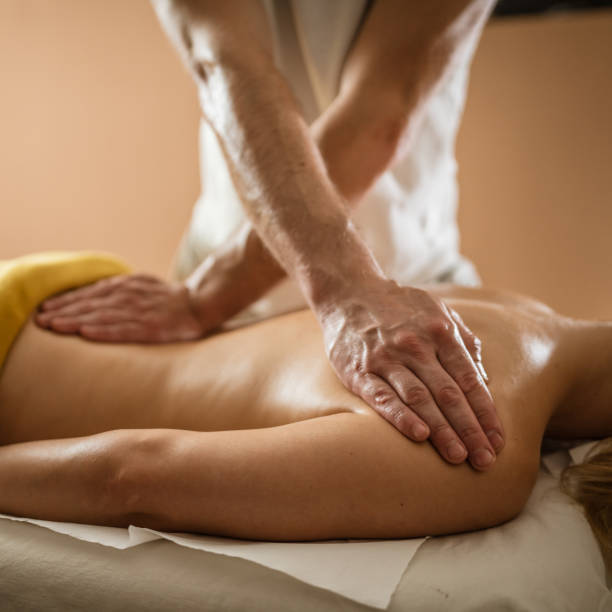
Lifestyle Changes for Long-term Neck and Back Pain Relief

Lifestyle Changes for Long-term Neck and Back Pain Relief

Neck and back pain can sneak up on you, turning simple tasks into daily struggles. If you’re searching for neck pain relief UK or back pain relief Oxfordshire, small lifestyle shifts could make a big difference. This post shares practical changes that ease discomfort, build strength, and help keep pain at bay. Stick with us to learn how to take control and start moving with ease again. Learn more here.

Simple Lifestyle Adjustments
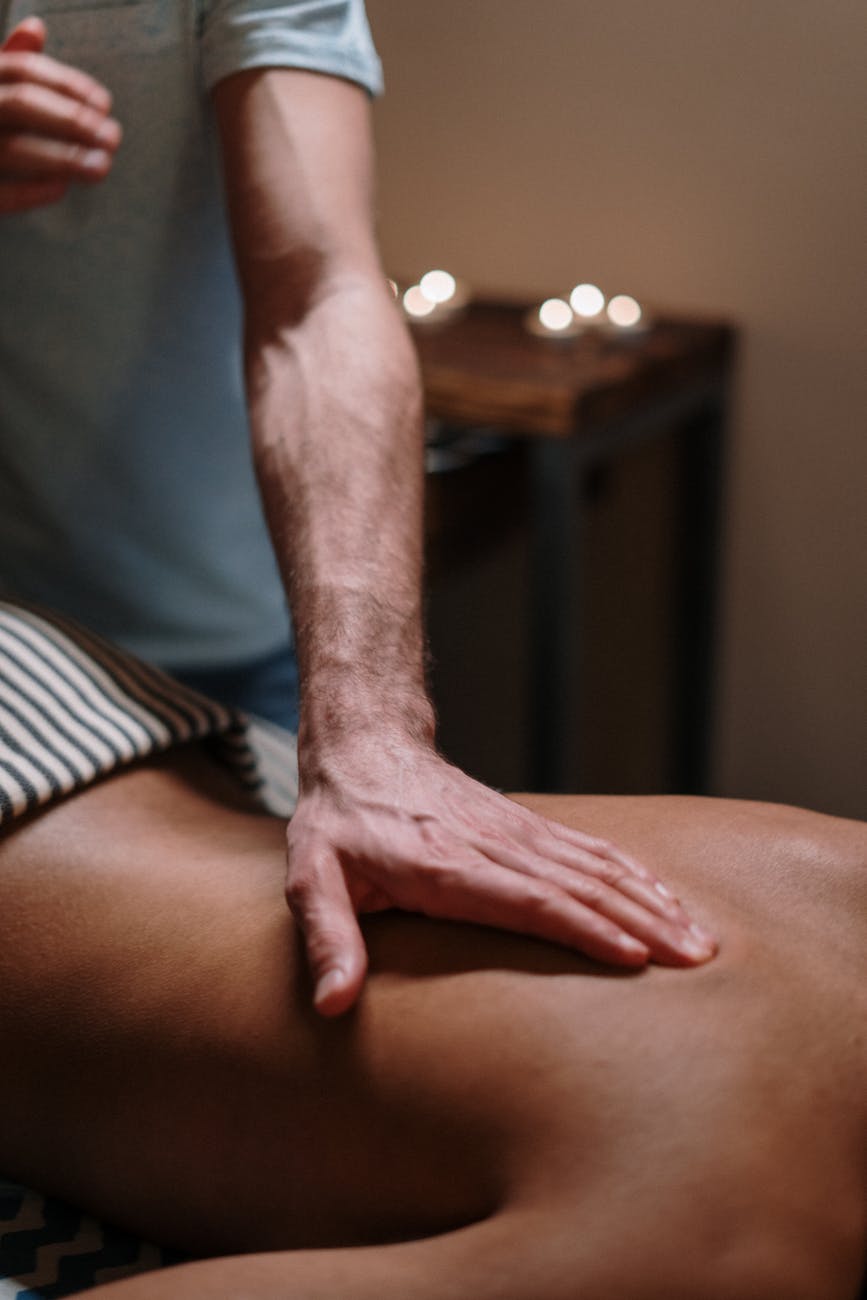
Let’s dive into some straightforward changes you can make today. These tips could turn your everyday habits into powerful pain-relief allies.

Ergonomic Tips for Desk Workers

If you spend long hours at a desk, your setup could be the culprit behind your discomfort. A few tweaks might do wonders. Start with your chair: it should support your lower back. Your feet should rest flat on the floor. Adjust your screen to eye level to avoid straining your neck.

Don’t forget to take breaks. Stand up, stretch, and walk around every 30 minutes to keep your blood flowing. These small actions can keep neck pain at bay and improve your overall comfort at work. For more insights, check out these ergonomic tips.

Mobility Exercises for Pain Relief

Movement is medicine. Gentle exercises can ease tension and build resilience. Start with simple neck stretches: tilt your head side to side, holding each stretch for 10 seconds. For your back, try cat-cow stretches: arch your back up and then dip it down in a fluid motion.

Incorporate these stretches daily. They help maintain flexibility and reduce stiffness. Remember, the goal is to move without pain, so listen to your body and go at your own pace. Here’s a guide to back-friendly exercises.

Nutrition for Spinal Health

What you eat affects your spine. Foods rich in calcium and vitamin D support bone health. Think leafy greens and dairy. Omega-3 fatty acids, found in fish, can reduce inflammation, potentially easing pain.

Stay hydrated too. Water keeps your spinal discs healthy. A balanced diet nourishes your whole body, setting the stage for pain-free living. By making mindful food choices, you’re investing in a healthier spine. Discover more about spinal health nutrition.

Holistic Approaches to Pain Management
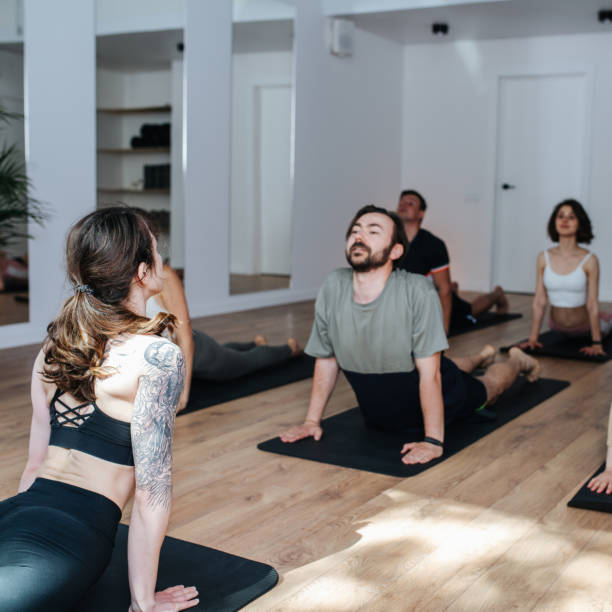
Beyond lifestyle tweaks, there are holistic methods that can further soothe your neck and back. Curious about new ways to find relief? Keep reading.

Acupuncture for Back Pain

Acupuncture might seem unusual, but many swear by its benefits. This ancient practice involves tiny needles stimulating specific points on your body. It’s believed to release blocked energy, alleviating pain.

Research suggests acupuncture can reduce chronic back pain. It’s non-invasive and has minimal side effects. If you’re exploring options, acupuncture might be worth considering. Learn more about acupuncture benefits.

Myofascial Release Techniques

Imagine gently pressing on your muscles to release tension. That’s what myofascial release does. Targeting knots and tight spots helps your body relax, reducing pain.

Using a foam roller or your hands, apply steady pressure on sore areas. This technique can improve circulation and ease discomfort. It’s like a self-massage that leaves you feeling refreshed.

Benefits of Sports Massage in the Cotswolds

Sports massage offers more than relaxation. It targets deeper layers of muscle, breaking up adhesions and improving mobility. If you’re in the Cotswolds, local therapists provide skilled hands to help you recover.

This massage type can aid injury recovery and prevent future issues. Treat yourself to a session and feel the difference. It’s not just a luxury; it’s a step toward a healthier you. Discover the value of sports massage.

Building Resilience and Preventing Flare-Ups

Ready to fortify your body against pain? Here’s how you can build resilience and keep those pesky flare-ups at bay.

Strength and Conditioning Programmes

Strength training isn’t just for athletes. It’s about building muscle to support your spine. Focus on your core, as it stabilises your whole body.

Incorporate exercises like planks and bridges. These moves strengthen without straining. Over time, you’ll notice improved posture and less pain. A well-rounded fitness routine is your ticket to long-term relief. See how a strength programme can help.

Posture Coaching for Long-Term Relief

Good posture isn’t just about standing tall. It’s maintaining alignment in every activity. Posture coaching helps you develop these habits.

Coaches provide personalised feedback, teaching you how to sit, stand, and move correctly. The result? Less strain on your neck and back. You’ll move with ease, free from pain.

Injury Prevention Strategies

Preventing injuries is easier than treating them. Simple strategies can safeguard your spine. Warm up before exercise and avoid sudden movements. Listen to your body’s signals and rest when needed.

These habits protect your body from harm. By staying proactive, you minimise injury risk and enjoy a pain-free life.

Feeling inspired to make changes? Each step you take brings you closer to a pain-free existence. Embrace these strategies. Your body will thank you.

Click to discover more

Stressed and Tight? How Stress Fuels Muscle Tension—and Natural Ways to Ease It

Stressed and Tight? How Stress Fuels Muscle Tension—and Natural Ways to Ease It

Stress tightens your muscles in ways you might not notice until pain sets in. That nagging neck or back tension often starts from stress and muscle tension building up over time. This post reveals natural stress relief methods that work, from breathwork to myofascial release, helping you break free from discomfort. Ready to feel lighter and move easier? Keep reading. For more information, you can check this helpful guide: https://www.medicalnewstoday.com/articles/how-to-release-chronically-tight-muscles.

How Stress Triggers Muscle Tension

Your body reacts to stress in many ways, often without you realising it’s happening. Let’s explore how stress affects your muscles and the discomfort it can bring.

The Stress Response Explained

When stress hits, your body switches to “fight or flight” mode. Hormones like adrenaline surge, causing your heart to race and muscles to tighten. This response is meant to protect you in dangerous situations, but when stress is constant, it takes a toll on your body. Muscle tension becomes chronic, leading to pain in areas like your neck and shoulders.

Your body isn’t designed to stay in this heightened state for long. Yet, daily pressures keep our stress levels high, leading to persistent muscle tension. This tension can become so familiar that you might not even notice it until you’re in pain. Understanding this connection is key to breaking the cycle and finding relief.

Common Areas of Discomfort

Stress doesn’t just affect your mind; it targets specific muscle groups. The neck and shoulders often bear the brunt, resulting in tension headaches and stiffness. Lower back pain is another common issue. When you’re stressed, your posture might suffer, causing your back muscles to work overtime.

Even your jaw can become a casualty of stress. You might clench your teeth without realising it, leading to jaw pain and headaches. Being aware of these common stress zones can help you pinpoint and address your tension more effectively.

The Impact on Daily Life

Muscle tension from stress isn’t just a physical issue; it affects your daily life. Tight muscles can limit your mobility, making simple tasks painful. This can lead to a vicious cycle where pain causes more stress, which in turn tightens your muscles further. Sleep quality might suffer as well, leaving you tired and irritable.

Your overall wellbeing takes a hit, affecting your mood and productivity. Realising how deeply stress and muscle tension are intertwined can motivate you to take action. By managing stress, you not only reduce muscle tension but also improve your quality of life.

Natural Ways to Ease Tension

Knowing how stress affects your body is the first step. Now, let’s explore natural ways to ease that tension and help you live more comfortably.

Try Breathwork and Mindfulness

Breathwork and mindfulness can be powerful tools in your stress-relief arsenal. Breathing deeply signals your body to relax, reducing tension in your muscles.

Start with simple exercises: inhale deeply through your nose, hold for a few seconds, then exhale slowly through your mouth. Repeat this several times to help calm your nervous system. Mindfulness, on the other hand, involves focusing on the present moment. It teaches you to notice tension as it arises and address it before it escalates.

Mindfulness exercises can be as simple as taking a few minutes each day to sit quietly and focus on your breath. As you practice, you’ll become more attuned to your body’s signals, allowing you to intervene before stress takes hold.

Improve Posture and Ergonomics

Good posture and ergonomics are essential in preventing and relieving muscle tension. Slouching or sitting in awkward positions for long periods stresses your muscles, leading to pain.

Ensure your workspace supports good posture. Your chair should support your lower back, and your computer screen should be at eye level to prevent neck strain. Take regular breaks to stretch and move around. Simple adjustments can make a significant difference in reducing tension.

Pay attention to your posture throughout the day. Stand tall with your shoulders back and head held high. Small changes can prevent stress from manifesting as physical pain.

Explore Myofascial Release Techniques

Myofascial release techniques target the fascia, a network of tissues that connect and support your muscles. When stress tightens your muscles, it also affects this tissue, contributing to pain.

Using a foam roller or a massage ball, apply gentle pressure to tight areas. Roll slowly back and forth, pausing on particularly tender spots until the tension releases. This technique improves blood flow, helping your muscles relax.

Regular practice can significantly reduce muscle tightness and improve your range of motion. You’ll find that your body feels more at ease, and you’re better equipped to handle stress. For more information, check out this resource on myofascial release: Myofascial Release Techniques.

Embrace Holistic Health with The Bodywright

Adopting natural tension-relief techniques is a great start. But for comprehensive care, consider the holistic approach offered by The Bodywright.

Tailored Treatments for Pain-Free Living

At The Bodywright, we specialise in creating personalised programmes that address your unique needs. Whether you’re dealing with chronic pain or looking to enhance your wellbeing, we tailor treatments to help you achieve a pain-free life. Our experienced practitioners use a blend of sports massage, acupuncture, and lifestyle coaching to relieve tension and promote healing.

By focusing on the root causes of your pain, we ensure lasting results. You’ll leave each session feeling revitalised and ready to embrace life without limitations.

Book Your Session in Oxfordshire and the Cotswolds

Located in the heart of Oxfordshire and the Cotswolds, The Bodywright offers a serene setting for your wellness journey. Our expert team is ready to guide you towards a healthier, more balanced life.

Booking a session is easy and convenient. Choose from sports massage, remedial massage, or acupuncture, and let us tailor the experience to your needs. Whether you’re local or visiting, our doors are open to help you unwind and recover.

The Benefits of Our Wellbeing Programmes

Our comprehensive wellbeing programmes are designed to support your health goals. By combining massage therapy with lifestyle coaching, we provide a holistic approach to wellness.

You’ll benefit from improved mobility, reduced tension, and a greater sense of overall wellbeing. Our programmes encourage sustainable habits, helping you maintain health long after your sessions end. Experience the confidence that comes with knowing you’re taking proactive steps towards a pain-free life.

Ready to loosen up and feel like yourself again? Our expert team is here to support your journey. Embrace the benefits of a tailored Sports & Remedial Massage, Acupuncture, or Coaching session with The Bodywright today, and enjoy a life free from stress and tension.

Click to discover more

The Stress–Tension Link: Why Your Muscles Hold On—and How to Let Go

The Stress–Tension Link: Why Your Muscles Hold On—and How to Let Go

Stress tightens your muscles like a trap you can’t shake off. That nagging neck or shoulder stiffness? It’s your body’s way of holding onto stress, often without you realising. Understanding the link between stress and muscle tension is the first step to relief—and that’s exactly what we’ll explore here. At The Bodywright, we combine proven therapies like sports massage and acupuncture to help you let go and move freely again. For more details on how stress affects your body, check this resource.

Understanding Stress and Muscle Tension

Stress and muscle tension often go hand in hand, creating a cycle that feels unbreakable. By understanding this relationship, you can start to find relief.

How Stress Causes Muscle Tightness

When stress hits, your body reacts. Your muscles tighten, preparing for a “fight or flight” response. This reaction, while useful in emergencies, can lead to chronic tension. Imagine sitting at your desk, feeling your shoulders creep up towards your ears as deadlines loom. This tension isn’t just in your head—it’s a physical manifestation of stress.

Over time, this tightness becomes the norm. You might not even notice it until it causes discomfort or pain. The neck and shoulders are common culprits, but stress can affect any muscle group. The longer stress lingers, the more ingrained these patterns become, creating a cycle that’s hard to break.

Want to know more about how stress affects your muscles? Read here for more insights.

The Role of Cortisol in Muscle Pain

Cortisol, a hormone released during stress, plays a major role in muscle tension. It increases blood pressure and sugar levels, giving your body a quick boost. But constant high cortisol levels can lead to ongoing muscle pain.

When your body is under stress, cortisol keeps it on high alert. This state is useful in short bursts but harmful when persistent. Imagine a car engine running at high speed for too long—it’s bound to wear out. Elevated cortisol can lead to inflammation, making muscles feel sore and tender.

High cortisol levels can also disrupt your sleep, making it even harder for muscles to relax and recover. It’s a vicious cycle that needs intervention. Understanding cortisol’s role helps you see why managing stress is crucial to reducing muscle pain. For more detailed information on cortisol, you can explore this study.

Effective Techniques for Stress Relief

Breaking the stress and muscle tension cycle is vital. With a few simple techniques, you can start feeling better.

Breathing Exercises for Relaxation

Breathing exercises are a quick way to ease tension. They lower heart rate and promote relaxation, tackling stress head-on. Picture yourself taking a deep breath in, holding it for a moment, then slowly letting it out. This simple act signals to your body that it’s time to relax.

Try this: breathe in deeply through your nose, hold for four seconds, then exhale slowly through your mouth. Repeat this cycle several times. It’s like hitting a reset button for your stress levels. Breathing exercises are not just for yogis—they’re a practical tool anyone can use.

Daily practice can make these exercises even more effective. Set aside a few minutes each day to focus on your breath. It’s a small change with a big impact. For more on how stress affects your body, check out this article.

Myofascial Release and Trigger Point Therapy

These therapies offer targeted relief. Myofascial release works by stretching and loosening the fascia, the tissue surrounding muscles. Trigger point therapy targets specific knots, easing tension at its source.

Imagine a tightly wound knot in your shoulder. A therapist applies pressure, releasing the tension and restoring movement. This isn’t just temporary relief—over time, these therapies can lead to long-term improvement.

By addressing the root causes of muscle tension, you can break the stress cycle. Regular sessions help maintain this newfound freedom. Curious about the benefits of these therapies? Here’s a resource for further reading.

Tailored Treatment and Long-term Resilience

The right approach can transform how you feel. Tailored treatments offer a personalised path to recovery.

Personalised Wellness Programmes in Oxfordshire

At The Bodywright, we understand that each person’s stress and tension is unique. Our personalised wellness programmes cater to your specific needs, helping you achieve lasting results. Imagine having a programme designed just for you, combining massage, acupuncture, and lifestyle advice.

In Oxfordshire, we’re ready to guide you on this journey. Our expert team assesses your individual needs, creating a plan that addresses your specific stressors. Whether it’s a stiff neck from desk work or lower back pain from sports, we’ve got you covered.

Our programmes don’t just provide relief—they build resilience. By understanding and addressing your unique stress patterns, we help you not only recover but also prevent future issues.

Sports and Remedial Massage Benefits

Sports and remedial massage offers more than just relaxation. It targets muscle tension, improves circulation, and reduces stress. Think of it as a reset for your body, helping you move freely again.

This type of massage is ideal for anyone dealing with stress-induced muscle tension, whether you’re an athlete or a desk worker. It’s not about pampering—it’s about relief and recovery. Our massages in Oxfordshire and the Cotswolds focus on what your body needs most.

Incorporating massage into your routine can make a significant difference. It’s an investment in your wellbeing, leading to less pain and more freedom. For those seeking expert care, The Bodywright offers a trusted path to wellness.

Embrace a life with less tension and more movement. With the right techniques and support, relief is within reach.

Click to discover more

The Stress–Pain Loop: Understanding the Link and How to Break It

The Stress–Pain Loop: Understanding the Link and How to Break It

Stress and chronic pain often fuel each other, creating a cycle that feels impossible to escape. Your nervous system can get stuck in “fight or flight,” making neck and back pain worse and triggering tension headaches. Understanding the stress–pain connection is key to breaking free. In this post, you’ll learn practical steps to calm your body and mind—and how The Bodywright’s tailored approach can help you find lasting relief.

Understanding Stress and Chronic Pain

The relationship between stress and chronic pain is complex yet crucial to understand. By grasping this, you can better manage and potentially reduce the pain.

The Stress–Pain Connection

Stress can intensify pain, creating a vicious cycle. When you’re stressed, your body reacts by tightening muscles, which can exacerbate existing pain or create new areas of discomfort. Consider this: your body’s response to stress might feel like a never-ending loop. Breaking this cycle requires insight into how stress and pain fuel each other. A study shows that addressing stress can lead to a noticeable reduction in pain levels. Most people think pain is purely physical, but it’s often deeply connected to stress. Recognising this link is the first step towards relief.

Cortisol and Pain Response

Cortisol, the stress hormone, plays a significant role in how your body experiences pain. High cortisol levels can increase inflammation and sensitivity to pain, making you feel worse. Imagine your body being on high alert, ready to respond to threats that aren’t there. This heightened state makes pain more pronounced and can lead to chronic conditions. By managing stress, you can lower cortisol levels and reduce pain. People often overlook this hormonal impact, but understanding cortisol’s role can be empowering.

Sympathetic Nervous System Impact

Your sympathetic nervous system is responsible for the “fight or flight” response. When activated too often, it can worsen chronic pain. This system, designed to protect you from threats, can become overactive due to constant stress, leading to prolonged pain. Relaxing this system is crucial for pain management. Techniques that calm the sympathetic nervous system can lead to significant pain relief. It’s a game-changer, shifting from a state of tension to one of relaxation.

Breaking the Stress–Pain Loop

Finding relief from the stress–pain cycle involves targeted strategies. By calming your body, you can reduce both stress and pain significantly.

Parasympathetic Activation Techniques

Activating the parasympathetic nervous system can help counteract stress and reduce pain. This system promotes relaxation, slowing your heart rate and calming your mind. Simple practices like deep breathing or meditation can make a big difference. When you learn to activate this system, your body naturally moves towards a state of balance. Most people are amazed at how such simple techniques can shift their pain levels. It’s about giving your body the tools to heal itself.

Muscle Tension Relief Strategies

Releasing muscle tension can dramatically lessen pain. Stretching, gentle exercises, and massages are effective ways to ease tight muscles. When muscles relax, blood flow improves, and nutrients reach areas that need healing. Regularly incorporating these strategies into your routine can lead to long-term relief. Many believe that pain is inevitable, but with the right approach, muscle tension can be managed and reduced.

Breathwork for Relaxation

Breathwork is a powerful tool to calm the mind and body. By focusing on your breath, you can lower stress levels and reduce pain. Techniques like diaphragmatic breathing help engage the parasympathetic nervous system, promoting relaxation. It’s a simple yet profound practice that many overlook. Consistent breathwork can lead to improved mental clarity and decreased pain. Most people are surprised at how effective and immediate the benefits can be.

Holistic Approaches to Pain Management

Holistic methods offer a comprehensive path to managing pain. By addressing the root causes, you can find lasting relief.

Benefits of Sports Massage in Oxfordshire and the Cotswolds

Sports massage is a targeted approach to relieve pain and improve mobility. In Oxfordshire and the Cotswolds, these massages focus on releasing tension and enhancing recovery. Regular sessions can prevent injuries and promote overall wellbeing. Clients often report feeling more flexible and less prone to pain after just a few sessions. The Bodywright offers tailored massages that cater to individual needs, ensuring each session maximises relief.

Acupuncture for Pain Relief

Acupuncture has been used for centuries to manage pain effectively. By stimulating specific points, it can reduce inflammation and promote healing. Many find it a valuable addition to their pain management routine. It’s a unique approach that can address multiple pain types, from chronic back pain to tension headaches. The Bodywright incorporates acupuncture into its holistic offerings, providing clients with a well-rounded path to relief.

Integrative Health Coaching for Long-Term Wellness

Long-term pain management often requires a comprehensive strategy. Integrative health coaching combines lifestyle adjustments, stress management, and tailored wellness plans. This approach empowers you to make changes that support your overall health. By focusing on nutrition, exercise, and mental wellbeing, you can achieve sustainable results. The Bodywright’s coaching services are designed to guide you through these changes, offering support every step of the way.

Embracing these holistic approaches can transform how you experience and manage pain. Remember, your journey to wellness is unique, and with the right support, you can find lasting relief and vitality.

Click to discover more