
How to Spot Early Pain Signals — and What to Do About Them
Early pain signals often whisper before they shout. Ignoring niggles and stiffness might seem harmless, but they can quickly turn into stubborn issues that hold you back. You’ll learn how to spot these early signs, simple steps to ease discomfort, and when to get professional help. Let’s help you stay active and pain‑free with smart strategies tailored for Oxfordshire and the Cotswolds. Ready to take control? For further reading, you might find this article insightful.
Recognising Early Pain Signals
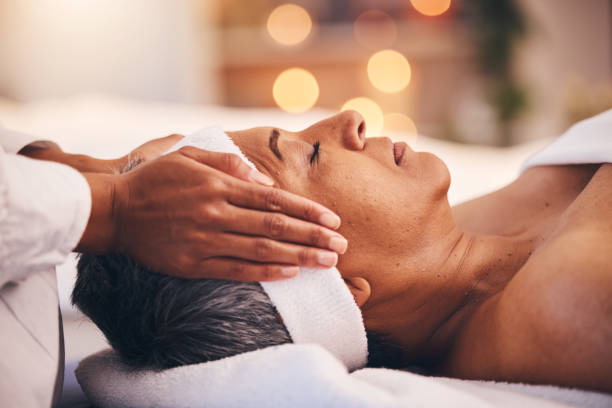
Understanding pain signals is your first step to staying active and pain-free. By recognising these early whispers, you can prevent bigger issues. Let’s explore the common signals your body might be sending.
Common Niggles and Stiffness
When you feel tightness or stiffness, it might be your body’s way of asking for attention. These small pains often appear after physical activity or long hours in the same position. It’s easy to dismiss them, but doing so can lead to chronic pain. Take note when you feel stiff upon waking or after sitting. These are often signs of minor strains or posture issues. Addressing them early can prevent further discomfort.
Some people assume stiffness is just part of getting older. But it’s not always inevitable. Simple changes in your routine or posture can make a big difference. If ignored, these niggles can become persistent, impacting your daily life and activities. Keeping a journal of when and where you feel stiff can help you identify patterns.
Identifying Trigger Points
Trigger points are tight areas in a muscle that can cause pain in other parts of the body. They often feel like small knots under the skin. You might notice them when you press on a sore spot and feel pain elsewhere. Recognising these can be key to reducing pain.
Trigger points can develop from stress, muscle overuse, or injury. You might notice them after intense activity or prolonged stress. Gently massaging these areas can often bring relief. But if they persist, it might be time to seek professional help. Understanding these points helps in targeting the root of your pain rather than just the symptoms.
Understanding Overuse Injuries
Overuse injuries happen when you repeatedly use the same muscle groups without giving them time to recover. These injuries often start with mild discomfort, but can escalate if left untreated. Common examples include tennis elbow or runner’s knee.
Many assume that pushing through discomfort builds strength, but this can lead to injury. Listening to your body and allowing rest is crucial. Switching up your routine can give fatigued muscles time to heal. If pain persists, consulting a professional can help you prevent long-term damage and maintain your active lifestyle.
Effective Self-Care Techniques

Once you’ve identified early pain signals, taking steps at home can help ease discomfort. Here are some easy self-care techniques to keep you moving smoothly.
Simple At-Home Checks
Regular self-checks are a great way to monitor your body’s condition. Start by noting any areas of discomfort during daily activities. Pay attention to how your body feels when stretching or moving. This helps in identifying any unusual tightness or pain.
Consider setting aside a few minutes each day for a quick body scan. Lie down, close your eyes, and mentally check in with each part of your body. This practice can highlight areas needing more attention. Keeping track of these findings enables you to adjust your activities and prevent injury.
Safe Relief Strategies
When discomfort arises, knowing safe ways to relieve it can prevent further issues. Applying ice or heat to sore areas can provide immediate relief. Ice reduces swelling, while heat helps relax tense muscles.
Gentle stretching can also alleviate tightness. Focus on the muscles around the sore area, gently elongating them. Avoid bouncing or forcing positions. If the pain persists, over-the-counter anti-inflammatories can help, but consult a healthcare provider if needed. These strategies can keep you active and reduce recovery time.
Stress and Sleep for Recovery
Stress and lack of sleep can exacerbate pain, making recovery slower. Ensuring adequate rest and managing stress are crucial for healing. Poor sleep affects your body’s ability to repair itself, leading to prolonged discomfort.
Incorporating relaxation techniques such as deep breathing or meditation can reduce stress levels. Establishing a consistent sleep schedule can also aid recovery. Aim for 7-9 hours of quality sleep per night. Taking these steps not only helps in reducing pain but also improves overall health and well-being.
Seeking Professional Support
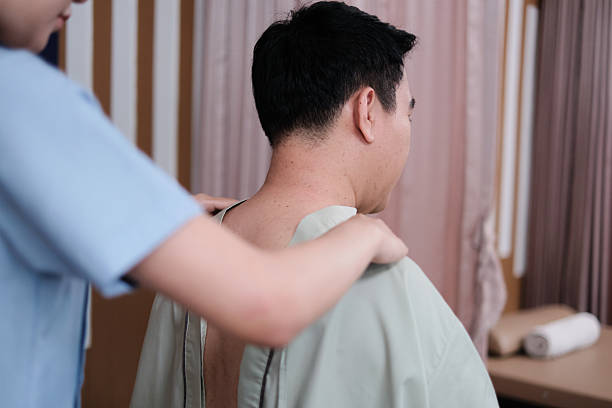
Sometimes, self-care isn’t enough, and professional support becomes necessary. Understanding the available options can guide you to the right help.
Benefits of Sports Massage in Oxfordshire
Sports massage can be a powerful tool in managing pain and enhancing performance. It targets soft tissues, helping to relieve tension and promote healing. Many in Oxfordshire have found relief from persistent pain through regular sessions.
Sports massage isn’t just for athletes; anyone can benefit from its techniques. It helps in increasing flexibility and reducing the risk of injury. By focusing on specific areas, it can aid recovery and enhance overall mobility. If you’re in Oxfordshire and struggling with pain, consider incorporating sports massage into your routine for effective relief.
Role of Acupuncture for Pain Relief
Acupuncture offers a natural way to relieve pain by stimulating specific points on the body. This ancient technique can help in managing chronic pain and promoting well-being. Many have turned to acupuncture for its holistic approach.
Acupuncture works by balancing the body’s energy flow. It’s especially effective for those suffering from persistent pain that hasn’t responded to other treatments. People often report reduced pain and increased relaxation after sessions. If you’re curious about acupuncture for pain relief, it might be worth exploring as part of your pain management plan.
Personalised Rehab Programmes and Coaching
Personalised rehab programmes are designed to meet your unique needs. They focus on addressing specific pain points and improving movement. With professional guidance, these programmes can accelerate recovery and prevent future injuries.
A tailored approach considers your lifestyle, fitness level, and specific goals. It might include exercises, stretches, and lifestyle adjustments. By working closely with a professional, you can ensure your programme is effective and safe. For those serious about recovery and performance, personalised coaching offers a supportive path to achieving your health goals.
For more insights on pain management techniques, here’s a comprehensive resource that can help you explore various options.