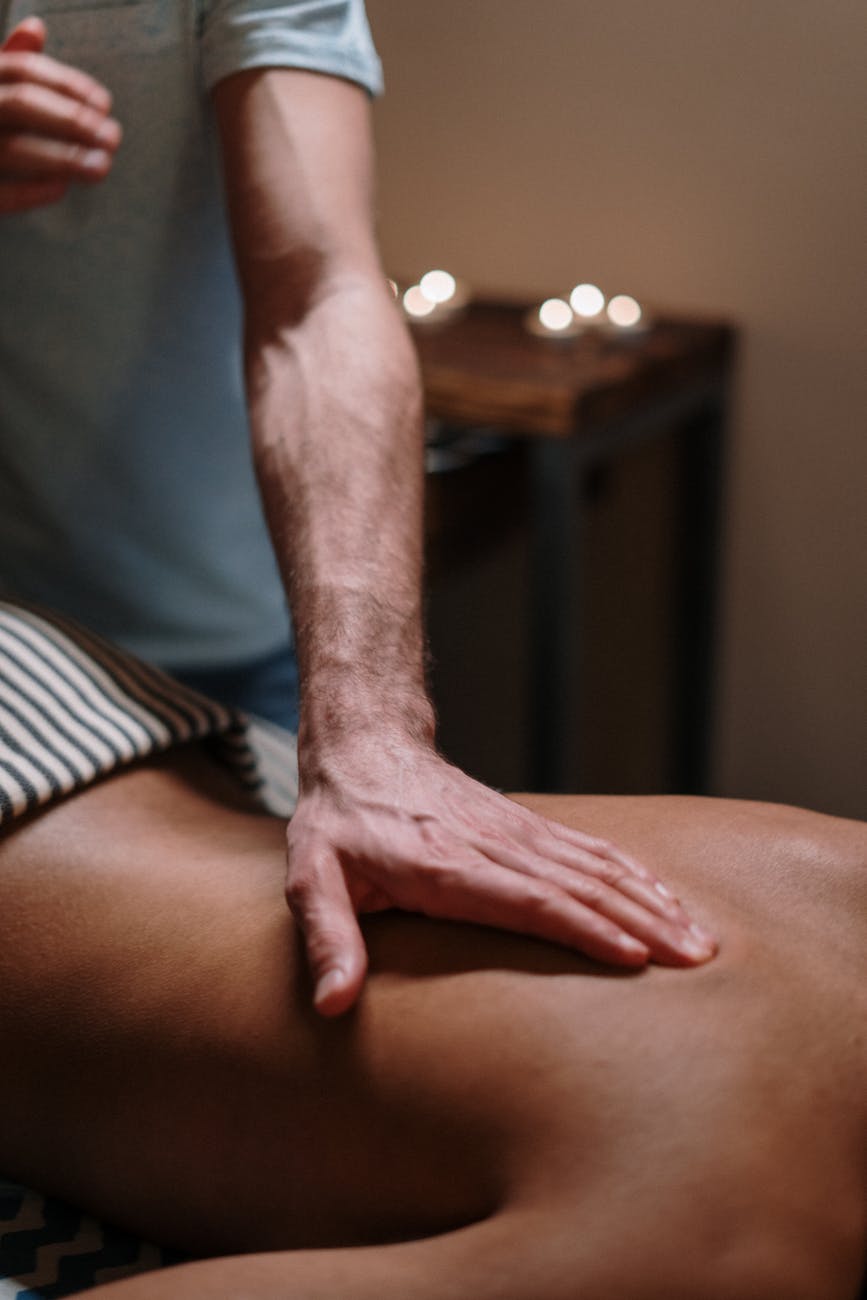
How to Spot Early Pain Signals — and What to Do About Them

How to Spot Early Pain Signals — and What to Do About Them

Early pain signals often whisper before they shout. Ignoring niggles and stiffness might seem harmless, but they can quickly turn into stubborn issues that hold you back. You’ll learn how to spot these early signs, simple steps to ease discomfort, and when to get professional help. Let’s help you stay active and pain‑free with smart strategies tailored for Oxfordshire and the Cotswolds. Ready to take control? For further reading, you might find this article insightful.

Recognising Early Pain Signals
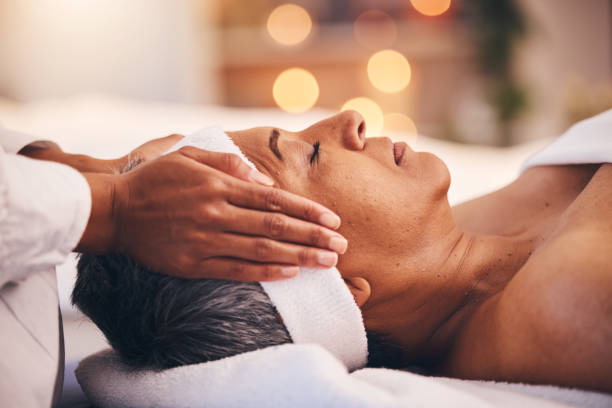
Understanding pain signals is your first step to staying active and pain-free. By recognising these early whispers, you can prevent bigger issues. Let’s explore the common signals your body might be sending.

Common Niggles and Stiffness

When you feel tightness or stiffness, it might be your body’s way of asking for attention. These small pains often appear after physical activity or long hours in the same position. It’s easy to dismiss them, but doing so can lead to chronic pain. Take note when you feel stiff upon waking or after sitting. These are often signs of minor strains or posture issues. Addressing them early can prevent further discomfort.

Some people assume stiffness is just part of getting older. But it’s not always inevitable. Simple changes in your routine or posture can make a big difference. If ignored, these niggles can become persistent, impacting your daily life and activities. Keeping a journal of when and where you feel stiff can help you identify patterns.

Identifying Trigger Points

Trigger points are tight areas in a muscle that can cause pain in other parts of the body. They often feel like small knots under the skin. You might notice them when you press on a sore spot and feel pain elsewhere. Recognising these can be key to reducing pain.

Trigger points can develop from stress, muscle overuse, or injury. You might notice them after intense activity or prolonged stress. Gently massaging these areas can often bring relief. But if they persist, it might be time to seek professional help. Understanding these points helps in targeting the root of your pain rather than just the symptoms.

Understanding Overuse Injuries

Overuse injuries happen when you repeatedly use the same muscle groups without giving them time to recover. These injuries often start with mild discomfort, but can escalate if left untreated. Common examples include tennis elbow or runner’s knee.

Many assume that pushing through discomfort builds strength, but this can lead to injury. Listening to your body and allowing rest is crucial. Switching up your routine can give fatigued muscles time to heal. If pain persists, consulting a professional can help you prevent long-term damage and maintain your active lifestyle.

Effective Self-Care Techniques

Once you’ve identified early pain signals, taking steps at home can help ease discomfort. Here are some easy self-care techniques to keep you moving smoothly.

Simple At-Home Checks

Regular self-checks are a great way to monitor your body’s condition. Start by noting any areas of discomfort during daily activities. Pay attention to how your body feels when stretching or moving. This helps in identifying any unusual tightness or pain.

Consider setting aside a few minutes each day for a quick body scan. Lie down, close your eyes, and mentally check in with each part of your body. This practice can highlight areas needing more attention. Keeping track of these findings enables you to adjust your activities and prevent injury.

Safe Relief Strategies

When discomfort arises, knowing safe ways to relieve it can prevent further issues. Applying ice or heat to sore areas can provide immediate relief. Ice reduces swelling, while heat helps relax tense muscles.

Gentle stretching can also alleviate tightness. Focus on the muscles around the sore area, gently elongating them. Avoid bouncing or forcing positions. If the pain persists, over-the-counter anti-inflammatories can help, but consult a healthcare provider if needed. These strategies can keep you active and reduce recovery time.

Stress and Sleep for Recovery

Stress and lack of sleep can exacerbate pain, making recovery slower. Ensuring adequate rest and managing stress are crucial for healing. Poor sleep affects your body’s ability to repair itself, leading to prolonged discomfort.

Incorporating relaxation techniques such as deep breathing or meditation can reduce stress levels. Establishing a consistent sleep schedule can also aid recovery. Aim for 7-9 hours of quality sleep per night. Taking these steps not only helps in reducing pain but also improves overall health and well-being.

Seeking Professional Support
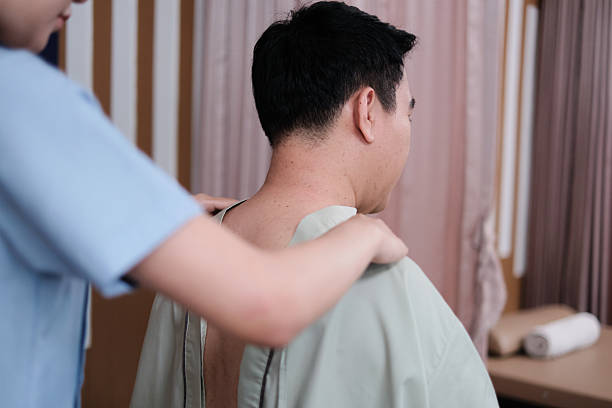
Sometimes, self-care isn’t enough, and professional support becomes necessary. Understanding the available options can guide you to the right help.

Benefits of Sports Massage in Oxfordshire

Sports massage can be a powerful tool in managing pain and enhancing performance. It targets soft tissues, helping to relieve tension and promote healing. Many in Oxfordshire have found relief from persistent pain through regular sessions.

Sports massage isn’t just for athletes; anyone can benefit from its techniques. It helps in increasing flexibility and reducing the risk of injury. By focusing on specific areas, it can aid recovery and enhance overall mobility. If you’re in Oxfordshire and struggling with pain, consider incorporating sports massage into your routine for effective relief.

Role of Acupuncture for Pain Relief

Acupuncture offers a natural way to relieve pain by stimulating specific points on the body. This ancient technique can help in managing chronic pain and promoting well-being. Many have turned to acupuncture for its holistic approach.

Acupuncture works by balancing the body’s energy flow. It’s especially effective for those suffering from persistent pain that hasn’t responded to other treatments. People often report reduced pain and increased relaxation after sessions. If you’re curious about acupuncture for pain relief, it might be worth exploring as part of your pain management plan.

Personalised Rehab Programmes and Coaching

Personalised rehab programmes are designed to meet your unique needs. They focus on addressing specific pain points and improving movement. With professional guidance, these programmes can accelerate recovery and prevent future injuries.

A tailored approach considers your lifestyle, fitness level, and specific goals. It might include exercises, stretches, and lifestyle adjustments. By working closely with a professional, you can ensure your programme is effective and safe. For those serious about recovery and performance, personalised coaching offers a supportive path to achieving your health goals.

For more insights on pain management techniques, here’s a comprehensive resource that can help you explore various options.


Click to discover more

Listen to the Twinge: Practical Ways to Spot and Soothe Early Pain Signals

Listen to the Twinge: Practical Ways to Spot and Soothe Early Pain Signals

Ignoring the pain you feel today risks turning a small niggle into a lasting problem. Those early pain signals are your body’s way of asking for help before injury takes hold. At The Bodywright, we guide you to spot these warnings early, so you can take action that keeps you moving freely. Let’s explore how recognising and soothing these signs today can save your tomorrow. Read more about the science behind pain here.

Recognising Early Pain Signals

Pain doesn’t always start as a scream; sometimes, it’s just a whisper. Spotting these early warning signs can save you from bigger issues later.

Common Early Warning Signs

Do you notice little aches that come and go? Maybe tightness in your neck or a twinge in your knee. These are signs your body needs attention. Ignoring them may lead to more serious problems.

  • Neck Tightness: Often from posture issues, especially if you sit at a desk. It could signal that your posture and mobility need checking.

  • Knee Twinges: Common in active folks, especially runners. It’s often a precursor to conditions like runner’s knee.

Most people think these minor pains will resolve on their own, but they often worsen without intervention. The earlier you address these signals, the better for long-term health.

How to Listen to Your Body

Listening to your body is about awareness. Pay attention to how you feel when you move. Do certain activities increase discomfort? Use your body as a guide.

  • Track Discomfort: Keep a journal of when pain occurs. Does it happen after sitting for long periods or after exercise?

  • Evaluate Range of Motion: Do simple tests at home. Can you move freely, or do you feel restricted?

By tuning into these signals, you can identify patterns and take steps to prevent escalation. For a deeper understanding, learn about central sensitization.

Effective Soothing Techniques

Once you recognise these signs, the next step is to act. Immediate relief and long-term strategies can help keep pain at bay.

Immediate Relief Strategies

Quick relief can prevent early pain from becoming chronic. Try simple methods to soothe discomfort as soon as it arises.

  • Ice and Heat Therapy: Ice helps reduce inflammation, while heat relaxes tight muscles. Alternate between the two for best results.

  • Gentle Stretches: Focus on the affected area. Stretching can improve blood circulation and reduce stiffness.

These strategies offer short-term relief, but addressing the underlying cause is crucial. For more tips, the American Psychological Association provides valuable insights on pain management.

Long-term Pain Prevention

Preventing pain requires lifestyle changes. It’s about building habits that support your body.

  1. Regular Exercise: Choose activities that strengthen and condition your body. This builds resilience and prevents injuries.

  2. Mindful Movement: Practice yoga or tai chi. These exercises enhance posture and mobility, keeping your body aligned and strong.

By integrating these habits, you ensure lasting relief and a healthier future.

The Bodywright Approach

The Bodywright believes in a tailored approach to health. Our methods combine science with empathy to deliver holistic care.

Personalised Assessment and Treatment

Every body is unique, and so is our treatment. We start with a detailed assessment to understand your needs.

  • Movement Assessment: We evaluate your posture and mobility, identifying areas that need attention.

  • Tailored Programmes: Based on our findings, we create a plan just for you. This might include sports massage, acupuncture, or remedial exercises.

Our goal is to provide solutions that address the root cause of your pain. Explore the science behind our methods in recent studies here.

Holistic Health for Lasting Results

Our approach goes beyond treatment. We focus on holistic health that ensures lasting results.

  • Lifestyle Coaching: We offer guidance on nutrition, stress management, and sleep. These are crucial for injury prevention and overall wellness.

  • Community Support: Join our workshops and group sessions for continuous learning and support. Being part of a community enhances motivation and commitment.

At The Bodywright, we are more than practitioners; we are partners in your journey to wellness. Remember, the longer you wait to address pain, the more challenging it becomes to overcome. By taking action today, you’re investing in a pain-free tomorrow.

Click to discover more

Find Your Recovery Rhythm: Balancing Activity and Rest for Sustainable Healing

Find Your Recovery Rhythm: Balancing Activity and Rest for Sustainable Healing

The rush to push through injury often leads to setbacks that slow your progress. Finding the right balance between activity and rest is key to steady, lasting recovery. At The Bodywright, we combine sports massage Oxfordshire clients trust with tailored pacing strategies to help you rebuild strength without overload. Keep reading to learn how smart load management can change your injury recovery for good.

The Balance of Activity and Rest

Healing from an injury isn’t just about resting or being active—it’s about knowing when and how to do both. This balance can make all the difference in a smooth recovery journey.

Importance of Pacing Strategies

Rushing back into activity can often lead to setbacks. It’s tempting to push through, but without a plan, you might be doing more harm than good. Pacing is about listening to your body and knowing when to rest and when to work. Imagine being able to do what you love without worrying about aggravating your injury again. By incorporating pacing strategies, you take control of your recovery. This approach helps you build strength and resilience over time, making setbacks less likely.

Most people believe that intense effort speeds up recovery. But, without proper pacing, you risk overuse injuries. Consider each step forward a building block towards your ultimate goal—long-term healing without pain.

Active Recovery for Sustainable Healing

Active recovery isn’t just a rest day. It’s a strategic way to keep moving without overloading your body. By including low-impact activities, you maintain blood flow and flexibility, which are key for healing. Walking, swimming, or gentle yoga can be perfect options for this.

Active recovery reduces muscle stiffness and enhances circulation, promoting healing. Think of it as a bridge between rest and full activity. Many athletes swear by this method to keep fit and recover faster. Consider making it a part of your routine to enjoy sustainable healing.

Quality Rest for Optimal Recovery

Rest is just as vital as activity. But it’s not about lying on the couch all day. Quality rest involves sleep and relaxation techniques that support your body’s repair processes. When you rest well, your body can focus on healing tissues and reducing inflammation.

Sleep is where your body does its best recovery work. Aim for 7-9 hours a night, and explore relaxation techniques like deep breathing or meditation. This ensures your body has the energy it needs to heal effectively. Quality rest is your secret weapon for optimal recovery.

Tailored Recovery Programmes

At The Bodywright, we believe in creating bespoke recovery plans that fit your unique needs and lifestyle. These programmes are designed to guide you every step of the way, ensuring a smoother journey back to health.

Personalised Assessment and Planning

Understanding your body’s specific needs is the first step. A thorough assessment allows us to pinpoint the root of your pain and design a plan that targets it directly. By tailoring your recovery programme, we ensure you get the precise care and attention you deserve.

Our assessments are not just about identifying problems; they’re about creating solutions. We consider your goals and lifestyle to craft a plan that’s realistic and effective. Whether you’re dealing with back pain or looking for a return to sport, a personalised approach is crucial for success.

Hands-On Treatments and Lifestyle Coaching

Recovery is about more than just physical treatment. Our hands-on therapies, like sports massage, work alongside lifestyle coaching to address all aspects of your health. This holistic approach means you not only heal but also gain tools to prevent future injuries.

Lifestyle coaching covers everything from nutrition to stress management. By learning to manage these factors, you provide a foundation for long-term wellness. Our hands-on treatments soothe muscles, while coaching empowers you to maintain your progress outside of sessions.

Long-Term Wellness Packages

Healing doesn’t stop once the pain fades. Our long-term wellness packages ensure you continue to thrive. These packages offer ongoing support, helping you stay on track with your health goals.

From regular check-ins to adjustments in your programme, long-term packages are your partner in sustaining wellness. They’re designed to adapt to your evolving needs, ensuring you don’t just recover but also excel. Think of it as a commitment to lifelong health.

Your Path to Pain-Free Living

With The Bodywright, your journey towards a pain-free life is supported by expert care and holistic treatments. We’re here to guide you every step of the way.

Benefits of Sports Massage in Oxfordshire and the Cotswolds

Sports massage offers relief from pain and helps prevent future injuries. It’s especially beneficial for those in Oxfordshire and the Cotswolds, where active lifestyles are common. Regular sessions can improve flexibility, reduce muscle tension, and enhance circulation.

Most people think massages are just for relaxation. But they’re a powerful tool in your recovery arsenal. By incorporating sports massage into your routine, you not only address current issues but also build a defence against future ones.

Holistic Health and Acupuncture for Pain

Acupuncture is a key player in managing pain and promoting health. This ancient practice complements our modern techniques, offering a holistic approach to wellness. It aids in pain relief by stimulating the body’s natural healing processes.

Holistic health isn’t just a buzzword; it’s a way to address the whole person, not just symptoms. Acupuncture, combined with other therapies, offers a comprehensive strategy for healing. Embrace this approach to experience a fuller, healthier life.

Booking Your Recovery Assessment and Next Steps

Ready to take the first step towards a pain-free life? Booking a recovery assessment is your starting point. We’ll work with you to design a programme that fits your needs, ensuring you’re supported every step of the way.

Don’t wait for pain to dictate your life. By booking an assessment, you’re choosing to prioritize your health and well-being. Let’s start your journey to recovery today—because the longer you wait, the longer the road to healing can become.

In conclusion, balancing rest and activity is crucial for sustainable healing. At The Bodywright, we’re dedicated to helping you find that balance through personalized care and expert guidance. Here’s to a healthier, pain-free future!

Click to discover more