Acupuncture and Massage for Pain: Choosing the Right Approach

Acupuncture and massage are sometimes offered together, but combining treatments is not automatically better. The most useful choice depends on the problem, your preferences, medical history and what you hope to achieve.

What each treatment involves

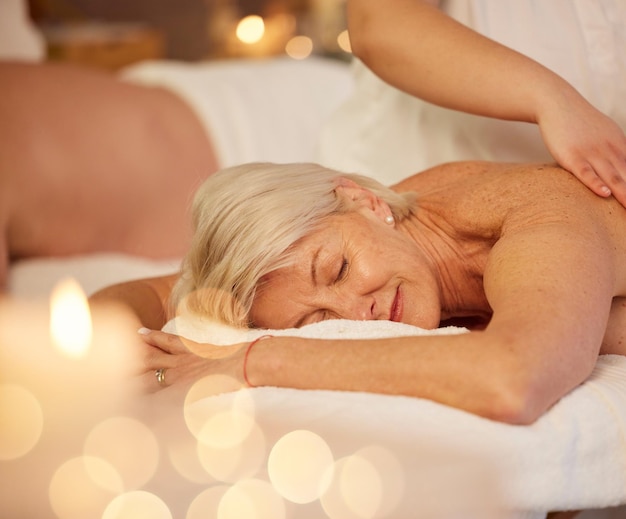
Sports massage uses hands-on soft-tissue techniques. Acupuncture uses sterile, single-use needles inserted at selected sites. Both are commonly used for symptom management, but neither can be assumed to repair damaged tissue or remove the cause of persistent pain.

What research suggests

Acupuncture can offer modest benefits for certain persistent pain conditions, although findings vary by diagnosis and comparison treatment. Massage may help short-term soreness and comfort. Evidence that using the two together produces superior outcomes is limited. Claims of faster healing or guaranteed long-term relief are not supported.

Choosing treatment around your goals

Someone seeking temporary relief from training-related soreness may have different priorities from a person managing long-standing back pain. A good discussion covers symptoms, activity, previous responses, possible alternatives and the importance of exercise or rehabilitation when indicated.

Risks and informed consent

Massage can cause transient soreness. Acupuncture can cause minor bleeding, bruising or light-headedness, and rare serious complications can occur. Needling requires appropriate screening and informed consent, especially where medicines, pregnancy, medical conditions or electrical stimulation are involved.

Treatment at The Bodywright

Read about acupuncture and dry needling and sports and remedial massage. If you are uncertain which approach fits, an initial conversation can clarify the options without committing you to both.


9 Daily Habits to Boost Your Body’s Natural Healing Processes

9 Daily Habits to Boost Your Body’s Natural Healing Processes

Most people think healing happens only with rest. The truth is, your daily habits shape how quickly your body recovers from pain or injury. Simple changes in movement, nutrition, and stress management can speed up natural healing and keep you moving freely. In this guide, you’ll find nine practical habits that support recovery and boost your wellbeing—backed by years of experience with sports massage Oxfordshire clients. Read more about daily habits for healing here.

Boosting Natural Healing Daily

Healing can become a seamless part of everyday life. With mindful habits, recovery becomes faster and more effective. Here’s how to integrate these practices into your routine.

Sleep Hygiene for Recovery

The right sleep habits set the stage for healing. Quality sleep enables your body to repair and restore itself. To improve sleep, consider creating a consistent bedtime routine. Lowering lights and limiting screen time an hour before bed can help.

Start each night with a calming activity like reading or gentle stretching. Avoid caffeine in the afternoon and evening. A cool, dark room also encourages restful sleep. These small changes can make a huge difference in how your body repairs itself.

Smart Movement Techniques

How you move daily impacts your healing process. Incorporating intentional movement can aid recovery. Begin with gentle exercises that don’t strain your body. Walking is an excellent choice. It’s low-impact and gets your blood circulating.

Include activities that enhance your range of motion. This might be yoga or tai chi. These practices promote flexibility and strength. Over time, you’ll notice a difference in how your body feels and performs. Learn more about incorporating movement.

Breathwork for Pain Relief

Breathwork is a powerful tool for easing pain. By focusing on your breath, you can calm your nervous system. This can reduce pain signals and promote healing.

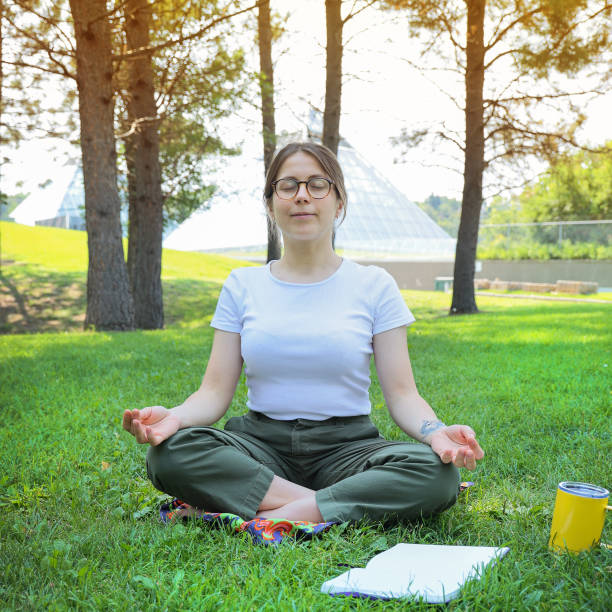
Try this simple practice: inhale deeply through your nose, hold for a few seconds, and then exhale slowly through your mouth. Repeat this several times. Regular practice can create lasting pain relief and enhance overall wellness.

Nutrition and Hydration Essentials

Your diet plays a crucial role in your body’s ability to heal. With the right nutrition and hydration, your body gets the support it needs to recover and thrive.

Anti-inflammatory Nutrition Tips

Eating anti-inflammatory foods can reduce pain and swelling. Focus on incorporating fruits, vegetables, and whole grains into your meals. Foods rich in omega-3 fatty acids, like salmon and walnuts, are especially beneficial.

Herbs and spices like turmeric and ginger also have anti-inflammatory properties. Use them in your cooking for added benefits. Avoid processed foods and excessive sugar, as these can trigger inflammation.

Hydration for Healing

Staying hydrated is essential for healing. Water helps transport nutrients and removes waste from the body. Aim to drink at least eight glasses of water daily.

If you find it challenging to drink plain water, try herbal teas or add a splash of lemon or mint. Monitoring your hydration can significantly impact how your body recovers.

Integrative Nutrition for Well-being

Combining various nutritional approaches can enhance your healing. Integrative nutrition focuses on balance and variety. It’s about understanding how food choices affect your body and mind.

Consider speaking to a nutritionist for tailored advice. They can guide you on combining different dietary strategies for optimal health. Explore more about nutrition.

Managing Stress and Posture

Stress and posture significantly affect your health. Learning to manage them can lead to improved mobility and reduced discomfort.

Stress Management Techniques

Stress can slow down recovery. Incorporating stress-relief techniques into your routine can improve wellbeing. Try activities like meditation or journaling. These practices can help clear your mind and refocus your energy.

Physical activities like walking or yoga can also reduce stress. Find what works for you and make it part of your daily routine.

Posture Breaks for Desk Workers

Sitting for long periods can lead to poor posture and pain. Taking regular breaks can help. Stand up, stretch, and move around every hour.

Consider adjusting your workspace to promote better posture. Use a chair that supports your lower back and keep your screen at eye level. These small changes can prevent pain and enhance comfort. Discover more posture tips.

Mobility and Flexibility Exercises

Regular mobility exercises can prevent stiffness and pain. Incorporate stretches into your daily routine. Focus on areas like the neck, shoulders, and hips.

Prioritizing flexibility can make everyday movements easier and more comfortable. Over time, you’ll find that your range of motion improves and pain decreases.

Now that you know these habits, incorporate them into your routine. With patience and consistency, you’ll notice improvements in your recovery and wellbeing. If you’re in need of more personalised strategies, consider reaching out to a local expert. The Bodywright offers tailored programmes combining sports massage Oxfordshire with holistic health practices to support your journey to wellness.

Click to discover more

Stress And Muscle Tension: Natural Ways To Loosen Up And Feel Free

Stress And Muscle Tension: Natural Ways To Loosen Up And Feel Free

Stress and muscle tension often sneak up on you, especially when life piles on demands. That tightness in your neck or shoulders isn’t just uncomfortable—it can hold you back from moving freely and feeling your best. At The Bodywright, we understand how stress triggers muscle tension and offer natural ways to ease it, helping you regain comfort and mobility. Read on to learn practical steps that can make a real difference for your wellbeing. For more information, you might find these relaxation techniques helpful.

Understanding Stress and Muscle Tension

Stress can feel overwhelming, but it doesn’t have to control your life. Understanding how stress impacts your muscles is the first step in taking back control. Let’s dive into what stress does to your body and how it manifests as tension.

How Stress Triggers Tension

When you’re under stress, your body responds by tightening muscles to prepare for action. This “fight or flight” response is natural, but when it becomes chronic, it can lead to discomfort. Think of it this way: stress is like a constant alarm, keeping your muscles on high alert. This tension often settles in areas like your neck, shoulders, and back, making everyday movements strained.

Understanding this process helps in managing it. When stress is prolonged, it can lead to persistent muscle knots, also known as trigger points. These can restrict your movement and cause pain. The key is to break this cycle before it becomes entrenched, allowing you to move with ease again.

The Impact of Tension on Daily Life

Living with muscle tension can turn simple tasks into challenges. Picture trying to focus on work with a stiff neck or struggling to enjoy a walk because of tight shoulders. This discomfort doesn’t just affect you physically; it can also seep into your mental wellbeing, leading to irritability and fatigue.

When you address muscle tension early, you can prevent larger issues down the line. By taking steps to relieve this tension, you reclaim your ability to move freely and enjoy daily activities without pain. This proactive approach not only improves physical health but boosts your mood and energy levels too.

Common Areas Affected by Stress

Stress doesn’t discriminate when it comes to where it hits. However, some areas are more prone to tension than others. The neck and shoulders are common culprits. Ever notice how they tense up when you’re stressed? This can lead to headaches and reduced range of motion.

Another area often affected is the lower back. Stress can cause you to hold tension there, disrupting your posture and leading to chronic pain. Recognising these patterns allows you to take targeted action, bringing relief and restoring your body’s natural balance.

Natural Strategies for Tension Relief

Finding natural ways to relieve muscle tension can be a game changer. These methods not only soothe your body but also empower you to handle stress better. Let’s explore some effective techniques you can try.

Breathing Techniques for Relaxation

The power of breath is often underestimated, yet it can be your greatest ally in stress management. Simple breathing exercises can relax your muscles and calm your mind. When you’re stressed, your breath becomes shallow. By practising deep breathing, you signal your body to relax.

Try this: sit comfortably, inhale deeply through your nose for four counts, hold for four, and exhale slowly through your mouth for four. Repeat several times. This technique reduces stress hormones and releases muscle tension, helping you feel centred and calm. For more methods, you might explore these relaxation techniques.

Benefits of Massage for Anxiety and Stress

Massage is more than just a luxury; it’s a therapeutic tool for tension relief. By targeting specific muscle groups, massage helps release knots and improve circulation. This not only eases physical tension but also reduces anxiety levels and enhances mental clarity.

At The Bodywright, our sports massage in Oxfordshire and the Cotswolds is designed to address these stress-related issues. By incorporating massage into your routine, you can experience lasting relief from stress and pain. Most people think massage is just for relaxation, but it’s actually a key player in maintaining your overall health.

Acupuncture for Stress Relief

Acupuncture offers a unique approach to easing tension. By stimulating specific points on the body, acupuncture can help release blocked energy and promote relaxation. This ancient practice has been shown to reduce stress and improve physical wellbeing.

Studies suggest that acupuncture can alleviate symptoms of stress by lowering cortisol levels, the body’s main stress hormone. It’s not just about needles; it’s a comprehensive way to restore balance and enhance your body’s natural healing processes. Learn more about acupuncture for stress relief to see if it’s right for you.

Holistic Approaches to Long-term Wellness

Beyond immediate relief, adopting holistic strategies can lead to sustained wellness. These approaches focus on managing stress at its core, ensuring long-term benefits for your body and mind.

Lifestyle Coaching for Stress Management

Lifestyle coaching can transform how you handle stress. By examining your habits and routines, a coach can help you identify stressors and develop personalised strategies to manage them. This proactive approach empowers you to take control of your wellbeing.

Imagine having a clear plan that includes nutrition, exercise, and mindfulness practices, tailored to your needs. This support system can make all the difference, allowing you to approach life’s challenges with resilience and confidence. Explore holistic health solutions in Oxfordshire to enhance your wellbeing.

Myofascial Release in Oxfordshire

Myofascial release is a hands-on technique that targets the connective tissue surrounding muscles. By applying gentle pressure, this method helps release tension and improve mobility. It’s like giving your muscles the freedom they’ve been longing for.

This technique is particularly effective for those experiencing chronic pain or tightness. At The Bodywright, we offer myofascial release as part of our holistic health services, helping you achieve greater flexibility and comfort.

Injury Prevention Programme at The Bodywright

Preventing injury is as important as treating it. Our injury prevention programme focuses on strengthening your body, reducing the risk of future issues. By blending massage, corrective exercises, and lifestyle advice, we help you build a resilient body.

This programme is ideal for those who want to stay active and healthy. It’s not just about avoiding injury; it’s about empowering you to perform at your best, whether on the field or in daily life. With The Bodywright as your partner, you can enjoy a pain-free, active lifestyle.

In conclusion, addressing stress and muscle tension doesn’t have to be overwhelming. By incorporating these natural strategies, you can improve your physical and mental wellbeing. Remember, taking the first step towards relief can make all the difference. Whether it’s through breathing techniques, massage, or holistic coaching, The Bodywright is here to support your journey to a healthier, more relaxed you.

Click to discover more