Sports Massage and Acupuncture: What Combining Them Really Means

Massage and acupuncture are different ways of managing symptoms. Combining them may suit some people, but there is insufficient evidence to promise that the pairing works better than either treatment alone.

The bigger picture

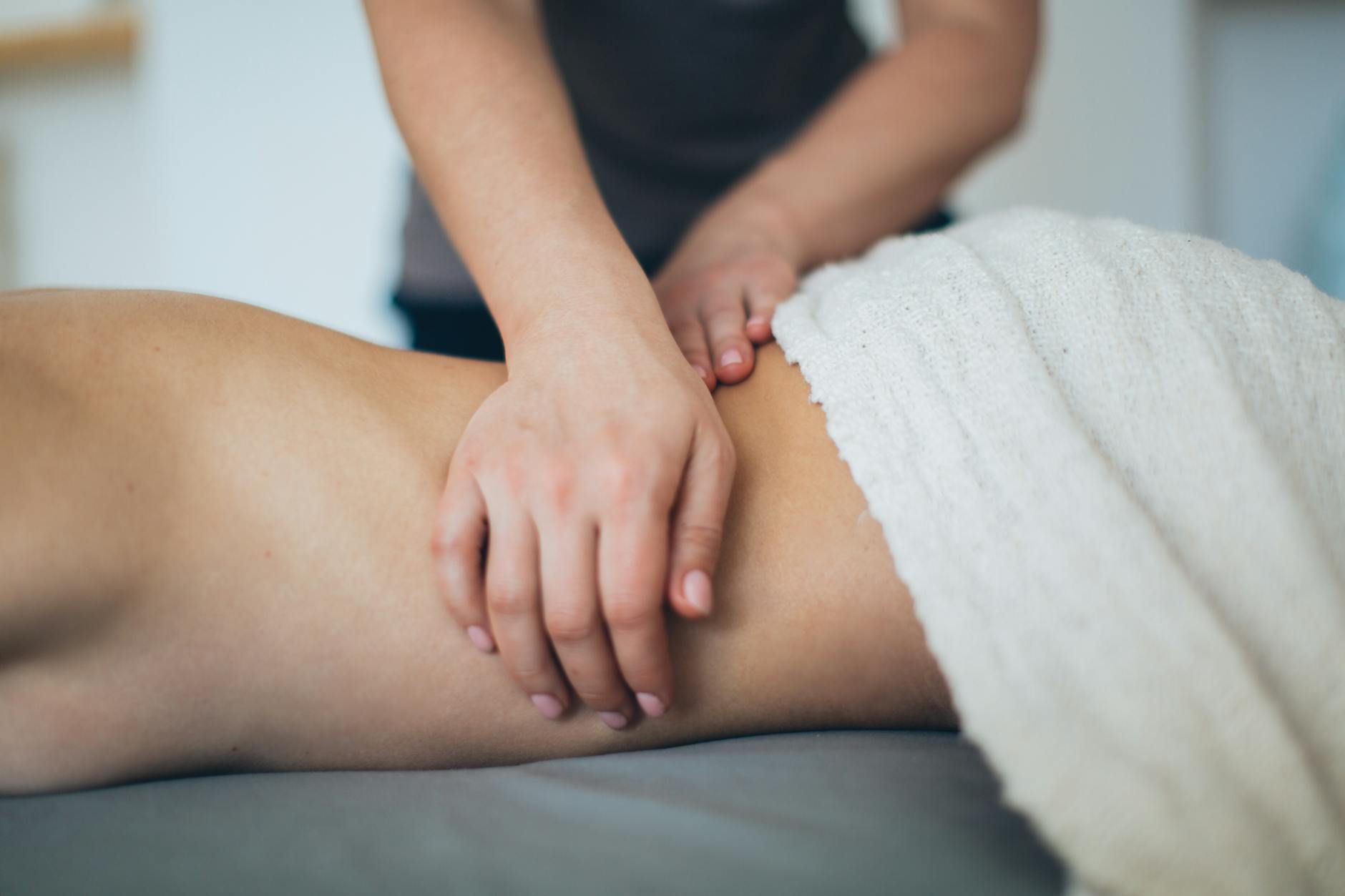
Massage uses hands-on soft-tissue techniques and may help short-term soreness or comfort. Acupuncture uses fine sterile needles and has evidence of modest benefit for some persistent pain conditions. Responses vary, and neither treatment guarantees tissue repair or permanent pain relief.

Practical steps

Your goals matter. If discomfort is interfering with movement or training, consider what you want to regain and which interventions are likely to support that goal. Graded exercise, sensible loading and other self-management strategies may be important alongside hands-on treatment.

What the evidence supports

Acupuncture requires appropriate health screening and informed consent. Temporary soreness, bruising or light-headedness can occur, and rare serious complications are possible. Discuss medication and relevant medical history before needling.

When to reassess

Explore acupuncture and dry needling or sports and remedial massage at The Bodywright.

Beyond the Massage Table: Lifestyle Coaching for Holistic Health and Peak Performance

Beyond the Massage Table: Lifestyle Coaching for Holistic Health and Peak Performance

Pain holds you back, limits your movement, and steals your focus. At The Bodywright, lifestyle coaching Oxfordshire clients trust goes beyond the massage table to tackle the root causes. Combining sports and remedial massage, acupuncture, and tailored rehab, we help reduce pain, improve mobility, and boost your performance. Let’s explore how this holistic approach can get you moving freely and performing at your best. For more information on holistic lifestyle coaching, visit this resource.

Holistic Health Benefits

Imagine living a life where pain doesn’t dictate your actions. This freedom is possible through a holistic approach at The Bodywright.

Pain Relief in the Cotswolds

Relieving pain requires more than just temporary fixes. At The Bodywright, we address pain by understanding your body’s unique signals. We employ sports and remedial massage in Cotswolds, focusing on pain relief and prevention. Our techniques aim to release tension and improve circulation, allowing for natural healing. For example, our clients often experience significant reduction in discomfort after just a few sessions. This isn’t just about healing; it’s about empowering you with the knowledge to manage pain effectively.

Mobility Improvement Techniques

Mobility is the key to an active and fulfilling life. Our approach goes beyond standard practices. We focus on personalized exercises designed to enhance your body’s range of motion. Consider the case of a client who struggled with mobility due to an old sports injury: through targeted stretches and strengthening routines, they regained full movement and confidence. Here’s your key insight: improving mobility isn’t just about flexibility; it’s about strengthening the muscles that support your joints.

Stress Management Techniques

Stress can affect every part of your wellbeing. At The Bodywright, we incorporate stress management techniques that support your mental and physical health. Breathing exercises and mindfulness practices are integral parts of our programs, helping you to reset and recharge. By reducing stress, you enhance your body’s ability to recover and perform. Remember, stress isn’t just a mental battle; it impacts your physical health, too.

The Role of Lifestyle Coaching

A holistic health journey is incomplete without effective lifestyle coaching. Here’s how The Bodywright turns everyday habits into powerful health tools.

Nutrition and Lifestyle Coaching

Understanding how food affects your body is crucial. Our nutrition and lifestyle coaching addresses your unique dietary needs. By focusing on nutrient-rich foods, you support not just immediate energy needs, but long-term health as well. One client, after adopting our tailored meal plans, noticed improved energy levels and mood. It’s not just about eating well; it’s about eating right for your specific needs. Learn more about holistic health coaching here.

Sleep Optimisation Tips

Sleep is the foundation of good health. At The Bodywright, we offer sleep optimisation strategies designed to improve your rest. This includes establishing a consistent sleep routine and creating a restful environment. A well-rested body heals faster and performs better. Remember, quality sleep is not a luxury; it’s a necessity for recovery and performance.

Injury Prevention Strategies

Preventing injuries is just as important as treating them. Our injury prevention strategies focus on identifying and addressing weaknesses before they lead to problems. By strengthening specific muscle groups and improving balance, you reduce the risk of injury. Most people think they need to push harder to avoid injuries, but the real secret lies in listening to your body and making smart adjustments. Discover more about wellness and holistic health here.

Enhancing Performance

Elevating your performance requires a strategic approach. Here’s how The Bodywright helps you reach your peak potential.

Strength and Conditioning Programmes

Strength builds the foundation for all physical activities. Our tailored strength and conditioning programmes aim to enhance your physical resilience and endurance. By focusing on core stability and muscle strength, we prepare your body to meet the demands of any activity. A client who followed our programme improved their running times significantly, showing how targeted strength training can boost overall performance.

Performance Enhancement Coach Insights

Working with a performance enhancement coach provides you with insights that take your training to the next level. Our coaches offer guidance on improving techniques and avoiding common pitfalls. A simple adjustment in your routine can lead to remarkable improvements. Remember, coaching isn’t about pushing harder; it’s about working smarter. For more on lifestyle and wellness coaching, explore this resource.

Book Sports Massage in Oxfordshire

Ready to experience the benefits firsthand? Book a sports massage in Oxfordshire with The Bodywright. Our massages are more than just relaxation; they’re part of a comprehensive plan to boost your performance and support your health journey. Don’t wait—begin your path to pain-free living today. With tailored programmes and expert guidance, The Bodywright is your partner in achieving holistic health and performance.

Click to discover more

Sports Injury Recovery: A Practical Guide to Returning to Activity

Recovery from a sports injury depends on what has been injured, how severe it is and what activities you need to return to. No single treatment can guarantee a quick recovery or prevent the problem from returning. A useful plan starts with the right assessment and builds activity back in stages.

Get the injury assessed when needed

For a severe injury, major swelling, worsening pain, difficulty bearing weight or symptoms that are not improving, seek appropriate medical assessment. The NHS explains when to use NHS 111 or emergency care in its guidance on sprains and strains. A massage appointment is not a way to rule out a fracture or other serious injury.

Return to activity progressively

Once it is appropriate to exercise, begin at a level you can tolerate and build toward the demands of your sport. Progress duration, intensity and complexity gradually. If symptoms worsen or your function declines, reduce the demand and review the plan. A physiotherapist or other appropriately qualified clinician can guide rehabilitation for injuries that need it.

Build capacity with movement and strength

Rehabilitation commonly involves restoring useful movement and gradually rebuilding strength and sport-specific capacity. The right exercises depend on the injury and the person; a generic routine may not fit every situation. If you want help with exercise planning, explore personal training.

Where hands-on treatments may fit

Some people choose massage or acupuncture for comfort as part of a wider plan. The evidence and likely benefits vary by condition, and these treatments do not replace appropriate assessment, load management or rehabilitation. Read what sports massage can and cannot do, or see how massage and acupuncture may sit alongside rehabilitation.

To understand warning signs that need attention before treatment, read when to pause training and seek help after a sports injury.

Top lifestyle adjustments to prevent recurring neck and back pain

Top lifestyle adjustments to prevent recurring neck and back pain

Recurring neck and back pain isn’t just uncomfortable—it can drain your energy and limit your daily life. If you’ve tried quick fixes that only mask the problem, it’s time to focus on changes that truly matter. This guide highlights simple lifestyle adjustments around posture, mobility, and core strength that help prevent recurring neck pain and back pain for good. Ready to feel better and stay pain-free? Let’s explore what works. Read more here.

Understanding the Causes of Pain

Preventing recurring neck pain and back pain starts with understanding what causes it in the first place. By identifying these factors, you can make changes that stick.

The Impact of Poor Posture

Poor posture is a common culprit in developing neck and back discomfort. When you slouch or lean forward, you put extra pressure on your spine. Over time, this can lead to recurring issues. Think about the hours spent hunched over a desk or staring down at a phone. These habits don’t do your body any favours. Making small adjustments to how you sit and stand can make a big difference.

Consider this: Your head weighs about 5kg. For every inch it tilts forward, the strain on your spine doubles. That’s a lot of pressure! By straightening up and keeping your head aligned with your shoulders, you can reduce this strain significantly.

Recognising Tech Neck Symptoms

Tech neck is a modern problem linked to our tech-driven lives. If you find yourself constantly using smartphones or laptops, you might be at risk. Symptoms often include pain in the neck area, headaches, and even tingling in the arms. These symptoms arise because of the constant flexion of the neck when looking down.

The longer you ignore these signs, the worse they can become. It’s important to recognise them early and make necessary changes. Adjusting your screen height and taking regular breaks can ease these symptoms. Explore more tips here.

Lifestyle Adjustments for Pain Relief

Once you understand the root causes, it’s time to make lifestyle changes that focus on prevention and relief. These adjustments are simple yet effective.

Importance of Ergonomic Desk Set-up

Your workspace setup plays a crucial role in preventing neck and back pain. An ergonomic desk arrangement can help you maintain a better posture throughout the day. Start by ensuring your computer screen is at eye level. Your chair should support your lower back, and your feet should touch the ground comfortably.

Remember, small tweaks can lead to big improvements. Position your keyboard so that your elbows are at a 90-degree angle. This reduces the strain on your shoulders and neck. Learn more about setting up your desk ergonomically.

Enhancing Mobility and Core Strength

Mobility and core strength are key to maintaining a healthy back. A strong core supports your spine and reduces the likelihood of injury. Incorporating exercises like planks and gentle yoga can enhance your core stability. Aim to move regularly and incorporate stretching into your routine for flexibility.

It’s worth noting that a simple 15-minute daily routine can improve your strength and flexibility. This helps keep pain at bay and enhances your overall well-being. Discover exercises to prevent neck pain.

Holistic Approaches to Pain-Free Living

Beyond physical adjustments, holistic approaches offer a well-rounded path to pain-free living. These methods focus on overall wellness and support long-term health.

Benefits of Sports Massage and Acupuncture

Sports massage and acupuncture are powerful tools in managing and preventing pain. Massage can relieve muscle tension and improve circulation, aiding recovery. Acupuncture has been shown to reduce inflammation and promote healing. Both methods offer an approach to managing neck and back pain effectively.

Consider the relief that comes from a massage session targeted at your specific pain areas. It’s not just about relaxation—it’s about healing. Explore acupuncture benefits.

Tailored Rehab Programme and Lifestyle Coaching

A tailored rehab programme and lifestyle coaching can offer guidance in making sustainable changes. These programmes focus on your individual needs, ensuring that every aspect of your lifestyle supports your health goals. From diet to exercise, every element is considered.

Partnering with a coach can provide the support needed to stay on track. They help identify the areas that need attention and offer solutions that fit your lifestyle. Embrace the journey to a pain-free life with confidence and support by your side.

The path to a pain-free life is within reach. By understanding the causes and making thoughtful changes, you can prevent recurring neck pain and back pain. Remember, each small step contributes to your overall well-being.

Click to discover more

Break the Stress-Pain Cycle: Practical Techniques for Lasting Relief

Break the Stress-Pain Cycle: Practical Techniques for Lasting Relief

Stress doesn’t just wear you down—it can keep your back or neck pain locked in place, day after day. Breaking the chronic pain cycle means more than just masking discomfort; it calls for smart stress management techniques that tackle the root cause. In this post, you’ll find simple, practical steps to ease tension and start feeling better, plus how The Bodywright’s tailored services in Oxfordshire and the Cotswolds can support your journey to lasting relief. For more information, you can explore this article.

Understanding the Stress-Pain Connection

When stress grips your body, it does more than make you feel tense—it can trigger a chain reaction, causing pain to persist. Understanding this link is key to breaking free.

How Stress Triggers Pain

Your body’s response to stress isn’t just in your head. When you’re stressed, your muscles tighten, ready for action—a throwback to our survival days. This tension can become chronic, especially in your neck and back. Imagine your muscles as a rubber band stretched to its limit. Now, add stress to the mix. This prolonged strain leads to discomfort and, eventually, pain. Most people believe stress is just about mental pressure, but it’s also about how your body physically reacts. A study found that 80% of chronic pain sufferers report stress as a major factor. To learn more about managing stress and pain, check out these expert tips.

The Chronic Pain Cycle Explained

The pain cycle starts when stress tightens your muscles, leading to discomfort. This discomfort then increases stress—a vicious loop. You might think resting could help, but inactivity often worsens the situation. Without movement, muscles stay tense, and pain lingers. Breaking this cycle requires a proactive approach. By tackling both stress and the physical symptoms, you can disrupt this loop. Remember, the key insight here is that addressing one without the other won’t bring relief. For more strategies on breaking this cycle, visit these helpful tips.

Practical Techniques for Stress Management

Now that you know how stress fuels pain, let’s dive into techniques that can help. These methods are your first step toward relief.

Breathwork for Pain Relief

Breathwork is a simple yet powerful tool. By focusing on your breath, you can calm your mind and ease muscle tension. Start by sitting comfortably. Close your eyes and inhale deeply through your nose. Count to four as you breathe in, hold for four, then exhale slowly. This practice helps lower cortisol levels, the body’s main stress hormone. Lower cortisol means less tension and pain. A daily five-minute session can make a significant difference. Remember, consistency is key here. Most people think breathwork is too simple to be effective, but science shows it’s a game-changer. Discover more about breathwork’s benefits in pain relief here.

Movement Micro-Breaks and Pacing

Movement is crucial. Instead of long exercise sessions, try micro-breaks. Every hour, take a two-minute break to stand, stretch, or walk. This interrupts the cycle of tension build-up. Pacing is also important. Balance activity with rest to avoid overloading your body. Imagine your body as a car engine; frequent, short drives keep it running smoothly rather than one long journey. This approach prevents flare-ups and reduces stress on your body. By incorporating these small changes, you can manage stress more effectively.

Holistic Services for Long-Term Relief

While techniques at home are a great start, professional help can offer deeper relief. Let’s explore how expert services can support your healing journey.

Sports Massage in Oxfordshire and the Cotswolds

Sports massage isn’t just for athletes. It targets deep-seated tension and promotes relaxation. At The Bodywright, our expert massage therapists in Oxfordshire and the Cotswolds provide tailored treatments to suit your needs. These sessions aim to release tight muscles and improve circulation, speeding up the healing process. Many clients report reduced pain after just a few sessions. Think of massage as a reset button for your muscles. It’s more than just easing pain—it’s about restoring balance. For those who’ve tried everything else, this could be the missing piece. Discover how sports massage can help you at The Bodywright.

Acupuncture for Pain Relief and Vagus Nerve Stimulation

Acupuncture is an ancient practice making waves in modern pain management. It involves inserting thin needles into specific points on the body, promoting energy flow and reducing discomfort. At The Bodywright, acupuncture is combined with vagus nerve stimulation to enhance results. The vagus nerve plays a critical role in calming the body’s stress response. Stimulating it can lower stress levels and alleviate pain. With over 20 years of expertise, our practitioners are skilled in delivering effective, personalised treatments. Many assume acupuncture is only for relaxation, but it’s a powerful tool for managing chronic pain. To understand how this treatment could benefit you, read more about it here.

In summary, managing stress is essential to breaking the chronic pain cycle. From breathwork to professional treatments, combining these strategies can set you on the path to lasting relief. Embrace these techniques and discover a life with less pain and more freedom.

Click to discover more

Move. Rest. Heal: The balanced path to preventing chronic pain and speeding recovery

Move. Rest. Heal: The balanced path to preventing chronic pain and speeding recovery

Pain doesn’t just come from pushing too hard—it can also sneak in when you don’t give your body the right balance of movement and rest. Finding that balance is key to preventing chronic pain and speeding up healing after injury. At The Bodywright, we blend tailored sports massage Oxfordshire clients trust with smart recovery plans that help you regain strength and ease discomfort. Ready to feel better and move freely again?

The Importance of Balanced Movement

Movement is essential, but balance is the secret ingredient. It’s not just about moving more; it’s about moving wisely. Here’s why balanced movement matters.

Benefits of Active Recovery

Active recovery is more than just a buzzword. When you engage in gentle movement, your blood circulates better, delivering oxygen to muscles and helping them heal. This doesn’t mean overdoing it. Imagine a short walk or light stretching. These activities help flush out toxins and reduce muscle soreness.

Active recovery can also improve your mood. Moving releases endorphins, those feel-good chemicals that lift your spirits. It’s like a natural mood booster. Plus, it keeps your body in motion without the strain of intensive exercise. A study showed that people who incorporate active recovery feel less fatigued than those who opt for total rest.

Most people think resting means doing nothing. But incorporating active recovery can be your secret weapon in avoiding chronic pain. For more insights, check out how movement during pain can be beneficial.

Movement for Injury Rehabilitation

The idea of moving when injured might seem counterintuitive. But movement is key to healing. When you use your muscles, you maintain flexibility and strength, preventing stiffness. Think of it as keeping the gears well-oiled.

At The Bodywright, we guide you on safe movements to aid healing. For example, gentle leg lifts can support knee recovery. Our tailored plans ensure you move safely, supporting your body’s natural healing processes.

You might worry about worsening your injury, but with professional guidance, you can move without fear. Learn more about why movement is key to injury recovery.

The Role of Rest in Healing

While movement is crucial, rest is its perfect partner. Let’s delve into why rest is just as important for healing.

Rest and Recovery Explained

Rest is not just sleeping. It’s about allowing your body to repair itself. When you rest, your body gets the chance to rebuild muscles and tissues. This is when the magic happens. Quality sleep plays a vital role in this process, with seven to nine hours being the sweet spot for most adults.

Rest also helps reduce inflammation. Chronic inflammation can hinder recovery and lead to more pain. Giving your body a break can help manage this. Remember, rest doesn’t mean being inactive all day. It’s about finding balance.

Some people believe in pushing through pain. But ignoring the body’s need for rest can slow down your progress. Discover why rest isn’t always the best answer.

How Rest Speeds Up Healing

Rest is where the healing accelerates. It allows your immune system to work efficiently, repairing damage and fighting off potential infections. Your body is like a finely-tuned machine that needs downtime to perform at its best.

During rest, your heart rate and blood pressure decrease, giving your heart a break. This restful state promotes cell regeneration, essential for healing injuries.

We often underestimate the power of a good rest day. But it’s crucial for long-term recovery. For those who think constant activity speeds recovery, it’s time to rethink. Check out the value of rest in physical therapy.

Personalised Wellness with The Bodywright

At The Bodywright, we believe in a bespoke approach to wellness. Let’s explore how our tailored offerings support your recovery journey.

Tailored Rehab Programmes

Our rehab programmes aren’t one-size-fits-all. They are personalised to meet your unique needs. We assess your specific condition, lifestyle, and goals. Whether it’s a back issue or a sports injury, we craft a plan just for you.

Imagine a programme that combines massage with exercises to enhance your recovery. It’s not just a treatment; it’s a partnership in healing. You’ll find that our guidance makes the path to wellness clear and achievable.

Many think generic programmes suffice, but our tailored plans provide precision and purpose. Discover the difference with The Bodywright’s rehab programmes.

Acupuncture for Pain and Mobility

Acupuncture is an ancient practice with modern benefits. It can help relieve pain and improve mobility by promoting natural healing. Thin needles stimulate your body’s healing responses, offering pain relief without medication.

At The Bodywright, we integrate acupuncture with our holistic health approach. It’s effective for various conditions, from chronic pain to post-injury recovery. Clients often report feeling more mobile and less stressed after sessions.

If you’re sceptical about acupuncture, you’re not alone. But many find it a game-changer. Learn more about our acupuncture services.

Incorporating both movement and rest into your routine isn’t just about recovery. It’s a lifestyle shift towards better health. At The Bodywright, we’re here to support you every step of the way. Ready to start your journey to pain-free living? We’re here to help you make that call.

Click to discover more

Finding the sweet spot: balancing activity and rest for sustainable recovery

Finding the sweet spot: balancing activity and rest for sustainable recovery

Most people push too hard or rest too long, slowing their recovery without realising it. Finding the right balance between activity and rest is key to pain relief and lasting progress. In this post, you’ll learn simple, proven ways to mix movement and downtime for sustainable recovery—and how The Bodywright in Oxfordshire can guide you every step of the way. Learn more about balancing activity and rest here.

Balancing Activity and Rest

Let’s dive into the art of blending movement with rest. This balance is crucial for achieving sustainable recovery and optimal health.

Key Principles for Sustainable Recovery

Imagine you’ve just finished a workout. You might think it’s time to hit the couch and relax completely. But the key to recovery isn’t just about resting; it’s about how you rest. The right mix of activity and downtime can speed up your healing process.

  1. Listen to your body: Your body knows when it needs a break. Pay attention to signs of fatigue or discomfort.

  2. Alternate activity levels: After intense workouts, engage in lighter activities like walking or stretching.

  3. Prioritise quality sleep: Sleep is when your body does most of its healing.

Balancing activity and rest reduces the risk of injuries and enhances performance. For more insights, check this in-depth guide.

How Rest Aids Rehabilitation

Rest isn’t just about doing nothing. It’s an active part of your recovery journey. When you rest, your body repairs muscles, replenishes energy stores, and reduces inflammation.

Think of it as recharging your batteries. Without adequate rest, you risk overtraining and burnout. Studies show that proper rest can enhance performance by up to 20%. So, embrace rest days as essential to your routine. For more on how rest contributes to rehab, explore this resource.

The Role of Active Recovery

Active recovery involves engaging in low-intensity exercise post-workout. Activities like yoga or light jogging help maintain blood flow to muscles, speeding up recovery. It’s like giving your muscles a gentle massage.

Active recovery can reduce muscle soreness by 30%. It’s an effective way to keep moving without overdoing it. Remember, movement isn’t the enemy; it’s about finding the right type of movement. Dive deeper into active recovery here.

Holistic Approaches to Pain Relief

Beyond balancing activity and rest, exploring holistic methods can further promote healing and wellness.

Sports Massage in Oxfordshire and Cotswolds

Sports massage is a powerful tool for pain relief and injury prevention. It targets specific muscle groups to release tension and improve circulation. If you’re in Oxfordshire or the Cotswolds, you’re in luck. The Bodywright offers tailored sports massage sessions to suit your needs.

Regular sessions can increase flexibility by 15%, enhance performance, and reduce injury risk. It’s not just about relaxation; it’s about unlocking your body’s potential. Discover more about our sports massage services.

Acupuncture for Pain and Mobility

Acupuncture is an ancient practice with modern benefits. It involves inserting thin needles at specific points to relieve pain and enhance mobility. This method can release the body’s natural painkillers, offering relief for those with chronic conditions.

Clients often report significant improvements in mobility after just a few sessions. It’s a non-invasive way to manage pain and improve overall wellbeing. Learn more about acupuncture’s benefits.

Strength and Conditioning Support

Strength and conditioning aren’t just for athletes; they’re for anyone wanting to improve their health. By focusing on building muscle and improving endurance, you can prevent injuries and enhance performance.

A well-rounded programme can increase strength by up to 25% in just three months. Whether you’re recovering from an injury or boosting your fitness, tailored support is key. For details on our approach, explore strength and conditioning support.

Personalised Rehab and Lifestyle Coaching

Personalisation is at the heart of effective rehabilitation and lifestyle changes.

Tailored Programmes for Injury Rehabilitation

Each injury is unique, and so should be your rehab programme. Tailored programmes ensure you get the specific attention and exercises needed for your recovery.

These programmes can shorten recovery time by up to 50%. Working with professionals who understand your needs can make all the difference. For more information, explore our tailored rehab programmes.

Long-term Wellness Packages and Online Options

Health isn’t a short-term goal; it’s a lifestyle. Long-term wellness packages offer continuous support to maintain your health journey. Whether it’s in-person or online, these packages provide flexibility and ongoing guidance.

Online options are perfect for those with busy schedules, ensuring you stay on track without leaving home. Discover our wellness packages.

Booking Your Assessment at The Bodywright

Ready to take the next step towards a healthier you? Booking an assessment at The Bodywright is the first move. During this session, we’ll evaluate your needs and create a plan tailored just for you.

Don’t delay your recovery journey any longer. A healthier, pain-free life awaits. Contact us today to schedule your assessment and start your journey with The Bodywright.

By integrating these strategies, you can achieve sustainable recovery and lasting wellness. Remember, balance is key. Listen to your body, embrace rest, and explore holistic approaches for a healthier tomorrow.

Click to discover more

The Stress–Pain Loop: Understanding the Link and How to Break It

The Stress–Pain Loop: Understanding the Link and How to Break It

Stress and chronic pain often fuel each other, creating a cycle that feels impossible to escape. Your nervous system can get stuck in “fight or flight,” making neck and back pain worse and triggering tension headaches. Understanding the stress–pain connection is key to breaking free. In this post, you’ll learn practical steps to calm your body and mind—and how The Bodywright’s tailored approach can help you find lasting relief.

Understanding Stress and Chronic Pain

The relationship between stress and chronic pain is complex yet crucial to understand. By grasping this, you can better manage and potentially reduce the pain.

The Stress–Pain Connection

Stress can intensify pain, creating a vicious cycle. When you’re stressed, your body reacts by tightening muscles, which can exacerbate existing pain or create new areas of discomfort. Consider this: your body’s response to stress might feel like a never-ending loop. Breaking this cycle requires insight into how stress and pain fuel each other. A study shows that addressing stress can lead to a noticeable reduction in pain levels. Most people think pain is purely physical, but it’s often deeply connected to stress. Recognising this link is the first step towards relief.

Cortisol and Pain Response

Cortisol, the stress hormone, plays a significant role in how your body experiences pain. High cortisol levels can increase inflammation and sensitivity to pain, making you feel worse. Imagine your body being on high alert, ready to respond to threats that aren’t there. This heightened state makes pain more pronounced and can lead to chronic conditions. By managing stress, you can lower cortisol levels and reduce pain. People often overlook this hormonal impact, but understanding cortisol’s role can be empowering.

Sympathetic Nervous System Impact

Your sympathetic nervous system is responsible for the “fight or flight” response. When activated too often, it can worsen chronic pain. This system, designed to protect you from threats, can become overactive due to constant stress, leading to prolonged pain. Relaxing this system is crucial for pain management. Techniques that calm the sympathetic nervous system can lead to significant pain relief. It’s a game-changer, shifting from a state of tension to one of relaxation.

Breaking the Stress–Pain Loop

Finding relief from the stress–pain cycle involves targeted strategies. By calming your body, you can reduce both stress and pain significantly.

Parasympathetic Activation Techniques

Activating the parasympathetic nervous system can help counteract stress and reduce pain. This system promotes relaxation, slowing your heart rate and calming your mind. Simple practices like deep breathing or meditation can make a big difference. When you learn to activate this system, your body naturally moves towards a state of balance. Most people are amazed at how such simple techniques can shift their pain levels. It’s about giving your body the tools to heal itself.

Muscle Tension Relief Strategies

Releasing muscle tension can dramatically lessen pain. Stretching, gentle exercises, and massages are effective ways to ease tight muscles. When muscles relax, blood flow improves, and nutrients reach areas that need healing. Regularly incorporating these strategies into your routine can lead to long-term relief. Many believe that pain is inevitable, but with the right approach, muscle tension can be managed and reduced.

Breathwork for Relaxation

Breathwork is a powerful tool to calm the mind and body. By focusing on your breath, you can lower stress levels and reduce pain. Techniques like diaphragmatic breathing help engage the parasympathetic nervous system, promoting relaxation. It’s a simple yet profound practice that many overlook. Consistent breathwork can lead to improved mental clarity and decreased pain. Most people are surprised at how effective and immediate the benefits can be.

Holistic Approaches to Pain Management

Holistic methods offer a comprehensive path to managing pain. By addressing the root causes, you can find lasting relief.

Benefits of Sports Massage in Oxfordshire and the Cotswolds

Sports massage is a targeted approach to relieve pain and improve mobility. In Oxfordshire and the Cotswolds, these massages focus on releasing tension and enhancing recovery. Regular sessions can prevent injuries and promote overall wellbeing. Clients often report feeling more flexible and less prone to pain after just a few sessions. The Bodywright offers tailored massages that cater to individual needs, ensuring each session maximises relief.

Acupuncture for Pain Relief

Acupuncture has been used for centuries to manage pain effectively. By stimulating specific points, it can reduce inflammation and promote healing. Many find it a valuable addition to their pain management routine. It’s a unique approach that can address multiple pain types, from chronic back pain to tension headaches. The Bodywright incorporates acupuncture into its holistic offerings, providing clients with a well-rounded path to relief.

Integrative Health Coaching for Long-Term Wellness

Long-term pain management often requires a comprehensive strategy. Integrative health coaching combines lifestyle adjustments, stress management, and tailored wellness plans. This approach empowers you to make changes that support your overall health. By focusing on nutrition, exercise, and mental wellbeing, you can achieve sustainable results. The Bodywright’s coaching services are designed to guide you through these changes, offering support every step of the way.

Embracing these holistic approaches can transform how you experience and manage pain. Remember, your journey to wellness is unique, and with the right support, you can find lasting relief and vitality.

Click to discover more