When Stretching Isn’t Enough: What to Do for Stubborn Back or Neck Pain

When Stretching Isn’t Enough: What to Do for Stubborn Back or Neck Pain

Stretching can feel like a quick fix when back or neck pain strikes, but what happens when it just stops working? If your pain lingers despite regular stretching or yoga, it’s a sign you need a deeper approach. Here, you’ll learn why stubborn pain demands more than simple moves and how The Bodywright’s personalised treatment plan can guide you back to comfort and strength. Ready to find lasting relief? Read more here.

When Stretching Doesn’t Help

Imagine this: you’ve tried stretching, yoga, and everything else, but your back or neck pain just won’t quit. It might be time to explore why these efforts aren’t enough.

Assessing the Root Causes

Finding the underlying causes of persistent pain is crucial. Often, pain persists because the root issue remains unaddressed. It could be an overlooked injury or muscular imbalance. Identifying these can transform your approach to pain relief. Most people assume stretching will fix it all. But the truth is, without understanding what’s really wrong, you’re just guessing. Consider this: have you explored every angle of your pain? If not, you might be missing a vital clue.

Importance of Comprehensive Assessment

Here’s the key insight: a thorough examination changes everything. By delving into your body’s unique story, you get a clearer picture of what’s really going on. This isn’t just about a quick fix. It’s about crafting a plan that’s genuinely effective. Many assume they need complex solutions, but often, it’s about understanding the basics deeply. A comprehensive assessment gives you the clarity you need for a path forward.

Booking with The Bodywright

Booking with The Bodywright means taking the first step toward a tailored solution. You get a chance to discuss your pain and goals with experts who truly listen. This isn’t a one-size-fits-all approach. It’s about creating a strategy that fits your unique needs. If you’ve tried other methods without success, this personalised path could be the change you’re looking for.

Effective Pain Relief Strategies
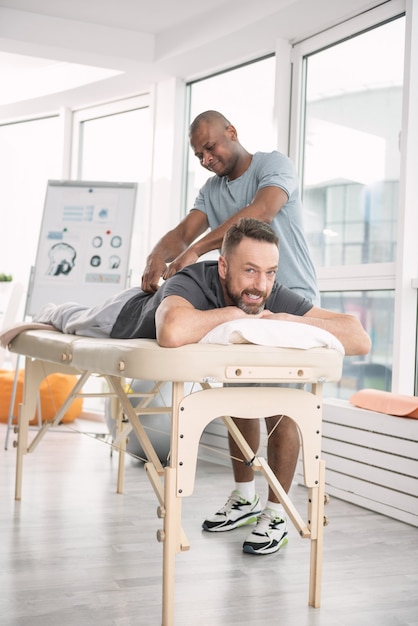
Once you’ve identified the root causes, it’s time to explore effective strategies. These are not your average treatments—they’re designed to provide real relief.

Hands-on Therapy Techniques

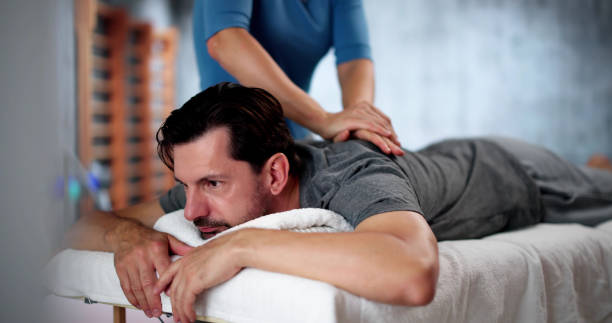
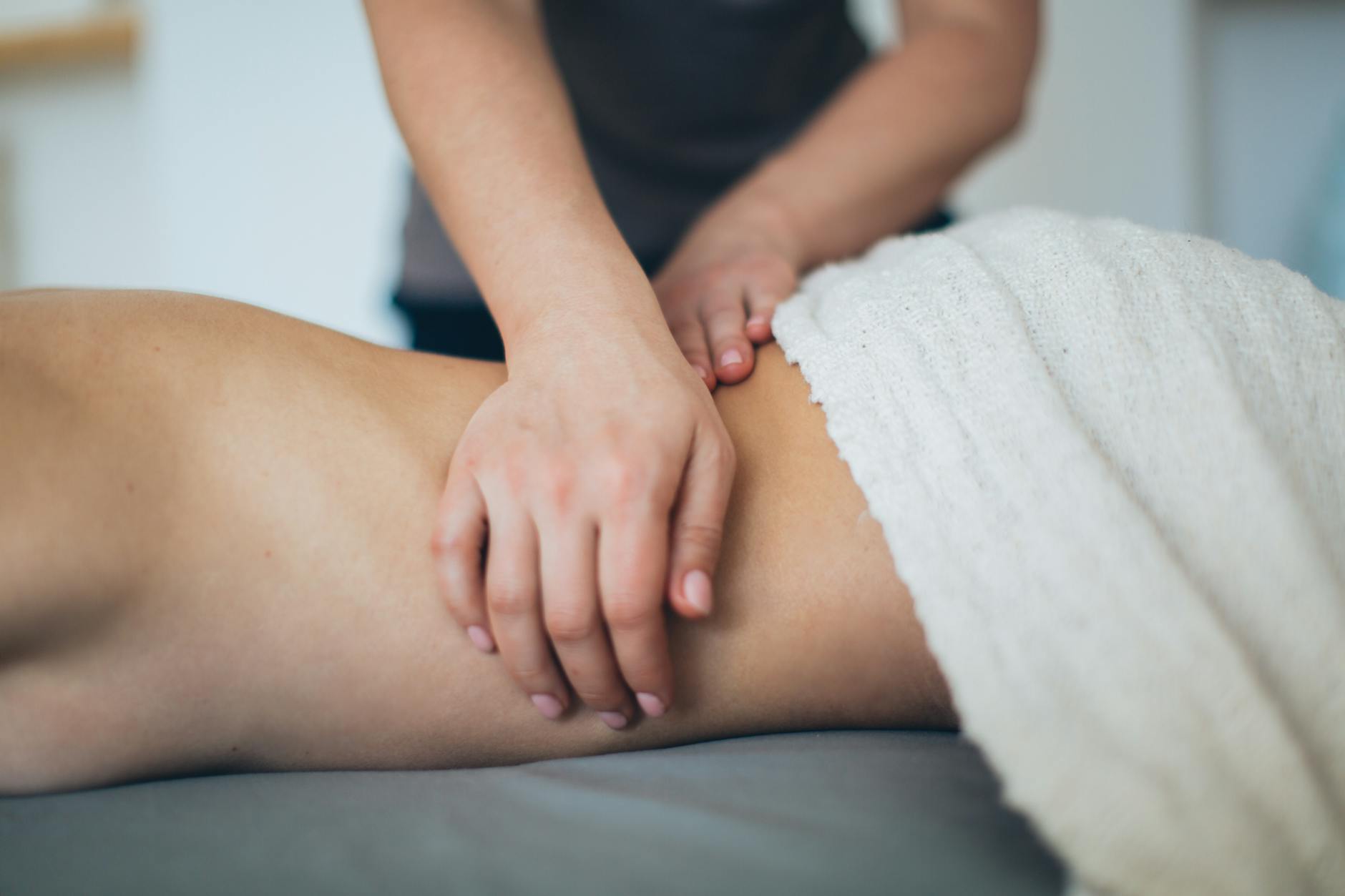
Hands-on therapy can work wonders. Techniques like myofascial release and trigger point therapy specifically target stubborn pain points. These methods don’t just mask the pain; they address it directly. Imagine finally feeling relief after struggling for so long. This is what hands-on therapy offers. Most think pain needs medication or rest, but skilled hands can often achieve more. It’s about using the right touch to unlock your body’s healing potential.

Targeted Strength and Conditioning

Strength and conditioning target the weak spots that often cause pain. By focusing on these areas, you build resilience against further issues. This isn’t just about getting stronger. It’s about rebuilding confidence in your body. You might not realise how much strength you’ve lost until you start gaining it back. When you work on specific areas, you notice changes in how you feel and move daily. This targeted approach makes a world of difference.

Load Management for Relief

Managing the load your body carries is crucial. It’s not just about avoiding heavy lifting; it’s about understanding how everyday activities affect your pain. Adjusting these can prevent further setbacks. Consider this: how often do you overdo it without realising? By managing this, you protect yourself from unnecessary pain. It’s about smart planning and listening to your body’s cues.

Lifestyle Shifts for Long-term Wellness

Long-term wellness isn’t just about addressing current pain. It’s about creating a lifestyle that supports ongoing health.

Posture and Ergonomics Tips

Good posture and ergonomics are your allies. They help prevent the aches that come from poor habits. Simple adjustments can lead to big changes in comfort. Most ignore these tips until pain strikes. But starting early saves you from future discomfort. Consider the hours you spend sitting or moving incorrectly. Improving your posture now means fewer issues later.

Integrative Lifestyle Coaching

Integrative coaching looks at the whole picture. It focuses on nutrition, sleep, and stress—factors often overlooked. These elements play a major role in how your body feels and heals. You might think small lifestyle tweaks don’t matter much, but they add up. Coaching helps you make sense of it all. It’s about aligning every part of your life with your wellness goals.

Encouragement to Book an Assessment

The longer you wait, the more entrenched the issues become. Booking an assessment is your chance to change that. It’s about taking control and saying yes to a healthier future. You’ve read this far, so why not take the next step? You deserve relief and a chance to live without pain. Choose to explore what’s possible with The Bodywright.


Click to discover more

What to Expect from Your Personalised Pain Relief and Mobility Programme

What to Expect from Your Personalised Pain Relief and Mobility Programme

Pain doesn’t have to control your life. At The Bodywright, our personalised pain relief programme is designed to target your unique needs, helping you move with less discomfort and more confidence. From thorough assessments to tailored treatments and lifestyle coaching, you’ll see how every step works together to ease pain and improve mobility. Keep reading to find out exactly what to expect from your programme and how it can support your journey to feeling better.

Comprehensive Assessment Process

Understanding your pain is the first step to relief. Our detailed assessments form the foundation of your personalised plan.

Uncovering Pain Triggers and History

Your pain has a story, and we’re here to listen. We start by exploring your pain’s history and triggers. This means asking about past injuries, lifestyle habits, and any treatments you’ve tried before. It’s a thorough discussion, so feel free to share every detail. This helps us understand the root cause of your discomfort. Our aim is to get a clear picture of what your body has been through. Once we identify these factors, we can target them effectively. Most people think pain is just part of getting older, but often, it’s about understanding and addressing these triggers.

Movement Screening and Posture Analysis

Next, we focus on how your body moves. We conduct a movement screening to spot any imbalances or weaknesses. Watching you move helps us see where your body might be compensating for pain. We also check your posture since it can greatly impact how you feel day-to-day. Why bother with all this? Because your body’s movements often hold the key to understanding your pain. A slight adjustment in how you stand or sit could make a big difference. With this knowledge, we can start crafting a plan that addresses your unique needs.

Goal Setting for Your Lifestyle

Goals keep you motivated. Together, we’ll set realistic ones to guide your journey. Whether you want to return to a sport or simply enjoy daily activities without pain, your goals matter. We’ll consider your lifestyle and what you want to achieve. This part is all about you: your aspirations, your timeline, and your commitment. Your goals help us create a plan that fits seamlessly into your life. Think of this as your roadmap to wellness, tailored just for you.

Personalised Treatment and Support

Now that we understand your needs, it’s time to take action. Our treatment plans are as unique as you are.

Hands-on Therapies for Relief

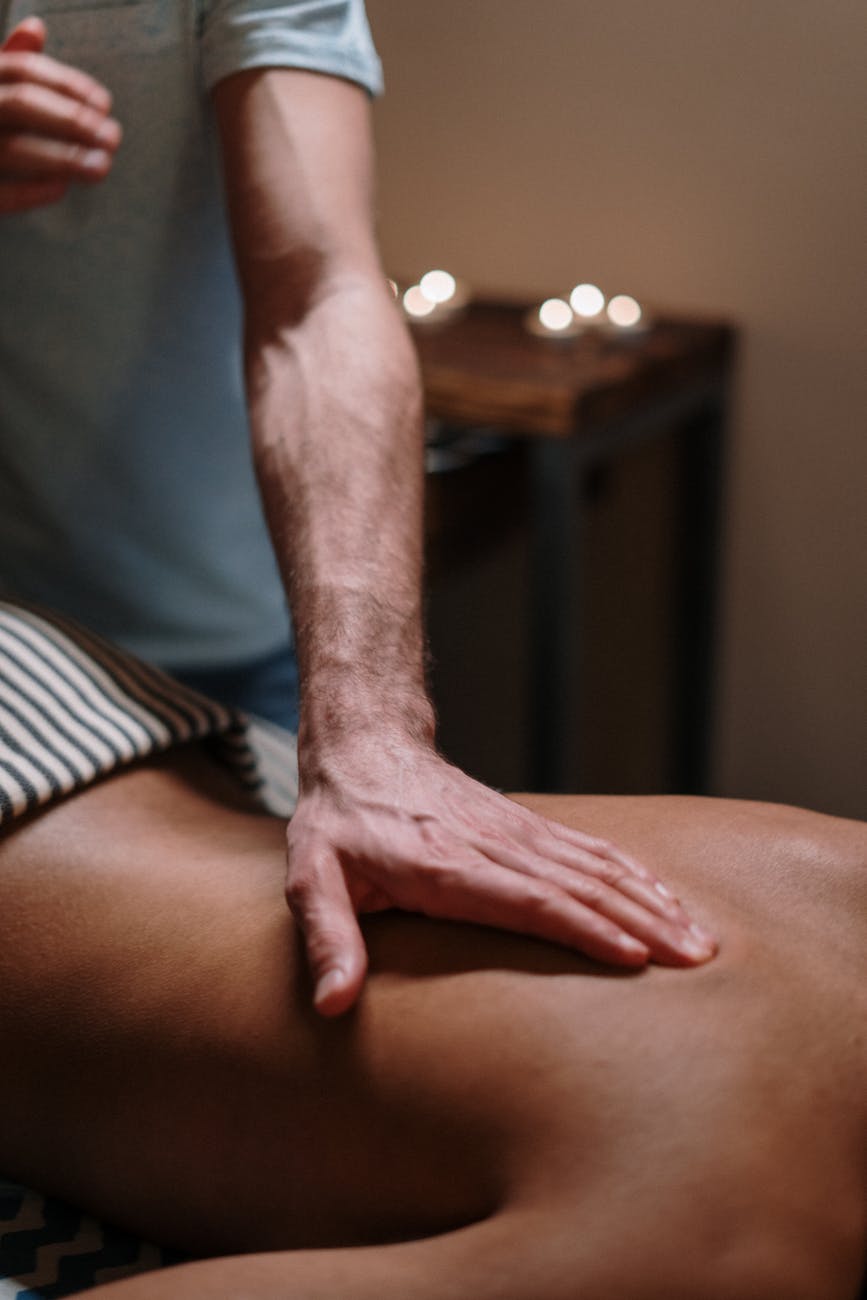
Our hands-on therapies are designed to bring immediate relief. We use techniques like sports massage, which targets specific areas of tension and discomfort. This isn’t just about feeling good; it’s about promoting healing and improving your mobility. If you’ve ever had a massage, you’ll know how soothing it can be. But our sessions go beyond relaxation. They’re strategic, focusing on areas that need it most. With regular sessions, you’ll notice a reduction in pain and an increase in movement freedom.

Targeted Exercise Plans

Exercise tailored to your needs helps restore strength and function. Your plan will include exercises that support your unique body mechanics. Forget generic routines; these exercises are designed for you. They’ll help you build resilience and prevent future injuries. We’ll guide you through each step so you feel confident and supported. Regular movement is crucial for your recovery, and with the right plan, you’ll see progress. Think stronger muscles, better balance, and a boost in overall well-being.

Lifestyle Coaching Essentials

Pain relief isn’t just physical. Lifestyle changes can play a huge role in how you feel. Our coaching covers aspects like nutrition, sleep, and stress management. Small tweaks in these areas can lead to significant improvements. For instance, better sleep can enhance recovery, while the right nutrition supports healing. We provide you with the tools and knowledge to make these positive changes. By looking at the bigger picture, we ensure every part of your life contributes to your wellness.

Monitoring and Progression

Your journey doesn’t end once the plan is in place. Monitoring your progress is key to long-term success.

Regular Reviews and Reassessments

We keep track of your progress with regular reviews. These sessions allow us to see what’s working and where we might need to adjust your plan. Your feedback is invaluable here. It’s a collaborative process, ensuring your plan evolves with you. Many think once a programme is set, it’s fixed. But that’s not the case. Your needs can change, and we’re here to adapt as you do. Regular check-ins help keep us on track towards your goals.

Home Plan for Daily Routines

Alongside in-clinic sessions, you’ll have a home plan. This plan is simple, focusing on daily routines that support your recovery. Think of it as your homework: small tasks that make big differences over time. Consistency is key, so we make sure these routines fit easily into your life. Engaging in these activities regularly bolsters the work we do together and enhances the effectiveness of your treatment.

Ongoing Support and Coordination

You’re never alone on this journey. Our team provides continuous support, always ready to answer questions or offer advice. We coordinate with other health professionals if required, ensuring a cohesive approach. This network of support helps you stay motivated and informed. The longer you wait to take these steps, the longer pain can hold you back. With our guidance, you’ll have a partner every step of the way, focused on your well-being.

Embarking on a personalised pain relief and mobility programme can transform your life. By addressing your unique needs, The Bodywright ensures you experience meaningful improvements, empowering you to live with renewed freedom and confidence.

Click to discover more

Sleep, Stress and Recovery: The Missing Links in Ongoing Muscle Pain

Sleep, Stress and Recovery: The Missing Links in Ongoing Muscle Pain

Poor sleep and unrelenting stress don’t just sap your energy—they make muscle pain worse. When your body can’t recover properly, aches in your back, neck, or shoulders stick around longer than they should. At The Bodywright, we focus on how sleep quality for recovery and stress and pain sensitivity connect, offering clear strategies that help you heal and move freely again. Ready to find out what really makes a difference? Learn more here.

The Impact of Sleep on Muscle Pain

Understanding how sleep influences muscle pain is essential for recovery. When your body rests well, it repairs itself more effectively. This section explores how sleep quality impacts recovery and why it’s crucial for managing muscle pain.

Sleep Quality for Recovery

Quality sleep is vital for repairing muscles. When you sleep well, your muscles get the rest they need to heal. During deep sleep, your body releases growth hormones that aid in tissue repair. If you’re tossing and turning, your body misses this critical healing time. This leads to prolonged pain and discomfort.

Most people think they can catch up on sleep later, but consistent rest is key. Aiming for 7-9 hours of sleep nightly can make a significant difference. Try setting a regular bedtime to help your body get into a restful routine. Sleep hygiene, like a comfortable mattress and a dark room, also plays a role in improving sleep quality.

Sleep and Muscle Pain Connection

Poor sleep can increase muscle pain sensitivity. When you’re tired, your pain threshold lowers, making aches feel worse. This is due to your body’s stress response kicking in when it’s sleep-deprived. Research shows that even one night of poor sleep can amplify pain, affecting your ability to perform daily tasks comfortably.

Consider this: you might notice your neck and shoulders ache more after a restless night. This isn’t just coincidence. Your body’s inability to rest properly worsens the tension, prolonging the discomfort. Here’s a study on the topic.

Sleep Hygiene UK Tips

Improving your sleep hygiene can be simple with a few adjustments. Start by creating a bedtime routine. Wind down with a book or relaxing music to signal to your body that it’s time to sleep. Keep your bedroom cool and dark to create an ideal sleeping environment.

Avoid screens an hour before bed as the blue light can disrupt your sleep cycle. Caffeine and heavy meals close to bedtime can also interfere with your sleep. Try these tips and notice how better sleep can lead to less muscle pain.

Stress and Its Effect on Pain

Stress can significantly impact your perception of pain. The body’s stress response is tightly linked to how we experience discomfort. This section will help you understand the connection and find ways to reduce stress for pain relief.

Understanding Stress and Pain Sensitivity

Stress increases your sensitivity to pain. When stressed, your body releases hormones that heighten your pain perception. This means that even minor aches can feel more intense. For someone dealing with chronic pain, stress can make everyday tasks feel overwhelming.

The cycle of stress and pain is tough to break. Most people think stress only affects their mood, but it plays a big role in physical discomfort too. Recognising this connection is the first step to managing both stress and pain effectively.

Cortisol and Muscle Tension

Cortisol, a hormone released during stress, causes muscle tension. This tension can lead to stiffness and soreness, especially in the neck and shoulders. Over time, chronic stress keeps cortisol levels high, preventing muscles from relaxing fully.

Imagine having tight shoulders after a long day at work. It’s not just the tasks you did; it’s also the stress from those tasks causing your muscles to tighten. Reducing cortisol through relaxation techniques can ease this tension and help you feel more comfortable.

Simple Stress Reduction Strategies

Reducing stress doesn’t have to be complicated. Start with deep breathing exercises. Taking slow, deep breaths can help lower your heart rate and relax muscles. Incorporating short walks into your day can also help. Movement reduces stress and improves mood.

Another simple tactic is mindfulness. Taking a few minutes each day to focus on your breathing can decrease stress significantly. These small changes can lead to a big difference in how you perceive pain.

Effective Recovery Strategies

Effective recovery involves more than just rest. It’s about using the right strategies to support muscle healing and prevent further injury. Here, we cover practical tips you can use to enhance your recovery process.

Active Recovery Tips

Active recovery means engaging in low-intensity activities to aid muscle healing. Activities like walking, yoga, or gentle stretching can improve circulation and reduce muscle soreness. This keeps your body moving without the strain of intense exercise.

Most people think rest means doing nothing, but active recovery can be more beneficial. It helps in flushing out toxins and delivering nutrients to muscles. Try incorporating these gentle activities on your rest days for better recovery.

Overtraining and Recovery

Overtraining can hinder recovery and lead to injuries. It’s crucial to balance intense workouts with proper rest to allow muscles to repair. Signs of overtraining include persistent soreness and fatigue.

If you’re feeling constantly tired and in pain, it might be time to reassess your workout routine. Listen to your body and allow enough time for recovery. This balance will help you avoid setbacks and improve your overall performance.

Recovery Strategies for Athletes

Athletes require tailored recovery strategies to perform at their best. Aside from physical rest, athletes benefit from therapies like sports massage and acupuncture. These techniques can reduce muscle tension and improve flexibility.

Consider adding these sessions to your routine if you’re training hard. They can significantly enhance your recovery and prevent injuries. At The Bodywright, we offer tailored programmes that combine these methods for optimal results.

By understanding the roles of sleep, stress, and recovery in muscle pain, you can take control of your healing journey. Try these strategies and see the difference they make in your comfort and performance. Remember, a well-rested body is a pain-free body.

Click to discover more

Keep Training, Keep Healing: How Sports Massage Supports Injury Recovery Without Disrupting Your Programme

Keep Training, Keep Healing: How Sports Massage Supports Injury Recovery Without Disrupting Your Programme

Injury doesn’t have to mean hitting pause on your training. Sports massage in Oxfordshire offers targeted support that eases pain, speeds healing, and helps you keep moving—without forcing a full stop. At The Bodywright, we blend expert soft tissue therapy with tailored rehab plans to help you train smart while recovering strong. Keep reading to find out how you can stay active and bounce back faster with injury recovery massage designed around your goals. For further insights, you can read about the benefits of sports massage.

Benefits of Sports Massage

Staying active while navigating an injury can feel like a tightrope walk. Here’s how sports massage keeps you steady and strong on this journey.

Pain Relief and Recovery

Imagine soothing sore muscles and bouncing back quicker from strain. That’s the magic of sports massage. By focusing on areas that need attention, massage helps reduce discomfort and speeds up recovery. A study found that massage therapy can lower muscle soreness by 30%, allowing you to return to your routine faster.

Massage therapy also improves blood circulation. Improved blood flow means nutrients reach your muscles more efficiently, aiding healing. It’s not just about feeling good; it’s about getting better, too. For more on how massage supports recovery, check this article.

Enhancing Mobility and Flexibility

Think about the freedom of moving without restriction. Sports massage helps enhance mobility and flexibility, key components of athletic performance. By focusing on soft tissues, massage can loosen tight areas and restore range of motion.

Regular sessions can also prevent injuries by preparing your muscles for activity. Consider it your secret weapon for maintaining flexibility and strength. This proactive approach helps you stay in the game, enhancing your overall performance.

Supporting Training Around Injury

Training doesn’t have to stop when you’re injured. Sports massage supports your efforts by allowing you to continue modified training. It targets trouble spots while ensuring your body remains strong and capable.

Massage therapy also aids in developing a tailored plan for your specific needs. This means you can train smart without risking further injury. With the right support, you can keep pushing forward and achieve your goals.

The Bodywright Approach

At The Bodywright, we take a comprehensive look at your health, ensuring you receive the best care possible. Let’s explore how our approach makes all the difference.

Tailored Rehab Programmes

Every individual is unique, and so is your recovery plan. At The Bodywright, we craft tailored rehab programmes that address your specific needs. This personalised approach ensures you receive the most effective treatment possible.

By focusing on your goals and challenges, we create a path that promotes healing and strength. Whether it’s returning to sport or enhancing mobility, our programmes are designed to support you every step of the way.

Communication and Collaboration

Effective communication is the cornerstone of our approach. We believe in working closely with you to understand your concerns and aspirations. This collaboration ensures you feel heard and supported throughout your recovery journey.

Our team also collaborates with other health professionals, ensuring you receive comprehensive care. This integrated approach means you’re not alone on this path; you have a team dedicated to your success.

Holistic Health and Coaching

Health goes beyond physical recovery. At The Bodywright, we offer holistic health and coaching to support your overall well-being. This includes lifestyle and nutrition coaching, helping you make sustainable changes.

By addressing all aspects of your health, we empower you to achieve lasting results. It’s about building a foundation for wellness that supports your life, not just your recovery.

Booking Your Path to Recovery

Ready to take the next step? Let’s explore how booking a session with The Bodywright can set you on the path to recovery and wellness.

Consultation and Assessment

Every journey begins with understanding where you are now. Our consultations are designed to assess your current condition and set a clear path forward. We listen to your concerns and goals, ensuring your needs are at the forefront.

This assessment helps us create a plan that’s as unique as you are, ensuring you’re on the right track from the start. It’s the first step towards a healthier, more active life.

Integrated Treatments and Support

Our treatments don’t stand alone. They are part of an integrated support system designed to enhance your recovery. From massage to holistic health coaching, each element works together to promote your well-being.

This integrated approach ensures you’re not just treating symptoms but addressing root causes. It’s about finding lasting solutions that support your health for the long term.

Special Offers and Programmes

Looking for a way to start your recovery journey? We offer special programmes designed to meet various needs and budgets. Whether you’re looking for short-term relief or long-term wellness support, there’s an option for you.

These programmes make it easier to commit to your health and see results. Don’t wait; the longer you delay, the longer you stay in discomfort. Choose your path to recovery with The Bodywright today.

Click to discover more

Is Your Tightness Actually Protective Tension? How to Spot It and What to Do

Is Your Tightness Actually Protective Tension? How to Spot It and What to Do

Muscle tightness is often a sign your body is protecting itself, not just a simple ache. Protective tension is your nervous system’s way of guarding against pain or injury. Knowing the difference can change how you handle persistent tightness and avoid long-term discomfort. Keep reading to learn simple checks and what steps you can take to ease that tension for good. https://www.daniwinksflexibility.com/bendy-blog/diagnosing-muscle-tightness-vs-nerve-tension

Understanding Protective Tension

Grasping the concept of protective tension can help you manage discomfort more effectively. It’s essential to understand what sets it apart from everyday tightness.

Differentiating Muscle Tightness

Muscle tightness often feels like a dull, persistent ache. You might notice it after a workout or a long day at a desk. Protective tension, however, is different. It acts as a barrier. Instead of a mild strain, it feels like a protective wall your body has built. This tension is a signal from your nervous system, attempting to shield you from further harm.

Many confuse these types of tightness. The key is recognising both the sensation and the context. Protective tension usually arises without clear cause. For instance, you might feel it when you’re at rest. Explore more about this to understand how it manifests.

Role of the Nervous System

Your nervous system plays a crucial role in muscle tension. It’s like the command centre that decides when to activate protective measures. When it perceives a threat, real or imagined, it signals muscles to tighten. This response can be due to stress, fatigue, or past injuries.

Interestingly, this protection can sometimes work against you. If your muscles stay tense for too long, it can lead to discomfort or even pain. Learning how your nervous system influences muscle behaviour is the first step toward managing this tension. For further details on this connection, visit this resource.

Common Signs of Protective Tension

There are several indications that your muscles are under protective tension. You might find it challenging to relax even during rest. This tension often appears without a clear reason. You may also notice that stretching provides little relief.

Most people assume that tight muscles are always due to physical exertion. However, recognising protective tension can change your approach to dealing with discomfort. If you suspect this type of tension, addressing it correctly is crucial for long-term relief.

Self-Checks and Solutions

Identifying protective tension is the first step. Next, consider some practical checks and solutions you can try at home.

Simple Tests at Home

You can perform some simple tests to understand your muscle tension better. Start by observing when and where the tightness occurs. Is it after a specific activity, or does it appear randomly? Keep a log of these occurrences.

Next, try gentle movements. These can help determine if the tension eases or intensifies. While performing these tests, listen to your body. Note any patterns that emerge. This information can be invaluable when discussing symptoms with a professional.

Techniques for Nervous System Regulation

Regulating your nervous system can help reduce protective tension. One effective method is deep breathing. This technique calms the nervous system, signalling your muscles to relax. Another method is progressive muscle relaxation. This involves tensing each muscle group and then releasing the tension slowly.

Mindfulness exercises can also prove beneficial. Practices like yoga or tai chi focus on body awareness and relaxation. Incorporating these activities into your routine can help in managing tension effectively.

When to Seek Professional Help

While self-care techniques can be effective, there are times when professional guidance is necessary. If your tension persists despite efforts to manage it, consider consulting a specialist. A professional can offer tailored advice and treatment options.

Persistent tension might indicate underlying issues that need addressing. Early intervention can prevent further complications and provide relief. Don’t hesitate to seek help when needed. It’s crucial for maintaining your health and wellbeing.

Professional Assessment at The Bodywright

When self-care isn’t enough, a professional assessment can offer deeper insights into your muscle tension. At The Bodywright, we provide comprehensive services tailored to your needs.

Benefits of Sports Massage

Sports massage offers targeted relief for muscle tension. It helps improve circulation and reduce stiffness. Our experienced practitioners focus on specific areas that need attention, providing relief from tension and discomfort.

Regular massage sessions can aid in reducing protective tension by improving muscle flexibility and joint mobility. This approach not only addresses symptoms but also promotes long-term wellbeing.

Comprehensive Movement Assessment

A comprehensive movement assessment can identify the root cause of your tension. This process involves evaluating your movement patterns to pinpoint areas of concern. It helps in creating a personalised treatment plan that suits your unique needs.

Understanding your movement patterns allows for targeted interventions. With this knowledge, we can guide you through exercises and treatments designed to alleviate tension and enhance mobility.

Booking Your Appointment in Oxfordshire and the Cotswolds

Ready to take the next step? The Bodywright is here to support you. Booking an appointment is simple. Our skilled therapists are ready to help you find relief and improve your quality of life.

Don’t let protective tension hold you back. Whether you’re in Oxfordshire or the Cotswolds, we’re here to guide you on your journey to recovery. Our holistic approach ensures you get the care you deserve. Embrace a pain-free life with our expert support.

Click to discover more

Why pain keeps returning after massage: the missing piece most people overlook

Why pain keeps returning after massage: the missing piece most people overlook

Recurring pain after massage frustrates many who expect lasting relief. You might feel better for a short time, only for that ache to creep back again. The missing piece often lies beyond the massage table—how your body moves, carries load, and copes with daily habits. At The Bodywright, we combine assessment, movement retraining, and lifestyle coaching to tackle the root cause, not just the symptom. Ready to break this cycle? Read on to find out how lasting relief is possible. For more insights, check out this source.

Understanding Recurring Pain

When you leave a massage feeling relaxed, it’s disheartening when pain returns soon after. This is a common experience, but understanding the reasons behind it can help you find lasting relief.

Why Pain Returns After Massage

Massages provide temporary relief by loosening tight muscles and improving circulation. However, they don’t always address the root causes of pain, meaning the discomfort can resurface. Often, persistent pain is linked to how your body moves and maintains posture. For instance, if you have poor posture while sitting at a desk all day, muscle tension can quickly return, undoing the benefits of the massage.

It’s also important to consider other factors like stress levels and overall physical health. Stress can cause muscle tension, and if your body isn’t supported by good nutrition and exercise, pain can become a recurring issue. To delve deeper into this topic, this article provides some useful insights.

Hidden Causes of Persistent Pain

There are often underlying issues that contribute to ongoing pain. These can include old injuries that haven’t healed properly, or muscular imbalances caused by repetitive movements or poor ergonomics. For example, if one side of your body is stronger than the other, this imbalance can lead to strain and discomfort.

Muscles and joints can also suffer from wear and tear over time, especially if not properly managed with regular exercise and stretching. Additionally, emotional stress can manifest physically, leading to chronic pain. Many people are unaware of these hidden causes, which is why addressing them can make a significant difference. Want to learn more? Check out this source for further details.

The Role of Lifestyle Factors

Lifestyle factors such as diet, sleep, and stress management play a significant role in how your body feels post-massage. Poor nutrition can lead to inflammation, while lack of sleep can increase pain sensitivity. Stress can exacerbate tension and discomfort. Without addressing these factors, even the best massages can offer only temporary relief.

It’s essential to incorporate healthy habits into your routine to support your body’s recovery and maintain balance. This includes regular physical activity, balanced nutrition, and effective stress reduction techniques. Understanding the role of these factors can empower you to take control of your health and achieve long-term relief. For more on this, visit this link.

Holistic Approach to Pain Relief

To truly move past recurring pain, consider a holistic approach. This involves not just treating symptoms but also addressing the underlying causes through various strategies.

Movement Assessment and Retraining

A movement assessment identifies dysfunctional movement patterns that contribute to pain. By retraining these patterns, you can reduce strain on muscles and joints, enhancing your body’s efficiency. This process involves exercises tailored to your specific needs, helping you move better and experience less pain.

Imagine having a tailored plan that targets your unique movement challenges. This proactive approach can prevent future discomfort and improve overall function. Curious to see how this works? Our movement assessment offers a deeper dive into this method.

Load Management Strategies

Managing the load your body carries is crucial for preventing pain. This involves understanding how much physical activity your body can handle and adjusting accordingly. Overloading your body can lead to injury and pain, while underloading can cause weakness and stiffness.

Implementing load management strategies can include altering your exercise routines or adjusting daily activities to ensure your body operates within its limits. By finding the right balance, you can build strength without overexerting yourself, helping to prevent pain from returning.

Lifestyle Coaching for Long-Term Relief

Lifestyle coaching offers guidance on integrating healthy habits into your daily life. This includes advice on nutrition, stress management, and sleep hygiene. By addressing these areas, you can support your body’s healing processes and maintain the benefits of massage therapy.

Through personalised coaching, you are equipped with tools and strategies to sustain a pain-free lifestyle. This comprehensive approach ensures you not only find relief but also enjoy improved health and wellbeing.

Comprehensive Treatment Solutions

By adopting a comprehensive approach, you can address the root causes of pain and enjoy long-lasting relief.

Tailored Rehab Programmes

A rehab programme designed specifically for you considers your unique needs and health goals. These programmes focus on rehabilitation exercises that enhance flexibility, strength, and endurance. They are particularly beneficial for those recovering from sports injuries or dealing with chronic pain.

Programs like these ensure you receive targeted care, which can speed up recovery and prevent future problems. This tailored attention helps you achieve your health goals efficiently.

Integrative Lifestyle Coaching

Integrative coaching combines various health strategies, offering a balanced approach to wellness. This includes nutrition advice, stress management techniques, and exercise recommendations. By integrating these elements, you can support your body’s natural healing processes.

With the right guidance, you can create a sustainable lifestyle that promotes health and prevents pain. This holistic approach ensures you’re not just treating symptoms but also building a foundation for lasting wellness.

Booking Your Assessment: What to Expect

When you book an assessment with The Bodywright, you begin a journey towards understanding and addressing the true causes of your pain. The assessment includes a comprehensive evaluation of your movement patterns, lifestyle, and health history. This thorough analysis helps create a personalised plan designed to meet your specific needs.

During this assessment, you’ll receive expert advice and practical solutions, empowering you to take control of your health. Ready to start your journey to pain-free living? Contact us to book your assessment today. The sooner you start, the sooner you can enjoy lasting relief.

Click to discover more

Persistent Pain: When to Seek Help Before It Becomes a Bigger Problem

Persistent Pain: When to Seek Help Before It Becomes a Bigger Problem

Persistent pain doesn’t just go away on its own—it often worsens when ignored. You might think it’s just part of daily life, but those nagging aches could signal something more serious. Knowing when to see a therapist for pain can save you from long-term issues and get you back to feeling your best. Let’s explore the signs that mean it’s time to act before pain takes over your life. For more information, you can check out this resource.

Recognising Persistent Pain

Understanding when pain is more than a minor inconvenience is crucial. Persistent pain can sneak up and become a part of daily life. Learn to spot the signs early and take action before it escalates.

Signs You Shouldn’t Ignore

You might dismiss that constant ache as just a part of life. But when the pain lingers beyond a few weeks, it’s time to pay attention. Ignoring persistent pain can lead to more serious issues, like chronic pain or injury. Watch out for these signs:

  • Pain lasting longer than three months.

  • Discomfort that disrupts sleep or daily activities.

  • Increasing intensity or frequency over time.

These indicators suggest it’s time to consider professional help. Don’t wait until it’s too late. Early attention can prevent further complications. For more insights, explore this blog article.

When to See a Therapist for Pain

Deciding when to see a therapist can be tricky. If your pain doesn’t respond to over-the-counter treatments or rest, it’s a red flag. Professional evaluation can identify the root cause, providing tailored solutions to bring relief.

Therapists use various methods, including physical therapy and targeted exercises, to manage pain effectively. They help restore mobility and improve overall quality of life. By addressing pain early, you reduce the risk of developing chronic conditions.

For a detailed guide on managing pain, check this pain management resource.

Benefits of Early Intervention

Early intervention in pain management offers numerous advantages. By acting swiftly, you can dodge prolonged discomfort and safeguard your well-being. Discover the benefits of tackling pain head-on.

Chronic Pain Relief Options

Getting a handle on chronic pain early can mean the difference between temporary relief and long-term suffering. A variety of treatments are available, from medications to physical therapies. The key is finding what works best for you.

  • Physical Therapy: Helps to improve mobility and strength.

  • Acupuncture: Offers pain relief without drugs.

  • Massage Therapy: Reduces muscle tension and promotes healing.

Exploring these options with a professional can lead to significant improvements. Early action can save you from extended pain and potential complications. Discover more about chronic pain here.

Holistic Health Approaches in Oxfordshire

In Oxfordshire, holistic approaches are gaining traction. These methods focus on treating the whole person, not just symptoms. Combining traditional and alternative therapies can lead to better outcomes.

  • Nutrition and Lifestyle Coaching: Supports overall health improvements.

  • Mindfulness and Stress Reduction: Helps manage pain perception.

  • Exercise Programmes: Tailored to enhance flexibility and strength.

These strategies aim to create a balanced approach to health. By integrating different methods, you can achieve more sustainable results. To learn more about holistic health, consider exploring local offerings in Oxfordshire.

Booking Your Assessment

Taking the first step towards relief is easier than you think. Booking an assessment can pave the way for a personalised pain management plan that suits your lifestyle and needs.

What to Expect from the Pain & Mobility Assessment

A Pain & Mobility Assessment is a comprehensive evaluation tailored to your specific issues. It involves understanding your pain history and current challenges. This process helps pinpoint the root cause of your discomfort.

During your assessment, expect:

  1. Detailed Consultation: Discuss your pain history and lifestyle.

  2. Physical Examination: Identify affected areas and assess mobility.

  3. Personalised Plan: Receive a tailored programme for recovery.

These steps ensure a targeted approach, offering relief and solutions that fit your life. A thorough assessment is the foundation for effective treatment.

How to Book Sports Massage in Oxford and Cotswolds

Ready to take control of your pain? Booking a sports massage in Oxford or the Cotswolds is a straightforward process designed for your convenience. Whether you’re dealing with sports injuries or everyday aches, expert therapists are ready to assist.

  • Visit Local Clinics: Check out services that match your needs.

  • Online Booking: Many centres offer easy online scheduling.

  • Consultation Calls: Speak with professionals to tailor your sessions.

Don’t let pain hold you back any longer. Explore sports massage options and embrace a pain-free lifestyle. To book your session, simply reach out to a local provider in Oxford or the Cotswolds today.

Click to discover more

Neck and Back Pain Relief: A Holistic Approach That Works

Neck and Back Pain Relief: A Holistic Approach That Works

Neck and back pain can take over your day before you even realise it. You’ve tried quick fixes, but the discomfort keeps coming back. At The Bodywright, we focus on holistic neck and back pain relief that targets the root causes, not just the symptoms. Here’s how a personalised plan combining massage, acupuncture, and lifestyle advice can help you regain control and move without pain.

Understanding Holistic Pain Relief

Our journey into holistic pain relief starts with understanding how The Bodywright’s approach can transform your experience. We focus on empowering you to live without pain.

The Bodywright’s Unique Approach

At The Bodywright, we offer more than just treatment. Our method centres on holistic strategies that address the entire body. We blend massage, acupuncture, and lifestyle advice to offer comprehensive care. Instead of quick fixes, we aim for lasting relief. Imagine waking up without that familiar ache. Holistic care means focusing on root causes. Your body is complex, and we treat it as such. By addressing multiple aspects, we provide a more complete solution. Our team listens and tailors each plan to fit you. Your path to wellness starts with understanding your unique needs.

Benefits of Holistic Strategies

Holistic strategies offer more than temporary relief. They work to improve your overall wellbeing. When you address the whole body, you find the freedom to move with ease. Consider this: instead of masking symptoms, we help you understand and eliminate them. This approach reduces the chance of pain returning. By choosing holistic care, you invest in long-term health. Many find that this leads to better sleep, improved mood, and more energy. When pain subsides, life feels richer. The benefits go beyond physical relief. They touch every part of your life, creating a better daily experience.

Why Choose Holistic Care?

Holistic care is about seeing the bigger picture. It’s about understanding how everything in your body is connected. This method stands apart because it doesn’t just focus on the symptoms. Instead, it looks at everything that contributes to your discomfort. Most people think pain is just something to manage. What if you could resolve it? Our approach helps you achieve that goal. By choosing holistic, you embrace a way of living that supports your health in the long run. You’re not just treating pain—you’re enhancing your life.

Effective Therapies for Relief

Different therapies offer unique benefits, each contributing to your overall relief. Let’s explore how specific treatments can make a difference.

Sports and Remedial Massage

Sports and remedial massage is about more than relaxation. It targets specific issues to help you move freely. Our therapists focus on the muscles and tissues that need attention. This type of massage supports recovery and prevents future injuries. Imagine being active without fear of pain. By addressing tightness and stress, massage aids flexibility and strength. Regular sessions can keep discomfort at bay, helping you enjoy life fully. With our expert guidance, you find more than temporary relief; you gain a path to lasting wellness.

Acupuncture for Pain Modulation

Acupuncture offers a natural way to manage pain. This ancient practice helps reduce discomfort by influencing energy flow in the body. Tiny needles placed at specific points can bring significant relief. Many find acupuncture helpful for chronic issues. It may seem surprising, but this method supports both mind and body. By calming the nervous system, acupuncture reduces pain signals. It’s a gentle yet powerful way to achieve comfort. When combined with other treatments, acupuncture offers a holistic approach that addresses the root of your pain.

Myofascial Release and Trigger Points

Myofascial release focuses on the connective tissues, helping you move without restrictions. It works by applying gentle pressure to specific areas, improving mobility and easing discomfort. Trigger points are tight spots that can cause pain elsewhere. By addressing these, we help release tension and restore movement. Many find this approach surprisingly effective. It’s about more than immediate relief—it’s about freeing your body from patterns of tension. This therapy can be part of a broader plan to help you enjoy life without pain holding you back.

Personalised Wellbeing Programmes

Your journey doesn’t stop at treatment. Personalised programmes keep you on the path to wellness. Let’s look at how tailored plans support your ongoing health.

Tailored Mobility and Strength Programmes

Mobility and strength go hand in hand. Our programmes target these areas to enhance your everyday life. By focusing on flexibility and power, we help you move confidently. Each programme is crafted to your needs, supporting specific goals. Maybe you want to return to a sport or simply enjoy daily activities without pain. With tailored exercises, you improve not just movement but overall health. Our expert guidance ensures you stay on track, offering support every step of the way.

Lifestyle and Nutrition Coaching

Lifestyle and nutrition play crucial roles in how you feel. Our coaching helps you make choices that support wellness. By focusing on diet, sleep, and stress, we guide you towards better health. Consider this: small changes can lead to big improvements. When you understand how lifestyle affects your body, you gain control. Our coaching offers practical advice, not just theory. This empowers you to make informed decisions daily. It’s about creating habits that last, ensuring you feel your best every day.

Booking Your Assessment: Take the First Step

Ready to start your journey towards pain-free living? Booking an assessment is the first step. During this session, we understand your unique needs and craft a personalised plan. Don’t wait—each day with pain is a day missed. Your next step is simple: contact us to schedule an assessment. Discover how The Bodywright can transform your life. Feel the difference holistic care makes, and embrace a future of wellness.

Click to discover more

Why Your Pain Keeps Returning: The Missing Piece in Your Recovery Plan

Why Your Pain Keeps Returning: The Missing Piece in Your Recovery Plan

Most recovery plans miss one crucial detail. That’s why your pain keeps coming back, no matter how many treatments you try. At The Bodywright, we look beyond quick fixes to address load management, movement patterns, sleep, stress, and nutrition. Keep reading to learn what’s really behind recurring pain and how a personalised rehab programme can make lasting change. For more insights, check out this resource.

Understanding Recurring Pain

Pain shouldn’t be a constant in your life, yet many find it returning after treatment. Let’s explore why this happens.

Common Causes of Pain Flare-ups

Persistent pain often roots from overlooked factors. One major cause is the imbalance in your body’s mechanics. When muscles and joints don’t work in harmony, tension builds up. This tension can lead to repeated discomfort, especially if the underlying issues aren’t addressed. Stress also plays a role, impacting your body’s ability to recover fully. Many people think they just need rest, but without fixing these core problems, relief is temporary.

Additionally, lifestyle choices can aggravate pain. Poor posture, repetitive movements, or even stress can trigger flare-ups. Imagine sitting for hours at a desk; over time, it strains certain muscles, leading to recurring back pain. Adjustments in daily habits can ease this. For more on this topic, see this blog.

The Role of Movement Patterns

How you move affects how you feel. Faulty movement patterns can strain your body, leading to pain. Consider how you walk or lift objects. If done incorrectly, it stresses your muscles and joints. This stress, over time, causes wear and tear, resulting in pain flare-ups. It’s not just about moving more but moving right.

Correcting these patterns is key. Simple changes can make a big difference. Learning to use your body efficiently reduces strain, preventing injuries. This concept is further explored in this article.

Importance of Load Management

Your body can only handle so much before it breaks down. Proper load management ensures you don’t overburden it. This might mean adjusting how much you exercise or changing your daily routine. It’s about finding a balance that works for you.

Ignoring this balance leads to overuse injuries. Think of it like overfilling a cup; eventually, it spills. Your body is similar; too much strain without recovery causes pain. By managing load effectively, you can reduce the risk of flare-ups.

Holistic Approaches to Pain Relief

Addressing pain requires more than just treating symptoms. A holistic approach considers all aspects of your well-being.

Benefits of Integrative Nutrition & Lifestyle Coaching

Nutrition and lifestyle choices affect pain levels. Eating right fuels your body, aiding recovery. A balanced diet can reduce inflammation, a common pain trigger. Working with a coach helps tailor this to your needs.

Lifestyle coaching goes beyond diet. It addresses stress management, sleep quality, and physical activity. Each element plays a role in how your body functions and recovers. For a deeper dive into this, refer to this resource.

Sleep and Stress for Recovery

Sleep is your body’s natural healer. Without enough rest, recovery is incomplete, leaving you vulnerable to pain. Stress complicates this, impacting sleep quality and muscle tension. Managing stress through techniques like meditation or yoga can improve rest.

When stress is high, your body remains tense, prolonging recovery. Finding ways to relax and sleep well is crucial. This combination supports your body’s ability to heal, reducing the likelihood of pain returning.

The Power of Soft Tissue Therapy

Soft tissue therapy provides relief by targeting muscles and connective tissues. It helps release tension, improve circulation, and promote healing. Techniques vary from massage to specific stretching exercises, each tailored to your needs.

Regular therapy sessions can prevent small issues from becoming major problems. By keeping muscles pliable and relaxed, you reduce the chance of injuries. This proactive approach maintains your body’s balance, essential for pain management.

Personalised Recovery Plans

A one-size-fits-all approach doesn’t work in recovery. Personalisation is key to lasting change.

Movement Assessment in Oxfordshire

Understanding your body’s unique needs starts with a movement assessment. At The Bodywright, we offer evaluations to identify issues affecting your biomechanics. These assessments provide insights into your movement patterns, guiding tailored interventions.

An assessment pinpoints areas requiring attention, ensuring your recovery plan is effective. This personalised approach sets a strong foundation, leading to better outcomes in pain management and performance enhancement.

Tailored Strength and Conditioning Support

Once issues are identified, targeted strength and conditioning programs follow. These programs are designed to address specific weaknesses, improving overall stability and strength.

Strengthening the body reduces the risk of future injuries. By focusing on areas that need support, you enhance resilience. This tailored approach not only addresses pain but also boosts your performance in daily activities and sports.

Long-term Resilience with Holistic Pain Management

True recovery is about building resilience. Holistic pain management looks at the big picture, ensuring all factors contributing to pain are addressed. This comprehensive strategy leads to sustainable health improvements.

With a focus on lifestyle changes, strength building, and stress reduction, you create an environment where your body can thrive. This proactive approach ensures that pain doesn’t just disappear temporarily but stays away for good, allowing you to live life on your terms.

Click to discover more

Muscle Tightness vs Protective Tension: What Your Body Is Telling You (and When to Get Help)

Muscle Tightness vs Protective Tension: What Your Body Is Telling You (and When to Get Help)

Muscle tightness feels familiar, but protective tension is your body’s urgent signal. Knowing the difference can stop pain from taking over your day or derailing your recovery. In this post, you’ll learn simple ways to spot whether your muscles need a break or professional care. Understanding muscle tightness vs protective tension could change how you manage back or neck pain in Oxfordshire and the Cotswolds for good. For more insights into this topic, you might find this article helpful.

Understanding Muscle Tightness

Getting to grips with muscle tightness is crucial for managing discomfort effectively. Let’s start by distinguishing between everyday tightness and protective tension.

Everyday Muscle Tightness Explained

Muscle tightness is something most people experience at some point. It’s that familiar stiff feeling you get after sitting too long or maybe after a workout. This type of tightness usually comes from overuse or lack of movement. Your muscle fibres contract and shorten, causing that tense sensation.

Think about the last time you felt sore after a long day. This discomfort is common when you push your muscles a bit harder than usual. What can you do? Stretching can help, as well as gentle movement. Daily activities like walking or a bit of stretching can keep tightness at bay. But, if tightness persists, it might need more attention.

Protective Muscle Tension Defined

Protective tension, on the other hand, is your body’s way of saying something isn’t right. It’s the kind of tension that happens when your body feels threatened by potential injury. Your muscles contract to protect an area that might be vulnerable.

Unlike regular tightness, protective tension can signal a deeper issue. Perhaps it’s related to an old injury or something more serious. It’s essential to listen to your body. If this tension is persistent or accompanied by pain, it might be time to consider professional care.

For a deeper understanding of how protective tension works, check out this detailed explanation.

When Tightness Becomes a Concern

It’s normal to feel tightness now and then, but when should you be worried? If muscle tightness leads to pain or limits your daily activities, it becomes a concern. Sometimes, it can indicate a different problem, like nerve tension or joint issues.

When tightness doesn’t go away with rest or basic stretches, it might be time to look deeper. Don’t ignore your body’s signals. Getting help early can prevent more serious issues.

To learn more about differentiating muscle tightness from nerve tension, visit this bendy blog.

Self-Checks and Solutions

Now that you know more about muscle tension, let’s explore what you can do about it. Simple self-checks and safe strategies can make a big difference.

Simple Self-Checks for Tension

Checking your own tension levels can guide your next steps. Start by feeling your muscles. Is there a specific area that feels more tight than others? Gentle pressure can help reveal if an area needs attention.

Try moving around. Are there any movements that feel restricted or painful? This can indicate protective tension. Assess all areas, not just the ones that hurt. Full body checks can reveal patterns you might not notice otherwise.

Safe Steps to Alleviate Tightness

If you’re dealing with everyday tightness, simple remedies can bring relief. Gentle stretches are a great start. Focus on smooth, slow movements that ease tension without causing pain. Stretching regularly can prevent tightness from recurring.

Hydration is another key factor. Drinking enough water helps keep your muscles supple. Don’t forget the importance of rest. Giving your body time to recover is crucial. And remember, if tightness persists, it might be time to seek more help.

When to Seek Professional Help

Sometimes, self-care isn’t enough. If tightness is persistent or worsening, professional help is crucial. Pain that doesn’t improve with rest or home remedies is a clear sign to consult an expert.

A professional can assess your situation and recommend a tailored approach. This might include a sports massage, acupuncture, or lifestyle adjustments. Don’t wait for things to get worse; early intervention can prevent long-term issues.

For more insights on chronic tension management, this article offers valuable information.

Professional Help and Recovery

Exploring professional solutions can pave the way for effective recovery and long-term wellbeing.

Tailored Recovery Programmes

At The Bodywright, we understand that each individual’s needs are unique. Our tailored recovery programmes are designed to address specific issues, whether it be back pain relief in Oxfordshire or neck pain treatment in the Cotswolds. We combine various techniques like sports massage and acupuncture to craft a plan that suits you.

Our programmes focus on improving your mobility and providing lasting pain relief. They’re not just about treatment; they also aim at preventing future problems by enhancing your overall health and well-being.

Booking an Assessment with The Bodywright

If you’re ready to address your muscle tension, booking an assessment is the first step. Our experienced practitioners will evaluate your condition thoroughly. This allows us to create a personalised strategy that aligns with your goals.

Whether it’s injury rehabilitation or lifestyle and nutrition coaching, we offer comprehensive support. Our aim is to help you achieve a pain-free life and optimal health.

Benefits of Holistic Health Guidance

Choosing a holistic approach means looking at the bigger picture. It’s not just about treating symptoms but understanding the root causes. Our guidance covers aspects like posture, biomechanics, and stress management for pain.

By focusing on these areas, we empower you to make informed choices about your health. You’ll gain insights into maintaining wellness beyond our sessions. This holistic view ensures you don’t just recover but thrive.

In conclusion, understanding the difference between muscle tightness and protective tension is key to managing your health. By taking proactive steps and seeking professional help when needed, you can enjoy a life free from unnecessary pain. The Bodywright is here to guide you on your path to recovery and wellness.

Click to discover more