Acupuncture and massage are sometimes offered together, but combining treatments is not automatically better. The most useful choice depends on the problem, your preferences, medical history and what you hope to achieve.
What each treatment involves
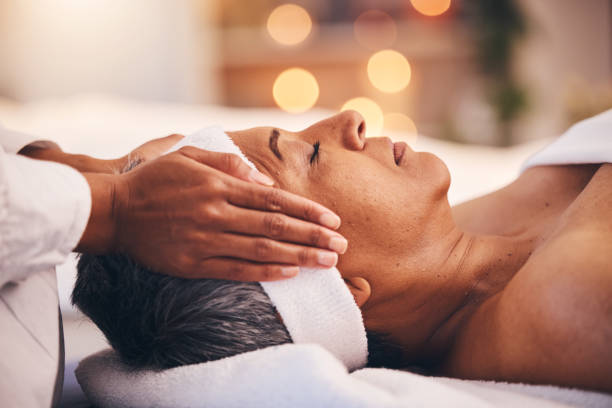
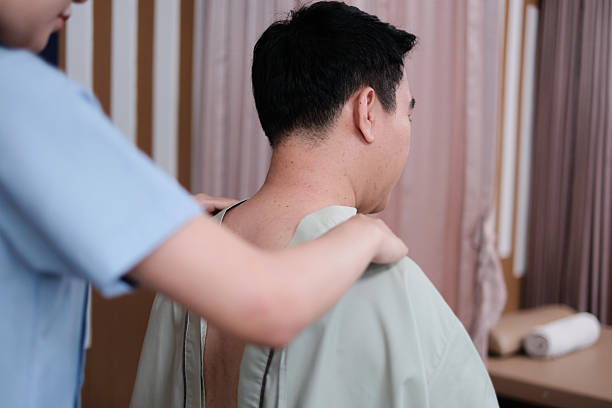
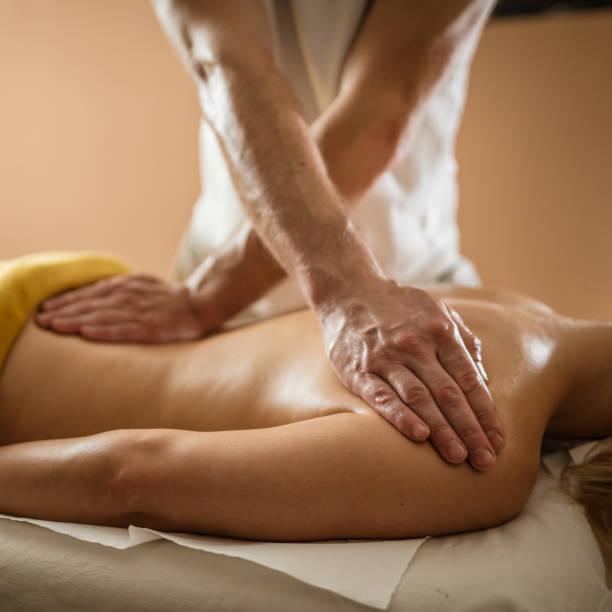
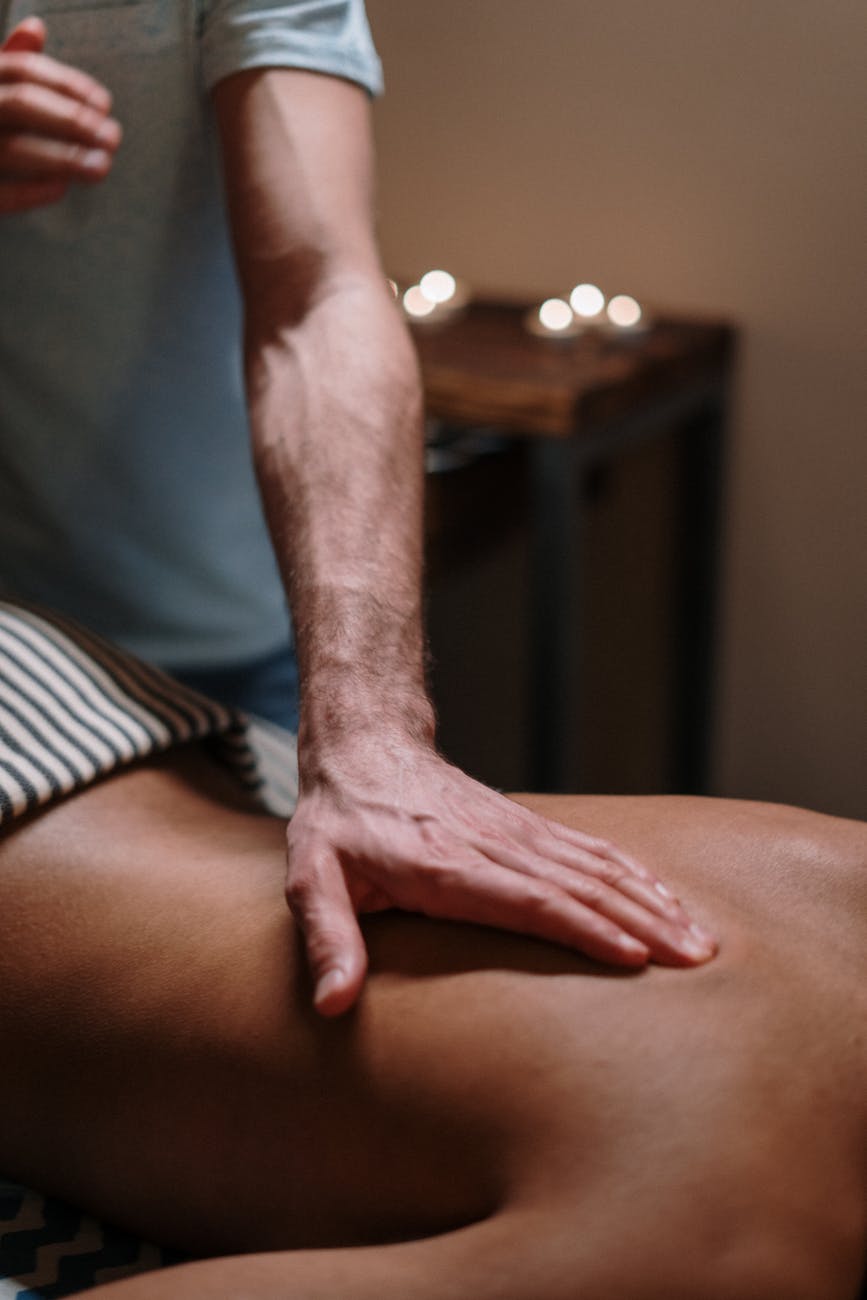
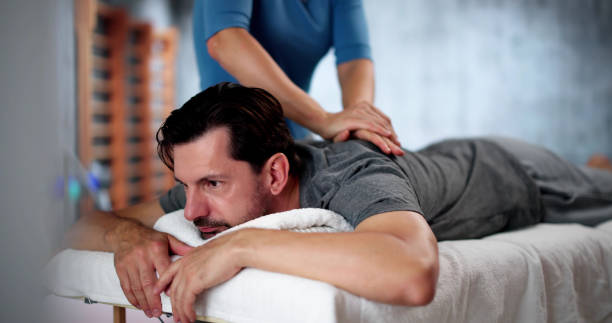
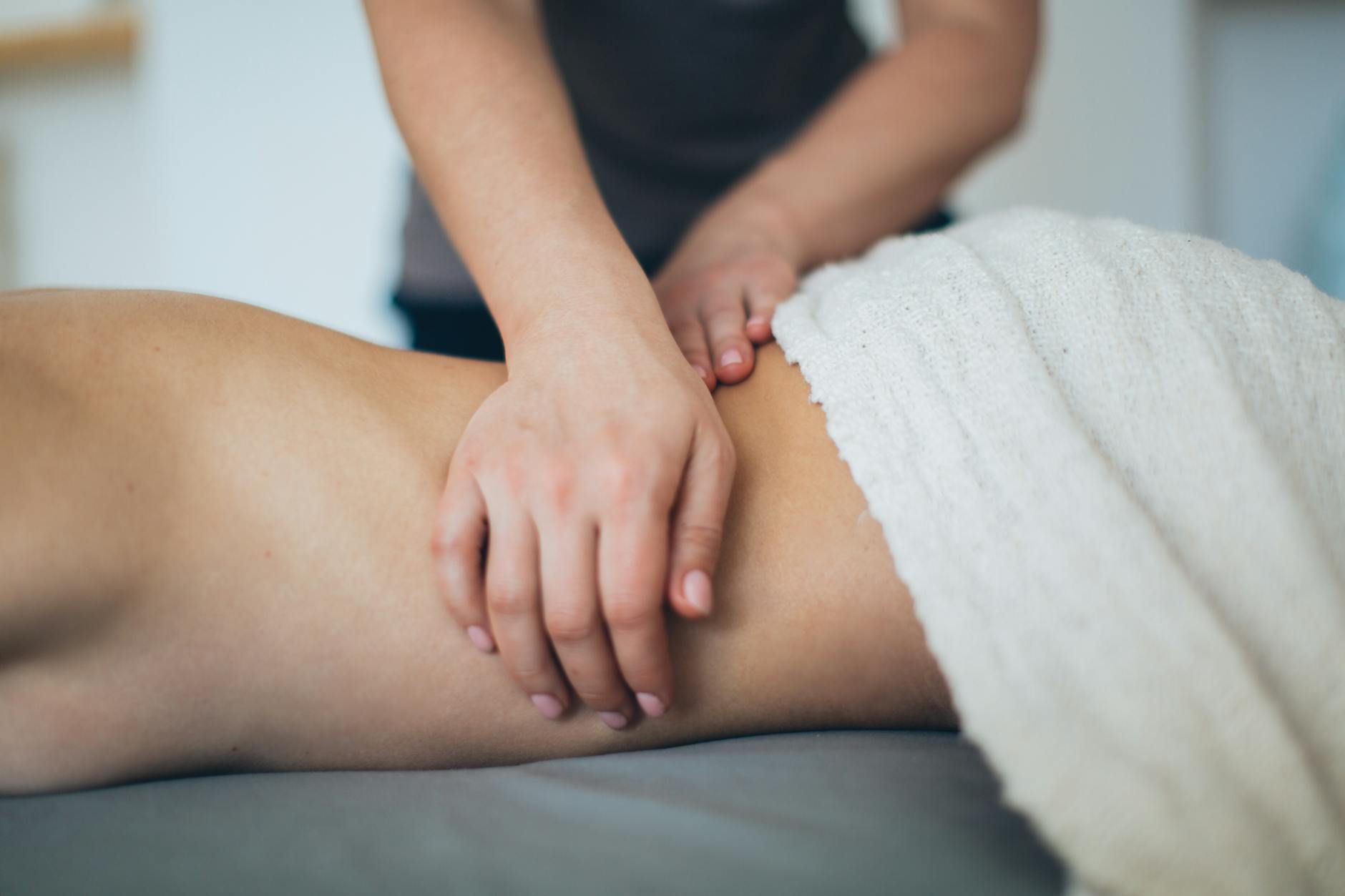
Sports massage uses hands-on soft-tissue techniques. Acupuncture uses sterile, single-use needles inserted at selected sites. Both are commonly used for symptom management, but neither can be assumed to repair damaged tissue or remove the cause of persistent pain.
What research suggests
Acupuncture can offer modest benefits for certain persistent pain conditions, although findings vary by diagnosis and comparison treatment. Massage may help short-term soreness and comfort. Evidence that using the two together produces superior outcomes is limited. Claims of faster healing or guaranteed long-term relief are not supported.
Choosing treatment around your goals
Someone seeking temporary relief from training-related soreness may have different priorities from a person managing long-standing back pain. A good discussion covers symptoms, activity, previous responses, possible alternatives and the importance of exercise or rehabilitation when indicated.
Risks and informed consent
Massage can cause transient soreness. Acupuncture can cause minor bleeding, bruising or light-headedness, and rare serious complications can occur. Needling requires appropriate screening and informed consent, especially where medicines, pregnancy, medical conditions or electrical stimulation are involved.
Treatment at The Bodywright
Read about acupuncture and dry needling and sports and remedial massage. If you are uncertain which approach fits, an initial conversation can clarify the options without committing you to both.